
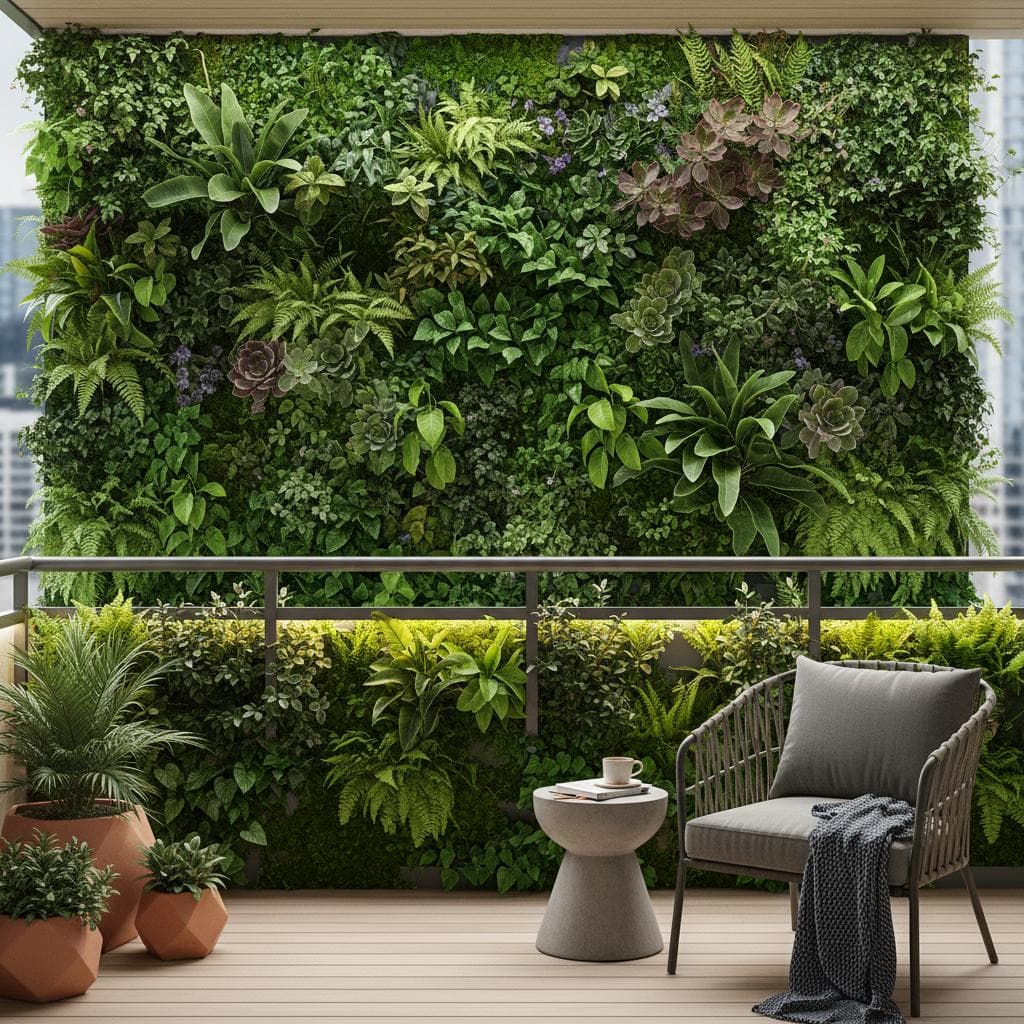
Introduction to Acoustic Living Walls
Living walls serve multiple purposes in urban environments, from aesthetic enhancement to functional noise reduction. These vertical gardens use dense foliage and specialized materials to absorb and deflect sound waves, creating quieter outdoor areas. In cities like New York, where traffic and construction generate constant din, such installations prove particularly valuable for balconies, patios, and small yards.
The key to effectiveness lies in combining plant layers with sound-barrier backings, such as mass-loaded vinyl or recycled acoustic mats. This approach not only blocks noise but also supports biodiversity and cools surrounding air through evapotranspiration. Homeowners can achieve up to 10-15 decibels of reduction, comparable to a significant drop in perceived loudness, without permanent alterations to property structures.
Before starting, assess your space's dimensions, sunlight exposure, and noise sources. A wall measuring 8 feet wide by 6 feet tall suits most compact areas, but scale according to needs. Budget for materials that balance cost and durability, ensuring the final result integrates seamlessly with your outdoor design.
Materials Needed
Gather these essentials to build a sturdy, sound-absorbing living wall:
- Framework: Pressure-treated wood or metal trellis panels for support. Opt for rust-resistant aluminum if moisture exposure is high.
- Backing Layer: Acoustic foam, cork sheets, or mass-loaded vinyl to reflect and absorb sound. Thickness of at least 1 inch provides optimal performance.
- Planters: Modular fabric pockets, PVC pipes, or wooden boxes. Choose UV-resistant options for longevity.
- Plants: Evergreen varieties like English ivy, ferns, or peace lilies that thrive in partial shade and offer dense leaf coverage.
- Irrigation System: Drip lines or soaker hoses connected to a timer for automated watering.
- Fasteners and Tools: Screws, brackets, wire mesh, drill, level, and utility knife.
- Soil Mix: Lightweight potting soil blended with perlite for drainage and root health.
Source materials from local garden centers or online suppliers specializing in vertical gardening. Prioritize eco-friendly options, such as recycled plastics for planters, to align with sustainable practices.
Step 1: Plan and Measure Your Space
Evaluate the installation site for structural integrity and accessibility. Measure the wall's height and width, allowing 6 inches of clearance from the ground to prevent water pooling. Identify noise directions—position the wall perpendicular to primary sound sources like streets for maximum deflection.
Sketch a simple diagram noting plant placement and irrigation paths. Calculate material quantities: for a 48-square-foot wall, you will need about 20-30 planters and 50 square feet of backing. Consult local building codes if attaching to a building facade, especially in rental properties.
Consider seasonal factors; install in spring or fall to avoid heat stress on new plants. This planning phase ensures the project fits your yard's layout and meets noise-reduction goals.
Step 2: Select and Prepare Plants
Choose plants based on your climate and light conditions. For urban noise blocking, prioritize species with thick, broad leaves that trap sound vibrations—examples include pothos, philodendron, and spider plants. These tolerate low light and require minimal care, ideal for city dwellers.
Purchase healthy specimens from nurseries, inspecting roots for vigor. Acclimate them indoors for a week before planting. Prepare by trimming dead foliage and soaking roots in water to hydrate. Aim for a mix of trailing and upright growers to create layered density, enhancing both aesthetics and acoustic properties.
Group plants by water needs to simplify maintenance. Native or low-water varieties reduce long-term effort and support local ecosystems.
Step 3: Construct the Framework
Assemble the base structure on a flat surface. Attach vertical supports to horizontal rails using brackets and screws, forming a grid that spans your measured area. Ensure the frame stands level by using a spirit level at multiple points.
Incorporate wire mesh across the front for added stability, securing it with staples or ties. For freestanding walls, add stabilizing feet or anchor to the ground with stakes. Test the assembly by applying gentle pressure; it should remain rigid under load.
This step forms the skeleton that holds everything in place, distributing weight evenly to prevent sagging over time.
Step 4: Install the Sound-Barrier Backing
Affix the acoustic material to the framework's rear side. Cut sheets to fit precisely, overlapping seams by 2 inches and sealing with waterproof tape. For enhanced absorption, layer foam over vinyl, attaching with adhesive or staples.
Secure the backing firmly to avoid gaps where sound could penetrate. In high-wind areas, reinforce edges with additional fasteners. This barrier acts as the primary noise blocker, reflecting urban sounds back toward the source while plants diffuse remaining vibrations.
Inspect for completeness; any voids diminish effectiveness. The combination of mass and density here determines overall performance.
Step 5: Add Planters and Soil
Mount planters onto the frame, starting from the bottom row for stability. Fill each with the prepared soil mix, packing lightly to eliminate air pockets. Space units 4-6 inches apart to allow root expansion and airflow.
Connect irrigation lines, threading them through the structure and positioning emitters near each planter's base. Test the system for even distribution before proceeding. This setup ensures plants receive consistent nourishment without manual intervention.
Step 6: Plant and Initial Watering
Insert plants into the soil, firming gently around roots to secure them. Arrange denser foliage at noise-facing edges for immediate impact. Vary heights to create a natural, undulating profile that maximizes sound diffusion.
Water thoroughly but slowly, allowing moisture to penetrate evenly without runoff. If using drip irrigation, program short cycles every 2-3 days initially. Observe how the hydrated elements alter acoustics; even partial planting begins to muffle ambient noise.
Monitor for settling soil over the first week, topping up as needed to maintain root contact.
Step 7: Apply Finishing Touches
Enhance the base with ground-cover plants or low shrubs to intercept ground-reflected sounds. Install a gravel border or permeable mat to dampen echoes from hard surfaces like concrete.
Add trellising for climbers to fill upper gaps over time. Seal exposed frame edges with weatherproof caulk to protect against elements. These details elevate the wall from functional to visually appealing, blending it into your landscape.
Safety Considerations
Account for the wall's weight, which may exceed 100 pounds when saturated. Verify that mounting surfaces support this load, using reinforced anchors if necessary.
Prevent mold growth by ensuring all drainage paths remain unobstructed; stagnant water leads to root decay and odors. Position electrical components, such as irrigation timers, away from wet zones to avoid hazards.
Conduct regular pest inspections, treating infestations promptly with organic solutions like insecticidal soap to safeguard plant health.
Common Issues and Solutions
Yellowing or Leaf Drop: Often due to poor drainage or insufficient light. Adjust by improving soil percolation and relocating to brighter indirect sun while maintaining consistent watering.
Persistent Dampness or Musty Odors: Trim overcrowded areas to promote circulation and repot affected sections with fresh, sterile soil.
Inadequate Noise Reduction: Seal perimeter gaps and consider adding height or side extensions. Verify backing integrity, as loose sections allow sound leakage.
Irrigation System Leaks: Examine connections for wear, replacing damaged parts and securing fittings tightly.
Cost and Timeline Overview
A medium-sized wall (8 by 6 feet) costs $250 to $600, varying with material choices. Basic fabric systems and secondhand frames keep expenses low, while premium modular kits add to the total. Individual plants cost $5 to $20, with soil and tools comprising the remainder.
Allocate one weekend for assembly and planting, plus 1-2 hours weekly for upkeep. Cost-saving measures include repurposed wooden pallets for frames, starter plants that mature gradually, and hand-watering in lieu of automated setups.
Invest fully in the backing; it provides the core sound insulation, justifying any upfront expense.
Ongoing Care Practices
Treat the wall like an elevated garden, checking soil moisture daily during peak seasons. Prune monthly to encourage bushy growth and remove spent leaves. Swap out underperforming plants quickly to avoid bare spots that compromise noise control.
Apply diluted fertilizer in spring and late summer to sustain vitality. Clean foliage periodically with a soft water spray to remove urban dust, preserving both appearance and acoustic efficiency.
Seasonal tasks include base debris clearance and hardware inspections to ensure long-term stability.
Efficient Storage Solutions
Organize supplies in weatherproof bins, keeping soil dry and tools accessible. Store chemicals in shaded, cool spots to maintain potency. Mark irrigation components for easy identification during adjustments.
In space-limited yards, use under-wall shelving or multi-purpose benches to stow essentials like shears and watering aids without encroaching on usable area.
Professional Assistance Indicators
Seek expert help for installations involving structural attachments, plumbing integrations, or electrical features. Professionals assess load capacities, ensure waterproofing, and select compatible plants.
Inquire about service guarantees, particularly for automated systems, to cover potential repairs.
Achieving Lasting Urban Tranquility
Once established, your living wall transforms disruptive noise into background hum, fostering relaxation in city settings. Regular attention yields a thriving feature that evolves with your space, delivering enduring benefits in privacy, air quality, and aesthetic appeal. Start small if unsure, scaling up as confidence grows for optimal results.