Loading...

Gravel Gardens Reduce Deck Water Usage by 70% | urbanoutdoorsnyc.com | Urban Outdoors - Small-Space Gardens, Rooftop Decks, Balconies, Decks, Backyard Design
Skip to main content
Urban Outdoors
Search
Home
  1. Home
  2. /
  3. Small-Space Gardens
  4. /
  5. Gravel Gardens Cut Deck Water Use by 70%
Small-Space Gardens

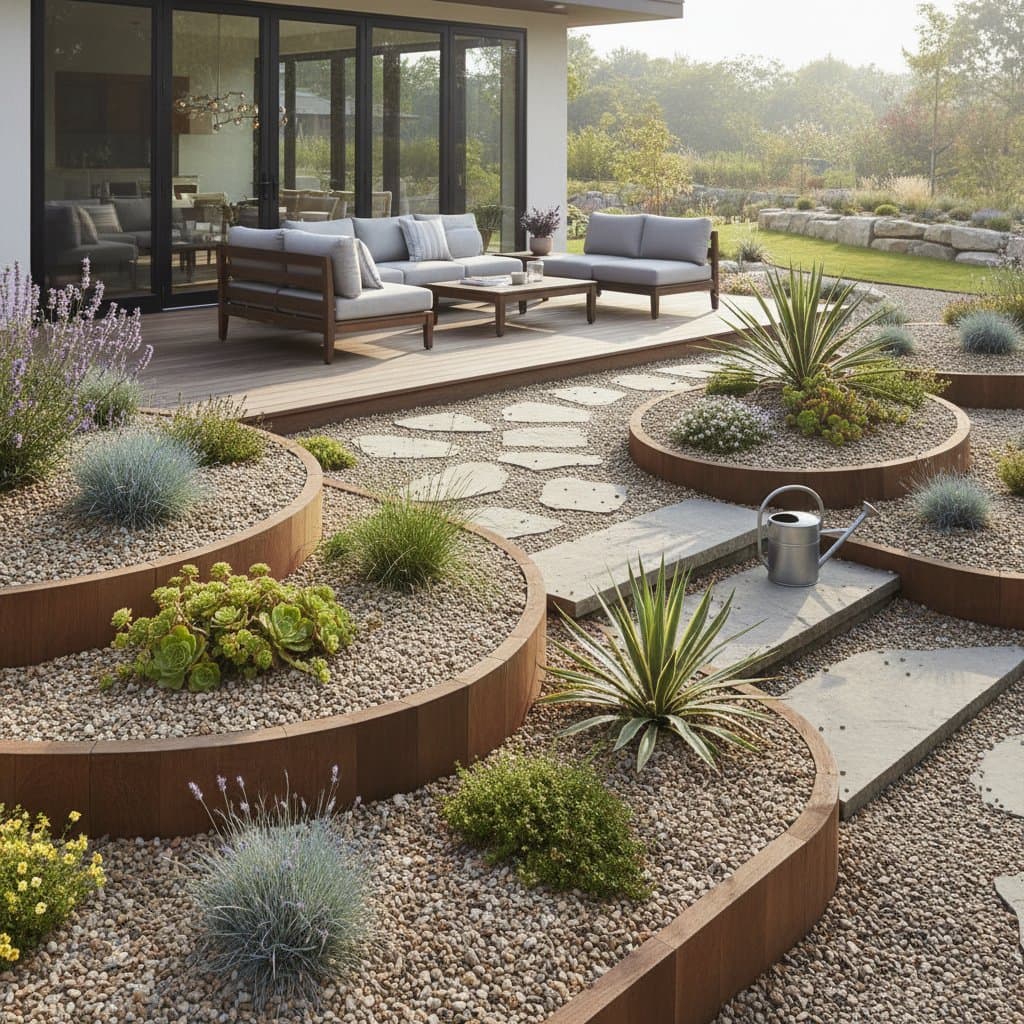
Gravel Gardens Cut Deck Water Use by 70%

byAnne Marion
2025-11-08 03:55:19November 8, 2025
7 min read
Featured image for Gravel Gardens Cut Deck Water Use by 70%

Categories

Navigation

  • Home
  • All Articles
  • About Us
  • Privacy Policy
  • Terms of Service

© 2026 Urban Outdoors. Crafted for bold city dwellers.

2025-11-10 03:26:43
Urban Outdoors - Small-Space Gardens, Rooftop Decks, Balconies, Decks, Backyard Design

Step 7: Water and Settle the Gravel Garden

Apply a gentle watering once to help the soil settle firmly into place. Observe as the gravel layer adjusts slightly under the moisture. If uneven spots appear, distribute additional gravel evenly across the surface to achieve a smooth finish. From this point forward, limit watering to instances when plants exhibit signs of stress, such as wilting leaves, or when the soil feels dry upon probing two inches (five centimeters) below the surface. This approach ensures roots establish deeply without excess moisture that could harm the setup.

In the initial week after installation, monitor the garden closely during varying weather conditions. Sunny days may accelerate drying, while overcast periods could retain subtle dampness. Adjust your observations to the specific microclimate of your deck, which might differ from ground-level gardens due to elevated exposure to wind and sun. By establishing this routine early, you promote healthy growth and prevent common pitfalls associated with overwatering in confined deck spaces.

Troubleshooting Common Issues

Gravel gardens on decks offer simplicity, yet occasional challenges arise from environmental factors or installation variances. Addressing these promptly maintains the garden's appeal and functionality. Below are targeted solutions for frequent concerns.

Problem: Water pooling in containers.
Excess standing water can damage both plants and the underlying deck structure. Begin by inspecting the drainage layer beneath the soil for blockages, such as compacted debris or settled fines from the soil mix. If clogs persist, incorporate additional perlite or coarse sand into the base layer to enhance permeability. For elevated containers, position them on sturdy wood blocks or pot feet to allow airflow and prevent direct contact with deck boards, reducing the risk of rot.

Problem: Plants turning yellow or soft.
Discoloration and softening often signal overwatering, which suffocates roots in the well-draining gravel environment. Immediately reduce irrigation frequency and volume, allowing the topsoil to dry out completely between sessions. Gravel gardens thrive on minimal moisture, mimicking arid natural habitats. If symptoms continue, gently remove affected plants, trim decayed roots, and replant in fresh, drier soil to revive them.

Problem: Weeds appearing between stones.
Unwanted growth can disrupt the clean aesthetic and compete for resources. Remove weeds manually as soon as they emerge, ensuring you extract the entire root system to prevent regrowth. In expansive areas, apply a thin secondary layer of gravel over landscape fabric to suppress future sprouting without resorting to chemical interventions. Regular vigilance in the first year minimizes establishment of persistent species.

Problem: Gravel shifting after heavy rain.
Rainfall can displace loose gravel, creating uneven surfaces and potential hazards. Install a subtle border using flat stones, bricks, or durable steel edging around the perimeter to contain the material effectively. This not only secures the gravel but also accentuates the garden's defined shape, enhancing visual appeal. For decks prone to runoff, consider integrating subtle slopes during initial setup to direct water away from key areas.

Problem: Deck boards turning gray beneath containers.
Prolonged moisture exposure leads to discoloration and wood degradation. Elevate containers seasonally to permit air circulation and inspect the deck surface for dampness. Clean affected areas with a mild wood cleaner, then apply a fresh coat of clear sealant to restore protection and prevent further weathering. This practice extends the deck's lifespan while safeguarding your investment.

Ongoing Maintenance Practices

Gravel gardens demand minimal intervention, typically a few dedicated sessions annually, allowing you to enjoy the space without constant effort. Focus on preventive measures that sustain both the plants and the deck infrastructure.

Monthly Tasks

  • Sweep displaced gravel back into designated areas using a soft-bristle broom to maintain tidiness.
  • Scan for emerging weeds or accumulated debris, removing them promptly to avoid buildup.
  • Clean container rims and edges with a damp cloth to deter mildew formation in humid conditions.

These routine checks take under 15 minutes and keep the garden looking pristine throughout the growing season.

Seasonal Tasks

  • In late winter or early spring, prune dried stems back to three inches (7.5 centimeters) to encourage fresh growth.
  • Replenish gravel if the layer has worn below one inch (2.5 centimeters), sourcing matching material for consistency.
  • Examine deck boards for moisture stains or warping, addressing issues before they escalate.

Long-Term Care
Every two to three years, excavate and replace approximately one-third of the soil mixture to replenish essential nutrients and improve drainage. Simultaneously, evaluate the deck's wood condition and reapply a penetrating clear sealant to shield against environmental wear. Document these updates in a maintenance log to track patterns and plan future adjustments.

Engaging Professional Expertise

While DIY approaches suit most gravel garden projects, certain scenarios warrant professional input to ensure safety and longevity. Consult a specialist if your deck shows signs of structural weakness, such as sagging or creaking, or if you intend to cover over half the surface with heavy planters and gravel loads. A qualified builder or structural engineer will assess load-bearing capacity, typically recommending no more than 50 pounds per square foot for standard decks, and verify adequate drainage to avoid water accumulation.

For advanced features like integrated irrigation or ambient lighting, enlist a landscaper experienced in urban outdoor designs. They can embed discreet drip irrigation lines beneath the gravel, targeting water delivery to plant roots with precision and conserving up to an additional 50 percent beyond the garden's inherent efficiency. This setup keeps walking surfaces dry and suitable for furniture placement.

Before committing to a professional, pose these key inquiries:

  1. What is the estimated total weight addition per square foot, including soil, gravel, and plants?
  2. How will the deck manage drainage during intense rainfall events?
  3. Is the gravel and soil mixture recyclable for future projects, such as relocation or redesign?

These questions guide informed decisions and align the project with your long-term vision.

Seasonal Care Guide

Adapting maintenance to the calendar ensures your gravel garden remains vibrant across all weather shifts. Each season presents unique opportunities and precautions.

Spring Preparation
Inspect drainage paths for winter debris and clear out accumulated leaves to prevent blockages. Divide overcrowded perennials by gently lifting and separating root balls, then replant in enriched soil for robust regrowth.

Summer Vigilance
Irrigate sparingly, guided by soil moisture tests, to combat heat stress without excess. Monitor for color loss in foliage and perform light pruning to shape plants and promote airflow.

Fall Cleanup
Rake fallen leaves regularly to avoid matting within the gravel, which could foster pests. Incorporate a light layer of compost around perennial bases to bolster root health heading into dormancy.

Winter Protection
Shield delicate containers with breathable burlap wraps or relocate them to sheltered spots indoors. Remove snow accumulations using a wide broom rather than scraping tools to preserve both gravel integrity and deck finish.

Building Momentum for Your Deck Oasis

Initiate your project modestly by selecting a single deck corner for a compact gravel bed. This trial allows you to evaluate drainage performance and plant adaptability to your site's sun exposure and breezes before scaling up. Over time, observe which species flourish, informing expansions that harmonize with your outdoor lifestyle.

Tour a nearby nursery to physically assess gravel options; pea gravel provides a gentle, foot-friendly texture ideal for high-traffic zones, whereas crushed granite offers superior stability for defined paths. Select based on your aesthetic preferences and practical needs, such as barefoot comfort or furniture placement.

Maintain a visual journal with photographs capturing your deck's evolution through seasonal changes. These records reveal enduring performers, like drought-hardy succulents that retain vibrancy, versus those requiring adjustments. As the garden matures, the interplay of stones and foliage creates a grounded, inviting retreat that enhances daily living with effortless sustainability.

You Might Also Like

Grow 30 Plants in 2 Feet Using Nutrient Mist

Simple Drip Systems That Water While You Work

Living Sound Filters for City Apartments

Why Gravel Gardens Mean Zero-Maintenance Balconies

Rooftop Systems That Grow Food and Generate Power

Tagged:

landscaping,maintenance,xeriscaping,gravel,gardens,gravel-gardens,low,low-maintenance-landscaping

Recent by Anne Marion

Image for Solar Drip Systems Keep Deck Gardens Watered Automatically

Solar Drip Systems Keep Deck Gardens Watered Automatically

Feb 2, 2026
Image for Watering 50+ Pots From a Single Faucet

Watering 50+ Pots From a Single Faucet

Feb 2, 2026
Image for Simple Drip Systems That Water While You Work

Simple Drip Systems That Water While You Work

Jan 31, 2026
Image for How Urban Gardens Cut City Noise by 70%

How Urban Gardens Cut City Noise by 70%

Jan 31, 2026
Image for Micro-Pergola Pods Bring Patio Comfort to Tiny Balconies

Micro-Pergola Pods Bring Patio Comfort to Tiny Balconies

Jan 29, 2026

landscaping

Image for Gravel Gardens Replace Messy Deck Edges Fast

Gravel Gardens Replace Messy Deck Edges Fast

Dec 30, 2025
Image for Moss Walls Bring Calm to Urban Rooftops With Minimal Care

Moss Walls Bring Calm to Urban Rooftops With Minimal Care

Dec 25, 2025
Image for Gravel Decks Cut Water Use 60% With Less Maintenance

Small-Space Gardens

Watering 50+ Pots From a Single Faucet

Convert your balcony's potted plants into a low-maintenance green haven using a micro-drip irrigation system. This practical guide details automatic watering for more than 50 pots, eliminating daily tasks while ensuring optimal hydration. Explore essential tools, installation from testing to timing, plus solutions for common issues and upkeep strategies for sustained success.

Feb 2, 2026

Grow 30 Plants in 2 Feet Using Nutrient Mist

Transform a narrow balcony into a productive aeroponic farm by 2026. These soil-free towers support up to 30 plants with efficient nutrient mist, delivering year-round greens while minimizing water use, space demands, and maintenance.

Feb 1, 2026

Simple Drip Systems That Water While You Work

Elevate your urban balcony garden with a simple, app-free micro drip irrigation system. This practical guide covers tools, installation steps, troubleshooting, and maintenance to ensure reliable watering and vibrant plants, even during busy schedules.

Jan 31, 2026

Categories

Deck Construction & Remodeling(158)
Balcony Design(146)
Small-Space Gardens(63)
Rooftop Decks(50)
Backyard Design(18)

Gravel Decks Cut Water Use 60% With Less Maintenance

Dec 23, 2025
Image for Moss Walls Cut Deck Upkeep While Cooling City Spaces

Moss Walls Cut Deck Upkeep While Cooling City Spaces

Dec 12, 2025
Image for Moss Thrives Where Rooftop Grass and Sedums Fail

Moss Thrives Where Rooftop Grass and Sedums Fail

Nov 26, 2025

How Urban Gardens Cut City Noise by 70%

Convert your bustling urban garden into a tranquil haven using layered vegetation and sound-dampening materials. This comprehensive guide details how evergreens, grasses, mulch, and permeable surfaces can diminish noise by up to 70 percent, fostering a soothing space that filters out urban clamor while enhancing natural serenity.

Jan 31, 2026

Living Sound Filters for City Apartments

Convert urban clamor into tranquility using acoustic plants as living sound barriers. This guide details optimal plant selection, strategic placement, and upkeep for effective noise reduction in tight city dwellings. Affordable and aesthetically pleasing, these green solutions deliver enduring calm without major alterations.

Jan 30, 2026

Mini Bog Gardens Bring Wetland Habitats to Balconies

Turn a standard balcony into a vibrant mini bog garden that mimics natural wetlands. Assemble a self-sustaining system with layered substrates, precise watering techniques, and native plants to foster biodiversity and create an engaging urban green space.

Jan 28, 2026

Why Shade Apps Unlock Perfect Balcony Gardens

Elevate your balcony garden using shade apps to precisely map sunlight exposure. Gain insights on plant selection for specific light zones, easy scanning techniques, and cost-effective tools. Uncover strategies for seasonal adjustments to cultivate a vibrant, sustainable urban oasis.

Jan 28, 2026

Microclimate Pods Extend Growing Season on Balconies

Turn your balcony or rooftop into a productive garden that defies seasonal limits with microclimate pods. These innovative enclosures maintain optimal warmth, humidity, and airflow. Follow this comprehensive guide for construction, plant selection, safety measures, and ongoing care to harvest greens and herbs throughout the year.

Jan 26, 2026

Three Square Feet of Balcony That Feeds Urban Bees

In the heart of urban living, three square feet of balcony can become a thriving haven for bees. This guide details plant selections, container arrangements, and maintenance practices to attract pollinators throughout the year. With modest investment and simple routines, your compact space contributes to healthier ecosystems and serene outdoor moments.

Jan 25, 2026

Aeroponic Towers Fit Full Veggie Gardens in 4 Feet

Convert a compact balcony into a productive, soil-free vegetable garden using aeroponic towers. This detailed guide covers planning, assembly, and maintenance for a lightweight system that delivers abundant yields while fitting urban constraints like limited space and sunlight.

Jan 24, 2026

Balcony Microclimates That Triple Your Harvest

Transform your balcony garden by identifying and leveraging microclimates—warm pockets, windy perimeters, and shaded retreats—that influence plant success. Map exposure to light, air, and temperature; assign suitable crops to zones; and adapt seasonally for a bountiful, year-round harvest in compact settings.

Jan 23, 2026

Balcony Mushroom Farms That Pay for Themselves

Transform your shaded balcony into a profitable mushroom farm producing gourmet varieties like oyster and shiitake. This guide covers setup, maintenance, harvesting, and sales strategies to generate steady income from urban space with minimal effort.

Jan 21, 2026

Acoustic Walls Cut Neighbor Noise Without Renovating

Achieve tranquility in bustling urban environments through acoustic walls, strategic sealing, and sound-absorbing plants. This guide provides practical installation steps, affordable material recommendations, and maintenance tips to create a serene home without extensive renovations.

Jan 18, 2026

Plants Cut City Noise With Layers and Smart Placement

Convert urban balconies or courtyards into tranquil refuges with sound-absorbing plants. Discover layering techniques featuring bamboo, evergreens, and grasses to diffuse noise, plus essential tips on selection, positioning, care, and affordability for compact green spaces.

Jan 17, 2026

Turn Your Balcony Into a Pollinator Stopover

Convert your balcony into a vibrant pollinator habitat that draws in bees, butterflies, and hummingbirds. Employ native plants, fresh water sources, and basic containers to promote urban biodiversity, improve air quality, and establish a serene green oasis, all achievable for less than seventy dollars with minimal weekly maintenance.

Jan 17, 2026

Dwarf Fruit Trees Turn Tiny Balconies into Orchards

Even the tiniest balcony can become a productive orchard with dwarf fruit trees. Compact options like Meyer lemon and dwarf apple varieties yield full-sized fruit in containers. This guide provides essential steps for setup, ongoing care, and troubleshooting to help city dwellers cultivate fresh produce just steps from their living spaces.

Jan 15, 2026

Turning Nine Square Feet Into a Pollinator Haven

Convert a modest 3x3 balcony into a dynamic micro-meadow that supports bees, butterflies, and birds. This comprehensive guide explains the process of designing, planting, and sustaining a lightweight, low-maintenance native plant habitat that delivers seasonal blooms, tranquility, and environmental benefits to city dwellers.

Jan 15, 2026

AI Garden Cams Catch Plant Problems Before They Spread

AI garden cameras leverage smart sensors and machine learning to track plant health, identify stress indicators promptly, and provide targeted care recommendations. This comprehensive guide covers device selection, installation procedures, data interpretation, and optimization strategies for watering and lighting, enabling urban gardeners to sustain healthy plants with reduced uncertainty and minimal effort.

Jan 14, 2026

Why Wildflower Balconies Supercharge Urban Pollinators

Convert your balcony into a buzzing mini-ecosystem that sustains urban pollinators. Explore native wildflower choices, efficient container arrangements, and simple maintenance routines to build lasting habitats in compact city areas. Gain insights into budget-friendly supplies, time commitments, and year-round strategies for a pollinator paradise.

Jan 12, 2026

AI Sensors Stop Deck Plants From Drying Out

AI sensors revolutionize deck gardening with automated watering based on real-time environmental data. This comprehensive guide covers installation, calibration, troubleshooting, and maintenance to ensure thriving plants, water savings, and minimal effort in compact urban spaces.

Jan 9, 2026