Loading...

Turn City Decks into Pollinator Havens with Insect Hotels | urbanoutdoorsnyc.com | Urban Outdoors - Small-Space Gardens, Rooftop Decks, Balconies, Decks, Backyard Design
Skip to main content
Urban Outdoors
Search
Home
  1. Home
  2. /
  3. Deck Construction & Remodeling
  4. /
  5. Insect Hotels Turn City Decks Into Pollinator Havens
Deck Construction & Remodeling

Insect Hotels Turn City Decks Into Pollinator Havens

byAnne Marion
2025-11-03 03:40:38November 3, 2025
6 min read
Featured image for Insect Hotels Turn City Decks Into Pollinator Havens

Categories

Navigation

  • Home
  • All Articles
  • About Us
  • Privacy Policy
  • Terms of Service

© 2026 Urban Outdoors. Crafted for bold city dwellers.

2025-11-05 03:24:18
Urban Outdoors - Small-Space Gardens, Rooftop Decks, Balconies, Decks, Backyard Design

6. Add Plants Nearby

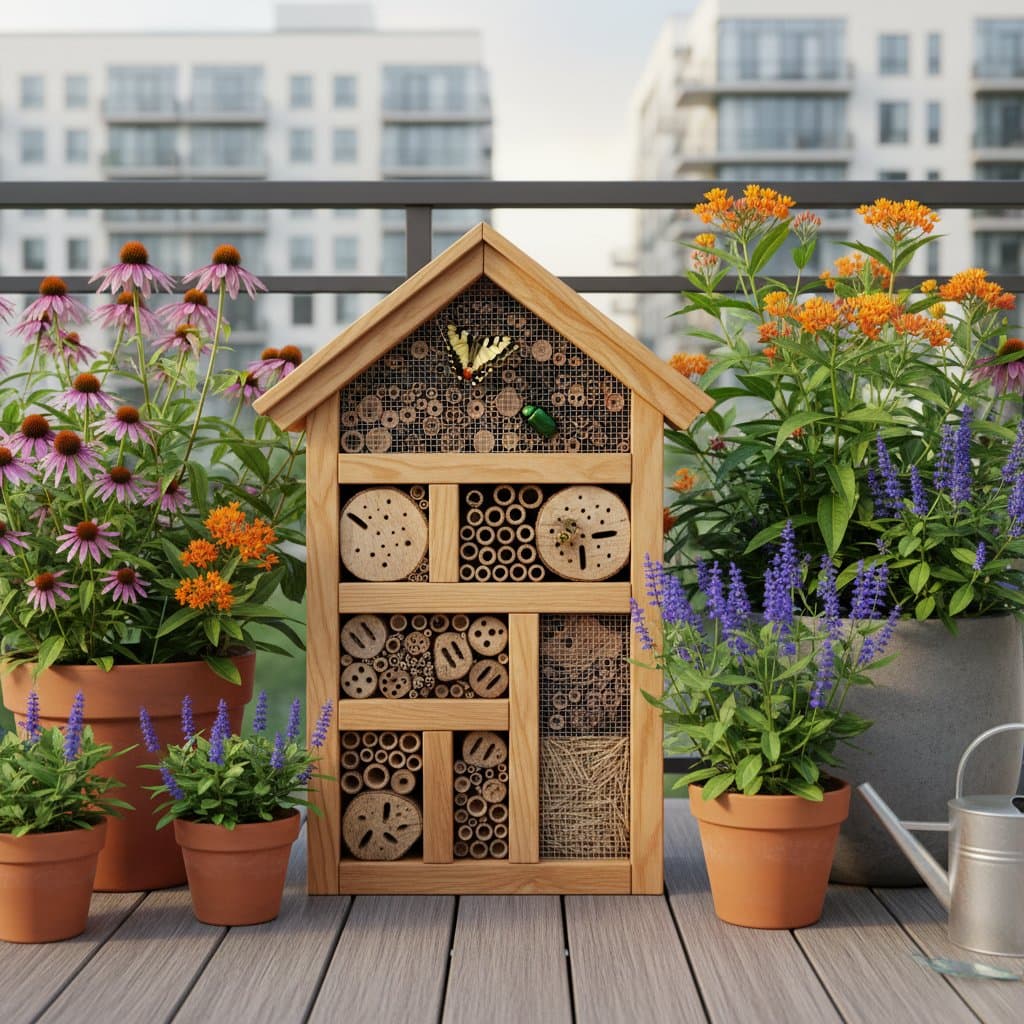
Select native flowering plants, herbs, or compact shrubs to surround the insect hotel. Options such as lavender, coneflower, and thyme draw in pollinators with their nectar-rich blooms. Plan for continuous flowering from spring into fall to provide a steady food source throughout the active season.

Position pots or planters within a few feet of the hotel to create a welcoming corridor for insects. Choose drought-tolerant varieties suited to balcony conditions, ensuring they receive adequate sunlight without overshadowing the structure. This integration not only supports pollinators but also adds aesthetic appeal to your deck.

Safety Tips

Position the insect hotel at least three feet away from outdoor cooking areas or space heaters to prevent heat damage. Refrain from applying pesticides within a 10-foot radius, as these chemicals can harm beneficial insects and contaminate nearby plants.

Wear protective gloves when handling aged materials during cleaning or maintenance to avoid splinters or allergens. Steer clear of incorporating glass jars or plastic components, which may trap excessive heat and endanger resident insects.

Inspect the structure thoroughly for loose nails, sharp edges, or splinters prior to mounting it on the deck. Secure all elements firmly to minimize risks to both insects and human occupants.

Troubleshooting

Few insects visiting:
Relocate the hotel to a location that receives at least six hours of direct sunlight daily. Introduce a greater variety of nesting materials, such as hollow reeds or drilled wood blocks, and plant additional flowering species nearby to enhance attractiveness.

Mold on materials:
Enhance ventilation by spacing items loosely within the hotel. Extract any moisture-laden pieces promptly and substitute them with thoroughly dried alternatives. Prevent overpacking to allow air circulation and reduce humidity buildup.

Birds pulling out pieces:
Install fine wire mesh across the front face to deter foraging birds while permitting insect access. Most birds abandon interest after encountering the barrier, preserving the hotel's contents intact.

Insect debris building up:
Debris accumulation represents natural activity within the habitat. Perform a gentle cleaning at the conclusion of the warm season, yet retain portions of the material to accommodate overwintering larvae and pupae.

Budget and Time

Constructing a modest insect hotel requires approximately twenty to forty dollars for fresh materials like untreated wood, bamboo, and twine. Sourcing from scrap wood, fallen branches, or recycled yard waste lowers expenses to less than ten dollars while promoting sustainability.

Assembly demands two to three hours, encompassing gathering supplies, drilling holes of varying diameters, and securing the frame. Beginners may extend this time slightly for experimentation, but the process yields satisfying results with basic tools such as a hand saw and drill.

Consider scaling the project gradually. Begin with a single compartment and later incorporate additional boxes or suspend bundles of dried stems from deck railings. Each expansion amplifies available habitat, fostering greater species diversity and ecological balance.

Maintenance

Conduct a visual inspection once each season to identify rot, damage, or blockages. Swap out compromised sections immediately to maintain structural integrity and habitability.

Clear spider webs obstructing entry points, as they can impede access, but permit spiders to remain in adjacent areas. These predators contribute to ecosystem equilibrium by controlling pest populations.

Every second or third year, dismantle the hotel during the deepest winter months for a full refresh. Wash the wooden frame using mild soap and water, then allow complete air drying before repopulating with clean materials. This practice prevents the proliferation of diseases or parasitic mites among bee populations and other residents.

Maintain consistent watering for surrounding plants, directing moisture away from the hotel itself. Should water pool internally, adjust the tilt angle to improve drainage and avert sogginess.

Smart Storage Moves

Keep surplus bamboo, bark strips, or straw bundles in airtight, dry containers stored indoors. These reserves enable swift replenishment during seasonal transitions, ensuring the hotel remains operational.

Maintain a compact set of drill bits in various sizes for creating fresh nesting holes as needed. Organize storage bins with clear labels by material type to streamline restocking efforts.

Designate a dedicated deck area featuring a small bench paired with a weatherproof toolbox for routine gardening tasks. Opt for a cushioned storage ottoman that serves dual purposes as seating and supply holder, optimizing limited balcony space.

Seasonal Reminders

Early spring:
Approach the hotel with care for a light cleaning, verifying that all holes and stem channels remain unobstructed. Install fresh nesting blocks if previous ones show wear, preparing for emerging pollinators.

Mid-summer:
Monitor bee and insect activity closely without relocating the structure, as disturbances can disrupt active nests. Supplement with water sources like shallow dishes if drought persists.

Fall:
Prune surrounding vegetation lightly, preserving seed heads as winter food for birds and insects. Pack empty hotel compartments with dry leaves to offer additional shelter.

Winter:
Leave the interior undisturbed to protect dormant larvae awaiting spring warmth. Shield the hotel from accumulating snow or ice by adding a simple overhang or breathable plastic cover to the top.

When to Call a Pro

Observe signs of bee colonies establishing within building walls or expansive hives adjacent to your deck, and engage a certified bee removal specialist or urban apiarist promptly. Professionals relocate swarms humanely, often at no or minimal charge for native bees, preventing structural damage or stings.

Never attempt to spray chemicals or block access points independently, as such actions exacerbate risks. Local experts provide guidance tailored to urban environments.

For persistent mold growth or frame deterioration beyond basic repairs, consult a carpenter experienced in outdoor structures. They can reinforce the hotel while minimizing disruption to its insect inhabitants, ensuring long-term durability.

Your Next Steps

Commence with a modest setup in one deck corner. Collect a wooden crate, sections of bamboo, and bark fragments to assemble your initial insect hotel over the upcoming weekend. Secure it in a sunlit position and introduce one or two pots of native blooms nearby.

Observe the influx of activity over the following weeks, noting which elements draw the most visitors. This hands-on approach not only revitalizes your urban space but also contributes meaningfully to local pollinator conservation efforts.

You Might Also Like

Grow 30 Plants in 2 Feet Using Nutrient Mist

Simple Drip Systems That Water While You Work

Living Sound Filters for City Apartments

Turn Your Deck into a Clean Energy Generator

Three Square Feet of Balcony That Feeds Urban Bees

Tagged:

biodiversity,pollinator gardens,gardens,decks,pollinator,insect,hotels,insect-hotels,biodiversity-decks

Recent by Anne Marion

Image for Solar Drip Systems Keep Deck Gardens Watered Automatically

Solar Drip Systems Keep Deck Gardens Watered Automatically

Feb 2, 2026
Image for Watering 50+ Pots From a Single Faucet

Watering 50+ Pots From a Single Faucet

Feb 2, 2026
Image for Simple Drip Systems That Water While You Work

Simple Drip Systems That Water While You Work

Jan 31, 2026
Image for How Urban Gardens Cut City Noise by 70%

How Urban Gardens Cut City Noise by 70%

Jan 31, 2026
Image for Micro-Pergola Pods Bring Patio Comfort to Tiny Balconies

Micro-Pergola Pods Bring Patio Comfort to Tiny Balconies

Jan 29, 2026

biodiversity

Image for Turn Your Balcony Into a Pollinator Stopover

Turn Your Balcony Into a Pollinator Stopover

Jan 17, 2026
Image for Rooftop Wildflower Meadows Cool Buildings and Feed Bees

Rooftop Wildflower Meadows Cool Buildings and Feed Bees

Dec 6, 2025

Deck Construction & Remodeling

Solar Drip Systems Keep Deck Gardens Watered Automatically

Elevate your deck gardening with solar-powered drip irrigation for precise, hands-free watering. This guide covers final setup steps, safety measures, common fixes, cost breakdowns, and year-round care to foster healthy plants with minimal intervention.

Feb 2, 2026

Solar Pavers Convert Steps and Sunlight Into Power

Elevate your outdoor paths with solar pavers that generate electricity from sunlight and movement. This comprehensive resource outlines functionality, step-by-step setup, budgeting, troubleshooting, and ways to apply the power for lighting or devices—all while promoting green living.

Feb 2, 2026

Glass Deck Floors That Skylight the Space Below

Elevate your deck design with glass floor panels that function as skylights, flooding lower areas with natural light while delivering a sleek, contemporary look. This resource provides in-depth coverage of benefits, essential materials, step-by-step installation, safety protocols, maintenance routines, and guidance on when to hire experts—all to optimize your outdoor environment for light, style, and longevity.

Categories

Deck Construction & Remodeling(158)
Balcony Design(146)
Small-Space Gardens(63)
Rooftop Decks(50)
Backyard Design(18)
Feb 2, 2026

Mycelium Boards Replace Wood in Sustainable Decking

Mycelium decking redefines sustainable outdoor design with boards cultivated from fungal roots and agricultural waste. These lightweight, compostable planks match wood's strength while minimizing environmental impact. This guide covers planning, installation, and care for a resilient, green yard addition.

Feb 1, 2026

Cut Deck Noise with Acoustic Privacy Screens

Turn urban deck noise into peaceful quiet with acoustic privacy screens. Explore sound-blocking options, step-by-step installation, upkeep advice, and cost-effective choices for a more enjoyable outdoor space throughout the year.

Feb 1, 2026

Deck Benches That Turn Scraps Into Garden Soil

Convert your deck into an eco-friendly oasis with a composting bench that serves as both comfortable seating and efficient soil producer. This comprehensive guide details construction steps, material needs, troubleshooting, and seasonal care to minimize waste and maximize garden yields.

Jan 31, 2026

Permeable Pavers Stop Flooding and Raise Property Value

Permeable pavers convert waterlogged areas into resilient, environmentally friendly surfaces. Water infiltrates through paver joints and stone bases, minimizing runoff, safeguarding structures, and elevating aesthetic appeal. This comprehensive guide details installation processes, upkeep routines, and financial considerations to demonstrate how these pavers promote sustainability, property enhancement, and enduring outdoor usability.

Jan 29, 2026

Turn Your Deck into a Clean Energy Generator

Elevate your deck into a sustainable solar energy source with integrated pavers that merge aesthetics and efficiency. This guide covers sunlight evaluation, circuit planning, durable tile installation, performance upkeep, expense details, safety protocols, and professional consultation needs to create a self-powered outdoor retreat.

Jan 29, 2026

Solar Pavers Turn Sunlight Into Outdoor Power

Elevate your outdoor areas with solar pavers, robust tiles that capture sunlight to generate power for lighting, charging stations, and appliances. This guide covers their functionality, required materials, and detailed installation instructions to build an efficient, wire-free environment that blends practicality with aesthetic appeal.

Jan 28, 2026

Mycelium Decks Replace Wood With Living Fungi Material

Mycelium, the intricate root system of fungi, emerges as a groundbreaking material for decking. This renewable and biodegradable option provides the durability of wood with a fraction of the environmental impact. Readers will gain insights into installation, maintenance, and benefits to create an outdoor haven that aligns with sustainable living principles.

Jan 27, 2026

Deck Pods Turn Open Decks into Year-Round Rooms

Convert your deck into a protected, inviting extension of your home using modular deck pods. This comprehensive guide covers planning, assembly, and upkeep for these adaptable structures, including required tools, safety protocols, and enhancements to achieve a durable, stylish outdoor space that provides year-round utility.

Jan 26, 2026

Solar Shade Sails Generate Power While Cooling Your Deck

Elevate your deck with solar shade sails that offer respite from the sun while harnessing solar power for everyday use. These versatile structures blend comfort with eco-friendly energy generation. Explore practical steps for installation, upkeep, and optimization to create an inviting, self-sustaining outdoor haven.

Jan 26, 2026

Cool Your Deck 15° with Solar Shade Sails

Counter summer deck heat with solar shade sails capable of reducing temperatures by up to 15 degrees. These tensioned fabric panels effectively block UV rays, improve airflow, and install in just one day. Gain insights into required tools, essential safety measures, and maintenance strategies for extended outdoor enjoyment.

Jan 25, 2026

Why Permeable Decks Stay 20 Degrees Cooler

Permeable decks address intense summer heat by facilitating airflow and water passage, which dissipates trapped warmth and maintains surfaces up to 20 degrees cooler. Incorporating light-colored materials, strategic gaps, and evaporative cooling, these decks foster inviting, sustainable outdoor areas that require low maintenance and provide enduring relief from hot surfaces.

Jan 25, 2026

Solar Pergolas Cut City Heat While Powering Your Deck

Elevate your compact urban deck with a solar pergola that delivers shade, produces renewable energy, and enhances sustainability. This comprehensive guide includes planning strategies, material choices, step-by-step installation, safety protocols, and upkeep tips to achieve a cooler, cost-effective outdoor area while increasing home value on a practical budget.

Jan 24, 2026

Fungal Fibers That Replace Wood Decks and Compost Clean

Mycelium decks redefine urban outdoor spaces through sustainable, compostable panels derived from fungal networks. These lightweight, durable alternatives to wood or plastic utilize agricultural waste. Follow this guide to cultivate, process, install, and maintain them for environmentally conscious urban design.

Jan 24, 2026

Misting Systems Drop Deck Temps 20° Fast

Misting systems transform hot decks into inviting spaces by reducing temperatures up to 20 degrees. This guide details planning, installation, maintenance, and optimization strategies for safe, effective cooling throughout the season.

Jan 22, 2026

UV Shade Sails Drop Deck Temps 20 Degrees

Combat summer heat and safeguard your deck using UV shade sails. This comprehensive guide details selection, installation, and upkeep strategies that reduce surface temperatures, avert color fading, and prolong deck longevity. Explore required tools, safety measures, common issues, and professional insights to create a fashionable, protected outdoor haven.

Jan 22, 2026

Shade Sails That Follow the Sun All Day Long

Automatic sun-tracking shade sails adjust their position to follow the sun, providing consistent shade and comfort on decks and patios. This comprehensive guide explains the technology, step-by-step installation, essential safety measures, ongoing maintenance, associated costs, and strategies to maximize durability and efficiency in your outdoor environment.

Jan 21, 2026

AI Cameras That Water Plants and Deter Deck Pests

Elevate your urban deck into an automated oasis with AI cameras that identify pests, optimize irrigation, and reduce upkeep. These intelligent systems leverage computer vision to safeguard plants, promote efficient water use, and deliver seamless outdoor enjoyment via straightforward installation and reliable performance.

Jan 21, 2026