Loading...

Low-Maintenance Deck Edges with Micro-Clover | urbanoutdoorsnyc.com | Urban Outdoors - Small-Space Gardens, Rooftop Decks, Balconies, Decks, Backyard Design
Skip to main content
Urban Outdoors
Search
Home
  1. Home
  2. /
  3. Deck Construction & Remodeling
  4. /
  5. Micro-Clover Cuts Deck Maintenance While Softening Edges
Deck Construction & Remodeling

Micro-Clover Cuts Deck Maintenance While Softening Edges

byAnne Marion
2025-11-06 03:55:11November 6, 2025
6 min read
Featured image for Micro-Clover Cuts Deck Maintenance While Softening Edges

Categories

Navigation

  • Home
  • All Articles
  • About Us
  • Privacy Policy
  • Terms of Service

© 2026 Urban Outdoors. Crafted for bold city dwellers.

2025-11-07 03:24:32
Urban Outdoors - Small-Space Gardens, Rooftop Decks, Balconies, Decks, Backyard Design

Introduction to Micro-Clover for Deck Edges

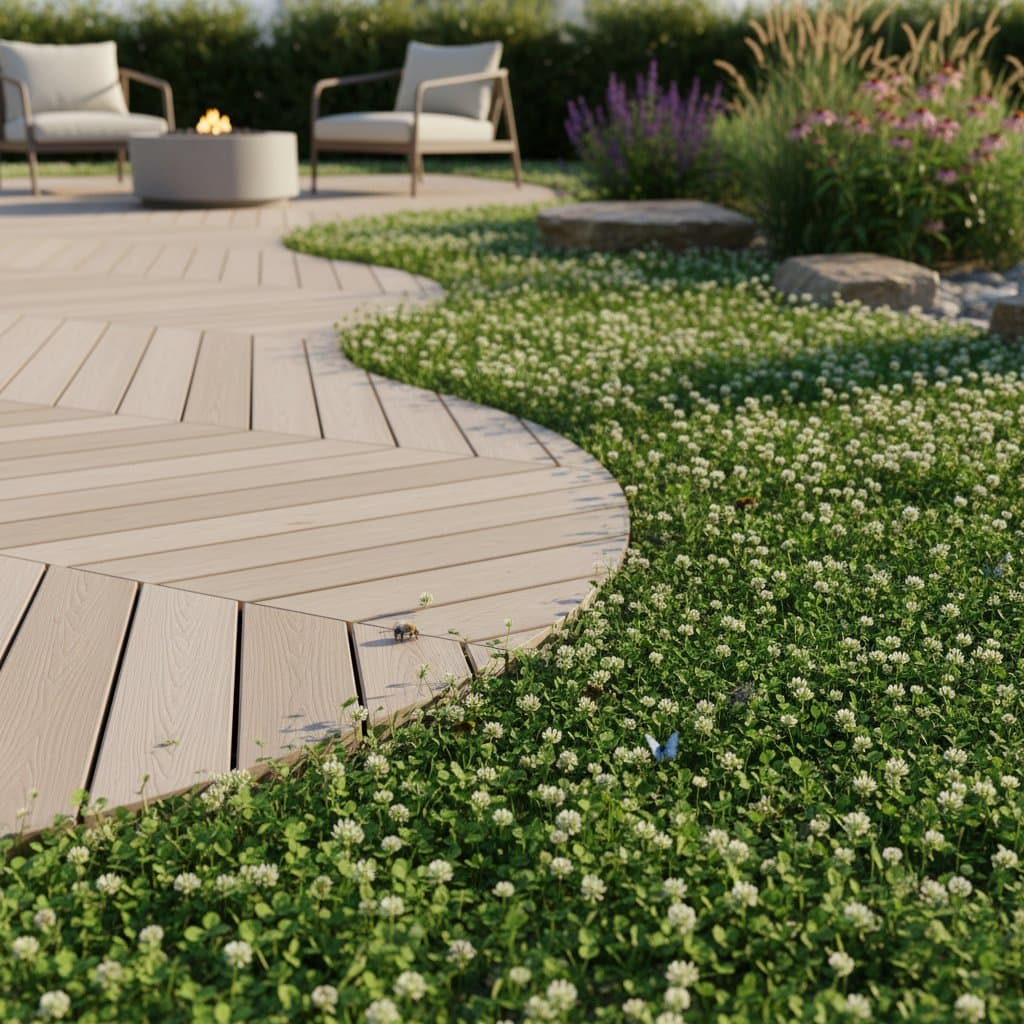
Micro-clover offers a practical alternative to traditional grass for areas around decks. This resilient groundcover tolerates partial shade, drought, and foot traffic better than many lawn varieties. Homeowners appreciate its ability to create a soft, green buffer that prevents soil erosion and reduces mud near entry points.

Establishing micro-clover involves straightforward steps that fit into a weekend project. The result provides years of beauty with far less effort than maintaining turf. Follow these guidelines to integrate it seamlessly into your landscape.

Planting Steps

Step 1: Prepare the Soil

Begin by clearing debris, weeds, and old grass from the deck perimeter. Use a garden rake to level the surface and remove rocks or roots that could hinder growth. Aim for a width of 12 to 18 inches along the deck edges to frame the structure effectively.

Test soil drainage by digging a small hole and filling it with water; it should drain within a few hours. Amend heavy clay soils with compost at a rate of one part compost to three parts soil. This improves aeration and nutrient retention without overwhelming the area.

Step 2: Select and Sow Seeds

Choose seeds from a reputable supplier to ensure high germination rates. Micro-clover seeds are tiny, so measure carefully: use about 1 pound per 1,000 square feet for even coverage. Broadcast the seeds uniformly by hand or with a spreader, then lightly rake them into the top quarter-inch of soil.

For best results, sow in early spring or fall when soil temperatures range from 50 to 75 degrees Fahrenheit. Press the soil gently with a roller or board to ensure seed-to-soil contact, which promotes stronger establishment.

Step 3: Initial Covering

Apply a thin layer of straw mulch or peat moss over the seeded area to retain moisture and deter birds from eating the seeds. This covering should be light enough to allow sunlight to reach the soil. Avoid thick layers that could smother emerging sprouts.

Water the area immediately after covering to settle the seeds. Use a gentle mist to prevent displacement. This initial moisture jump-starts the germination process.

Step 4: Water Gently

Employ a fine spray nozzle to avoid washing away the seeds. Maintain the top inch of soil at consistent moisture until sprouts emerge. Water once or twice each day during the first week, then transition to every other day.

Micro-clover typically germinates within 7 to 10 days in moderate conditions. Observe for small, rounded leaves that form a delicate green layer over the soil surface.

Step 5: Protect the Area

Cover the seeded zone with straw or fine mesh if birds frequent your yard. This safeguard remains in place until seedlings achieve 2 inches in height. Remove the covering promptly to prevent overheating or restricted growth.

Restrict pet access during the initial growth phase. Young shoots prove fragile and uproot easily under paw traffic.

Step 6: First Trim and Transition to Low Care

At 4 to 6 weeks, when plants reach 4 inches, trim them to 3 inches using a mower set to a high blade or a string trimmer. This practice stimulates denser foliage and deeper root development.

Mature micro-clover maintains a height of 3 to 5 inches naturally. Mow monthly for a neater appearance if desired, though many opt to forgo mowing once the plants establish fully.

Troubleshooting Common Issues

Simple care minimizes problems, yet occasional challenges arise. Address them promptly with these targeted solutions.

Patchy Growth:
Bare spots after two weeks indicate uneven seeding or poor contact. Reseed affected areas after lightly loosening the soil. Sustain moisture for another week to encourage uniform sprouting.

Yellowing Leaves:
Excessive moisture or compacted soil often causes discoloration. Aerate with a garden fork to enhance drainage, and reduce watering frequency. Micro-clover thrives in well-drained conditions and suffers in soggy environments.

Weeds Appearing:
Established micro-clover outcompetes most weeds through dense growth. In the early stages, remove intruders manually by hand. Steer clear of chemical herbicides, which may damage the clover.

Overgrowth Near Deck Posts:
Monthly trimming prevents accumulation against wooden elements. Maintain a 1-inch gap between plants and vertical surfaces to promote airflow and reduce moisture buildup.

Uneven Color:
Variations in shade or soil quality lead to inconsistent hues. Introduce fresh seed in early spring to blend and refresh the patch.

Ongoing Maintenance

A thriving micro-clover border demands little attention once rooted.

  • Watering: Supplement only during extended dry spells. Deliver deep watering weekly if foliage shows wilting.
  • Mowing: Trim optionally to 3 inches monthly for precision.
  • Fertilizing: Skip applications; the plant fixes its own nitrogen.
  • Weeding: Extract stray plants by hand before they spread.
  • Fall Raking: Clear debris lightly to ensure sunlight penetration.

Micro-clover retains green coloration through mild winters and rebounds swiftly post-frost. In temperate zones, it remains evergreen year-round.

Seasonal Care Guide

Adapt routines to weather shifts for sustained health.

Early Spring: Inspect for winter damage and rake gently. Overseed thin areas, then water consistently until growth resumes.

Summer: Provide weekly deep watering absent rainfall. Shear edges with hand tools for sharp definition against the deck.

Fall: Remove fallen leaves and apply compost tea sparingly to nourish soil.

Winter: Limit traffic on frozen ground to protect roots. Expect dormancy followed by vigorous spring regrowth.

Consistent practices ensure enduring vibrancy with modest input.

Benefits of Micro-Clover Around Decks

Micro-clover excels in challenging deck-adjacent zones where grass falters. It endures shade beneath overhangs, arid patches by steps, and narrow spaces between stones. The fine foliage delivers subtle texture that complements wood without dominating the view.

Its roots stabilize soil, mitigating erosion from roof runoff. Small blooms attract pollinators subtly, or mow early to suppress flowers if preferred.

This plant requires no synthetic fertilizers, as it captures atmospheric nitrogen via root nodules. This self-sufficiency cuts chemical use and preserves water quality.

A Brooklyn landscape architect notes, Clients like it because it feels natural but requires almost no care. This perspective highlights its alignment with contemporary, effortless landscaping.

Getting Started with Your Project

Dedicate a weekend to planting and reap long-term rewards. Clear and level the soil encircling your deck, incorporate compost, distribute seeds evenly, and initiate gentle watering. Safeguard seedlings until roots anchor securely.

Established micro-clover frees time from lawn chores for outdoor enjoyment. The verdant fringe tempers the deck's lines, moderates soil temperature, and blocks dirt from walkways.

Take these actions now:

  1. Measure the deck's outline and determine seed quantity.
  2. Acquire quality micro-clover seeds and compost promptly.
  3. Reserve a morning for site preparation and sowing.

As the next season unfolds, this investment yields a pristine, undemanding border that thrives independently. Micro-clover frames your deck with serene, vital greenery that demands little in exchange.

You Might Also Like

Solar Drip Systems Keep Deck Gardens Watered Automatically

Glass Deck Floors That Skylight the Space Below

Watering 50+ Pots From a Single Faucet

Mycelium Boards Replace Wood in Sustainable Decking

Cut Deck Noise with Acoustic Privacy Screens

Tagged:

landscaping,maintenance,deck,ground,micro,clover,lawns,low,micro-clover-lawns,deck-landscaping

Recent by Anne Marion

Image for Solar Drip Systems Keep Deck Gardens Watered Automatically

Solar Drip Systems Keep Deck Gardens Watered Automatically

Feb 2, 2026
Image for Watering 50+ Pots From a Single Faucet

Watering 50+ Pots From a Single Faucet

Feb 2, 2026
Image for Simple Drip Systems That Water While You Work

Simple Drip Systems That Water While You Work

Jan 31, 2026
Image for How Urban Gardens Cut City Noise by 70%

How Urban Gardens Cut City Noise by 70%

Jan 31, 2026
Image for Micro-Pergola Pods Bring Patio Comfort to Tiny Balconies

Micro-Pergola Pods Bring Patio Comfort to Tiny Balconies

Jan 29, 2026

landscaping

Image for Gravel Gardens Replace Messy Deck Edges Fast

Gravel Gardens Replace Messy Deck Edges Fast

Dec 30, 2025
Image for Moss Walls Bring Calm to Urban Rooftops With Minimal Care

Moss Walls Bring Calm to Urban Rooftops With Minimal Care

Dec 25, 2025
Image for Gravel Decks Cut Water Use 60% With Less Maintenance

Deck Construction & Remodeling

Solar Drip Systems Keep Deck Gardens Watered Automatically

Elevate your deck gardening with solar-powered drip irrigation for precise, hands-free watering. This guide covers final setup steps, safety measures, common fixes, cost breakdowns, and year-round care to foster healthy plants with minimal intervention.

Feb 2, 2026

Solar Pavers Convert Steps and Sunlight Into Power

Elevate your outdoor paths with solar pavers that generate electricity from sunlight and movement. This comprehensive resource outlines functionality, step-by-step setup, budgeting, troubleshooting, and ways to apply the power for lighting or devices—all while promoting green living.

Feb 2, 2026

Glass Deck Floors That Skylight the Space Below

Elevate your deck design with glass floor panels that function as skylights, flooding lower areas with natural light while delivering a sleek, contemporary look. This resource provides in-depth coverage of benefits, essential materials, step-by-step installation, safety protocols, maintenance routines, and guidance on when to hire experts—all to optimize your outdoor environment for light, style, and longevity.

Categories

Deck Construction & Remodeling(158)
Balcony Design(146)
Small-Space Gardens(63)
Rooftop Decks(50)
Backyard Design(18)

Gravel Decks Cut Water Use 60% With Less Maintenance

Dec 23, 2025
Image for Moss Walls Cut Deck Upkeep While Cooling City Spaces

Moss Walls Cut Deck Upkeep While Cooling City Spaces

Dec 12, 2025
Image for Moss Thrives Where Rooftop Grass and Sedums Fail

Moss Thrives Where Rooftop Grass and Sedums Fail

Nov 26, 2025
Feb 2, 2026

Mycelium Boards Replace Wood in Sustainable Decking

Mycelium decking redefines sustainable outdoor design with boards cultivated from fungal roots and agricultural waste. These lightweight, compostable planks match wood's strength while minimizing environmental impact. This guide covers planning, installation, and care for a resilient, green yard addition.

Feb 1, 2026

Cut Deck Noise with Acoustic Privacy Screens

Turn urban deck noise into peaceful quiet with acoustic privacy screens. Explore sound-blocking options, step-by-step installation, upkeep advice, and cost-effective choices for a more enjoyable outdoor space throughout the year.

Feb 1, 2026

Deck Benches That Turn Scraps Into Garden Soil

Convert your deck into an eco-friendly oasis with a composting bench that serves as both comfortable seating and efficient soil producer. This comprehensive guide details construction steps, material needs, troubleshooting, and seasonal care to minimize waste and maximize garden yields.

Jan 31, 2026

Permeable Pavers Stop Flooding and Raise Property Value

Permeable pavers convert waterlogged areas into resilient, environmentally friendly surfaces. Water infiltrates through paver joints and stone bases, minimizing runoff, safeguarding structures, and elevating aesthetic appeal. This comprehensive guide details installation processes, upkeep routines, and financial considerations to demonstrate how these pavers promote sustainability, property enhancement, and enduring outdoor usability.

Jan 29, 2026

Turn Your Deck into a Clean Energy Generator

Elevate your deck into a sustainable solar energy source with integrated pavers that merge aesthetics and efficiency. This guide covers sunlight evaluation, circuit planning, durable tile installation, performance upkeep, expense details, safety protocols, and professional consultation needs to create a self-powered outdoor retreat.

Jan 29, 2026

Solar Pavers Turn Sunlight Into Outdoor Power

Elevate your outdoor areas with solar pavers, robust tiles that capture sunlight to generate power for lighting, charging stations, and appliances. This guide covers their functionality, required materials, and detailed installation instructions to build an efficient, wire-free environment that blends practicality with aesthetic appeal.

Jan 28, 2026

Mycelium Decks Replace Wood With Living Fungi Material

Mycelium, the intricate root system of fungi, emerges as a groundbreaking material for decking. This renewable and biodegradable option provides the durability of wood with a fraction of the environmental impact. Readers will gain insights into installation, maintenance, and benefits to create an outdoor haven that aligns with sustainable living principles.

Jan 27, 2026

Deck Pods Turn Open Decks into Year-Round Rooms

Convert your deck into a protected, inviting extension of your home using modular deck pods. This comprehensive guide covers planning, assembly, and upkeep for these adaptable structures, including required tools, safety protocols, and enhancements to achieve a durable, stylish outdoor space that provides year-round utility.

Jan 26, 2026

Solar Shade Sails Generate Power While Cooling Your Deck

Elevate your deck with solar shade sails that offer respite from the sun while harnessing solar power for everyday use. These versatile structures blend comfort with eco-friendly energy generation. Explore practical steps for installation, upkeep, and optimization to create an inviting, self-sustaining outdoor haven.

Jan 26, 2026

Cool Your Deck 15° with Solar Shade Sails

Counter summer deck heat with solar shade sails capable of reducing temperatures by up to 15 degrees. These tensioned fabric panels effectively block UV rays, improve airflow, and install in just one day. Gain insights into required tools, essential safety measures, and maintenance strategies for extended outdoor enjoyment.

Jan 25, 2026

Why Permeable Decks Stay 20 Degrees Cooler

Permeable decks address intense summer heat by facilitating airflow and water passage, which dissipates trapped warmth and maintains surfaces up to 20 degrees cooler. Incorporating light-colored materials, strategic gaps, and evaporative cooling, these decks foster inviting, sustainable outdoor areas that require low maintenance and provide enduring relief from hot surfaces.

Jan 25, 2026

Solar Pergolas Cut City Heat While Powering Your Deck

Elevate your compact urban deck with a solar pergola that delivers shade, produces renewable energy, and enhances sustainability. This comprehensive guide includes planning strategies, material choices, step-by-step installation, safety protocols, and upkeep tips to achieve a cooler, cost-effective outdoor area while increasing home value on a practical budget.

Jan 24, 2026

Fungal Fibers That Replace Wood Decks and Compost Clean

Mycelium decks redefine urban outdoor spaces through sustainable, compostable panels derived from fungal networks. These lightweight, durable alternatives to wood or plastic utilize agricultural waste. Follow this guide to cultivate, process, install, and maintain them for environmentally conscious urban design.

Jan 24, 2026

Misting Systems Drop Deck Temps 20° Fast

Misting systems transform hot decks into inviting spaces by reducing temperatures up to 20 degrees. This guide details planning, installation, maintenance, and optimization strategies for safe, effective cooling throughout the season.

Jan 22, 2026

UV Shade Sails Drop Deck Temps 20 Degrees

Combat summer heat and safeguard your deck using UV shade sails. This comprehensive guide details selection, installation, and upkeep strategies that reduce surface temperatures, avert color fading, and prolong deck longevity. Explore required tools, safety measures, common issues, and professional insights to create a fashionable, protected outdoor haven.

Jan 22, 2026

Shade Sails That Follow the Sun All Day Long

Automatic sun-tracking shade sails adjust their position to follow the sun, providing consistent shade and comfort on decks and patios. This comprehensive guide explains the technology, step-by-step installation, essential safety measures, ongoing maintenance, associated costs, and strategies to maximize durability and efficiency in your outdoor environment.

Jan 21, 2026

AI Cameras That Water Plants and Deter Deck Pests

Elevate your urban deck into an automated oasis with AI cameras that identify pests, optimize irrigation, and reduce upkeep. These intelligent systems leverage computer vision to safeguard plants, promote efficient water use, and deliver seamless outdoor enjoyment via straightforward installation and reliable performance.

Jan 21, 2026