Loading...

Micro-Clover Decks: Low-Maintenance Wood Alternative | urbanoutdoorsnyc.com | Urban Outdoors - Small-Space Gardens, Rooftop Decks, Balconies, Decks, Backyard Design
Skip to main content
Urban Outdoors
Search
Home
  1. Home
  2. /
  3. Deck Construction & Remodeling
  4. /
  5. Micro-Clover Decks Cut Maintenance and Replace Wood
Deck Construction & Remodeling

Micro-Clover Decks Cut Maintenance and Replace Wood

byAnne Marion
2026-02-10 04:36:08February 10, 2026
6 min read
Featured image for Micro-Clover Decks Cut Maintenance and Replace Wood

Categories

Navigation

  • Home
  • All Articles
  • About Us
  • Privacy Policy
  • Terms of Service

© 2026 Urban Outdoors. Crafted for bold city dwellers.

2026-02-10 04:36:08
Urban Outdoors - Small-Space Gardens, Rooftop Decks, Balconies, Decks, Backyard Design

The Rise of Micro-Clover Decks as a Wood Alternative in 2026

Wood decks have served as popular venues for family gatherings, weekend barbecues, and morning coffee rituals. However, numerous homeowners discover that the aesthetic appeal of wood accompanies substantial upkeep demands, elevated expenses, and environmental impacts. An innovative solution emerges for compact yards and rooftop terraces: micro-clover decks. These installations employ dense clover groundcover to form a soft, verdant, low-maintenance surface that withstands usage and remains comfortable underfoot.

The objective remains straightforward: construct an outdoor area that maintains vitality, supports regular activity, and minimizes ongoing tasks. Individuals can assemble a micro-clover deck using essential materials and consistent oversight. The following sections explain the mechanics, significance, and planning process for integrating this feature into specific environments.

Overview

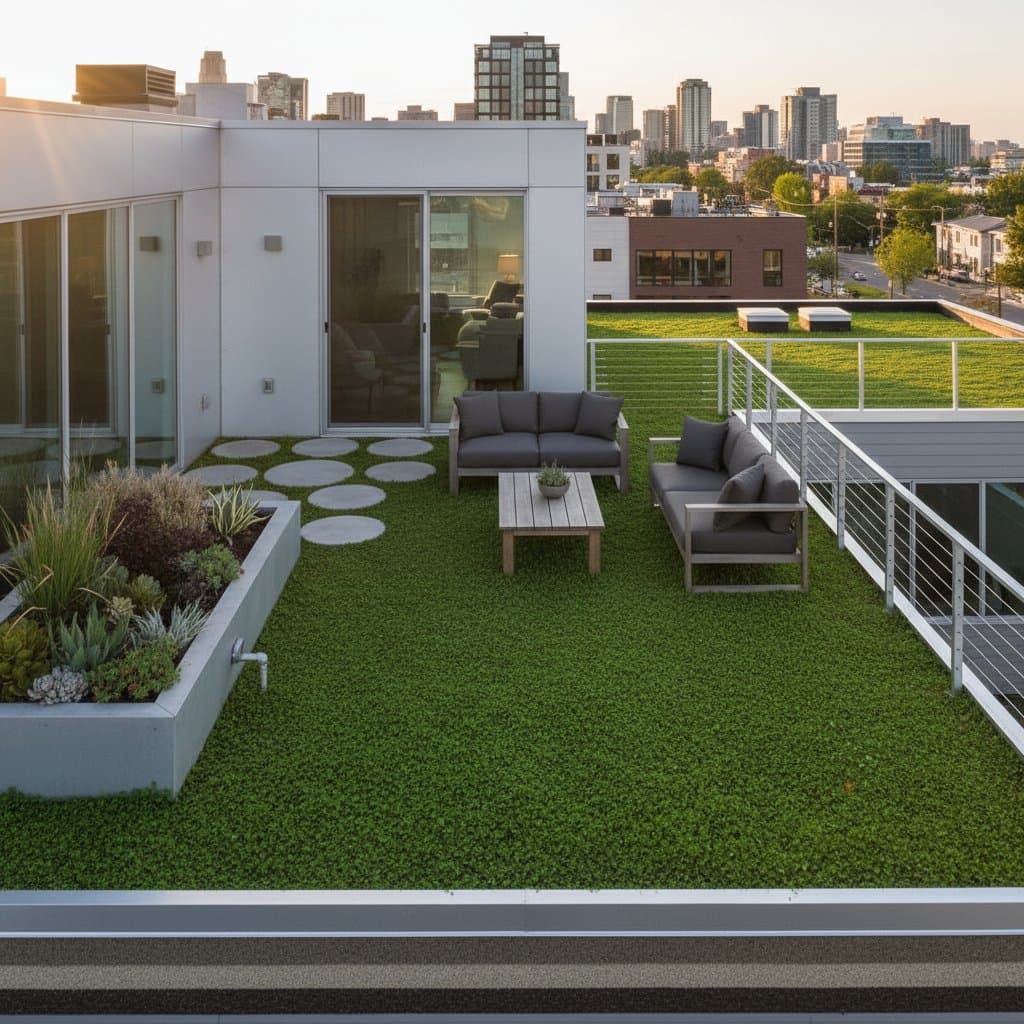
A micro-clover deck constitutes a planted platform that substitutes traditional wood or composite materials with a shallow soil layer supporting live clover. Micro-clover features diminutive leaves and a compact growth pattern compared to conventional clover varieties. It develops into a robust mat capable of enduring moderate foot traffic while naturally enhancing soil fertility through nitrogen fixation. Property owners frequently apply it as a resilient lawn substitute on patios, balconies, or atop pre-existing deck frameworks.

Its attractiveness stems from resilience and ecological benefits. Wood decks typically require annual sealing and board replacements within a decade. In contrast, a micro-clover installation sustains its green appearance amid heat, regenerates from damage, and incurs lower upkeep costs. Furthermore, it captures rainwater instead of repelling it, thereby aiding drainage and mitigating urban runoff.

Tools and Materials

To initiate a living deck project, assemble these items:

  • Planter trays or modular deck tiles equipped with drainage holes, approximately 2 inches (5 cm) in depth
  • Micro-clover seeds, at a rate of about 1 pound (0.45 kg) per 200 square feet (18.5 square meters)
  • Soil blend comprising equal portions of compost, sand, and loam
  • Perforated landscape fabric for lining trays and retaining soil
  • Hand trowel and rake for distribution and smoothing
  • Watering can or hose featuring a soft spray nozzle
  • Slow-release organic fertilizer for periodic nourishment
  • Optional perimeter edging to secure soil boundaries

These components typically range from 3 to 5 dollars per square foot, contingent on tray durability and soil composition. Such pricing frequently equates to half the expense of composite deck installation.

Steps

1. Prepare the Base

Remove debris and ensure the surface levels evenly. When overlaying an existing deck, verify its capacity to bear additional weight. A saturated tray assembly contributes roughly 10 pounds (4.5 kg) per square foot. For structural integrity, consult a contractor to inspect the framework prior to soil addition.

2. Install Tray System

Position the planter trays flush on the prepared surface and interconnect them securely. Insert perforated landscape fabric into each tray. This barrier retains soil while permitting water passage. Verify that trays incline subtly toward the perimeter to facilitate drainage.

3. Add Soil Mix

Introduce the soil blend to fill each tray to three-quarters capacity. Employ the rake to achieve uniformity. Compress lightly to eliminate voids without excessive densification. A friable soil structure promotes clover root expansion.

4. Seed Evenly

Distribute micro-clover seeds uniformly across the surface. Rake gently to bury seeds beneath a scant soil layer of one-eighth inch (3 mm). Irrigate softly to achieve consistent moisture without saturation.

5. Water and Wait

Maintain uniform dampness for the initial two weeks. Refrain from traversing the area until seedlings attain 2 inches (5 cm) in height. Germination occurs rapidly, often within seven days under favorable temperatures.

6. First Trim

Upon reaching 3 to 4 inches (7.5 to 10 cm), shear the foliage using scissors or a string trimmer adjusted to a high setting. This practice fosters dense lateral growth and discourages elongated stems.

7. Maintain and Enjoy

After establishment, irrigate solely during extended dry periods. Apply organic fertilizer sparingly once per season. The surface will preserve its verdancy, deter weeds, and provide a plush sensation barefoot.

Safety Tips

  • Assess weight capacities prior to rooftop or elevated installations, as soil and moisture impose substantial loads on aging structures.
  • Don Gloves when manipulating soil or fertilizer to guard against skin irritation.
  • Incorporate non-slip edging along tray edges to avert stumbles and soil displacement.
  • Steer clear of chemical herbicides proximate to clover, as they may impair roots and disrupt soil ecosystems.

Troubleshooting

Bare patches: These arise from inconsistent irrigation or intense traffic. Overseed affected zones and sustain moisture until regrowth integrates.

Yellowing leaves: Excess moisture retention often triggers this. Aerate with a hand fork and incorporate a thin sand layer to enhance drainage and ventilation.

Weed invasion: Extract intruders manually when soil remains pliable. Clover recovers swiftly post-removal.

Mildew or mold: Promote circulation by pruning excess height and arranging furnishings to admit sunlight.

Micro-clover possesses regenerative qualities, allowing prompt resolution of most concerns through environmental adjustments.

Budget and Time

Anticipate expenditures of 3 to 5 dollars per square foot for seeds, soil, and trays. A 100-square-foot area might total 400 dollars, encompassing all essentials. Completion requires one weekend, with maturation in approximately three weeks.

Ongoing expenses remain modest. No staining or sealing proves necessary, and annual seed replenishment costs under 20 dollars. This contrasts sharply with wood deck preservation, which may exceed 200 dollars yearly in materials.

Maintenance

Micro-clover decks demand limited intervention, yet routine practices optimize appearance.

  • Irrigate weekly during arid conditions.
  • Shear every four to six weeks in peak growth phases.
  • Nourish seasonally with organic granules or compost infusions.
  • Aerate annually via light raking to alleviate soil compression.

Position furniture to avoid concentrated pressure; employ broad pads beneath legs for even load distribution. Address sparsity by sowing additional seeds and hydrating thoroughly.

Smart Storage Moves

Organize tools and reserves in a single waterproof container adjacent to the deck. Essential inclusions comprise:

  • Compact rake
  • Reserve seed envelope
  • Shears or trimmer
  • Fertilizer dispenser
  • Collapsible watering vessel

Affix labels for swift access, facilitating prompt reseeding following intensive use periods. Proximity to supplies bolsters adherence to care routines and enables efficient repairs.

When to Call a Pro

For decks overlying habitable areas or integrated with roofing, engage a structural engineer or certified contractor pre-installation to evaluate load-bearing. Pose these inquiries:

  1. What constitutes the maximum load per square foot?
  2. Does current drainage accommodate potential overflow?
  3. Which waterproofing measures suit the tray undersides?

Experts may install protective membranes or refine gradients to inhibit seepage. Initial professional input safeguards longevity and security.

Your Next Steps

Commence modestly with a 4-by-4-foot micro-clover panel on an existing patio. Observe its response to sunlight, shadow, and activity levels. Monitor irrigation and trimming frequencies. In weeks, insights into site-specific performance emerge.

Should it align with daily routines, scale up the installation and introduce edging for delineation. Integrate pavers or gravel routes to direct pathways and lessen abrasion.

Conventional decks offer elevation; micro-clover versions deliver a dynamic, restorative base. A single weekend of preparation, coupled with monthly brief attentions, exchanges wood hazards and preservatives for serene, tactile outdoor experiences.

You Might Also Like

Living Pergolas Cool Decks Through Natural Shade

Rooftop Benches That Clean Air and Cool Surfaces

Shape Deck Zones to Stay Comfortable All Year

Micro-Drip Systems Cut Balcony Watering by 70 Percent

Micro-Misting Drops Deck Temperature 15 Degrees

Tagged:

deck,living,surface,micro,clover,micro-clover-deck

Recent by Anne Marion

Image for Living Pergolas Cool Decks Through Natural Shade

Living Pergolas Cool Decks Through Natural Shade

Mar 18, 2026
Image for Creating a Balcony Microclimate for Plants Year-Round

Creating a Balcony Microclimate for Plants Year-Round

Mar 18, 2026
Image for Rooftop Benches That Clean Air and Cool Surfaces

Rooftop Benches That Clean Air and Cool Surfaces

Mar 18, 2026
Image for Smart Drip Systems Keep Balcony Plants Thriving

Smart Drip Systems Keep Balcony Plants Thriving

Mar 17, 2026
Image for Micro-Misting Drops Balcony Heat 20° in Seconds

Micro-Misting Drops Balcony Heat 20° in Seconds

Mar 17, 2026

deck

Image for Living Pergolas Cool Decks Through Natural Shade

Living Pergolas Cool Decks Through Natural Shade

Mar 18, 2026
Image for Shape Deck Zones to Stay Comfortable All Year

Shape Deck Zones to Stay Comfortable All Year

Mar 18, 2026
Image for Micro-Misting Drops Deck Temperature 15 Degrees

Deck Construction & Remodeling

Living Pergolas Cool Decks Through Natural Shade

Transform your deck into a shaded, verdant escape using a living pergola. This comprehensive guide details material selection, structural assembly, irrigation setup, and vine choices that flourish. Explore techniques to enhance shade, optimize airflow, and cultivate a sustainable oasis that enhances comfort and beauty with each passing season.

Mar 18, 2026

Shape Deck Zones to Stay Comfortable All Year

Elevate your deck into a versatile outdoor haven by implementing microclimate zones. This approach involves assessing light patterns, wind flow, and thermal areas, then applying targeted elements like portable heaters, shade structures, and strategic plantings to ensure comfort across all seasons.

Mar 18, 2026

Cool Decks Stay 20 Degrees Cooler in Summer Heat

Turn urban decks from hot hazards into cool havens with heat-reflective materials. This guide covers composites, thermally modified woods, and strategies to maintain surfaces up to 20 degrees cooler, plus practical advice on design, budget, and care for year-round enjoyment.

Categories

Deck Construction & Remodeling(223)
Balcony Design(191)
Small-Space Gardens(82)
Rooftop Decks(81)
Backyard Design(21)

Micro-Misting Drops Deck Temperature 15 Degrees

Mar 16, 2026
Image for Mycelium Decks Break Down Instead of Piling Up

Mycelium Decks Break Down Instead of Piling Up

Mar 15, 2026
Image for Creating Deck Zones That Work in Every Season

Creating Deck Zones That Work in Every Season

Mar 15, 2026
Mar 16, 2026

Micro-Misting Drops Deck Temperature 15 Degrees

Combat summer heat by installing a micro-misting system that reduces deck temperatures up to 15°F. This guide covers the cooling process, energy-efficient benefits, and adaptable designs for various outdoor areas. Find detailed installation instructions, troubleshooting advice, and seasonal maintenance to sustain a refreshing backyard environment.

Mar 16, 2026

Mycelium Decks Break Down Instead of Piling Up

Mycelium decks revolutionize urban outdoor areas with panels grown from fungal networks and agricultural byproducts. These lightweight, water-resistant, and fully biodegradable options provide a green alternative to traditional plastic composites. This guide covers installation, upkeep, budgeting, and strategies to maximize their lifespan while minimizing environmental impact.

Mar 15, 2026

Creating Deck Zones That Work in Every Season

Elevate your deck into a seasonal haven by developing microclimates that provide tailored comfort throughout the year. Explore strategies for zoning, shading, heating, and organizing with durable materials, strategic lighting, and efficient storage solutions. Achieve prolonged outdoor use while enhancing energy efficiency, visual appeal, and safety measures.

Mar 15, 2026

Glass Domes Keep Your Deck Open All Year

Elevate your deck into a versatile, all-season haven using glass domes or retractable pergolas. Gain insights into selecting materials, executing installations, and performing upkeep to maintain a bright, comfortable area for winter mornings or summer evenings alike.

Mar 14, 2026

Solar Pavers Store Sunlight and Charge Your Phone

Elevate your outdoor spaces with solar pavers that capture daylight to provide nighttime illumination and device charging capabilities. This comprehensive guide details their functionality, installation requirements, upkeep recommendations, expense considerations, and safety protocols to help you build an efficient, luminous environment that performs reliably throughout the year with little ongoing work.

Mar 14, 2026

Smart Apps Map Microclimates for Ideal Deck Builds

Smart apps uncover microclimate nuances in your yard, from sunlight exposure to wind flow and moisture levels. These tools guide material selection, layout planning, and design choices to create durable, comfortable decks. Transform local data into a strategic plan for your perfect outdoor area.

Mar 13, 2026

Pergola Pods Turn Decks Into Year-Round Retreats

Elevate your deck with a pergola pod, a versatile structure that provides shade, protection, and aesthetic appeal. This guide covers planning, construction, upkeep, and strategies to maximize seasonal use, ensuring comfort in any weather.

Mar 12, 2026

Solar Pergolas Cut Cooling Costs While Powering Your Deck

Elevate your deck with a solar pergola that offers shade and produces clean energy. This comprehensive guide details planning, material choices, installation steps, safety measures, troubleshooting, budgeting, and maintenance. Discover how to build a durable structure that cuts energy expenses and enhances outdoor comfort.

Mar 11, 2026

Micro-Misting Drops Deck Heat 15° Without Puddles

Micro-misting provides an effective solution to transform sweltering decks into comfortable retreats, reducing temperatures by up to 15 degrees through fine water droplets. This guide details the science behind the cooling, lists necessary tools and materials, outlines installation processes, addresses safety considerations, and offers maintenance advice for reliable performance throughout the season.

Mar 11, 2026

Mycelium Decks Grow Strength from Fungal Roots

Mycelium decks leverage fungal networks to create biodegradable, waste-derived outdoor flooring that enhances urban sustainability. This resource provides practical instructions for building resilient panels that integrate nature into city living, including material selection, assembly techniques, and long-term care strategies.

Mar 11, 2026

Micro-Clover Borders Cut Deck Upkeep in Half

Revitalize weary deck borders using resilient micro-clover, a self-sustaining ground cover that thrives with little intervention. This guide details installation, care essentials, and advantages like reduced mowing and enhanced aesthetics for compact urban spaces.

Mar 10, 2026

Set Up Drip Irrigation for Deck Containers

Elevate deck gardening with a micro-drip irrigation system that automates watering for consistent plant health. This guide covers planning, installation, and maintenance to save time, reduce water use, and ensure thriving containers in urban settings.

Mar 8, 2026

Soundproof Your Deck with Layers and Soft Surfaces

Convert a bustling urban deck into a serene haven through effective soundproofing techniques. This guide details sealing gaps, layering soft materials, installing acoustic panels, and integrating natural barriers like plants and curtains to foster a private, relaxing environment that balances style and acoustic control.

Mar 8, 2026

Solar Pergolas Cut Deck Heat While Powering Your Home

Elevate your deck with a solar pergola that offers shade from heat and produces renewable energy. This comprehensive guide details design options, material choices, step-by-step installation, safety measures, and upkeep strategies to boost comfort, cut costs, and promote eco-friendly living in your outdoor area.

Mar 7, 2026

Native Plants Transform Deck Edges Into Pollinator Havens

Convert a plain deck into a bustling pollinator sanctuary using native plant borders. This guide covers design principles, plant selection, planting techniques, and maintenance strategies to attract bees, butterflies, and birds with minimal effort. Explore practical advice, recommended species, and care essentials for a vibrant, eco-friendly outdoor space.

Mar 7, 2026

Acoustic Panels Cut Deck Noise by 30 to 50 Percent

Elevate a bustling deck to a tranquil sanctuary via outdoor acoustic panels. This resource covers selecting resilient materials, orchestrating installations, and upholding acoustic efficacy throughout the year. Acquire actionable guidance, cost-saving advice, and aesthetic concepts to neutralize city clamor, enhance seclusion, and foster relaxed, conducive outdoor interactions.

Mar 6, 2026

Solar Pergolas Blend Shade With Clean Energy Generation

Elevate your deck with a solar pergola that offers shade and generates clean energy. This comprehensive guide details design strategies, material choices, installation processes, safety measures, and ongoing maintenance to achieve a balance of comfort, eco-friendliness, and visual elegance for discerning homeowners eyeing 2026 upgrades.

Mar 6, 2026