Loading...

Extend Growing Season on Balconies with Microclimate Pods | urbanoutdoorsnyc.com | Urban Outdoors - Small-Space Gardens, Rooftop Decks, Balconies, Decks, Backyard Design
Skip to main content
Urban Outdoors
Search
Home
  1. Home
  2. /
  3. Small-Space Gardens
  4. /
  5. Microclimate Pods Extend Growing Season on Balconies
Small-Space Gardens

Microclimate Pods Extend Growing Season on Balconies

byAnne Marion
2026-01-26 04:22:00January 26, 2026
6 min read
Featured image for Microclimate Pods Extend Growing Season on Balconies

Categories

Navigation

  • Home
  • All Articles
  • About Us
  • Privacy Policy
  • Terms of Service

© 2026 Urban Outdoors. Crafted for bold city dwellers.

2026-01-26 04:22:00
Urban Outdoors - Small-Space Gardens, Rooftop Decks, Balconies, Decks, Backyard Design

Introduction to Microclimate Pods

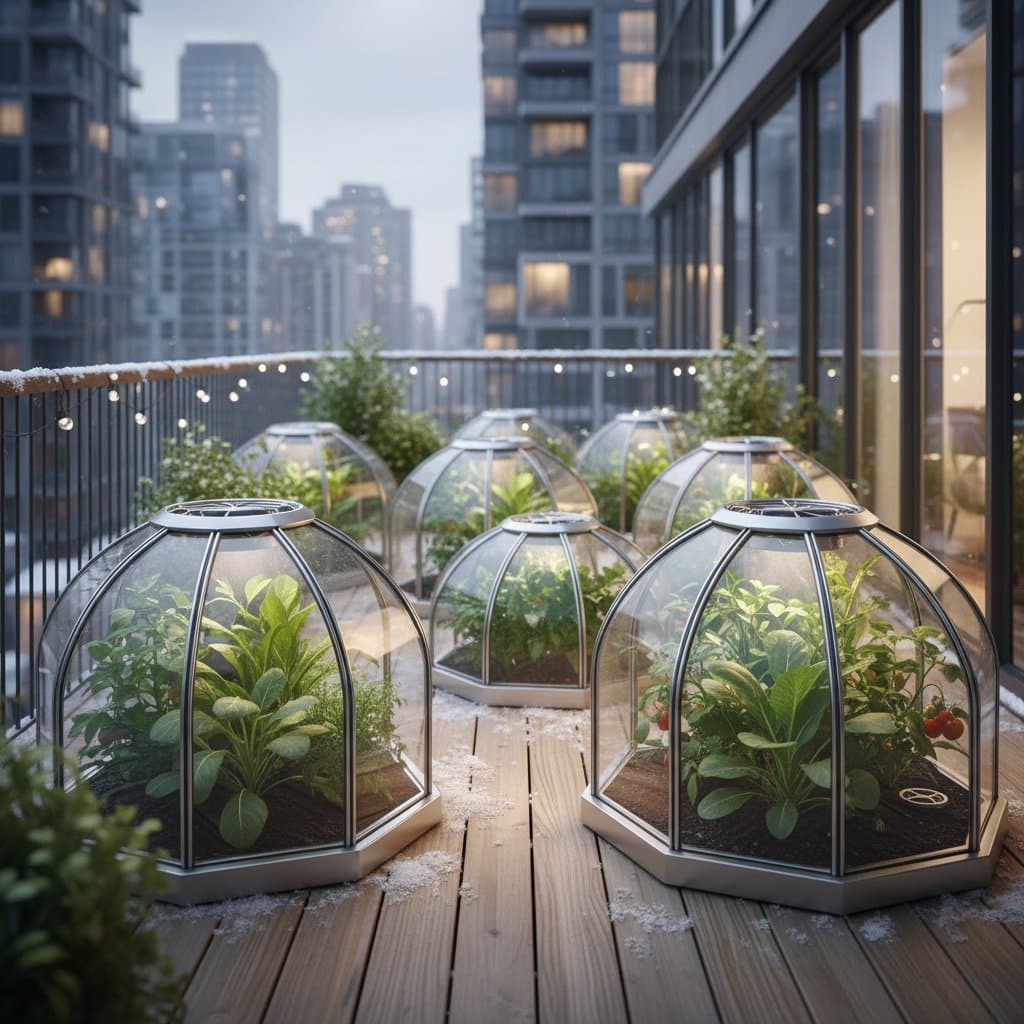
Microclimate pods offer urban gardeners a practical solution for extending the growing season on limited spaces like balconies and rooftops. These compact structures create a controlled environment that shields plants from frost, wind, and excessive rain. By stabilizing temperature and moisture levels, pods enable cultivation of fresh produce even in cooler months.

Ideal for city dwellers, pods require minimal footprint while maximizing output. They suit a range of plants, from leafy greens to compact vegetables. With proper assembly and care, you can enjoy homegrown food year-round, reducing reliance on store-bought options.

Materials and Planning

Before construction, select durable, weather-resistant materials suited to your space. For the frame, use PVC pipes or lightweight aluminum tubing, available at hardware stores. These provide stability without adding excessive weight to balcony railings or surfaces.

For coverings, opt for clear polyethylene sheeting rated for outdoor use or rigid polycarbonate panels. These transmit sunlight effectively while retaining heat. Gather clips, zip ties, and anchors to secure components. Budget for monitoring tools like thermometers and hygrometers to track conditions inside the pod.

Measure your balcony area carefully. A standard pod measures 4 by 6 feet, accommodating several pots. Ensure the design complies with building codes, especially for rooftop installations where wind loads matter.

Step-by-Step Construction Guide

1. Build the frame

Assemble the base frame using PVC connectors and pipes cut to your measured dimensions. Connect vertical supports to form a dome or hoop house shape, which distributes weight evenly. Anchor the base to the balcony floor with brackets or weights to prevent tipping in gusts.

Test the frame for stability by applying gentle pressure. Adjust joints as needed for a firm structure. This foundation supports the covering and withstands urban weather variations.

2. Prepare the site

Clear the balcony surface of debris and ensure level ground. Position the frame in a sunny spot that receives at least six hours of direct light daily. Protect nearby walls or railings with padding to avoid scratches from metal parts.

If attaching to a railing, use non-slip clamps. For rooftops, verify load capacity with your building manager. These preparations prevent accidents and ensure long-term usability.

3. Attach the covering

Stretch the polyethylene sheeting or polycarbonate panels over the frame. Secure edges with clips spaced every 6 inches, or 15 centimeters. Leave one side partially unattached to serve as a door or primary vent.

Inspect seams for tightness to block drafts and leaks. Overlap materials by at least 2 inches where panels meet. This seal maintains the internal microclimate essential for plant health.

4. Install ventilation

Create a small opening near the top for a vent and fit it with a solar-powered fan or adjustable flap. Proper airflow prevents humidity buildup and minimizes mold development. Operate vents for several hours daily, adjusting based on weather.

Position additional lower vents if humidity exceeds 70 percent. Fans draw in fresh air, promoting stronger plant growth and reducing disease risks.

5. Monitor and adjust

Install a thermometer and hygrometer inside the pod. Maintain temperatures between 60 and 80 degrees Fahrenheit, or 15 to 27 degrees Celsius, for most crops. Ventilate or apply shade cloth during heat spikes above 85 degrees.

For cold nights dipping below freezing, incorporate a small electric heater on a thermostat. Regularly log readings to fine-tune conditions, ensuring consistent performance across seasons.

6. Add plants and containers

Position pots with 6 to 12 inches of space between them for adequate airflow. Select lightweight containers with drainage holes to manage water excess. Begin with hardy varieties such as spinach, Swiss chard, and herbs like basil or mint.

Gradually introduce fruiting plants like tomatoes once the system stabilizes. Use quality potting soil enriched with compost. Water deeply but infrequently to encourage root development.

Safety Considerations

Prioritize safety to protect yourself, your plants, and your living space.

  • Ventilate the pod daily to prevent heat buildup and oxygen depletion.
  • Prohibit open flames within the enclosure; rely on electric or solar-powered heating elements.
  • Inspect electrical cords for wear or dampness prior to operation.
  • Limit added weight by avoiding overloaded hanging baskets or heavy lighting fixtures.
  • Fasten all loose edges firmly ahead of high winds or storms.

These practices mitigate risks in compact urban settings.

Common Issues and Solutions

Pods occasionally face challenges, but prompt fixes keep them operational.

Excessive condensation: Increase vent size during daylight and clean surfaces weekly to improve visibility and airflow.

Pest infiltration: Seal seams thoroughly and install fine mesh over vents to deter insects without restricting air.

Fluctuating temperatures: Incorporate thermal mass like filled water jugs or stone slabs to buffer daytime heat and release it overnight.

Stunted growth: Assess light penetration with a meter; wash coverings to eliminate dust or algae obstructions.

Address issues early to sustain productivity.

Cost and Assembly Time

Constructing a basic pod ranges from $120 to $400, varying by scale and material choices. Pre-assembled kits cost up to $600 and simplify the process with included hardware.

Assembly typically requires 4 to 6 hours for standard sizes. Custom builds extend to 8 hours if fabricating parts on-site.

For savings, repurpose recycled PVC and clear plastic from household items. Maintain quality in anchors and vents to uphold safety and efficacy.

Ongoing Maintenance

Consistent upkeep preserves the pod's function and extends its lifespan.

  • Weekly: Clean interior surfaces and verify vent functionality.
  • Monthly: Examine anchors and secure any loose fasteners.
  • Seasonally: Swap out damaged panels or film.
  • Annually: Wash the entire structure with mild soap and water to clear light-blocking residue.

Sanitize tools and pots before replanting to curb pathogens. These routines support a stable environment for successive crops.

Efficient Storage Strategies

Maximize limited balcony space by organizing supplies thoughtfully. Store soil, tools, and fertilizers in sealed, moisture-proof bins nearby.

Employ stackable shelves or wall-mounted racks for pots and trays. Label items by contents and use dates for easy access.

On rooftops, prioritize lightweight options. Keep bulk compost downstairs and transport portions as required to ease handling.

Professional Assistance

Seek expert help for complex problems like structural instability or persistent leaks. Greenhouse specialists can evaluate weight distribution and wind resistance.

Inquire about joint reinforcements or enhanced ventilation. For heating systems, engage a certified electrician to set up protected wiring and outlets.

Harvesting Year-Round Benefits

With a well-maintained microclimate pod, your balcony becomes a reliable source of fresh, nutritious produce. Experiment with crop rotations to diversify yields and enhance soil health.

Track your progress through seasons to refine techniques. This investment in urban gardening yields not only food but also satisfaction in self-sufficiency.

You Might Also Like

Solar Drip Systems Keep Deck Gardens Watered Automatically

Three Square Feet of Balcony That Feeds Urban Bees

AI Cameras That Water Plants and Deter Deck Pests

Map Your Deck's Hot Spots Before You Zone

Plants Cut City Noise With Layers and Smart Placement

Tagged:

garden,dome

Recent by Anne Marion

Image for Solar Drip Systems Keep Deck Gardens Watered Automatically

Solar Drip Systems Keep Deck Gardens Watered Automatically

Feb 2, 2026
Image for Watering 50+ Pots From a Single Faucet

Watering 50+ Pots From a Single Faucet

Feb 2, 2026
Image for Simple Drip Systems That Water While You Work

Simple Drip Systems That Water While You Work

Jan 31, 2026
Image for How Urban Gardens Cut City Noise by 70%

How Urban Gardens Cut City Noise by 70%

Jan 31, 2026
Image for Micro-Pergola Pods Bring Patio Comfort to Tiny Balconies

Micro-Pergola Pods Bring Patio Comfort to Tiny Balconies

Jan 29, 2026

garden

Image for Solar Drip Systems Keep Deck Gardens Watered Automatically

Solar Drip Systems Keep Deck Gardens Watered Automatically

Feb 2, 2026
Image for Three Square Feet of Balcony That Feeds Urban Bees

Three Square Feet of Balcony That Feeds Urban Bees

Jan 25, 2026
Image for AI Cameras That Water Plants and Deter Deck Pests

Small-Space Gardens

Watering 50+ Pots From a Single Faucet

Convert your balcony's potted plants into a low-maintenance green haven using a micro-drip irrigation system. This practical guide details automatic watering for more than 50 pots, eliminating daily tasks while ensuring optimal hydration. Explore essential tools, installation from testing to timing, plus solutions for common issues and upkeep strategies for sustained success.

Feb 2, 2026

Grow 30 Plants in 2 Feet Using Nutrient Mist

Transform a narrow balcony into a productive aeroponic farm by 2026. These soil-free towers support up to 30 plants with efficient nutrient mist, delivering year-round greens while minimizing water use, space demands, and maintenance.

Feb 1, 2026

Simple Drip Systems That Water While You Work

Elevate your urban balcony garden with a simple, app-free micro drip irrigation system. This practical guide covers tools, installation steps, troubleshooting, and maintenance to ensure reliable watering and vibrant plants, even during busy schedules.

Jan 31, 2026

Categories

Deck Construction & Remodeling(158)
Balcony Design(146)
Small-Space Gardens(63)
Rooftop Decks(50)
Backyard Design(18)

AI Cameras That Water Plants and Deter Deck Pests

Jan 21, 2026
Image for Map Your Deck's Hot Spots Before You Zone

Map Your Deck's Hot Spots Before You Zone

Jan 19, 2026
Image for Plants Cut City Noise With Layers and Smart Placement

Plants Cut City Noise With Layers and Smart Placement

Jan 17, 2026

How Urban Gardens Cut City Noise by 70%

Convert your bustling urban garden into a tranquil haven using layered vegetation and sound-dampening materials. This comprehensive guide details how evergreens, grasses, mulch, and permeable surfaces can diminish noise by up to 70 percent, fostering a soothing space that filters out urban clamor while enhancing natural serenity.

Jan 31, 2026

Living Sound Filters for City Apartments

Convert urban clamor into tranquility using acoustic plants as living sound barriers. This guide details optimal plant selection, strategic placement, and upkeep for effective noise reduction in tight city dwellings. Affordable and aesthetically pleasing, these green solutions deliver enduring calm without major alterations.

Jan 30, 2026

Mini Bog Gardens Bring Wetland Habitats to Balconies

Turn a standard balcony into a vibrant mini bog garden that mimics natural wetlands. Assemble a self-sustaining system with layered substrates, precise watering techniques, and native plants to foster biodiversity and create an engaging urban green space.

Jan 28, 2026

Why Shade Apps Unlock Perfect Balcony Gardens

Elevate your balcony garden using shade apps to precisely map sunlight exposure. Gain insights on plant selection for specific light zones, easy scanning techniques, and cost-effective tools. Uncover strategies for seasonal adjustments to cultivate a vibrant, sustainable urban oasis.

Jan 28, 2026

Microclimate Pods Extend Growing Season on Balconies

Turn your balcony or rooftop into a productive garden that defies seasonal limits with microclimate pods. These innovative enclosures maintain optimal warmth, humidity, and airflow. Follow this comprehensive guide for construction, plant selection, safety measures, and ongoing care to harvest greens and herbs throughout the year.

Jan 26, 2026

Three Square Feet of Balcony That Feeds Urban Bees

In the heart of urban living, three square feet of balcony can become a thriving haven for bees. This guide details plant selections, container arrangements, and maintenance practices to attract pollinators throughout the year. With modest investment and simple routines, your compact space contributes to healthier ecosystems and serene outdoor moments.

Jan 25, 2026

Aeroponic Towers Fit Full Veggie Gardens in 4 Feet

Convert a compact balcony into a productive, soil-free vegetable garden using aeroponic towers. This detailed guide covers planning, assembly, and maintenance for a lightweight system that delivers abundant yields while fitting urban constraints like limited space and sunlight.

Jan 24, 2026

Balcony Microclimates That Triple Your Harvest

Transform your balcony garden by identifying and leveraging microclimates—warm pockets, windy perimeters, and shaded retreats—that influence plant success. Map exposure to light, air, and temperature; assign suitable crops to zones; and adapt seasonally for a bountiful, year-round harvest in compact settings.

Jan 23, 2026

Balcony Mushroom Farms That Pay for Themselves

Transform your shaded balcony into a profitable mushroom farm producing gourmet varieties like oyster and shiitake. This guide covers setup, maintenance, harvesting, and sales strategies to generate steady income from urban space with minimal effort.

Jan 21, 2026

Acoustic Walls Cut Neighbor Noise Without Renovating

Achieve tranquility in bustling urban environments through acoustic walls, strategic sealing, and sound-absorbing plants. This guide provides practical installation steps, affordable material recommendations, and maintenance tips to create a serene home without extensive renovations.

Jan 18, 2026

Plants Cut City Noise With Layers and Smart Placement

Convert urban balconies or courtyards into tranquil refuges with sound-absorbing plants. Discover layering techniques featuring bamboo, evergreens, and grasses to diffuse noise, plus essential tips on selection, positioning, care, and affordability for compact green spaces.

Jan 17, 2026

Turn Your Balcony Into a Pollinator Stopover

Convert your balcony into a vibrant pollinator habitat that draws in bees, butterflies, and hummingbirds. Employ native plants, fresh water sources, and basic containers to promote urban biodiversity, improve air quality, and establish a serene green oasis, all achievable for less than seventy dollars with minimal weekly maintenance.

Jan 17, 2026

Dwarf Fruit Trees Turn Tiny Balconies into Orchards

Even the tiniest balcony can become a productive orchard with dwarf fruit trees. Compact options like Meyer lemon and dwarf apple varieties yield full-sized fruit in containers. This guide provides essential steps for setup, ongoing care, and troubleshooting to help city dwellers cultivate fresh produce just steps from their living spaces.

Jan 15, 2026

Turning Nine Square Feet Into a Pollinator Haven

Convert a modest 3x3 balcony into a dynamic micro-meadow that supports bees, butterflies, and birds. This comprehensive guide explains the process of designing, planting, and sustaining a lightweight, low-maintenance native plant habitat that delivers seasonal blooms, tranquility, and environmental benefits to city dwellers.

Jan 15, 2026

AI Garden Cams Catch Plant Problems Before They Spread

AI garden cameras leverage smart sensors and machine learning to track plant health, identify stress indicators promptly, and provide targeted care recommendations. This comprehensive guide covers device selection, installation procedures, data interpretation, and optimization strategies for watering and lighting, enabling urban gardeners to sustain healthy plants with reduced uncertainty and minimal effort.

Jan 14, 2026

Why Wildflower Balconies Supercharge Urban Pollinators

Convert your balcony into a buzzing mini-ecosystem that sustains urban pollinators. Explore native wildflower choices, efficient container arrangements, and simple maintenance routines to build lasting habitats in compact city areas. Gain insights into budget-friendly supplies, time commitments, and year-round strategies for a pollinator paradise.

Jan 12, 2026

AI Sensors Stop Deck Plants From Drying Out

AI sensors revolutionize deck gardening with automated watering based on real-time environmental data. This comprehensive guide covers installation, calibration, troubleshooting, and maintenance to ensure thriving plants, water savings, and minimal effort in compact urban spaces.

Jan 9, 2026