Loading...

Best Plants to Reduce Deck Noise Naturally | urbanoutdoorsnyc.com | Urban Outdoors - Small-Space Gardens, Rooftop Decks, Balconies, Decks, Backyard Design
Skip to main content
Urban Outdoors
Search
Home
  1. Home
  2. /
  3. Small-Space Gardens
  4. /
  5. Plants That Cut Deck Noise Without Building Walls
Small-Space Gardens

Plants That Cut Deck Noise Without Building Walls

byAnne Marion
2025-11-22 04:05:38November 22, 2025
5 min read
Featured image for Plants That Cut Deck Noise Without Building Walls

Categories

Navigation

  • Home
  • All Articles
  • About Us
  • Privacy Policy
  • Terms of Service

© 2026 Urban Outdoors. Crafted for bold city dwellers.

2025-11-23 03:36:18
Urban Outdoors - Small-Space Gardens, Rooftop Decks, Balconies, Decks, Backyard Design

Plants That Silence Deck Noise from Nosy Neighbors

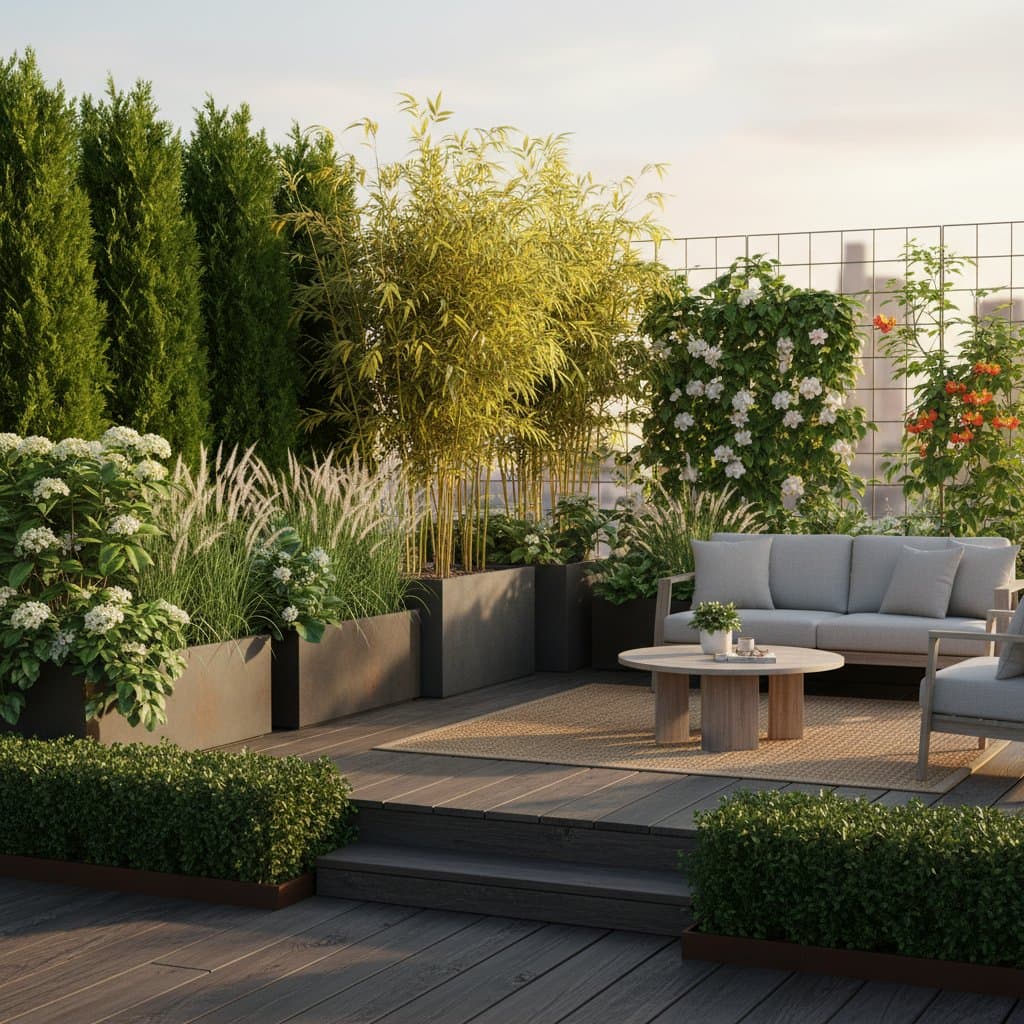
City decks offer spaces for quiet coffee mornings or late evening conversations, yet sounds from traffic or nearby balconies often disrupt the calm. Plants provide an effective solution. A carefully selected wall of greenery absorbs and diffuses noise while providing shade, privacy, and aesthetic appeal.

The objective remains straightforward: employ living screens to soften sound, block sightlines, and establish a private retreat. Select robust plant varieties and position them strategically to achieve deck quietude without constructing physical walls.

Overview

Sound travels through air and reflects off hard surfaces such as concrete and wood. Leaves, soil, and stems disrupt this path by capturing and dispersing noise before it arrives at the ears. Dense plantings reduce sound levels by several decibels, sufficient to diminish voices and street noise to a background murmur.

Large yards prove unnecessary for this approach. Small decks accommodate tall planters or trellises supporting climbing vines. Layer plants of varying heights and textures to create an effective natural barrier.

Best Sound-Reducing Plants for Decks

1. Bamboo

Bamboo establishes one of the quickest living screens. Select clumping varieties like Fargesia to avoid the aggressive spread of running types. Mature stalks grow to 8 to 12 feet, forming a thick hedge that rustles gently in the wind. Plant in large containers with a minimum depth of 18 inches to manage root growth.

Why it works: Overlapping leaves and hollow stems fragment sound waves, while introducing subtle movement and shade.

2. Arborvitae

This evergreen shrub develops upright and dense growth. Position three or four in large planters to build a tall, year-round barrier. Opt for compact cultivars such as Emerald Green, which attain heights of about 10 feet.

Why it works: Tight foliage captures sound and seals gaps through which noise might otherwise penetrate.

3. Climbing Ivy or Honeysuckle

Vines flourish on trellises or wire grids. Once established, they form a thick mat of leaves that mutes both sound and views. English ivy offers a timeless appearance, whereas honeysuckle contributes fragrance.

Why it works: The extensive leaf surface absorbs sound, and flexible stems produce a dense living curtain.

4. Ornamental Grasses

Tall grasses like Miscanthus or Pampas grass sway and rustle, overlaying sharp sounds with a natural hush. Install them in rectangular trough planters positioned behind seating areas.

Why it works: Fine blades disperse high-frequency noise and respond to air currents, integrating unwanted sounds into a soft whisper.

5. Boxwood or Privet

Both species shape into tidy hedges suitable for containers. Maintain clean lines through trimming or permit looser growth for a relaxed aesthetic. Boxwood grows more slowly but shapes easily, while privet fills spaces more rapidly.

Why it works: Dense branching and small leaves capture mid-range noise, such as conversations or music.

Smart Plant Placement

  • Position the tallest plants along the deck perimeter nearest the noise source.
  • Layer heights by placing shorter shrubs or grasses in front of taller screens to seal sound gaps.
  • Cluster three or more containers together, as groups block more sound than a single large pot.
  • Incorporate trellises or lattices to support vines and enhance the barrier's strength.
  • Maintain small air pockets of a few inches between containers to promote airflow and plant vitality.

Sound reduction strengthens as plants mature. Initiate with mid-sized specimens around 3 feet tall to observe improvements after one growing season.

Maintenance and Care

Sustain the health of the green wall to preserve its sound-blocking efficacy.

  • Water consistently, as container plants on decks dry quickly. Continue until moisture appears at the drainage holes.
  • Apply slow-release fertilizer once in spring. Excess feeding leads to fragile growth.
  • Prune outer stems every few months to promote denser foliage.
  • Inspect for pests like aphids and mites, which thin leaves and diminish coverage. Treat with mild soap solutions if necessary.
  • Rotate containers a quarter turn monthly to ensure even sunlight exposure and balanced development.

Vibrant leaves absorb greater amounts of sound and appear fuller, rendering the screen both effective and visually appealing.

Troubleshooting Common Issues

Noise still penetrates. Address visible gaps with additional pots or hanging planters. Small openings permit sound to escape.

Plants appear sparse. Certain species require increased sunlight. Relocate planters to brighter locations or introduce reflective surfaces to amplify light.

Roots exceed container capacity. Repot into larger vessels every two years. Restricted roots hinder growth and compromise the barrier.

Wind causes damage. Secure tall planters with weights or brackets. Wind strain may snap stems and reduce coverage.

Allergy considerations. Select low-pollen options such as ferns or boxwood for those affected by seasonal allergies.

Budget and Time Considerations

Assemble a sound-reducing plant screen incrementally. For a modest deck, anticipate expenditures of:

  • $150 to $300 for six to eight mid-sized container plants
  • $100 for planters and trellises
  • $25 for soil and fertilizer

Complete the setup over a weekend by arranging containers, adding soil, and planting selected species. Although growth requires time, quieter acoustics emerge within months as foliage expands.

Steps to Establish Your Deck Sanctuary

Begin by evaluating your deck's noise sources and available space. Choose plants suited to your climate and light conditions, then procure quality containers and soil. Install the arrangement with attention to layering and support structures. Monitor growth and adjust as needed to refine the barrier. Over time, this living installation transforms urban clamor into serene outdoor harmony.

You Might Also Like

Solar Drip Systems Keep Deck Gardens Watered Automatically

Cut Deck Noise with Acoustic Privacy Screens

Stop Balcony Noise With Layers That Block and Absorb Sound

How Urban Gardens Cut City Noise by 70%

Living Sound Filters for City Apartments

Tagged:

garden,Privacy,plants,noise,reduction,soundproof,soundproof-plants,noise-reduction-garden,screening,privacy-screening

Recent by Anne Marion

Image for Solar Drip Systems Keep Deck Gardens Watered Automatically

Solar Drip Systems Keep Deck Gardens Watered Automatically

Feb 2, 2026
Image for Watering 50+ Pots From a Single Faucet

Watering 50+ Pots From a Single Faucet

Feb 2, 2026
Image for Simple Drip Systems That Water While You Work

Simple Drip Systems That Water While You Work

Jan 31, 2026
Image for How Urban Gardens Cut City Noise by 70%

How Urban Gardens Cut City Noise by 70%

Jan 31, 2026
Image for Micro-Pergola Pods Bring Patio Comfort to Tiny Balconies

Micro-Pergola Pods Bring Patio Comfort to Tiny Balconies

Jan 29, 2026

garden

Image for Solar Drip Systems Keep Deck Gardens Watered Automatically

Solar Drip Systems Keep Deck Gardens Watered Automatically

Feb 2, 2026
Image for Microclimate Pods Extend Growing Season on Balconies

Microclimate Pods Extend Growing Season on Balconies

Jan 26, 2026
Image for Three Square Feet of Balcony That Feeds Urban Bees

Small-Space Gardens

Watering 50+ Pots From a Single Faucet

Convert your balcony's potted plants into a low-maintenance green haven using a micro-drip irrigation system. This practical guide details automatic watering for more than 50 pots, eliminating daily tasks while ensuring optimal hydration. Explore essential tools, installation from testing to timing, plus solutions for common issues and upkeep strategies for sustained success.

Feb 2, 2026

Grow 30 Plants in 2 Feet Using Nutrient Mist

Transform a narrow balcony into a productive aeroponic farm by 2026. These soil-free towers support up to 30 plants with efficient nutrient mist, delivering year-round greens while minimizing water use, space demands, and maintenance.

Feb 1, 2026

Simple Drip Systems That Water While You Work

Elevate your urban balcony garden with a simple, app-free micro drip irrigation system. This practical guide covers tools, installation steps, troubleshooting, and maintenance to ensure reliable watering and vibrant plants, even during busy schedules.

Jan 31, 2026

Categories

Deck Construction & Remodeling(158)
Balcony Design(146)
Small-Space Gardens(63)
Rooftop Decks(50)
Backyard Design(18)

Three Square Feet of Balcony That Feeds Urban Bees

Jan 25, 2026
Image for AI Cameras That Water Plants and Deter Deck Pests

AI Cameras That Water Plants and Deter Deck Pests

Jan 21, 2026
Image for Map Your Deck's Hot Spots Before You Zone

Map Your Deck's Hot Spots Before You Zone

Jan 19, 2026

How Urban Gardens Cut City Noise by 70%

Convert your bustling urban garden into a tranquil haven using layered vegetation and sound-dampening materials. This comprehensive guide details how evergreens, grasses, mulch, and permeable surfaces can diminish noise by up to 70 percent, fostering a soothing space that filters out urban clamor while enhancing natural serenity.

Jan 31, 2026

Living Sound Filters for City Apartments

Convert urban clamor into tranquility using acoustic plants as living sound barriers. This guide details optimal plant selection, strategic placement, and upkeep for effective noise reduction in tight city dwellings. Affordable and aesthetically pleasing, these green solutions deliver enduring calm without major alterations.

Jan 30, 2026

Mini Bog Gardens Bring Wetland Habitats to Balconies

Turn a standard balcony into a vibrant mini bog garden that mimics natural wetlands. Assemble a self-sustaining system with layered substrates, precise watering techniques, and native plants to foster biodiversity and create an engaging urban green space.

Jan 28, 2026

Why Shade Apps Unlock Perfect Balcony Gardens

Elevate your balcony garden using shade apps to precisely map sunlight exposure. Gain insights on plant selection for specific light zones, easy scanning techniques, and cost-effective tools. Uncover strategies for seasonal adjustments to cultivate a vibrant, sustainable urban oasis.

Jan 28, 2026

Microclimate Pods Extend Growing Season on Balconies

Turn your balcony or rooftop into a productive garden that defies seasonal limits with microclimate pods. These innovative enclosures maintain optimal warmth, humidity, and airflow. Follow this comprehensive guide for construction, plant selection, safety measures, and ongoing care to harvest greens and herbs throughout the year.

Jan 26, 2026

Three Square Feet of Balcony That Feeds Urban Bees

In the heart of urban living, three square feet of balcony can become a thriving haven for bees. This guide details plant selections, container arrangements, and maintenance practices to attract pollinators throughout the year. With modest investment and simple routines, your compact space contributes to healthier ecosystems and serene outdoor moments.

Jan 25, 2026

Aeroponic Towers Fit Full Veggie Gardens in 4 Feet

Convert a compact balcony into a productive, soil-free vegetable garden using aeroponic towers. This detailed guide covers planning, assembly, and maintenance for a lightweight system that delivers abundant yields while fitting urban constraints like limited space and sunlight.

Jan 24, 2026

Balcony Microclimates That Triple Your Harvest

Transform your balcony garden by identifying and leveraging microclimates—warm pockets, windy perimeters, and shaded retreats—that influence plant success. Map exposure to light, air, and temperature; assign suitable crops to zones; and adapt seasonally for a bountiful, year-round harvest in compact settings.

Jan 23, 2026

Balcony Mushroom Farms That Pay for Themselves

Transform your shaded balcony into a profitable mushroom farm producing gourmet varieties like oyster and shiitake. This guide covers setup, maintenance, harvesting, and sales strategies to generate steady income from urban space with minimal effort.

Jan 21, 2026

Acoustic Walls Cut Neighbor Noise Without Renovating

Achieve tranquility in bustling urban environments through acoustic walls, strategic sealing, and sound-absorbing plants. This guide provides practical installation steps, affordable material recommendations, and maintenance tips to create a serene home without extensive renovations.

Jan 18, 2026

Plants Cut City Noise With Layers and Smart Placement

Convert urban balconies or courtyards into tranquil refuges with sound-absorbing plants. Discover layering techniques featuring bamboo, evergreens, and grasses to diffuse noise, plus essential tips on selection, positioning, care, and affordability for compact green spaces.

Jan 17, 2026

Turn Your Balcony Into a Pollinator Stopover

Convert your balcony into a vibrant pollinator habitat that draws in bees, butterflies, and hummingbirds. Employ native plants, fresh water sources, and basic containers to promote urban biodiversity, improve air quality, and establish a serene green oasis, all achievable for less than seventy dollars with minimal weekly maintenance.

Jan 17, 2026

Dwarf Fruit Trees Turn Tiny Balconies into Orchards

Even the tiniest balcony can become a productive orchard with dwarf fruit trees. Compact options like Meyer lemon and dwarf apple varieties yield full-sized fruit in containers. This guide provides essential steps for setup, ongoing care, and troubleshooting to help city dwellers cultivate fresh produce just steps from their living spaces.

Jan 15, 2026

Turning Nine Square Feet Into a Pollinator Haven

Convert a modest 3x3 balcony into a dynamic micro-meadow that supports bees, butterflies, and birds. This comprehensive guide explains the process of designing, planting, and sustaining a lightweight, low-maintenance native plant habitat that delivers seasonal blooms, tranquility, and environmental benefits to city dwellers.

Jan 15, 2026

AI Garden Cams Catch Plant Problems Before They Spread

AI garden cameras leverage smart sensors and machine learning to track plant health, identify stress indicators promptly, and provide targeted care recommendations. This comprehensive guide covers device selection, installation procedures, data interpretation, and optimization strategies for watering and lighting, enabling urban gardeners to sustain healthy plants with reduced uncertainty and minimal effort.

Jan 14, 2026

Why Wildflower Balconies Supercharge Urban Pollinators

Convert your balcony into a buzzing mini-ecosystem that sustains urban pollinators. Explore native wildflower choices, efficient container arrangements, and simple maintenance routines to build lasting habitats in compact city areas. Gain insights into budget-friendly supplies, time commitments, and year-round strategies for a pollinator paradise.

Jan 12, 2026

AI Sensors Stop Deck Plants From Drying Out

AI sensors revolutionize deck gardening with automated watering based on real-time environmental data. This comprehensive guide covers installation, calibration, troubleshooting, and maintenance to ensure thriving plants, water savings, and minimal effort in compact urban spaces.

Jan 9, 2026