Loading...

Solar Pergolas: Transform Your Deck into a Solar Power Station | urbanoutdoorsnyc.com | Urban Outdoors - Small-Space Gardens, Rooftop Decks, Balconies, Decks, Backyard Design
Skip to main content
Urban Outdoors
Search
Home
  1. Home
  2. /
  3. Deck Construction & Remodeling
  4. /
  5. Solar Pergolas Turn Your Deck Into a Power Plant
Deck Construction & Remodeling

Solar Pergolas Turn Your Deck Into a Power Plant

byAnne Marion
2026-01-18 04:51:17January 18, 2026
7 min read
Featured image for Solar Pergolas Turn Your Deck Into a Power Plant

Categories

Navigation

  • Home
  • All Articles
  • About Us
  • Privacy Policy
  • Terms of Service

© 2026 Urban Outdoors. Crafted for bold city dwellers.

2026-01-18 04:51:17
Urban Outdoors - Small-Space Gardens, Rooftop Decks, Balconies, Decks, Backyard Design

Introduction to Solar Pergolas

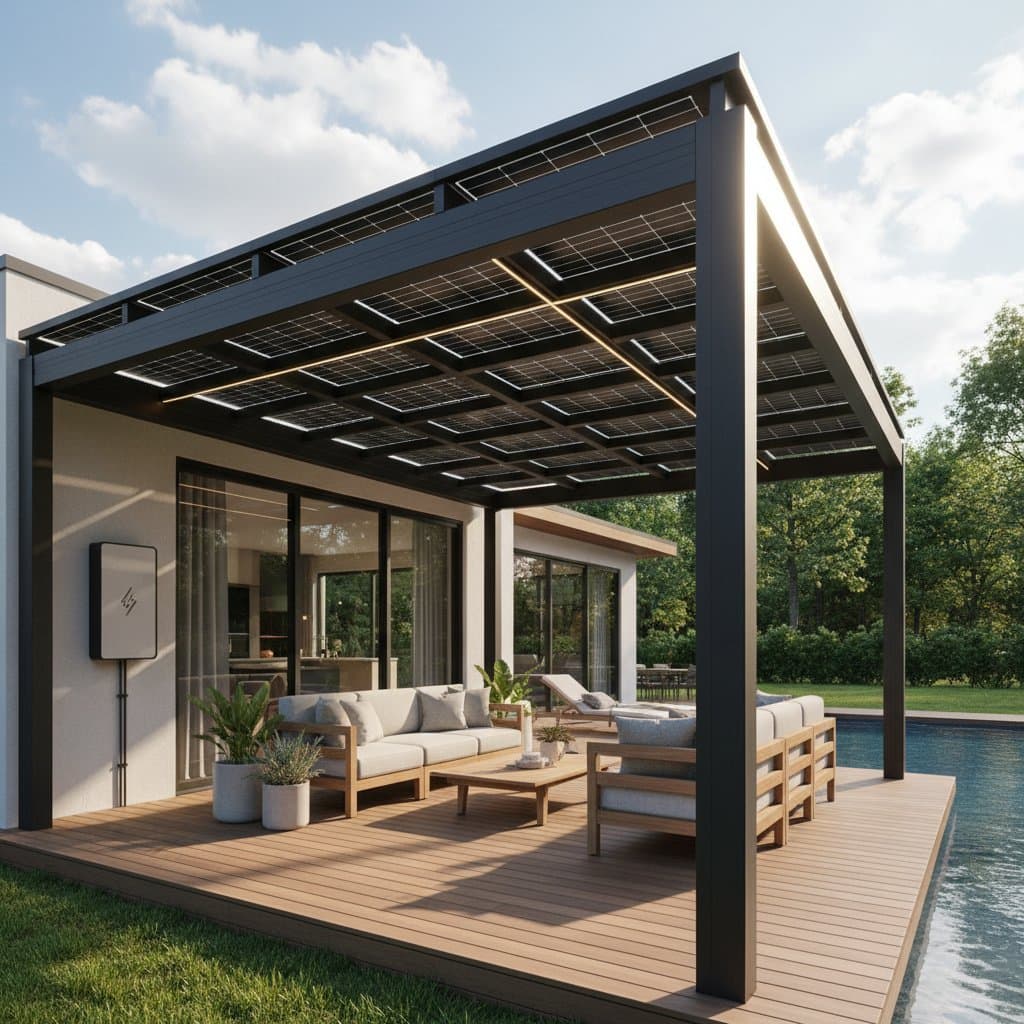
A solar pergola represents an innovative blend of outdoor architecture and renewable energy technology. This structure consists of an open-roofed framework that supports photovoltaic panels, allowing sunlight to generate electricity while providing partial shade below. Homeowners increasingly choose solar pergolas to extend usable outdoor space on decks, patios, or gardens without relying solely on traditional roofing.

The benefits extend beyond energy savings. Such installations reduce reliance on grid power, lower utility bills, and contribute to environmental sustainability by producing clean electricity. Additionally, a well-designed solar pergola enhances curb appeal and increases property value, often by 5 to 10 percent according to industry estimates. For urban dwellers in areas like New York City, where space is premium, this solution maximizes deck functionality year-round.

Before embarking on this project, assess your deck's location and sunlight exposure. South-facing orientations in the Northern Hemisphere capture the most solar energy, ideally yielding 4 to 6 hours of peak sunlight daily. Consider local building codes, as permits may require structural engineering reviews for wind and snow loads.

Benefits and Planning Considerations

Solar pergolas offer multifaceted advantages for modern lifestyles. They create inviting shaded areas for relaxation, dining, or entertaining, while the integrated panels silently produce power for nearby appliances, lighting, or even charging stations. In hot climates, the shade reduces deck temperatures by up to 15 degrees Fahrenheit, improving comfort during summer months.

Planning begins with evaluating energy needs. Determine if the pergola will offset lighting, fans, or small electronics on the deck. A typical 10-by-10-foot structure with six 300-watt panels can generate 1,800 watts per hour in optimal conditions, enough to power LED lights and a mini-fridge annually. Factor in upfront costs, which range from $5,000 to $15,000 depending on size, materials, and installation type.

Consult local incentives, such as federal tax credits that cover 26 percent of installation costs through 2032. Engage a solar professional early to perform a site audit, ensuring the design aligns with your home's electrical system and aesthetic preferences. Sketch initial concepts, incorporating elements like climbing vines on lattice sides for added privacy and natural cooling.

Selecting Materials and Design

Choose durable materials to withstand weather exposure. Pressure-treated lumber or cedar provides a sturdy frame resistant to rot and insects, while aluminum offers low-maintenance corrosion resistance at a higher cost. For the roof, select monocrystalline solar panels for their high efficiency, converting up to 22 percent of sunlight into electricity compared to polycrystalline options at 15 to 18 percent.

Design the pergola to fit your deck seamlessly. Standard dimensions include 8-to-12-foot posts spaced 8 to 10 feet apart, with crossbeams supporting panels at a 10-to-30-degree tilt for optimal energy capture. Incorporate features like built-in benches or retractable shades for versatility. Use CAD software or graph paper to visualize panel placement, ensuring even weight distribution to prevent sagging.

Budget for essential components: panels ($200 to $400 each), inverter ($500 to $1,500 for grid-tie models), mounting hardware ($300 to $600), and wiring ($100 to $300). Opt for UL-listed parts to ensure safety and compatibility. If DIY appeals, source materials from home improvement stores; otherwise, custom fabrication by a contractor ensures precision.

Step-by-Step Construction Guide

1. Prepare the Foundation

Mark the pergola footprint on your deck using stakes and string, maintaining at least 2 feet of clearance from house walls for ventilation. Dig post holes 24 to 36 inches deep, depending on frost line in your region, and pour concrete footings reinforced with rebar. Allow 48 hours for curing before installing post anchors.

Secure 4-by-4-inch posts into anchors with galvanized bolts, ensuring they remain plumb using a level. Brace posts temporarily with 2-by-4 lumber until the frame stabilizes. This foundation supports the structure's weight, estimated at 500 to 1,000 pounds including panels.

2. Assemble the Frame

Attach horizontal beams to post tops with lag screws, creating a grid of rafters spaced 16 to 24 inches apart. Use joist hangers for secure connections that resist twisting. For added strength, incorporate diagonal bracing on corners to handle wind gusts up to 90 miles per hour.

Sand and seal wooden elements with weatherproof stain to extend lifespan beyond 20 years. If using aluminum, follow manufacturer guidelines for extrusion assembly, often involving lock bolts and weather stripping. Test the frame's stability by applying lateral pressure before proceeding.

3. Install Solar Panels

Mount panels onto rafters using racking systems designed for pergolas, securing with stainless steel clamps. Position panels in rows, wired in series for higher voltage output. Ensure gaps between panels allow for thermal expansion and airflow to prevent overheating, which can reduce efficiency by 10 percent.

Connect panels to a junction box with MC4 connectors, sealing all penetrations with silicone caulk. Ground the frame to your home's electrical system using 6-gauge wire to mitigate shock risks. Professional oversight at this stage ensures compliance with National Electrical Code standards.

4. Integrate Shading and Aesthetics

Add partial roofing elements, such as slatted louvers or fabric sails, beneath panels for adjustable shade. These features block 50 to 70 percent of direct sun while permitting diffused light. Incorporate LED string lights wired to the solar output for evening ambiance without additional energy draw.

Enhance visual appeal with paint or stain matching your home's exterior. Plant shade-tolerant greenery around the base to soften edges and improve biodiversity. Final touches like built-in planters create a cohesive outdoor oasis.

5. Connect Power

Run wiring from panels through UV-resistant conduit to the inverter, mounted in a shaded, accessible location. If powering deck outlets or lights, route cables to a dedicated subpanel or tie into an existing circuit with appropriate breakers. A certified electrician must inspect all connections to comply with local codes and eliminate fire hazards.

Choose a microinverter for each panel to optimize output in partial shade, or a central string inverter for simpler setups. Test the system under load to verify voltage stability, typically 120 volts AC for household use. Document all wiring diagrams for future reference.

Troubleshooting Common Issues

Low Output:
Verify no shading occurs during peak hours from trees or buildings. Clean panels using a hose and soft-bristle brush; accumulated dirt and bird droppings can reduce efficiency by 20 percent or more. Inspect tilt angles annually to maintain optimal positioning.

Loose Panels:
Examine mounting brackets biannually, as wind vibrations may loosen screws over time. Retighten with torque wrenches to manufacturer specifications, and replace any corroded hardware immediately to prevent detachment.

Inconsistent Power:
Consult the inverter's display for error codes indicating faults like ground issues or overloads. Perform a reset by disconnecting power for 5 minutes, then monitor performance. If problems persist, contact the installer for diagnostic testing.

Water Intrusion:
Apply silicone sealant around bolt holes and panel edges after installation. Install metal flashing along the pergola's connection to the house to direct rainwater away, avoiding interior leaks during heavy rains.

Ongoing Maintenance Practices

Regular upkeep ensures longevity and peak performance. Rinse solar panels twice yearly with plain water to clear dust, pollen, and debris that hinder energy capture. For wooden frames, apply a fresh coat of sealant every two to three years to protect against moisture and UV damage.

Inspect electrical components quarterly for signs of wear, such as frayed wires or rust on connections. After severe weather events like storms or high winds, check for displaced panels, loose bolts, or framework stress. Address minor issues promptly to avert costly structural failures.

Schedule annual professional inspections to validate system integrity and efficiency. Track energy production via the inverter app or meter to identify trends and optimize usage. With diligent care, a solar pergola delivers reliable power and shade for decades.

Taking Action: Start Your Project

Begin by observing your deck's sunlight patterns over a full day to identify the best panel orientation. Draft a detailed sketch incorporating measurements for posts, beams, and solar array placement, then procure materials accordingly.

Obtain estimates from at least two licensed electricians to cover installation, permitting, and code compliance. Consider starting small with a basic frame and two to four panels, scaling up as you assess performance and enjoyment.

Investing in a solar pergola yields immediate and lasting rewards. It transforms a simple deck into a versatile, energy-efficient retreat that harmonizes with sustainable living principles.

You Might Also Like

Solar Drip Systems Keep Deck Gardens Watered Automatically

Solar Pavers Convert Steps and Sunlight Into Power

Glass Deck Floors That Skylight the Space Below

Mycelium Boards Replace Wood in Sustainable Decking

Cut Deck Noise with Acoustic Privacy Screens

Tagged:

energy,deck,solar,panels,pergola,solar-pergola,bifacial,generating,energy-generating-deck,bifacial-solar-panels

Recent by Anne Marion

Image for Solar Drip Systems Keep Deck Gardens Watered Automatically

Solar Drip Systems Keep Deck Gardens Watered Automatically

Feb 2, 2026
Image for Watering 50+ Pots From a Single Faucet

Watering 50+ Pots From a Single Faucet

Feb 2, 2026
Image for Simple Drip Systems That Water While You Work

Simple Drip Systems That Water While You Work

Jan 31, 2026
Image for How Urban Gardens Cut City Noise by 70%

How Urban Gardens Cut City Noise by 70%

Jan 31, 2026
Image for Micro-Pergola Pods Bring Patio Comfort to Tiny Balconies

Micro-Pergola Pods Bring Patio Comfort to Tiny Balconies

Jan 29, 2026

energy

Image for Solar Pavers Convert Steps and Sunlight Into Power

Solar Pavers Convert Steps and Sunlight Into Power

Feb 2, 2026
Image for Solar Pergolas Turn Small Patios Into Power Sources

Solar Pergolas Turn Small Patios Into Power Sources

Feb 1, 2026
Image for Micro Wind Turbines Turn Balcony Breezes Into Power

Deck Construction & Remodeling

Solar Drip Systems Keep Deck Gardens Watered Automatically

Elevate your deck gardening with solar-powered drip irrigation for precise, hands-free watering. This guide covers final setup steps, safety measures, common fixes, cost breakdowns, and year-round care to foster healthy plants with minimal intervention.

Feb 2, 2026

Solar Pavers Convert Steps and Sunlight Into Power

Elevate your outdoor paths with solar pavers that generate electricity from sunlight and movement. This comprehensive resource outlines functionality, step-by-step setup, budgeting, troubleshooting, and ways to apply the power for lighting or devices—all while promoting green living.

Feb 2, 2026

Glass Deck Floors That Skylight the Space Below

Elevate your deck design with glass floor panels that function as skylights, flooding lower areas with natural light while delivering a sleek, contemporary look. This resource provides in-depth coverage of benefits, essential materials, step-by-step installation, safety protocols, maintenance routines, and guidance on when to hire experts—all to optimize your outdoor environment for light, style, and longevity.

Categories

Deck Construction & Remodeling(158)
Balcony Design(146)
Small-Space Gardens(63)
Rooftop Decks(50)
Backyard Design(18)

Micro Wind Turbines Turn Balcony Breezes Into Power

Jan 30, 2026
Image for Turn Your Deck into a Clean Energy Generator

Turn Your Deck into a Clean Energy Generator

Jan 29, 2026
Image for Solar Pavers Turn Sunlight Into Outdoor Power

Solar Pavers Turn Sunlight Into Outdoor Power

Jan 28, 2026
Feb 2, 2026

Mycelium Boards Replace Wood in Sustainable Decking

Mycelium decking redefines sustainable outdoor design with boards cultivated from fungal roots and agricultural waste. These lightweight, compostable planks match wood's strength while minimizing environmental impact. This guide covers planning, installation, and care for a resilient, green yard addition.

Feb 1, 2026

Cut Deck Noise with Acoustic Privacy Screens

Turn urban deck noise into peaceful quiet with acoustic privacy screens. Explore sound-blocking options, step-by-step installation, upkeep advice, and cost-effective choices for a more enjoyable outdoor space throughout the year.

Feb 1, 2026

Deck Benches That Turn Scraps Into Garden Soil

Convert your deck into an eco-friendly oasis with a composting bench that serves as both comfortable seating and efficient soil producer. This comprehensive guide details construction steps, material needs, troubleshooting, and seasonal care to minimize waste and maximize garden yields.

Jan 31, 2026

Permeable Pavers Stop Flooding and Raise Property Value

Permeable pavers convert waterlogged areas into resilient, environmentally friendly surfaces. Water infiltrates through paver joints and stone bases, minimizing runoff, safeguarding structures, and elevating aesthetic appeal. This comprehensive guide details installation processes, upkeep routines, and financial considerations to demonstrate how these pavers promote sustainability, property enhancement, and enduring outdoor usability.

Jan 29, 2026

Turn Your Deck into a Clean Energy Generator

Elevate your deck into a sustainable solar energy source with integrated pavers that merge aesthetics and efficiency. This guide covers sunlight evaluation, circuit planning, durable tile installation, performance upkeep, expense details, safety protocols, and professional consultation needs to create a self-powered outdoor retreat.

Jan 29, 2026

Solar Pavers Turn Sunlight Into Outdoor Power

Elevate your outdoor areas with solar pavers, robust tiles that capture sunlight to generate power for lighting, charging stations, and appliances. This guide covers their functionality, required materials, and detailed installation instructions to build an efficient, wire-free environment that blends practicality with aesthetic appeal.

Jan 28, 2026

Mycelium Decks Replace Wood With Living Fungi Material

Mycelium, the intricate root system of fungi, emerges as a groundbreaking material for decking. This renewable and biodegradable option provides the durability of wood with a fraction of the environmental impact. Readers will gain insights into installation, maintenance, and benefits to create an outdoor haven that aligns with sustainable living principles.

Jan 27, 2026

Deck Pods Turn Open Decks into Year-Round Rooms

Convert your deck into a protected, inviting extension of your home using modular deck pods. This comprehensive guide covers planning, assembly, and upkeep for these adaptable structures, including required tools, safety protocols, and enhancements to achieve a durable, stylish outdoor space that provides year-round utility.

Jan 26, 2026

Solar Shade Sails Generate Power While Cooling Your Deck

Elevate your deck with solar shade sails that offer respite from the sun while harnessing solar power for everyday use. These versatile structures blend comfort with eco-friendly energy generation. Explore practical steps for installation, upkeep, and optimization to create an inviting, self-sustaining outdoor haven.

Jan 26, 2026

Cool Your Deck 15° with Solar Shade Sails

Counter summer deck heat with solar shade sails capable of reducing temperatures by up to 15 degrees. These tensioned fabric panels effectively block UV rays, improve airflow, and install in just one day. Gain insights into required tools, essential safety measures, and maintenance strategies for extended outdoor enjoyment.

Jan 25, 2026

Why Permeable Decks Stay 20 Degrees Cooler

Permeable decks address intense summer heat by facilitating airflow and water passage, which dissipates trapped warmth and maintains surfaces up to 20 degrees cooler. Incorporating light-colored materials, strategic gaps, and evaporative cooling, these decks foster inviting, sustainable outdoor areas that require low maintenance and provide enduring relief from hot surfaces.

Jan 25, 2026

Solar Pergolas Cut City Heat While Powering Your Deck

Elevate your compact urban deck with a solar pergola that delivers shade, produces renewable energy, and enhances sustainability. This comprehensive guide includes planning strategies, material choices, step-by-step installation, safety protocols, and upkeep tips to achieve a cooler, cost-effective outdoor area while increasing home value on a practical budget.

Jan 24, 2026

Fungal Fibers That Replace Wood Decks and Compost Clean

Mycelium decks redefine urban outdoor spaces through sustainable, compostable panels derived from fungal networks. These lightweight, durable alternatives to wood or plastic utilize agricultural waste. Follow this guide to cultivate, process, install, and maintain them for environmentally conscious urban design.

Jan 24, 2026

Misting Systems Drop Deck Temps 20° Fast

Misting systems transform hot decks into inviting spaces by reducing temperatures up to 20 degrees. This guide details planning, installation, maintenance, and optimization strategies for safe, effective cooling throughout the season.

Jan 22, 2026

UV Shade Sails Drop Deck Temps 20 Degrees

Combat summer heat and safeguard your deck using UV shade sails. This comprehensive guide details selection, installation, and upkeep strategies that reduce surface temperatures, avert color fading, and prolong deck longevity. Explore required tools, safety measures, common issues, and professional insights to create a fashionable, protected outdoor haven.

Jan 22, 2026

Shade Sails That Follow the Sun All Day Long

Automatic sun-tracking shade sails adjust their position to follow the sun, providing consistent shade and comfort on decks and patios. This comprehensive guide explains the technology, step-by-step installation, essential safety measures, ongoing maintenance, associated costs, and strategies to maximize durability and efficiency in your outdoor environment.

Jan 21, 2026

AI Cameras That Water Plants and Deter Deck Pests

Elevate your urban deck into an automated oasis with AI cameras that identify pests, optimize irrigation, and reduce upkeep. These intelligent systems leverage computer vision to safeguard plants, promote efficient water use, and deliver seamless outdoor enjoyment via straightforward installation and reliable performance.

Jan 21, 2026