Loading...

Solar Shade Canopies: Cut Bills, Cool Decks | urbanoutdoorsnyc.com | Urban Outdoors - Small-Space Gardens, Rooftop Decks, Balconies, Decks, Backyard Design
Skip to main content
Urban Outdoors
Search
Home
  1. Home
  2. /
  3. Deck Construction & Remodeling
  4. /
  5. Solar Shade Canopies Cut Bills While Cooling Decks
Deck Construction & Remodeling

Solar Shade Canopies Cut Bills While Cooling Decks

byAnne Marion
2026-01-02 04:28:56January 2, 2026
7 min read
Featured image for Solar Shade Canopies Cut Bills While Cooling Decks

Categories

Navigation

  • Home
  • All Articles
  • About Us
  • Privacy Policy
  • Terms of Service

© 2026 Urban Outdoors. Crafted for bold city dwellers.

2026-01-05 03:47:15
Urban Outdoors - Small-Space Gardens, Rooftop Decks, Balconies, Decks, Backyard Design

5. Wire and Test the System

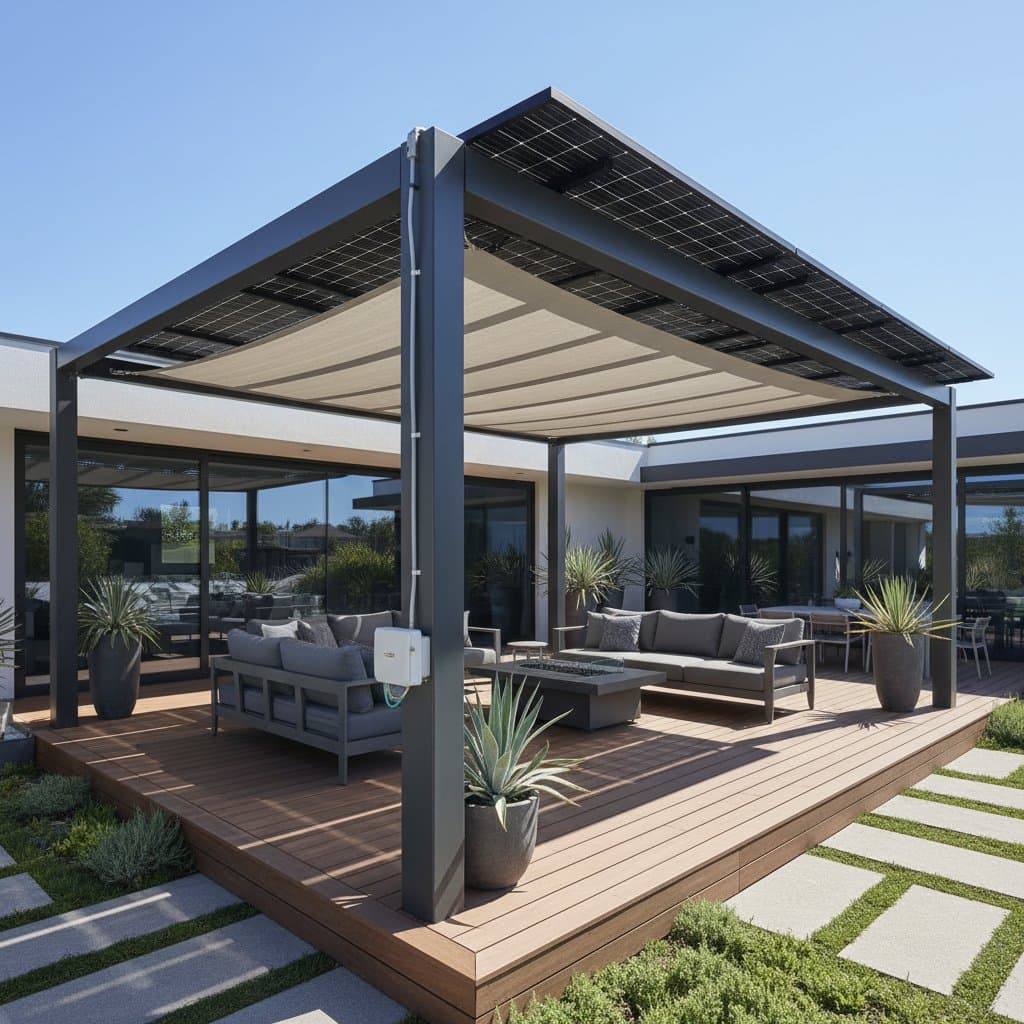
Securely connect the solar panels to a weatherproof junction box, then link it to the inverter. The inverter transforms the panels' direct current (DC) output into alternating current (AC) compatible with standard household appliances. Position the inverter on a shaded, accessible wall adjacent to the deck to minimize cable runs and heat exposure.

For powering just deck features like lights or a ceiling fan, opt for a compact standalone inverter paired with a deep-cycle battery. If integrating with your home's electrical grid, engage a licensed electrician to manage the connection, secure necessary permits, and ensure compliance with local codes.

After wiring, carefully remove any protective covers from the panels and conduct a performance test during peak sunlight hours on a clear day. Expect a modest setup to generate 1,000 to 3,000 watts, varying by panel efficiency and available sunlight; use a multimeter to verify voltage and current at the inverter output.

6. Finalize and Seal the Installation

Inspect every fastener for tightness, then apply a high-quality, waterproof sealant around all cable penetrations, mounting points, and joints to prevent moisture ingress. For wooden frame elements, apply a durable exterior paint or stain that matches your deck's finish, ensuring even coverage to protect against weathering.

Conceal wiring and junction boxes with decorative trim or conduit covers for a clean appearance. To enhance usability, integrate features such as a low-voltage ceiling fan for air circulation, energy-efficient string lights for evening ambiance, or retractable privacy screens beneath the canopy. These additions extend comfortable use from dawn through dusk.

Essential Safety Guidelines

  • Protect Against Moisture: Elevate all electrical components at least 12 inches above ground level and maintain a minimum 24-inch clearance from sprinklers or irrigation systems to avoid short circuits.
  • Verify Structural Capacity: Before proceeding, consult deck blueprints or hire an inspector to confirm the structure can support an additional 20 to 50 pounds per square foot from the canopy and panels.
  • Employ Safety Equipment: Always wear heavy-duty gloves, safety goggles, and a secure harness when working at heights or handling sharp-edged materials.
  • De-Energize Circuits: Shut off the main power supply and use a voltage tester to confirm no live wires before connecting the inverter.
  • Collaborate on Lifts: Enlist a second person to assist with maneuvering and positioning panels, which can weigh 30 to 50 pounds each and pose risks when handled solo.

Common Issues and Solutions

Solar shade canopies, when properly constructed, rarely encounter major problems. Addressing minor glitches promptly keeps the system reliable and efficient.

Reduced Power Generation
Examine panels for accumulated dust, bird droppings, or pollen that blocks sunlight. Gently clean surfaces using lukewarm water mixed with a pH-neutral soap and a microfiber cloth; avoid abrasive tools that could scratch the protective coating. Also, scrutinize all wiring joints for signs of oxidation or looseness, and secure any that have shifted due to vibration or thermal expansion.

Seepage at Mounting Points
Examine the sealant and metal flashing around posts and roof edges for degradation. Scrape away old, brittle caulk and reapply a silicone-based, UV-resistant product designed for exterior use, allowing 24 hours to cure fully before testing with a hose.

Inverter Malfunction Indicators
Follow the manufacturer's reset procedure, typically involving a 5-minute power cycle. Persistent error codes signal potential issues like irregular voltage input or faulty grounding; summon a certified technician to diagnose with specialized tools.

Inconsistent Shading or Excessive Warmth
Prune overhanging tree limbs or nearby foliage that intermittently shades the panels, as optimal output requires unobstructed southern exposure for at least six hours daily. To mitigate heat trapping under the canopy, incorporate perforated vent panels or increase panel spacing by 6 to 12 inches to promote natural convection.

Cost Breakdown and Timeline

While solar shade canopies involve a higher upfront investment than traditional shade structures, they recoup expenses through substantial energy bill reductions over 5 to 10 years.

  • Core Materials: Budget $4,000 to $8,000 for high-efficiency panels, a sturdy aluminum or steel frame, inverters, and wiring sufficient for a 200-square-foot deck.
  • Professional Installation: Allocate $2,000 to $4,000 for labor, covering site assessment, assembly, and electrical integration by experienced contractors.
  • Project Duration: A DIY project requires three to five full days with a two-person team; professional crews often complete it in two days.

To manage expenses, start with a phased approach using four to six panels on a single section of the deck. Prioritize investments in certified electrical components and reinforced mounting hardware, as these elements safeguard long-term performance and occupant safety.

Ongoing Upkeep Practices

Established solar shade systems demand minimal routine care, allowing you to focus on enjoyment rather than repairs.

Schedule biannual panel cleanings, or more frequently in regions with high pollen or dust, employing a telescoping pole and soft-bristle brush with diluted dish soap. Rinse thoroughly with a garden hose to restore full light absorption without streaks.

Conduct annual inspections of all mechanical fasteners, tightening bolts to manufacturer specifications and replacing any corroded or fatigued hardware with galvanized alternatives. Examine protective conduit for splits, chew marks from pests, or UV damage, and patch or replace as needed.

In snowy climates, monitor accumulation and use a roof rake to remove loads exceeding 6 inches, preventing structural stress. Remember, panels maintain efficiency best under direct, unfiltered sunlight, so clear obstructions seasonally.

Optimizing Storage for Efficiency

Leverage existing deck storage like built-in benches or weatherproof cabinets to organize upkeep essentials. Dedicate a clearly labeled waterproof bin to items such as tubes of sealant, microfiber cleaning towels, and extra stainless-steel bolts for quick access.

Install a digital voltage monitor on an interior-facing surface to track real-time system output effortlessly. For setups with battery storage, house them in a vented enclosure that maintains temperatures between 50 and 77 degrees Fahrenheit; clearly mark all shutoff switches and emergency disconnects, briefing household members on their locations and functions.

Indicators for Professional Assistance

Engage a licensed electrician for any grid-tied installations, as they navigate permitting processes, perform code-compliant wiring, and conduct final inspections to certify safe operation.

If your deck dates back more than 15 years or the canopy will support over ten panels, consult a structural engineer for a load analysis. They may suggest reinforcements like additional joists or bracing to distribute weight evenly.

Should panels exhibit fractures, unusual discoloration, or internal fogging, reach out to the supplier immediately for warranty evaluation. Refrain from DIY fixes, as these can void coverage and compromise integrity.

Core Benefits Summarized

  • Solar shade canopies merge shaded relaxation with renewable energy production in a single, multifunctional design.
  • Standard deck installations yield 1 to 3 kilowatts, powering essentials like outdoor lighting, fans, or even a small refrigerator.
  • Opt for lightweight aluminum framing to resist corrosion while keeping the overall load under 40 pounds per square foot.
  • Regular cleaning and joint sealing can extend system lifespan to 25 years or more.
  • Investing in expert electrical and structural reviews ensures reliable, hazard-free performance.

Steps to Launch Your Project

To realize a deck that stays cooler and operates more affordably, begin by assessing your sun exposure. Select the deck's most illuminated area, measure dimensions precisely, and draft a basic frame layout using graph paper or free online design tools.

Research solar panel kits by comparing rated wattage, efficiency ratings above 20 percent, and warranties exceeding 25 years. Then, schedule a consultation with a local solar specialist or structural consultant, providing deck photos and measurements for an accurate quote.

Upon completion, activate the system to power tangible features, such as illuminating pathway lights or energizing wireless speakers. Witnessing the generated electricity in use reinforces the investment's value and inspires further sustainability enhancements.

Decks today transcend mere aesthetics; they represent self-sufficiency and enhanced livability. A solar shade canopy delivers these advantages daily, harnessing the sun to power your outdoor lifestyle effortlessly.

You Might Also Like

Solar Drip Systems Keep Deck Gardens Watered Automatically

Solar Pavers Convert Steps and Sunlight Into Power

Glass Deck Floors That Skylight the Space Below

Mycelium Boards Replace Wood in Sustainable Decking

Cut Deck Noise with Acoustic Privacy Screens

Tagged:

energy,deck,solar,pergola,solar-pergola,generating,canopy,energy-generating-deck,solar-canopy

Recent by Anne Marion

Image for Solar Drip Systems Keep Deck Gardens Watered Automatically

Solar Drip Systems Keep Deck Gardens Watered Automatically

Feb 2, 2026
Image for Watering 50+ Pots From a Single Faucet

Watering 50+ Pots From a Single Faucet

Feb 2, 2026
Image for Simple Drip Systems That Water While You Work

Simple Drip Systems That Water While You Work

Jan 31, 2026
Image for How Urban Gardens Cut City Noise by 70%

How Urban Gardens Cut City Noise by 70%

Jan 31, 2026
Image for Micro-Pergola Pods Bring Patio Comfort to Tiny Balconies

Micro-Pergola Pods Bring Patio Comfort to Tiny Balconies

Jan 29, 2026

energy

Image for Solar Pavers Convert Steps and Sunlight Into Power

Solar Pavers Convert Steps and Sunlight Into Power

Feb 2, 2026
Image for Solar Pergolas Turn Small Patios Into Power Sources

Solar Pergolas Turn Small Patios Into Power Sources

Feb 1, 2026
Image for Micro Wind Turbines Turn Balcony Breezes Into Power

Deck Construction & Remodeling

Solar Drip Systems Keep Deck Gardens Watered Automatically

Elevate your deck gardening with solar-powered drip irrigation for precise, hands-free watering. This guide covers final setup steps, safety measures, common fixes, cost breakdowns, and year-round care to foster healthy plants with minimal intervention.

Feb 2, 2026

Solar Pavers Convert Steps and Sunlight Into Power

Elevate your outdoor paths with solar pavers that generate electricity from sunlight and movement. This comprehensive resource outlines functionality, step-by-step setup, budgeting, troubleshooting, and ways to apply the power for lighting or devices—all while promoting green living.

Feb 2, 2026

Glass Deck Floors That Skylight the Space Below

Elevate your deck design with glass floor panels that function as skylights, flooding lower areas with natural light while delivering a sleek, contemporary look. This resource provides in-depth coverage of benefits, essential materials, step-by-step installation, safety protocols, maintenance routines, and guidance on when to hire experts—all to optimize your outdoor environment for light, style, and longevity.

Categories

Deck Construction & Remodeling(158)
Balcony Design(146)
Small-Space Gardens(63)
Rooftop Decks(50)
Backyard Design(18)

Micro Wind Turbines Turn Balcony Breezes Into Power

Jan 30, 2026
Image for Turn Your Deck into a Clean Energy Generator

Turn Your Deck into a Clean Energy Generator

Jan 29, 2026
Image for Solar Pavers Turn Sunlight Into Outdoor Power

Solar Pavers Turn Sunlight Into Outdoor Power

Jan 28, 2026
Feb 2, 2026

Mycelium Boards Replace Wood in Sustainable Decking

Mycelium decking redefines sustainable outdoor design with boards cultivated from fungal roots and agricultural waste. These lightweight, compostable planks match wood's strength while minimizing environmental impact. This guide covers planning, installation, and care for a resilient, green yard addition.

Feb 1, 2026

Cut Deck Noise with Acoustic Privacy Screens

Turn urban deck noise into peaceful quiet with acoustic privacy screens. Explore sound-blocking options, step-by-step installation, upkeep advice, and cost-effective choices for a more enjoyable outdoor space throughout the year.

Feb 1, 2026

Deck Benches That Turn Scraps Into Garden Soil

Convert your deck into an eco-friendly oasis with a composting bench that serves as both comfortable seating and efficient soil producer. This comprehensive guide details construction steps, material needs, troubleshooting, and seasonal care to minimize waste and maximize garden yields.

Jan 31, 2026

Permeable Pavers Stop Flooding and Raise Property Value

Permeable pavers convert waterlogged areas into resilient, environmentally friendly surfaces. Water infiltrates through paver joints and stone bases, minimizing runoff, safeguarding structures, and elevating aesthetic appeal. This comprehensive guide details installation processes, upkeep routines, and financial considerations to demonstrate how these pavers promote sustainability, property enhancement, and enduring outdoor usability.

Jan 29, 2026

Turn Your Deck into a Clean Energy Generator

Elevate your deck into a sustainable solar energy source with integrated pavers that merge aesthetics and efficiency. This guide covers sunlight evaluation, circuit planning, durable tile installation, performance upkeep, expense details, safety protocols, and professional consultation needs to create a self-powered outdoor retreat.

Jan 29, 2026

Solar Pavers Turn Sunlight Into Outdoor Power

Elevate your outdoor areas with solar pavers, robust tiles that capture sunlight to generate power for lighting, charging stations, and appliances. This guide covers their functionality, required materials, and detailed installation instructions to build an efficient, wire-free environment that blends practicality with aesthetic appeal.

Jan 28, 2026

Mycelium Decks Replace Wood With Living Fungi Material

Mycelium, the intricate root system of fungi, emerges as a groundbreaking material for decking. This renewable and biodegradable option provides the durability of wood with a fraction of the environmental impact. Readers will gain insights into installation, maintenance, and benefits to create an outdoor haven that aligns with sustainable living principles.

Jan 27, 2026

Deck Pods Turn Open Decks into Year-Round Rooms

Convert your deck into a protected, inviting extension of your home using modular deck pods. This comprehensive guide covers planning, assembly, and upkeep for these adaptable structures, including required tools, safety protocols, and enhancements to achieve a durable, stylish outdoor space that provides year-round utility.

Jan 26, 2026

Solar Shade Sails Generate Power While Cooling Your Deck

Elevate your deck with solar shade sails that offer respite from the sun while harnessing solar power for everyday use. These versatile structures blend comfort with eco-friendly energy generation. Explore practical steps for installation, upkeep, and optimization to create an inviting, self-sustaining outdoor haven.

Jan 26, 2026

Cool Your Deck 15° with Solar Shade Sails

Counter summer deck heat with solar shade sails capable of reducing temperatures by up to 15 degrees. These tensioned fabric panels effectively block UV rays, improve airflow, and install in just one day. Gain insights into required tools, essential safety measures, and maintenance strategies for extended outdoor enjoyment.

Jan 25, 2026

Why Permeable Decks Stay 20 Degrees Cooler

Permeable decks address intense summer heat by facilitating airflow and water passage, which dissipates trapped warmth and maintains surfaces up to 20 degrees cooler. Incorporating light-colored materials, strategic gaps, and evaporative cooling, these decks foster inviting, sustainable outdoor areas that require low maintenance and provide enduring relief from hot surfaces.

Jan 25, 2026

Solar Pergolas Cut City Heat While Powering Your Deck

Elevate your compact urban deck with a solar pergola that delivers shade, produces renewable energy, and enhances sustainability. This comprehensive guide includes planning strategies, material choices, step-by-step installation, safety protocols, and upkeep tips to achieve a cooler, cost-effective outdoor area while increasing home value on a practical budget.

Jan 24, 2026

Fungal Fibers That Replace Wood Decks and Compost Clean

Mycelium decks redefine urban outdoor spaces through sustainable, compostable panels derived from fungal networks. These lightweight, durable alternatives to wood or plastic utilize agricultural waste. Follow this guide to cultivate, process, install, and maintain them for environmentally conscious urban design.

Jan 24, 2026

Misting Systems Drop Deck Temps 20° Fast

Misting systems transform hot decks into inviting spaces by reducing temperatures up to 20 degrees. This guide details planning, installation, maintenance, and optimization strategies for safe, effective cooling throughout the season.

Jan 22, 2026

UV Shade Sails Drop Deck Temps 20 Degrees

Combat summer heat and safeguard your deck using UV shade sails. This comprehensive guide details selection, installation, and upkeep strategies that reduce surface temperatures, avert color fading, and prolong deck longevity. Explore required tools, safety measures, common issues, and professional insights to create a fashionable, protected outdoor haven.

Jan 22, 2026

Shade Sails That Follow the Sun All Day Long

Automatic sun-tracking shade sails adjust their position to follow the sun, providing consistent shade and comfort on decks and patios. This comprehensive guide explains the technology, step-by-step installation, essential safety measures, ongoing maintenance, associated costs, and strategies to maximize durability and efficiency in your outdoor environment.

Jan 21, 2026

AI Cameras That Water Plants and Deter Deck Pests

Elevate your urban deck into an automated oasis with AI cameras that identify pests, optimize irrigation, and reduce upkeep. These intelligent systems leverage computer vision to safeguard plants, promote efficient water use, and deliver seamless outdoor enjoyment via straightforward installation and reliable performance.

Jan 21, 2026