Loading...

Acoustic Deck Panels: Reduce Neighbor Noise Effectively | urbanoutdoorsnyc.com | Urban Outdoors - Small-Space Gardens, Rooftop Decks, Balconies, Decks, Backyard Design
Skip to main content
Urban Outdoors
Search
Home
  1. Home
  2. /
  3. Deck Construction & Remodeling
  4. /
  5. Acoustic Deck Panels Cut Neighbor Noise by Decibels
Deck Construction & Remodeling

Acoustic Deck Panels Cut Neighbor Noise by Decibels

bySheila Spaulding
2025-10-25 03:50:17October 25, 2025
6 min read
Featured image for Acoustic Deck Panels Cut Neighbor Noise by Decibels

Categories

Navigation

  • Home
  • All Articles
  • About Us
  • Privacy Policy
  • Terms of Service

© 2026 Urban Outdoors. Crafted for bold city dwellers.

2025-10-26 03:24:00
Urban Outdoors - Small-Space Gardens, Rooftop Decks, Balconies, Decks, Backyard Design

Mitigate Urban Noise with Acoustic Deck Panels

Urban environments pulse with relentless sounds. Vehicles rumble, gatherings echo from rooftops, dogs bark, and music plays late into the night, reverberating across courtyards and patios. When your outdoor area resembles a conduit for commotion rather than a sanctuary, intervention becomes essential. Acoustic deck panels offer a straightforward, resilient method to dampen these disturbances and restore tranquility to your balcony, terrace, or roof deck.

The objective remains straightforward. Individuals seek to lessen noise from adjacent residences, facilitate conversations without elevation, and establish a more secluded outdoor environment. Equipped with essential tools, appropriate panels, and strategic positioning, it becomes possible to diminish sound intensity by multiple decibels, thereby restoring equilibrium to the space.

Overview

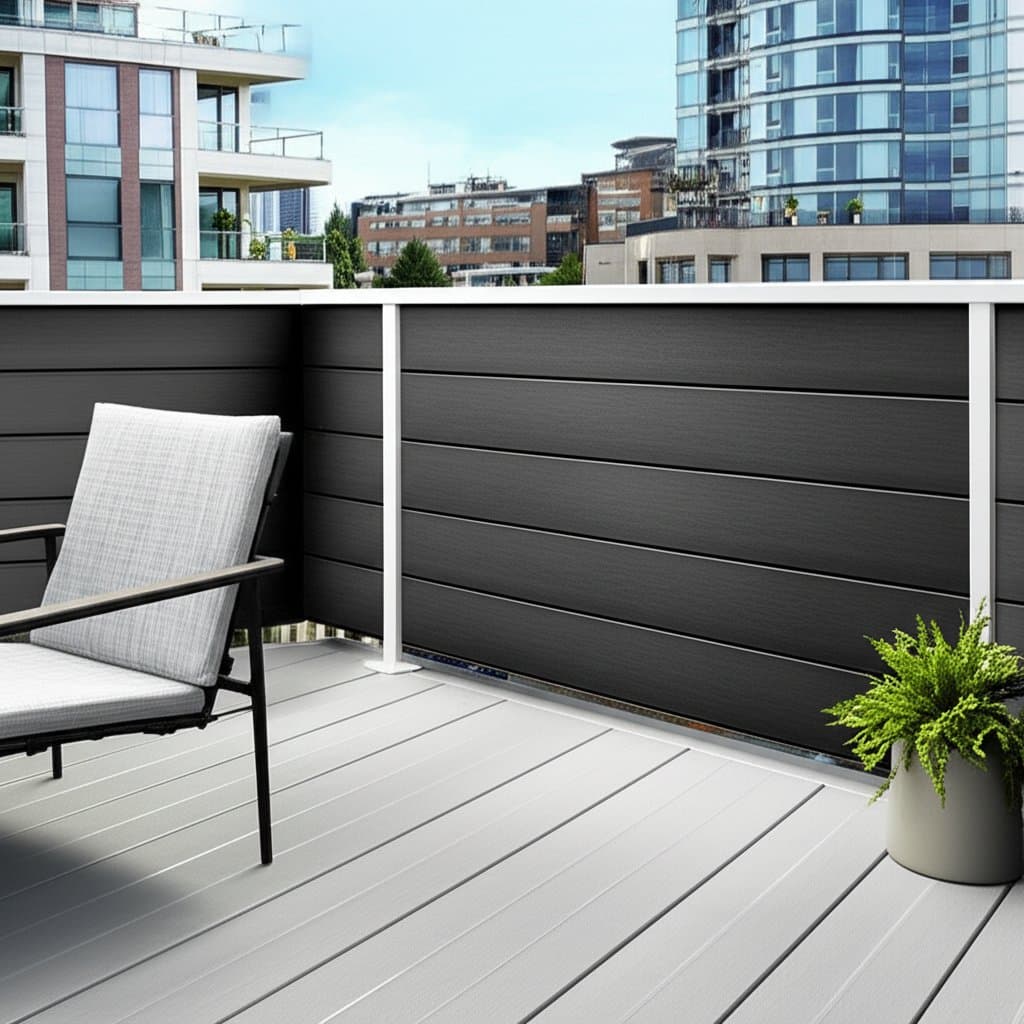
Acoustic deck panels consist of sound-absorbing boards or tiles designed for attachment to railings, walls, or dividers. These elements intercept and disperse sound waves prior to their arrival in seating zones. Typically constructed from dense substances such as mineral wool, recycled rubber, or composite foam, and encased in weather-resistant fabric, the panels effectively capture reverberations and curtail sound transmission from proximate dwellings or roadway activity when properly affixed.

The advantages of quieter decks extend beyond mere comfort. Diminished noise correlates with reduced stress levels and improved concentration. Reading, working, or entertaining guests proceeds undisturbed amid urban tumult. Moreover, these panels introduce tactile interest and visual appeal, serving dual purposes as acoustic barriers and aesthetic enhancements.

Tools and Materials

Installation of most acoustic deck systems requires only fundamental tools. Assemble all items in advance to prevent interruptions during the process.

Tools:

  • Tape measure
  • Level
  • Drill with appropriate bits
  • Utility knife
  • Screwdriver
  • Ladder
  • Work gloves
  • Safety glasses

Materials:

  • Acoustic deck panels (calculate total square footage prior to acquisition)
  • Mounting brackets or clips (generally two per panel)
  • Weather-resistant screws
  • Sealant or caulk for seams
  • Optional soundproof fencing or backing boards
  • Outdoor-rated adhesive for supplementary securing

Panels commonly range from 24 to 48 inches in width and approximately two inches in thickness. Various sizes permit customization to accommodate railings or walls seamlessly.

Installation Steps

1. Measure the Space

Assess the mounting area meticulously. Document dimensions for width and height at three distinct points, accounting for potential irregularities in urban deck structures. Multiply width by height to determine total coverage in square feet, then incorporate a 10 percent buffer for adjustments or overlaps.

2. Select Appropriate Panels

For exposed decks, opt for weather-rated acoustic panels. Prioritize features including ultraviolet protection, moisture resistance, and a noise reduction coefficient (NRC) of at least 0.7, indicating 70 percent sound energy absorption. In sheltered patios, fabric-based panels or ornamental baffles provide additional decorative value.

3. Prepare the Surface

Clean targeted walls or railings using mild soap and water. Allow complete drying. Residue or dampness compromises adhesion and risks panel detachment. For metal surfaces, apply rubbing alcohol to eliminate oils or contaminants.

4. Mark Mounting Locations

Position the initial panel against the surface and indicate bracket placements with a pencil. For a typical 48-inch panel, situate brackets two inches from each edge and spaced two feet vertically. Employ a level to ensure alignment. Drill pilot holes as required.

5. Secure Brackets

Fasten brackets or clips with weather-resistant screws. Tighten securely without excessive force, which might fracture panel frames. On concrete or brick, incorporate masonry anchors.

6. Install the Panels

Insert the panel into the brackets and apply gentle pressure to lock it in place. For panels with adhesive backing, distribute a narrow line of outdoor adhesive along the perimeter before affixing. Collaborate with another person to stabilize larger panels during placement.

7. Seal Seams

Apply caulk or sealant to joints and edges. Gaps as small as 0.25 inches permit sound infiltration. Smooth the sealant using a moistened finger for a neat finish.

8. Verify Alignment

Retreat six feet and observe the installation from multiple perspectives. Reposition panels to achieve uniformity. Precise arrangement enhances both efficacy and visual harmony.

9. Evaluate Performance

Activate music or a portable speaker on the far side of the deck barrier. Utilize a smartphone application to gauge sound levels pre- and post-installation. A reduction of five to ten decibels confirms successful implementation.

Safety Considerations

  • Don protective gloves during panel cutting to prevent irritation from fiberglass or foam particles.
  • Maintain electrical cords distant from moisture sources.
  • Employ a sturdy ladder and refrain from overreaching beyond guardrails.
  • Avoid obstructing ventilation or drainage features.
  • Dispose of debris responsibly, particularly materials containing insulating fibers.

Common Issues and Solutions

Issue: Panels droop or detach following precipitation.
Reason: Inadequate adhesive or insufficiently secured brackets.
Resolution: Dry the affected zone, insert an additional screw per bracket, and apply reinforcing adhesive.

Issue: Auditory disturbances persist through the deck flooring.
Reason: Reflections from underlying rigid surfaces.
Resolution: Incorporate outdoor rugs or rubber mats. On expansive decks, position 0.5-inch underlayment sheets beneath furniture areas.

Issue: Panels fade with exposure.
Reason: Ultraviolet degradation.
Resolution: Select panels featuring ultraviolet-resistant fabric or administer a clear ultraviolet protectant spray annually.

Cost and Timeline

Anticipate expenditures of eight to fifteen dollars per square foot for premium outdoor acoustic panels. Hardware contributes an additional dollar per square foot. Adhesives, sealants, and tools generally total under forty dollars. A modest 40-square-foot balcony wall completes in one afternoon. Larger roof decks demand two three-hour sessions.

Substandard materials yield poor returns. Inferior foam variants deteriorate in sunlight and retain moisture. Prioritize exterior-designated panels, despite marginally higher costs.

Upkeep Procedures

Installed panels require minimal attention.

  • Clean quarterly with mild soap and a soft brush.
  • Examine brackets biannually and retighten as necessary.
  • Reapply sealant to fractured edges.
  • Shield panels with tarps or sheeting during adjacent construction activities.

Elevated humidity may impair function gradually. Upon detecting odors, detach panels briefly and air them in a well-ventilated space.

Storage Strategies

In buildings with stringent exterior regulations, modular acoustic screens facilitate seasonal removal. These units collapse for storage behind furnishings or in closets. Number panels sequentially to expedite reinstallation within thirty minutes. Position them upright to avert distortion.

Seasonal Maintenance

Prior to winter, inspect for loosened fasteners or fissures. Freeze-thaw actions exacerbate openings; apply sealant accordingly. In summer, rinse panels monthly to clear pollen and debris, preserving absorptive qualities.

Frequent hosting benefits from supplementary elements like outdoor curtains or planters bordering panels. Dense-foliage plants, including boxwood or bamboo, augment noise absorption and foster natural barriers against adjacent decks.

Professional Assistance

Engage a contractor for attachments to load-bearing elements such as parapet walls or integrations involving lighting and wiring. Professionals guarantee waterproofing and structural integrity. For roof decks exceeding 200 square feet, experts devise configurations optimizing airflow, weight distribution, and acoustic performance.

Inquire with installers about:

  1. Suitable panel thickness and NRC for the setting.
  2. Preservation of drainage and ventilation.
  3. Warranty provisions for external conditions.

Essential Insights

  • Acoustic deck panels capture and deflect noise, elevating comfort and seclusion.
  • Select weatherproof options with NRC values of 0.7 or greater for exterior applications.
  • Precision in measurement, sealing, and positioning equals material excellence.
  • Anticipate five to ten decibel reductions, sufficient for relaxed dialogue near lively neighbors.
  • Consistent cleaning and checks prolong durability and appearance.

Implement Today

Three immediate steps:

  1. Measure deck walls and assess exposure to elements like rain or sunlight.
  2. Investigate climate-appropriate outdoor acoustic panels.
  3. Obtain samples from suppliers to evaluate texture and color compatibility.

You Might Also Like

Solar Drip Systems Keep Deck Gardens Watered Automatically

Glass Deck Floors That Skylight the Space Below

Mycelium Boards Replace Wood in Sustainable Decking

Cut Deck Noise with Acoustic Privacy Screens

Solar Pergolas Turn Small Patios Into Power Sources

Tagged:

deck,acoustic,noise reduction,panels,noise,reduction,soundproof,acoustic-panels,soundproof-deck

Recent by Sheila Spaulding

Image for Solar Pavers Convert Steps and Sunlight Into Power

Solar Pavers Convert Steps and Sunlight Into Power

Feb 2, 2026
Image for Grow 30 Plants in 2 Feet Using Nutrient Mist

Grow 30 Plants in 2 Feet Using Nutrient Mist

Feb 1, 2026
Image for Mycelium Boards Replace Wood in Sustainable Decking

Mycelium Boards Replace Wood in Sustainable Decking

Feb 1, 2026
Image for Solar Pergolas Turn Small Patios Into Power Sources

Solar Pergolas Turn Small Patios Into Power Sources

Feb 1, 2026
Image for Stop Balcony Noise With Layers That Block and Absorb Sound

Stop Balcony Noise With Layers That Block and Absorb Sound

Jan 31, 2026

deck

Image for Solar Drip Systems Keep Deck Gardens Watered Automatically

Solar Drip Systems Keep Deck Gardens Watered Automatically

Feb 2, 2026
Image for Glass Deck Floors That Skylight the Space Below

Glass Deck Floors That Skylight the Space Below

Feb 2, 2026
Image for Mycelium Boards Replace Wood in Sustainable Decking

Deck Construction & Remodeling

Solar Drip Systems Keep Deck Gardens Watered Automatically

Elevate your deck gardening with solar-powered drip irrigation for precise, hands-free watering. This guide covers final setup steps, safety measures, common fixes, cost breakdowns, and year-round care to foster healthy plants with minimal intervention.

Feb 2, 2026

Solar Pavers Convert Steps and Sunlight Into Power

Elevate your outdoor paths with solar pavers that generate electricity from sunlight and movement. This comprehensive resource outlines functionality, step-by-step setup, budgeting, troubleshooting, and ways to apply the power for lighting or devices—all while promoting green living.

Feb 2, 2026

Glass Deck Floors That Skylight the Space Below

Elevate your deck design with glass floor panels that function as skylights, flooding lower areas with natural light while delivering a sleek, contemporary look. This resource provides in-depth coverage of benefits, essential materials, step-by-step installation, safety protocols, maintenance routines, and guidance on when to hire experts—all to optimize your outdoor environment for light, style, and longevity.

Categories

Deck Construction & Remodeling(158)
Balcony Design(146)
Small-Space Gardens(63)
Rooftop Decks(50)
Backyard Design(18)

Mycelium Boards Replace Wood in Sustainable Decking

Feb 1, 2026
Image for Cut Deck Noise with Acoustic Privacy Screens

Cut Deck Noise with Acoustic Privacy Screens

Feb 1, 2026
Image for Deck Benches That Turn Scraps Into Garden Soil

Deck Benches That Turn Scraps Into Garden Soil

Jan 31, 2026
Feb 2, 2026

Mycelium Boards Replace Wood in Sustainable Decking

Mycelium decking redefines sustainable outdoor design with boards cultivated from fungal roots and agricultural waste. These lightweight, compostable planks match wood's strength while minimizing environmental impact. This guide covers planning, installation, and care for a resilient, green yard addition.

Feb 1, 2026

Cut Deck Noise with Acoustic Privacy Screens

Turn urban deck noise into peaceful quiet with acoustic privacy screens. Explore sound-blocking options, step-by-step installation, upkeep advice, and cost-effective choices for a more enjoyable outdoor space throughout the year.

Feb 1, 2026

Deck Benches That Turn Scraps Into Garden Soil

Convert your deck into an eco-friendly oasis with a composting bench that serves as both comfortable seating and efficient soil producer. This comprehensive guide details construction steps, material needs, troubleshooting, and seasonal care to minimize waste and maximize garden yields.

Jan 31, 2026

Permeable Pavers Stop Flooding and Raise Property Value

Permeable pavers convert waterlogged areas into resilient, environmentally friendly surfaces. Water infiltrates through paver joints and stone bases, minimizing runoff, safeguarding structures, and elevating aesthetic appeal. This comprehensive guide details installation processes, upkeep routines, and financial considerations to demonstrate how these pavers promote sustainability, property enhancement, and enduring outdoor usability.

Jan 29, 2026

Turn Your Deck into a Clean Energy Generator

Elevate your deck into a sustainable solar energy source with integrated pavers that merge aesthetics and efficiency. This guide covers sunlight evaluation, circuit planning, durable tile installation, performance upkeep, expense details, safety protocols, and professional consultation needs to create a self-powered outdoor retreat.

Jan 29, 2026

Solar Pavers Turn Sunlight Into Outdoor Power

Elevate your outdoor areas with solar pavers, robust tiles that capture sunlight to generate power for lighting, charging stations, and appliances. This guide covers their functionality, required materials, and detailed installation instructions to build an efficient, wire-free environment that blends practicality with aesthetic appeal.

Jan 28, 2026

Mycelium Decks Replace Wood With Living Fungi Material

Mycelium, the intricate root system of fungi, emerges as a groundbreaking material for decking. This renewable and biodegradable option provides the durability of wood with a fraction of the environmental impact. Readers will gain insights into installation, maintenance, and benefits to create an outdoor haven that aligns with sustainable living principles.

Jan 27, 2026

Deck Pods Turn Open Decks into Year-Round Rooms

Convert your deck into a protected, inviting extension of your home using modular deck pods. This comprehensive guide covers planning, assembly, and upkeep for these adaptable structures, including required tools, safety protocols, and enhancements to achieve a durable, stylish outdoor space that provides year-round utility.

Jan 26, 2026

Solar Shade Sails Generate Power While Cooling Your Deck

Elevate your deck with solar shade sails that offer respite from the sun while harnessing solar power for everyday use. These versatile structures blend comfort with eco-friendly energy generation. Explore practical steps for installation, upkeep, and optimization to create an inviting, self-sustaining outdoor haven.

Jan 26, 2026

Cool Your Deck 15° with Solar Shade Sails

Counter summer deck heat with solar shade sails capable of reducing temperatures by up to 15 degrees. These tensioned fabric panels effectively block UV rays, improve airflow, and install in just one day. Gain insights into required tools, essential safety measures, and maintenance strategies for extended outdoor enjoyment.

Jan 25, 2026

Why Permeable Decks Stay 20 Degrees Cooler

Permeable decks address intense summer heat by facilitating airflow and water passage, which dissipates trapped warmth and maintains surfaces up to 20 degrees cooler. Incorporating light-colored materials, strategic gaps, and evaporative cooling, these decks foster inviting, sustainable outdoor areas that require low maintenance and provide enduring relief from hot surfaces.

Jan 25, 2026

Solar Pergolas Cut City Heat While Powering Your Deck

Elevate your compact urban deck with a solar pergola that delivers shade, produces renewable energy, and enhances sustainability. This comprehensive guide includes planning strategies, material choices, step-by-step installation, safety protocols, and upkeep tips to achieve a cooler, cost-effective outdoor area while increasing home value on a practical budget.

Jan 24, 2026

Fungal Fibers That Replace Wood Decks and Compost Clean

Mycelium decks redefine urban outdoor spaces through sustainable, compostable panels derived from fungal networks. These lightweight, durable alternatives to wood or plastic utilize agricultural waste. Follow this guide to cultivate, process, install, and maintain them for environmentally conscious urban design.

Jan 24, 2026

Misting Systems Drop Deck Temps 20° Fast

Misting systems transform hot decks into inviting spaces by reducing temperatures up to 20 degrees. This guide details planning, installation, maintenance, and optimization strategies for safe, effective cooling throughout the season.

Jan 22, 2026

UV Shade Sails Drop Deck Temps 20 Degrees

Combat summer heat and safeguard your deck using UV shade sails. This comprehensive guide details selection, installation, and upkeep strategies that reduce surface temperatures, avert color fading, and prolong deck longevity. Explore required tools, safety measures, common issues, and professional insights to create a fashionable, protected outdoor haven.

Jan 22, 2026

Shade Sails That Follow the Sun All Day Long

Automatic sun-tracking shade sails adjust their position to follow the sun, providing consistent shade and comfort on decks and patios. This comprehensive guide explains the technology, step-by-step installation, essential safety measures, ongoing maintenance, associated costs, and strategies to maximize durability and efficiency in your outdoor environment.

Jan 21, 2026

AI Cameras That Water Plants and Deter Deck Pests

Elevate your urban deck into an automated oasis with AI cameras that identify pests, optimize irrigation, and reduce upkeep. These intelligent systems leverage computer vision to safeguard plants, promote efficient water use, and deliver seamless outdoor enjoyment via straightforward installation and reliable performance.

Jan 21, 2026