Loading...

Quiet City Decks: Acoustic Panels for Noise Reduction | UrbanOutdoorsNYC.com | Urban Outdoors - Small-Space Gardens, Rooftop Decks, Balconies, Decks, Backyard Design
Skip to main content
Urban Outdoors
Search
Home
  1. Home
  2. /
  3. Deck Construction & Remodeling
  4. /
  5. Acoustic Panels Turn City Decks Into Quiet Retreats
Deck Construction & Remodeling

Acoustic Panels Turn City Decks Into Quiet Retreats

byDawn Hayden
2025-11-09 03:45:05November 9, 2025
6 min read
Featured image for Acoustic Panels Turn City Decks Into Quiet Retreats

Categories

Navigation

  • Home
  • All Articles
  • About Us
  • Privacy Policy
  • Terms of Service

© 2026 Urban Outdoors. Crafted for bold city dwellers.

2025-11-09 03:45:05
Urban Outdoors - Small-Space Gardens, Rooftop Decks, Balconies, Decks, Backyard Design

Creating a Serene Deck: The Power of Outdoor Acoustic Panels

Urban decks offer access to fresh air and expansive views, yet they frequently contend with persistent sounds from traffic, neighboring conversations, or distant music. Such disturbances hinder relaxation and meaningful interactions. Outdoor acoustic panels provide an effective solution by absorbing and diffusing noise, transforming these spaces into peaceful sanctuaries where tranquility prevails.

This guide examines the functionality of acoustic panels, outlines installation procedures, and offers strategies for long-term performance. Readers gain practical knowledge to achieve a deck that fosters quiet reflection or enjoyable gatherings.

Understanding Acoustic Panels

Acoustic panels function as specialized barriers that capture sound waves, preventing their reflection off rigid surfaces like wood or metal. In outdoor settings, they diminish echoes from adjacent areas and attenuate external noises, such as vehicle horns or voices from nearby units. Materials typically include porous cores, like fiberglass or foam, encased in weather-resistant coverings.

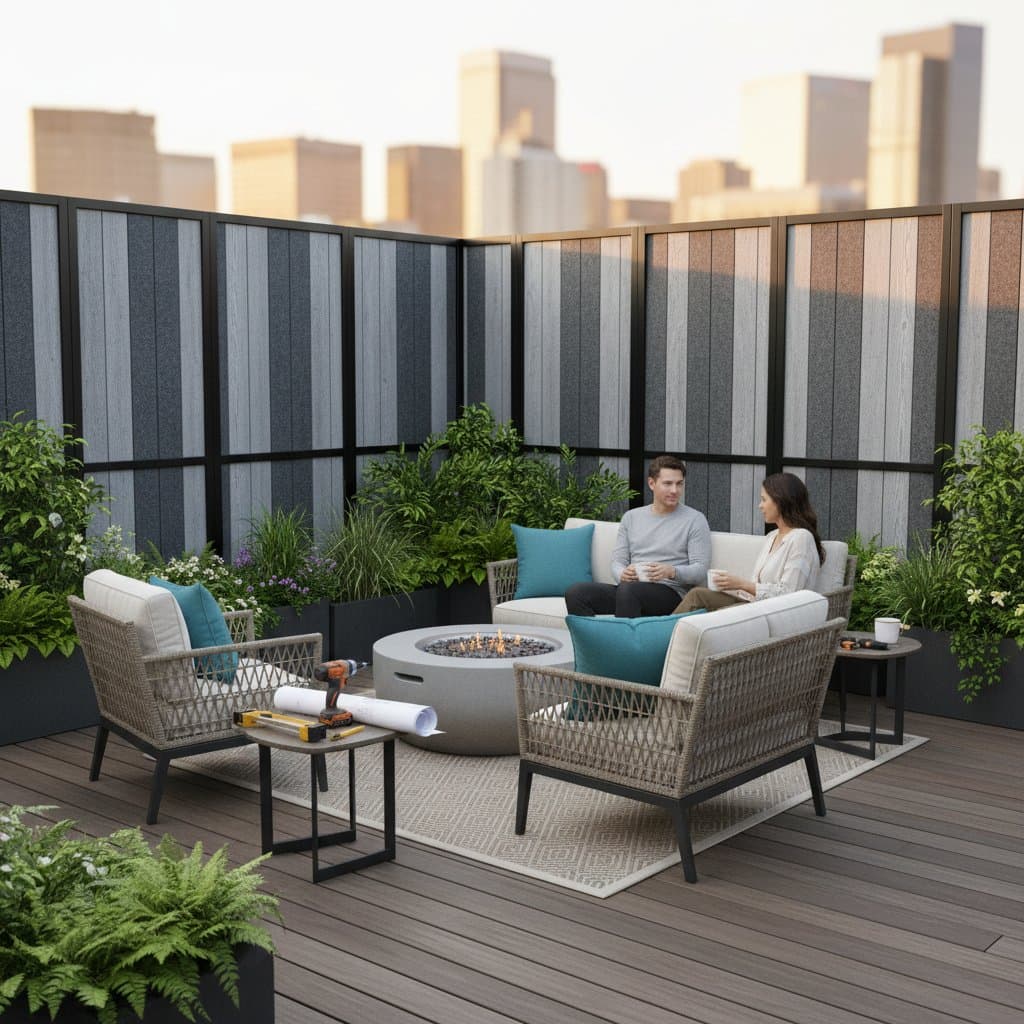
Beyond noise control, these panels enhance privacy by visually screening views while improving the acoustic environment. A treated deck supports serene mornings with coffee or intimate evening discussions without intrusive interruptions. Proper implementation elevates the space from a mere extension of the home to a genuine outdoor refuge.

Essential Tools and Materials

Installation requires basic equipment to ensure precision and safety. Assemble the following items prior to beginning:

  • Acoustic panels certified for exterior use, with a minimum thickness of 1.5 inches and dimensions suited to deck railings or walls
  • Weather-resistant mounting hardware, including stainless steel screws, brackets, and anchors
  • Measuring tape and pencil for precise layout
  • Bubble level to maintain alignment
  • Power drill equipped with appropriate bits for wood, metal, or masonry
  • Safety gear, comprising heavy-duty gloves and protective eyewear

For environments exposed to intense sunlight or precipitation, select panels featuring UV-stabilized fabrics and hydrophobic cores composed of recycled polyester or mineral wool. These choices resist degradation, preserving acoustic efficacy over multiple seasons.

Installation Process

Proceed methodically to achieve a secure and effective setup. Each phase builds upon the previous to minimize errors and maximize results.

Step 1: Assess and Plan Placement

Evaluate the deck's perimeter to identify primary noise sources, such as gaps in railings or sections facing high-traffic zones. Use the measuring tape to record dimensions of target areas, aiming for coverage of at least 60 percent of exposed surfaces. Sketch a layout that spaces panels evenly, allowing 1 to 2 inches between units for ventilation and expansion.

Consider sightlines and aesthetics; position panels to blend with deck design without obstructing views. This planning prevents over-coverage and ensures balanced sound absorption.

Step 2: Surface Preparation

Clean installation surfaces thoroughly to remove debris, pollen, or moisture that could compromise adhesion. For wooden elements, sand lightly if necessary to create a smooth base. Address any structural issues, like warped boards or corroded fasteners, by repairing them promptly.

Dry surfaces completely before proceeding, as dampness leads to weakened mounts. This preparation step extends the lifespan of both panels and hardware.

Step 3: Secure Mounting Hardware

Align brackets or frames using the level, then drill pilot holes to avoid material damage. In wooden structures, opt for 1/8-inch bits; for concrete, employ hammer-set anchors rated for outdoor loads. Secure each piece with at least two screws per bracket, torquing to manufacturer specifications.

Double-check stability by applying gentle pressure. Protective eyewear remains essential to shield against flying particles during this operation.

Step 4: Install the Panels

Position each panel within its frame, ensuring the absorbing core faces the noise source. Fasten with provided clips or screws, applying even pressure to avoid compressing the internal material. Verify that panels remain flush and immovable when tested from multiple angles.

If layering is desired for enhanced performance, attach a secondary set offset by 2 inches. This configuration traps additional frequencies, amplifying reduction effects.

Step 5: Final Sealing and Testing

Inspect all edges and joints for potential sound pathways, applying silicone-based caulk to seal them against weather infiltration. Conduct a preliminary noise test by simulating typical urban sounds, such as clapping or speaking at varying volumes. Adjustments at this stage refine the acoustic profile before full use.

Correctly executed, this setup can attenuate external noise by 40 to 50 percent, creating a noticeably quieter ambiance.

Key Safety Considerations

Prioritize caution throughout the process to prevent accidents. Work with a partner when using ladders or elevated platforms, ensuring mutual support. Gloves protect against sharp edges on hardware, while eyewear guards eyes from dust and fragments.

Postpone installation during adverse weather, including gusty winds exceeding 15 miles per hour or steady rain. Secure tools and materials to avoid falls or scattering.

Common Issues and Solutions

Persistent noise after installation often stems from identifiable flaws. Rattling panels indicate loose fittings; inspect and retighten all connections, incorporating lock washers if vibrations persist.

Uncovered gaps beneath railings permit sound passage; install complementary barriers, such as acoustic fabric screens or wooden infills. Overhead echoes require absorptive elements like suspended canopies or thick area rugs to diffuse reflections from above.

Reevaluate placement if reduction falls short of expectations, consulting acoustic principles for optimal orientation toward dominant noise directions.

Ongoing Maintenance Practices

Preserve panel performance through routine care. Monthly cleaning involves gentle brushing to remove foliage and a low-pressure rinse with diluted, non-abrasive soap. Allow complete air-drying to avert moisture buildup within the core.

Seasonal inspections focus on hardware integrity; replace any corroded components immediately to maintain secure attachment. For winter storage in harsh climates, enclose panels in permeable tarps elevated above ground level, deterring mold growth.

Address fabric wear by applying specialized sealants annually, extending durability against environmental stressors.

Cost Estimates and Timeline

Budget for outdoor acoustic panels ranges from $15 to $30 per square foot, depending on material quality and size. A standard 10-by-10-foot deck might require six to eight panels, totaling $500 to $1,200 in materials. Hardware and tools add another $100 to $200 if not already owned.

Beginners complete installation in two to four hours, assuming a straightforward layout. Complex designs, including custom cuts, extend time to a full day.

Professional Assistance Options

Engage experts for decks with irregular geometries or shared boundaries, where precise acoustics prove challenging. Professionals assess using sound transmission class (STC) metrics; seek panels rated above 25 for substantial neighbor noise mitigation.

Consultations often include site visits and customized designs, justifying the investment for optimal results in dense urban settings.

Seasonal Care Guidelines

As warmer weather approaches, examine panels for signs of UV damage, such as color fading or material brittleness. Reapply protective coatings or substitute affected units to sustain appearance and function.

In winter, dismantle panels in regions prone to heavy snow or ice to prevent structural strain. Reinstallation follows spring thaw, with fresh hardware ensuring reliability.

Implementing Your Deck Transformation

Commence with a targeted approach by treating the noisiest section, such as a street-facing railing. Monitor acoustic improvements over several days, noting changes in conversation clarity and overall comfort.

Gradually incorporate additional panels as benefits become evident, adhering to a maintenance schedule of monthly cleanings and biannual hardware checks. This iterative process yields a personalized outdoor space that delivers enduring peace amid city bustle.

You Might Also Like

Solar Drip Systems Keep Deck Gardens Watered Automatically

Glass Deck Floors That Skylight the Space Below

Mycelium Boards Replace Wood in Sustainable Decking

Cut Deck Noise with Acoustic Privacy Screens

Solar Pergolas Turn Small Patios Into Power Sources

Tagged:

Privacy,deck,acoustic,noise reduction,panels,noise,reduction,acoustic-panels,deck-privacy

Recent by Dawn Hayden

Image for Glass Deck Floors That Skylight the Space Below

Glass Deck Floors That Skylight the Space Below

Feb 2, 2026
Image for Cut Deck Noise with Acoustic Privacy Screens

Cut Deck Noise with Acoustic Privacy Screens

Feb 1, 2026
Image for Deck Benches That Turn Scraps Into Garden Soil

Deck Benches That Turn Scraps Into Garden Soil

Jan 31, 2026
Image for Cool Balconies 15° Cheaper with Micro-Misting Systems

Cool Balconies 15° Cheaper with Micro-Misting Systems

Jan 30, 2026
Image for Living Sound Filters for City Apartments

Living Sound Filters for City Apartments

Jan 30, 2026

Privacy

Image for Stop Balcony Noise With Layers That Block and Absorb Sound

Stop Balcony Noise With Layers That Block and Absorb Sound

Jan 31, 2026
Image for Wind Screens That Tame Rooftop Gusts Without Blocking Views

Wind Screens That Tame Rooftop Gusts Without Blocking Views

Jan 27, 2026
Image for Garden Walls That Cut Balcony Noise by Decibels

Deck Construction & Remodeling

Solar Drip Systems Keep Deck Gardens Watered Automatically

Elevate your deck gardening with solar-powered drip irrigation for precise, hands-free watering. This guide covers final setup steps, safety measures, common fixes, cost breakdowns, and year-round care to foster healthy plants with minimal intervention.

Feb 2, 2026

Solar Pavers Convert Steps and Sunlight Into Power

Elevate your outdoor paths with solar pavers that generate electricity from sunlight and movement. This comprehensive resource outlines functionality, step-by-step setup, budgeting, troubleshooting, and ways to apply the power for lighting or devices—all while promoting green living.

Feb 2, 2026

Glass Deck Floors That Skylight the Space Below

Elevate your deck design with glass floor panels that function as skylights, flooding lower areas with natural light while delivering a sleek, contemporary look. This resource provides in-depth coverage of benefits, essential materials, step-by-step installation, safety protocols, maintenance routines, and guidance on when to hire experts—all to optimize your outdoor environment for light, style, and longevity.

Categories

Deck Construction & Remodeling(158)
Balcony Design(146)
Small-Space Gardens(63)
Rooftop Decks(50)
Backyard Design(18)

Garden Walls That Cut Balcony Noise by Decibels

Jan 24, 2026
Image for Acoustic Walls Cut Neighbor Noise Without Renovating

Acoustic Walls Cut Neighbor Noise Without Renovating

Jan 18, 2026
Image for Sound-Blocking Panels Cut Deck Noise Without Rebuilding

Sound-Blocking Panels Cut Deck Noise Without Rebuilding

Jan 17, 2026
Feb 2, 2026

Mycelium Boards Replace Wood in Sustainable Decking

Mycelium decking redefines sustainable outdoor design with boards cultivated from fungal roots and agricultural waste. These lightweight, compostable planks match wood's strength while minimizing environmental impact. This guide covers planning, installation, and care for a resilient, green yard addition.

Feb 1, 2026

Cut Deck Noise with Acoustic Privacy Screens

Turn urban deck noise into peaceful quiet with acoustic privacy screens. Explore sound-blocking options, step-by-step installation, upkeep advice, and cost-effective choices for a more enjoyable outdoor space throughout the year.

Feb 1, 2026

Deck Benches That Turn Scraps Into Garden Soil

Convert your deck into an eco-friendly oasis with a composting bench that serves as both comfortable seating and efficient soil producer. This comprehensive guide details construction steps, material needs, troubleshooting, and seasonal care to minimize waste and maximize garden yields.

Jan 31, 2026

Permeable Pavers Stop Flooding and Raise Property Value

Permeable pavers convert waterlogged areas into resilient, environmentally friendly surfaces. Water infiltrates through paver joints and stone bases, minimizing runoff, safeguarding structures, and elevating aesthetic appeal. This comprehensive guide details installation processes, upkeep routines, and financial considerations to demonstrate how these pavers promote sustainability, property enhancement, and enduring outdoor usability.

Jan 29, 2026

Turn Your Deck into a Clean Energy Generator

Elevate your deck into a sustainable solar energy source with integrated pavers that merge aesthetics and efficiency. This guide covers sunlight evaluation, circuit planning, durable tile installation, performance upkeep, expense details, safety protocols, and professional consultation needs to create a self-powered outdoor retreat.

Jan 29, 2026

Solar Pavers Turn Sunlight Into Outdoor Power

Elevate your outdoor areas with solar pavers, robust tiles that capture sunlight to generate power for lighting, charging stations, and appliances. This guide covers their functionality, required materials, and detailed installation instructions to build an efficient, wire-free environment that blends practicality with aesthetic appeal.

Jan 28, 2026

Mycelium Decks Replace Wood With Living Fungi Material

Mycelium, the intricate root system of fungi, emerges as a groundbreaking material for decking. This renewable and biodegradable option provides the durability of wood with a fraction of the environmental impact. Readers will gain insights into installation, maintenance, and benefits to create an outdoor haven that aligns with sustainable living principles.

Jan 27, 2026

Deck Pods Turn Open Decks into Year-Round Rooms

Convert your deck into a protected, inviting extension of your home using modular deck pods. This comprehensive guide covers planning, assembly, and upkeep for these adaptable structures, including required tools, safety protocols, and enhancements to achieve a durable, stylish outdoor space that provides year-round utility.

Jan 26, 2026

Solar Shade Sails Generate Power While Cooling Your Deck

Elevate your deck with solar shade sails that offer respite from the sun while harnessing solar power for everyday use. These versatile structures blend comfort with eco-friendly energy generation. Explore practical steps for installation, upkeep, and optimization to create an inviting, self-sustaining outdoor haven.

Jan 26, 2026

Cool Your Deck 15° with Solar Shade Sails

Counter summer deck heat with solar shade sails capable of reducing temperatures by up to 15 degrees. These tensioned fabric panels effectively block UV rays, improve airflow, and install in just one day. Gain insights into required tools, essential safety measures, and maintenance strategies for extended outdoor enjoyment.

Jan 25, 2026

Why Permeable Decks Stay 20 Degrees Cooler

Permeable decks address intense summer heat by facilitating airflow and water passage, which dissipates trapped warmth and maintains surfaces up to 20 degrees cooler. Incorporating light-colored materials, strategic gaps, and evaporative cooling, these decks foster inviting, sustainable outdoor areas that require low maintenance and provide enduring relief from hot surfaces.

Jan 25, 2026

Solar Pergolas Cut City Heat While Powering Your Deck

Elevate your compact urban deck with a solar pergola that delivers shade, produces renewable energy, and enhances sustainability. This comprehensive guide includes planning strategies, material choices, step-by-step installation, safety protocols, and upkeep tips to achieve a cooler, cost-effective outdoor area while increasing home value on a practical budget.

Jan 24, 2026

Fungal Fibers That Replace Wood Decks and Compost Clean

Mycelium decks redefine urban outdoor spaces through sustainable, compostable panels derived from fungal networks. These lightweight, durable alternatives to wood or plastic utilize agricultural waste. Follow this guide to cultivate, process, install, and maintain them for environmentally conscious urban design.

Jan 24, 2026

Misting Systems Drop Deck Temps 20° Fast

Misting systems transform hot decks into inviting spaces by reducing temperatures up to 20 degrees. This guide details planning, installation, maintenance, and optimization strategies for safe, effective cooling throughout the season.

Jan 22, 2026

UV Shade Sails Drop Deck Temps 20 Degrees

Combat summer heat and safeguard your deck using UV shade sails. This comprehensive guide details selection, installation, and upkeep strategies that reduce surface temperatures, avert color fading, and prolong deck longevity. Explore required tools, safety measures, common issues, and professional insights to create a fashionable, protected outdoor haven.

Jan 22, 2026

Shade Sails That Follow the Sun All Day Long

Automatic sun-tracking shade sails adjust their position to follow the sun, providing consistent shade and comfort on decks and patios. This comprehensive guide explains the technology, step-by-step installation, essential safety measures, ongoing maintenance, associated costs, and strategies to maximize durability and efficiency in your outdoor environment.

Jan 21, 2026

AI Cameras That Water Plants and Deter Deck Pests

Elevate your urban deck into an automated oasis with AI cameras that identify pests, optimize irrigation, and reduce upkeep. These intelligent systems leverage computer vision to safeguard plants, promote efficient water use, and deliver seamless outdoor enjoyment via straightforward installation and reliable performance.

Jan 21, 2026