
4. Start the Circulation
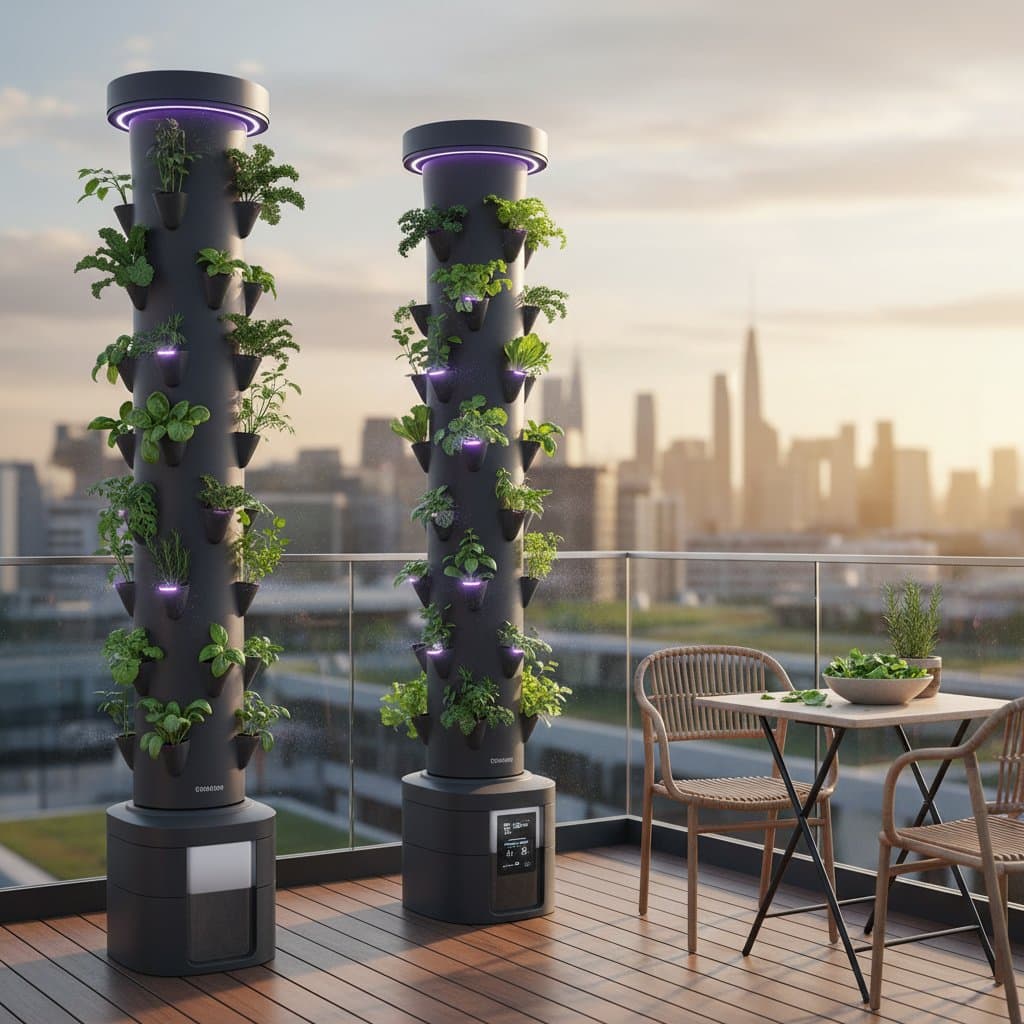
Connect the pump to the power source and activate it for five minutes. Verify that the spray heads distribute mist uniformly across all levels of the tower. Fine-tune the fittings as necessary to ensure complete root coverage.
Practical Advice: Install a timer to operate the pump for 15 minutes every hour. This schedule maintains optimal root moisture without saturation.
5. Insert Seedlings
Secure seedlings or seed plugs into the net pots. Arrange the roots to dangle freely within the tower interior. Refrain from overcrowding; allow sufficient space for each plant to develop.
6. Observe and Adjust
Inspect the reservoir every two days and replenish with fresh water when levels drop. Renew the nutrient solution on a weekly basis. Monitor for signs of yellowing leaves, which often indicate nitrogen deficiency or pH imbalance.
7. Harvest and Replant
Harvest outer leaves regularly to promote continuous growth. Upon completing a plant's cycle, remove the net pot, rinse it thoroughly, and introduce a fresh seed plug. This rotation method sustains productivity throughout the year.
Safety Considerations
Position all electrical connections well above the water line to prevent hazards. Never operate the pump without sufficient water, as this risks overheating. Opt for plastic containers over glass to minimize breakage risks.
For households with pets, fasten cords securely and seal the reservoir lid. Wash hands prior to handling roots to avoid introducing contaminants.
When incorporating grow lights, attach them using clips designed for outdoor conditions. Route cords away from any mist or water exposure.
Troubleshooting Common Issues
Pump Failure
- Verify the power outlet and timer functionality.
- Clear any debris from the pump filter.
- Replace the unit if the motor produces unusual noises or excessive heat.
Plants Experiencing Dryness
- Extend the pump cycle duration or frequency.
- Inspect and unclog spray heads.
- Confirm that the water level submerges the pump intake.
Algae Development
- Shield the reservoir from direct sunlight.
- Perform biweekly cleaning with a mild detergent.
- Maintain pH levels around 6.0 to inhibit growth.
Browning Leaf Tips
- Dilute the nutrient solution by 25 percent if concentrations appear excessive.
- Flush the system with plain water for 24 hours before resuming nutrient application.
Reservoir Odors
- Incorporate a small air stone to enhance oxygenation.
- Drain and rinse all components completely.
- Remove any decaying roots promptly.
Maintain a dedicated notebook to log observations. Patterns will emerge over time, enabling precise adjustments tailored to your balcony's conditions.
Budget and Time Investment
Assembly of a basic tower requires one afternoon. Ongoing maintenance demands approximately one hour weekly. Consider this cost outline:
- Tower Kit: $300
- Monthly Nutrients: $15 to $25
- Pump and Light Electricity: $3 to $5 per month
- Annual Replacement Parts: Approximately $30
Leafy greens typically complete a cycle in four to six weeks, allowing multiple harvests per season. A well-managed tower produces about 40 pounds (18 kilograms) of yield annually.
To optimize expenses, capture rainwater for reservoir refills and select energy-efficient LED lights. Prioritize quality in pumps and tubing, as consistent water flow forms the system's foundation.
Routine Maintenance
Hygiene ensures long-term reliability. Conduct this procedure every two weeks:
- Disconnect the pump power.
- Drain the reservoir into a collection bucket.
- Scrub interiors gently with a soft brush and mild detergent.
- Rinse thoroughly twice before refilling with nutrient solution.
- Wipe exterior surfaces to eliminate potential algae buildup.
Quarterly, examine spray heads and tubing for blockages; replace as needed. Disassemble the pump to clear the impeller of debris. Address reduced flow promptly to protect the motor.
During inter-cycle periods, extract all plants and disinfect the tower using a diluted vinegar solution. Allow complete drying prior to reuse.
Efficient Storage Solutions
Store nutrients and pH adjusters in a sealed, heat-protected bin. Apply clear labels to prevent errors. House spare net pots and plugs in a dry, accessible container. Group cleaning tools and gloves for streamlined upkeep.
In space-constrained balconies, employ a vertical shelving unit for tools, nutrients, and seedlings. A compact storage bench doubles as seating and supply organizer.
Seasonal Adjustments
Adapt practices to weather shifts for consistent performance.
-
Spring: Initiate seedlings indoors until temperatures stabilize. Renew spray heads and inspect seals.
-
Summer: Monitor water levels more frequently due to heightened evaporation. Provide shade for the reservoir to regulate root temperatures.
-
Fall: Lower nutrient concentrations as light diminishes. Integrate low-heat LED supplementation if required.
-
Winter: Relocate the tower to a sunlit window or transition indoors with grow lights. Safeguard cords against excess humidity.
These targeted changes support year-round stability and output.
Professional Assistance
Homeowners resolve most challenges independently. Engage a hydroponics specialist for:
- Damaged pump wiring or electrical faults.
- Leaks from fractured joints.
- Persistent plant failures linked to nutrient or pH issues.
- Complex setups involving multiple towers and shared reservoirs.
Professionals assess electrical integrity, flow rates, and solution balances. Service calls, including repairs, range from $50 to $100.
Integrating the System into Daily Life
A functional tower integrates seamlessly, offering the gentle pump rhythm and vibrant growth that enhance balcony serenity. Mastery develops through routine pH testing, nutrient monitoring, and light management, fostering skills for expanded gardening ventures.
In family settings, children engage actively, harvesting herbs for meals or observing regrowth cycles. This hands-on experience delivers tangible rewards absent in digital activities, while minimizing the distance from garden to table.
Strategies for Optimal Results
- Select Quick-Maturing Varieties: Begin with lettuce, basil, or mint to gain rapid feedback and system familiarity.
- Organize by Height: Position taller plants at the base and compact ones higher for balanced illumination.
- Prepare Replacements: Maintain a stock of seedlings to minimize downtime after harvests.
- Tag for Tracking: Affix waterproof labels to pots, noting varieties and performance metrics.
- Monitor Solution Balance: Adhere to manufacturer guidelines, with weekly pH verification to sustain ideal conditions.
Advancing Your Setup
With these practices in place, expand by experimenting with diverse crops or scaling to additional towers. Track yields to refine techniques, turning your balcony into a reliable source of fresh produce. Consistent attention yields bountiful, homegrown rewards season after season.