
Introduction
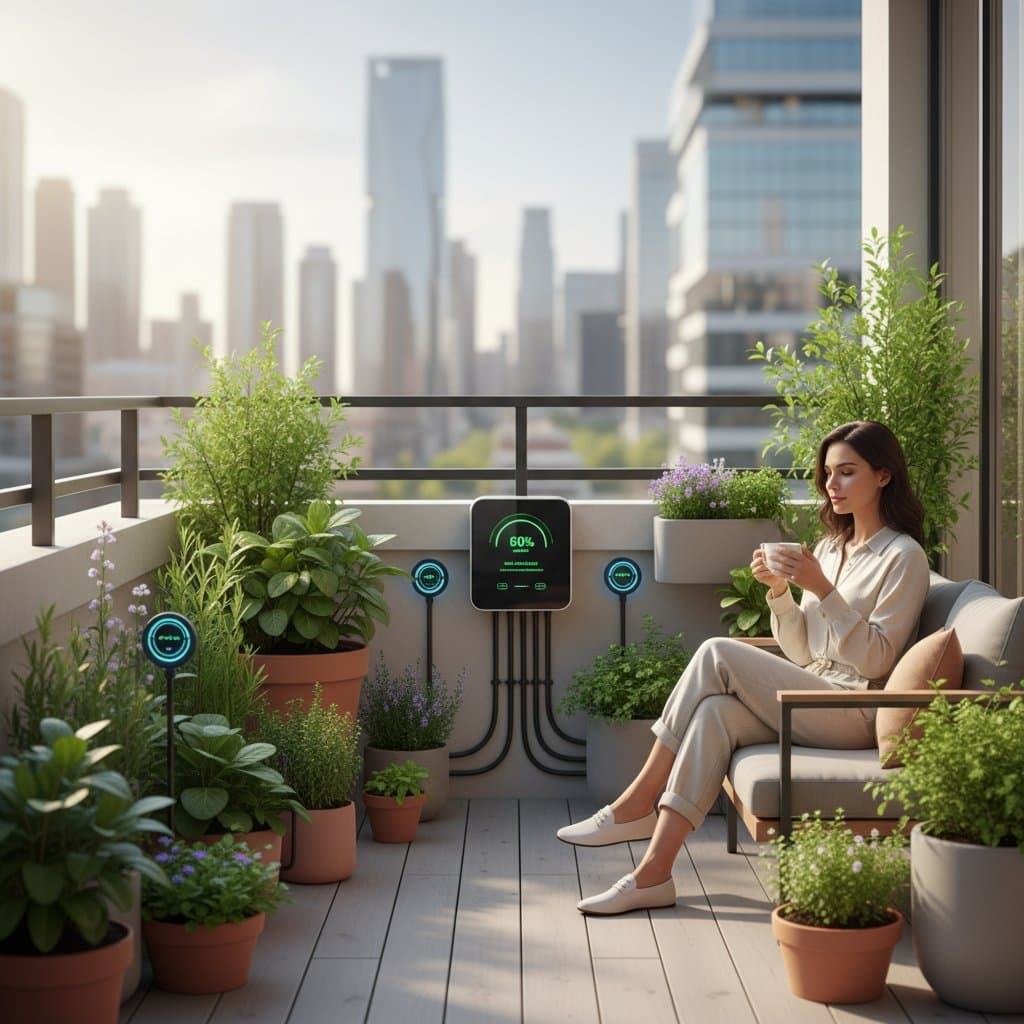
AI powered micro drip systems deliver water directly to balcony plant roots based on real time soil data. These setups reduce manual watering time and cut overall water use by up to 60 percent. Homeowners gain consistent plant health without daily checks.
Initial Setup Steps
Mount the controller near a water source and connect the main supply line. Run tubing along the balcony edge and position emitters at each pot. Secure all connections with outdoor rated clamps to prevent movement during wind or rain.
Place soil moisture sensors two inches below the surface in representative pots. Pair the controller with the companion app and enter basic plant details such as herb type and pot size. The system records initial readings before any automated schedule begins.
Calibration and Testing
Run the system once manually. Watch each pot to confirm even flow. The app will track moisture readings for a few days before switching to automatic mode. During this learning period, check soil moisture by hand to confirm accuracy.
Safety Considerations
Keep cords and connectors off wet surfaces to avoid short circuits. Do not run tubing through doorways where it can pinch or leak. Use only outdoor rated power adapters and weatherproof plugs. Avoid using untreated tap water if your pipes have rust or mineral buildup. A small inline filter can prevent clogging.
Troubleshooting Common Problems
Uneven watering often results from kinked tubing or clogged emitters. Soak blocked drippers in warm water with a little vinegar. No water flow usually indicates low pump or faucet pressure. Replace batteries in battery powered controllers and reset the unit if needed.
Overwatering alerts may appear when sensors sit too close to the surface. Move sensors slightly deeper or offset them from drippers. Shallow placement can misread splash as moisture. Wi Fi dropouts are reduced by keeping the controller within 30 feet of the router or adding a signal booster. Most systems store schedules locally until reconnection.
Budget and Time Requirements
A balcony setup takes about two hours to install the first time. Maintenance adds ten minutes per week for refilling a tank or checking filters. Expect replacement tubing or emitters to cost about 10 dollars a year. If you have more than twenty pots or want multiple watering zones, professional installation may run from 200 to 400 dollars. Ask for a setup that includes adjustable pressure regulators and a clear maintenance plan.
Routine Maintenance
Every two weeks, flush the main line by removing the end cap and running water for one minute. Wipe sensors clean of soil film. Once a month, inspect drippers for blockages or algae. In colder seasons, drain lines and store the controller indoors. If your balcony gets heavy sun, replace tubing every two years to prevent brittleness.
Storage Practices
Keep extra fittings and tubing in a small labeled box. Store the app QR codes and manuals in a sealed zip bag near the faucet. If your system uses a portable water tank, clean it with mild soap every month to prevent odor. A small folding step stool helps reach hanging planters without strain.
Professional Assistance
Complex multi zone layouts or structural mounting on older railings benefit from professional review. Technicians can verify pressure balance across all lines and integrate weather sensors for automatic rain shutoff.
Tracking Garden Progress
Keep a short log in your app of plant types and watering notes. Over time, the AI will refine its patterns, and you will see steadier growth with less guesswork. The best part is what you gain back: quiet mornings with coffee, not a watering can.