Loading...

AI Watering Sensors for Healthy Deck Gardens | urbanoutdoorsnyc.com | Urban Outdoors - Small-Space Gardens, Rooftop Decks, Balconies, Decks, Backyard Design
Skip to main content
Urban Outdoors
Search
Home
  1. Home
  2. /
  3. Small-Space Gardens
  4. /
  5. AI Sensors Stop Deck Plants From Drying Out
Small-Space Gardens

AI Sensors Stop Deck Plants From Drying Out

bySheila Spaulding
2026-01-09 04:28:05January 9, 2026
7 min read
Featured image for AI Sensors Stop Deck Plants From Drying Out

Categories

Navigation

  • Home
  • All Articles
  • About Us
  • Privacy Policy
  • Terms of Service

© 2026 Urban Outdoors. Crafted for bold city dwellers.

2026-01-09 04:28:05
Urban Outdoors - Small-Space Gardens, Rooftop Decks, Balconies, Decks, Backyard Design

Introduction to AI Watering Sensors for Deck Gardens

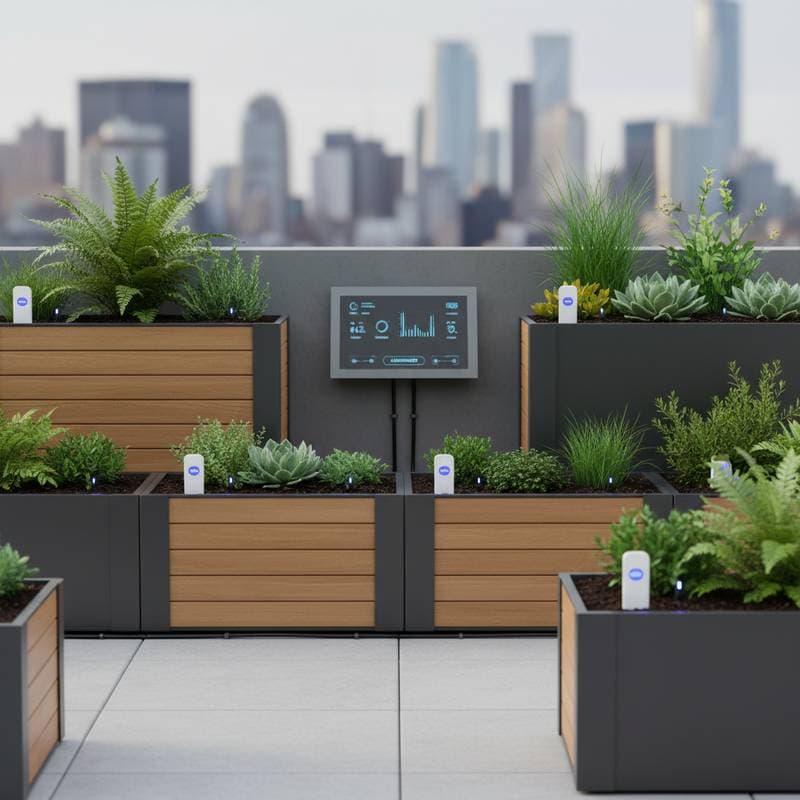
Urban deck gardens face unique challenges, such as limited space, variable sunlight, and inconsistent watering schedules. AI-powered sensors address these issues by monitoring soil moisture, light exposure, and temperature in real time. These devices connect to a central controller that adjusts irrigation automatically, ensuring plants receive precise amounts of water without human intervention.

This technology suits busy city dwellers who want lush greenery without daily chores. Systems typically include soil probes, emitters, tubing, and a smartphone app for oversight. By integrating data-driven decisions, they promote healthier growth and resource efficiency.

Key Benefits of AI Sensors

AI sensors offer several advantages over manual watering. They prevent over- or under-watering, which can lead to root rot or wilting. Real-time adjustments account for weather fluctuations, reducing plant stress during heatwaves or dry spells.

Users report stronger yields and fewer losses. For example, herbs like basil thrive with consistent moisture, while tomatoes benefit from tailored cycles that mimic natural rainfall. Beyond plant health, these systems conserve water, potentially cutting usage by up to 40 percent.

Installation proves straightforward for most setups. Basic kits cost between 50 and 150 dollars and serve 4 to 10 pots. Advanced models with weather integration start at 200 dollars but provide greater automation.

Choosing the Right System

Select sensors based on your deck size and plant types. For small herb collections, opt for battery-powered probes with simple drip emitters. Larger gardens require hub-based systems that support multiple zones.

Look for features like app compatibility, weather API access, and expandable tubing. Brands with strong customer support and easy calibration earn high marks. Read reviews for reliability in humid or windy conditions common to urban decks.

Budget for extras such as extension cords or mounting brackets. Solar options reduce long-term costs, while wired models ensure stable power in shaded areas.

Step-by-Step Setup Guide

Step 1: Gather Materials

Assemble your kit, including sensors, controller, tubing, emitters, and power source. Measure deck space to determine tubing length; add 20 percent extra for adjustments. Ensure pots have adequate drainage to avoid water buildup.

Step 2: Position the Controller

Place the controller near a power outlet or in a weatherproof enclosure. Connect it to your home Wi-Fi for app control. Position it centrally to minimize tubing runs and signal interference from railings.

Step 3: Install Sensors and Tubing

Insert soil probes 2 to 4 inches deep near plant roots, avoiding direct contact with stems. Run tubing from the controller to each pot, securing emitters at the base. Use stakes or clips to hold lines in place against wind.

Step 4: Connect Water Source

Attach the inlet to a hose bib or rain barrel. Install a pressure regulator if your water supply exceeds 30 PSI to protect components. Test connections for leaks before full activation.

Step 5: Calibrate Moisture Levels

Open the app, select each sensor, and set a target moisture range. Most herbs prefer 40 to 60 percent soil moisture. Flowering plants often stay healthier at 50 to 70 percent. The app will guide you through a short learning phase where it records how fast your soil dries.

Step 6: Test and Adjust

Run a manual watering cycle for 2 minutes. Check that each emitter drips evenly and that water reaches the sensors. Wait a few hours, then read sensor data again. If soil remains too wet, reduce the emitter flow. If too dry, increase watering duration by one minute per cycle.

Troubleshooting Common Issues

Uneven Watering Between Pots

Check if all emitters flow at the same rate. Replace clogged ones and flush the line once a month. If one sensor reads low while others stay high, recalibrate that sensor in moist soil.

App Connection Errors

Move the controller closer to your Wi-Fi source or add a small signal extender. Many decks block signals with metal railings or thick walls.

Soil Stays Waterlogged

Lower the target moisture range by 5 percent. Confirm your planters have drainage holes at least half an inch wide. Add a layer of gravel or coarse bark at the bottom if needed.

Batteries Drain Quickly

Use high-quality rechargeable batteries and check firmware updates. Some models use more power when sending data too often. Adjust the update rate to every 30 minutes instead of every 5 minutes.

Ongoing Maintenance Practices

Keep your automated system in good shape with these habits:

  • Clean emitters and tubing every two months to prevent mineral buildup.
  • Recharge or replace batteries twice per season or as the app alerts.
  • Inspect sensors for corrosion or loose soil contact.
  • Flush lines before winter to prevent freezing damage.
  • Store sensors indoors if not rated for frost exposure.

A short 15-minute check every few weeks keeps the system accurate and extends its lifespan. Most sensors last about three to five seasons before replacement.

Seasonal Care Adjustments

Spring Preparation

Reinstall sensors, test flow, and calibrate moisture levels after repotting.

Summer Monitoring

Check readings twice weekly during heat waves. Clean emitters monthly.

Autumn Adjustments

Reduce watering frequency as temperatures drop and plants slow growth.

Winter Storage

Drain lines, remove sensors, and store components in a dry place if freezing is expected.

These small seasonal checks prevent damage and keep automation running smoothly year-round.

Professional Assistance for Complex Setups

If you run a large deck garden or rooftop setup with more than ten planters, consider hiring a plumber or irrigation technician. They can ensure proper water pressure and safe electrical connections. This costs around 150 to 300 dollars depending on scope but prevents leaks and wiring errors.

Call a professional if you notice repeated sensor failures, unexplained water use spikes, or low pressure at the emitters even after flushing. They have testing tools to locate kinks or blockages that are hard to see.

The Adaptive Learning Process in AI Systems

AI watering systems do more than switch valves. They gather long-term data about how your deck microclimate behaves. Over a few weeks, the software tracks sunlight patterns, shade hours, and evaporation rates. It then refines watering times to match those conditions.

Some systems integrate with weather forecasts. When rain is expected, they skip watering to save water. Others track temperature drops and protect cold-sensitive plants by reducing water that could freeze. The more data they collect, the better the balance they achieve between moisture and airflow in the soil.

This adaptive learning is what separates AI-driven systems from traditional timers. Once tuned, you can trust them to handle changing conditions without daily input.

Environmental and Efficiency Gains

AI watering reduces waste by focusing on precision rather than routine. Over time, you may use 25 to 40 percent less water compared to manual watering. That means less runoff, lower bills, and fewer nutrients washed away from soil.

Efficient watering also improves root health. Consistent moisture encourages roots to grow deeper, which stabilizes plants against wind. This matters on decks where pots are often light and exposed.

Choosing solar-powered controllers and rechargeable batteries keeps the system eco-friendly. Many brands now design hardware with recyclable materials and minimal packaging.

Enhancing with Smart Home Features

For those who already use smart home devices, most AI watering systems can sync with voice assistants or home hubs. You can check soil status or start watering with a quick voice command. Some apps send alerts to remind you when fertilizer is due or when sensors detect unusual dryness.

Implementing Your Deck Garden Automation

Start by assessing your current setup and selecting a compatible system. Follow the setup steps to integrate it seamlessly. Monitor initial performance and adjust as needed to optimize results.

With AI sensors in place, your deck transforms into a low-maintenance oasis. Enjoy vibrant plants and the peace of mind that comes from smart, sustainable care.

You Might Also Like

Solar Drip Systems Keep Deck Gardens Watered Automatically

Watering 50+ Pots From a Single Faucet

Simple Drip Systems That Water While You Work

Turn Your Deck into a Clean Energy Generator

Solar Pavers Turn Sunlight Into Outdoor Power

Tagged:

garden,IoT,sensors,smart,automated,planters,watering,automated-watering,smart-garden-sensors

Recent by Sheila Spaulding

Image for Solar Pavers Convert Steps and Sunlight Into Power

Solar Pavers Convert Steps and Sunlight Into Power

Feb 2, 2026
Image for Grow 30 Plants in 2 Feet Using Nutrient Mist

Grow 30 Plants in 2 Feet Using Nutrient Mist

Feb 1, 2026
Image for Mycelium Boards Replace Wood in Sustainable Decking

Mycelium Boards Replace Wood in Sustainable Decking

Feb 1, 2026
Image for Solar Pergolas Turn Small Patios Into Power Sources

Solar Pergolas Turn Small Patios Into Power Sources

Feb 1, 2026
Image for Stop Balcony Noise With Layers That Block and Absorb Sound

Stop Balcony Noise With Layers That Block and Absorb Sound

Jan 31, 2026

garden

Image for Solar Drip Systems Keep Deck Gardens Watered Automatically

Solar Drip Systems Keep Deck Gardens Watered Automatically

Feb 2, 2026
Image for Microclimate Pods Extend Growing Season on Balconies

Microclimate Pods Extend Growing Season on Balconies

Jan 26, 2026
Image for Three Square Feet of Balcony That Feeds Urban Bees

Small-Space Gardens

Watering 50+ Pots From a Single Faucet

Convert your balcony's potted plants into a low-maintenance green haven using a micro-drip irrigation system. This practical guide details automatic watering for more than 50 pots, eliminating daily tasks while ensuring optimal hydration. Explore essential tools, installation from testing to timing, plus solutions for common issues and upkeep strategies for sustained success.

Feb 2, 2026

Grow 30 Plants in 2 Feet Using Nutrient Mist

Transform a narrow balcony into a productive aeroponic farm by 2026. These soil-free towers support up to 30 plants with efficient nutrient mist, delivering year-round greens while minimizing water use, space demands, and maintenance.

Feb 1, 2026

Simple Drip Systems That Water While You Work

Elevate your urban balcony garden with a simple, app-free micro drip irrigation system. This practical guide covers tools, installation steps, troubleshooting, and maintenance to ensure reliable watering and vibrant plants, even during busy schedules.

Jan 31, 2026

Categories

Deck Construction & Remodeling(158)
Balcony Design(146)
Small-Space Gardens(63)
Rooftop Decks(50)
Backyard Design(18)

Three Square Feet of Balcony That Feeds Urban Bees

Jan 25, 2026
Image for AI Cameras That Water Plants and Deter Deck Pests

AI Cameras That Water Plants and Deter Deck Pests

Jan 21, 2026
Image for Map Your Deck's Hot Spots Before You Zone

Map Your Deck's Hot Spots Before You Zone

Jan 19, 2026

How Urban Gardens Cut City Noise by 70%

Convert your bustling urban garden into a tranquil haven using layered vegetation and sound-dampening materials. This comprehensive guide details how evergreens, grasses, mulch, and permeable surfaces can diminish noise by up to 70 percent, fostering a soothing space that filters out urban clamor while enhancing natural serenity.

Jan 31, 2026

Living Sound Filters for City Apartments

Convert urban clamor into tranquility using acoustic plants as living sound barriers. This guide details optimal plant selection, strategic placement, and upkeep for effective noise reduction in tight city dwellings. Affordable and aesthetically pleasing, these green solutions deliver enduring calm without major alterations.

Jan 30, 2026

Mini Bog Gardens Bring Wetland Habitats to Balconies

Turn a standard balcony into a vibrant mini bog garden that mimics natural wetlands. Assemble a self-sustaining system with layered substrates, precise watering techniques, and native plants to foster biodiversity and create an engaging urban green space.

Jan 28, 2026

Why Shade Apps Unlock Perfect Balcony Gardens

Elevate your balcony garden using shade apps to precisely map sunlight exposure. Gain insights on plant selection for specific light zones, easy scanning techniques, and cost-effective tools. Uncover strategies for seasonal adjustments to cultivate a vibrant, sustainable urban oasis.

Jan 28, 2026

Microclimate Pods Extend Growing Season on Balconies

Turn your balcony or rooftop into a productive garden that defies seasonal limits with microclimate pods. These innovative enclosures maintain optimal warmth, humidity, and airflow. Follow this comprehensive guide for construction, plant selection, safety measures, and ongoing care to harvest greens and herbs throughout the year.

Jan 26, 2026

Three Square Feet of Balcony That Feeds Urban Bees

In the heart of urban living, three square feet of balcony can become a thriving haven for bees. This guide details plant selections, container arrangements, and maintenance practices to attract pollinators throughout the year. With modest investment and simple routines, your compact space contributes to healthier ecosystems and serene outdoor moments.

Jan 25, 2026

Aeroponic Towers Fit Full Veggie Gardens in 4 Feet

Convert a compact balcony into a productive, soil-free vegetable garden using aeroponic towers. This detailed guide covers planning, assembly, and maintenance for a lightweight system that delivers abundant yields while fitting urban constraints like limited space and sunlight.

Jan 24, 2026

Balcony Microclimates That Triple Your Harvest

Transform your balcony garden by identifying and leveraging microclimates—warm pockets, windy perimeters, and shaded retreats—that influence plant success. Map exposure to light, air, and temperature; assign suitable crops to zones; and adapt seasonally for a bountiful, year-round harvest in compact settings.

Jan 23, 2026

Balcony Mushroom Farms That Pay for Themselves

Transform your shaded balcony into a profitable mushroom farm producing gourmet varieties like oyster and shiitake. This guide covers setup, maintenance, harvesting, and sales strategies to generate steady income from urban space with minimal effort.

Jan 21, 2026

Acoustic Walls Cut Neighbor Noise Without Renovating

Achieve tranquility in bustling urban environments through acoustic walls, strategic sealing, and sound-absorbing plants. This guide provides practical installation steps, affordable material recommendations, and maintenance tips to create a serene home without extensive renovations.

Jan 18, 2026

Plants Cut City Noise With Layers and Smart Placement

Convert urban balconies or courtyards into tranquil refuges with sound-absorbing plants. Discover layering techniques featuring bamboo, evergreens, and grasses to diffuse noise, plus essential tips on selection, positioning, care, and affordability for compact green spaces.

Jan 17, 2026

Turn Your Balcony Into a Pollinator Stopover

Convert your balcony into a vibrant pollinator habitat that draws in bees, butterflies, and hummingbirds. Employ native plants, fresh water sources, and basic containers to promote urban biodiversity, improve air quality, and establish a serene green oasis, all achievable for less than seventy dollars with minimal weekly maintenance.

Jan 17, 2026

Dwarf Fruit Trees Turn Tiny Balconies into Orchards

Even the tiniest balcony can become a productive orchard with dwarf fruit trees. Compact options like Meyer lemon and dwarf apple varieties yield full-sized fruit in containers. This guide provides essential steps for setup, ongoing care, and troubleshooting to help city dwellers cultivate fresh produce just steps from their living spaces.

Jan 15, 2026

Turning Nine Square Feet Into a Pollinator Haven

Convert a modest 3x3 balcony into a dynamic micro-meadow that supports bees, butterflies, and birds. This comprehensive guide explains the process of designing, planting, and sustaining a lightweight, low-maintenance native plant habitat that delivers seasonal blooms, tranquility, and environmental benefits to city dwellers.

Jan 15, 2026

AI Garden Cams Catch Plant Problems Before They Spread

AI garden cameras leverage smart sensors and machine learning to track plant health, identify stress indicators promptly, and provide targeted care recommendations. This comprehensive guide covers device selection, installation procedures, data interpretation, and optimization strategies for watering and lighting, enabling urban gardeners to sustain healthy plants with reduced uncertainty and minimal effort.

Jan 14, 2026

Why Wildflower Balconies Supercharge Urban Pollinators

Convert your balcony into a buzzing mini-ecosystem that sustains urban pollinators. Explore native wildflower choices, efficient container arrangements, and simple maintenance routines to build lasting habitats in compact city areas. Gain insights into budget-friendly supplies, time commitments, and year-round strategies for a pollinator paradise.

Jan 12, 2026

AI Sensors Stop Deck Plants From Drying Out

AI sensors revolutionize deck gardening with automated watering based on real-time environmental data. This comprehensive guide covers installation, calibration, troubleshooting, and maintenance to ensure thriving plants, water savings, and minimal effort in compact urban spaces.

Jan 9, 2026