Loading...

Build a Living Grass Bench to Cool Your Deck | urbanoutdoorsnyc.com | Urban Outdoors - Small-Space Gardens, Rooftop Decks, Balconies, Decks, Backyard Design
Skip to main content
Urban Outdoors
Search
Home
  1. Home
  2. /
  3. Deck Construction & Remodeling
  4. /
  5. Build a Living Grass Bench That Cools Your Deck
Deck Construction & Remodeling

Build a Living Grass Bench That Cools Your Deck

byDawn Hayden
2025-10-29 03:46:17October 29, 2025
5 min read
Featured image for Build a Living Grass Bench That Cools Your Deck

Categories

Navigation

  • Home
  • All Articles
  • About Us
  • Privacy Policy
  • Terms of Service

© 2026 Urban Outdoors. Crafted for bold city dwellers.

2025-10-29 03:46:17
Urban Outdoors - Small-Space Gardens, Rooftop Decks, Balconies, Decks, Backyard Design

Transform Your Deck with Soil-Grown Living Seats

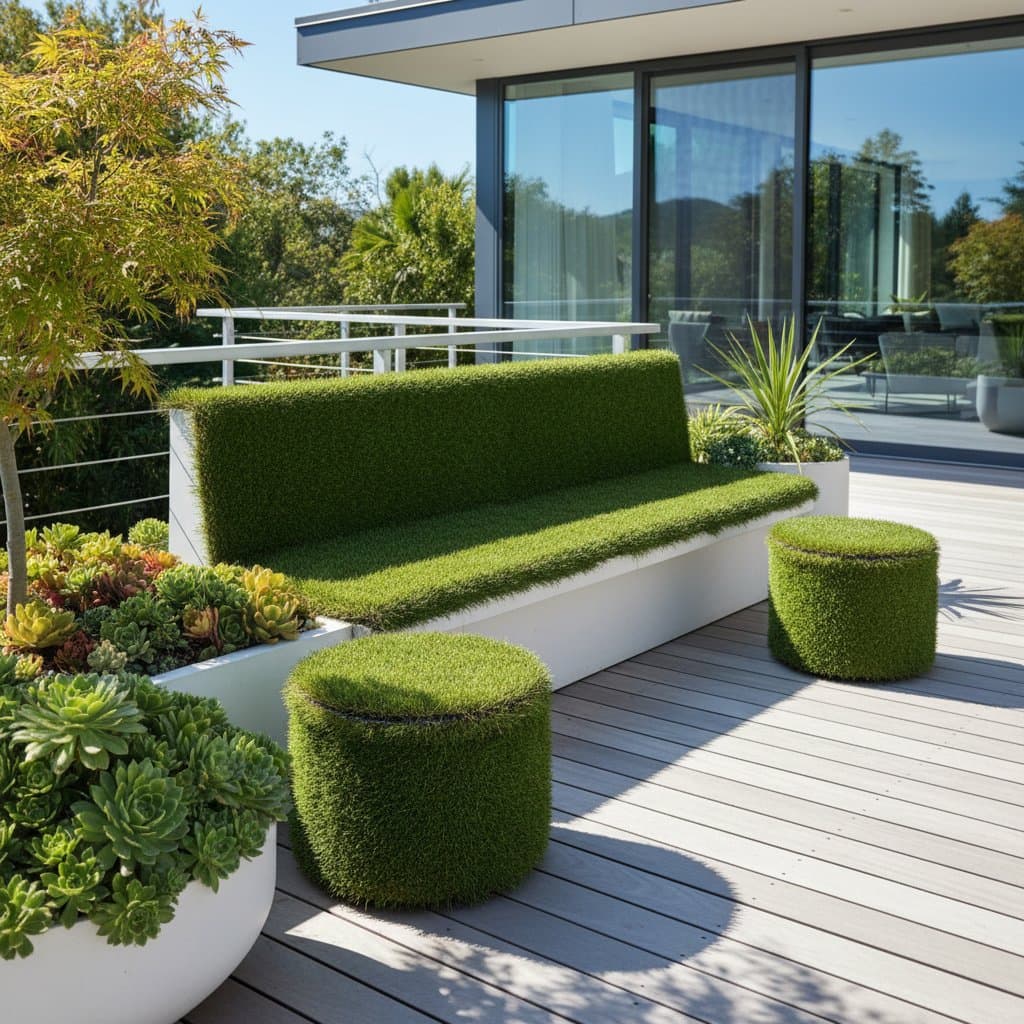
Decks often present a clean appearance yet feel rigid and unchanging. When you sit upon them, a desire for vitality emerges. A soil-grown living seat addresses this by converting a deck section into a soft, vegetated resting area that evolves with the seasons.

The objective remains straightforward: construct a bench or stool topped with living grass or groundcover rooted in soil. This guide details planning, planting, and maintenance to ensure the feature remains vibrant and durable.

Overview

A living seat consists of a bench, ottoman, or low platform that accommodates a shallow soil layer supporting live plants. Options include grass, clover, or creeping thyme, which create a verdant cushion. The underlying frame provides stability, while the surface offers a dynamic texture suitable for hands or bare feet.

Benefits extend past aesthetics. The vegetation lowers ambient temperatures on the deck, dampens noise, and captures airborne particles. Compared to wood or stone, grass seating minimizes reflective light, fostering a serene environment. This approach eliminates reliance on synthetic cushions.

Proper construction allows a living bench to endure for years through routine watering and pruning. In colder climates, remove the soil layer during winter for dry storage.

Tools and Materials

Assemble these essential items for a 4-foot by 2-foot bench.

  • One wooden or metal frame, at least 12 inches high, treated for exterior durability
  • One waterproof liner, such as pond-grade plastic sheeting
  • One drainage mat or a 2-inch layer of gravel
  • Two cubic feet of lightweight potting soil
  • One pound of grass seed or 16 groundcover plugs
  • Hand trowel, drill, and staple gun
  • Watering can or hose equipped with a gentle spray nozzle

Select rot-resistant cedar lumber or composite materials. For direct contact seating, apply natural sealants and avoid chemical treatments.

Steps

Step 1: Prepare the Frame

Verify that the bench or box withstands the load of saturated soil, approximately 15 pounds per square foot. Secure corners using metal brackets for added reinforcement. Sand rough edges to prevent injury and ensure smooth assembly.

Step 2: Line the Interior

Attach the waterproof liner to the inner walls with staples or adhesive tape. Create small drainage holes along one lower edge. Position the gravel layer or drainage mat at the base to facilitate excess water flow.

Step 3: Add Soil

Fill the lined frame with potting mix to a uniform depth, maintaining a 1-inch gap from the top edge. Smooth the surface manually. Select soil that promotes root expansion, such as a blend with perlite for aeration.

Step 4: Plant the Surface

Distribute grass seeds evenly or position groundcover plugs at 3-inch intervals. Press them lightly into the soil for initial contact. Apply a fine mist of water to achieve consistent moisture without displacement.

Step 5: Position the Bench

Place the assembly in a location receiving partial sunlight. Grass requires a minimum of four hours of direct light daily, whereas creeping thyme or moss tolerates shaded conditions. Restrict foot traffic until roots establish firmly, typically two to three weeks.

Step 6: Establish Growth

Maintain soil moisture during the initial two weeks by watering daily if necessary. As vegetation densifies, prune every 10 to 14 days using scissors or shears. This practice promotes uniform height and enhances seating comfort.

Safety Considerations

  • Confirm weight capacities prior to accommodating multiple occupants.
  • Don gloves during soil handling or fertilizer application.
  • Position electrical elements, such as cords or lights, distant from moist areas.
  • Secure a non-slip mat beneath the bench on polished deck surfaces.

Troubleshooting Common Issues

Yellowing grass indicates potential drainage problems. Excess moisture may drown roots; inspect and enlarge liner perforations to improve outflow.

Bare spots require reseeding followed by a light soil covering. Sustain moisture for several days to encourage germination.

Mold growth or unpleasant odors signal over-saturation. Excavate the top soil inch, substitute with fresh material, and expose the bench to sunlight for drying.

Ongoing Maintenance and Storage

Living seats demand consistent yet minimal attention.

  • Irrigate weekly under moderate conditions, increasing to twice weekly in high heat.
  • Prune grass to 2 inches or selectively trim groundcover tips.
  • Incorporate a half-inch compost layer annually in spring for nutrient replenishment.

In freezing regions, extract the liner and store it in a protected shed. Allow the frame to air dry under cover. Refresh soil and replant as needed in spring.

Cost and Time Estimates

Materials for a compact bench range from 60 to 120 dollars. Seeding proves more economical than purchasing plugs. Complete assembly and planting in three to five hours. Subsequent upkeep involves 10 minutes weekly for irrigation and grooming.

Seasonal Care Guidelines

During warmer periods, apply diluted liquid fertilizer monthly to support growth. Reduce irrigation in cooler weather, permitting slight soil dryness. Inspect beneath foliage for pests; treat with a mild soapy solution if detected. Reposition the bench periodically to ensure balanced light exposure across all surfaces.

Professional Assistance

Engage a landscaper or carpenter for benches exceeding 6 feet in width or integrated into deck structures. Inquire about structural load ratings, optimal drainage slopes, and durable waterproofing applications.

Essential Actions to Begin

  1. Identify a deck space receiving morning or afternoon sunlight and measure its dimensions.
  2. Acquire a suitable planter box and potting soil to experiment with a trial section.
  3. Schedule initial construction for a mild weekend, allowing time for planting and observation.

Through basic tools and diligent watering, convert your deck into an authentic living space. This green foundation delivers tranquility with every use, nurturing both comfort and the environment.

You Might Also Like

Deck Benches That Turn Scraps Into Garden Soil

Fold-Up Balcony Beds Turn City Patios Into Bedrooms

Fold-Down Tables That Turn Tiny Balconies Into Dining Spots

Sunken Fire Pits Create Intimate Outdoor Rooms

Fold-Away Furniture That Doubles Balcony Space

Tagged:

furniture,living,grass,seating,benches,living-furniture,grass-benches,planted,planted-seating

Recent by Dawn Hayden

Image for Glass Deck Floors That Skylight the Space Below

Glass Deck Floors That Skylight the Space Below

Feb 2, 2026
Image for Cut Deck Noise with Acoustic Privacy Screens

Cut Deck Noise with Acoustic Privacy Screens

Feb 1, 2026
Image for Deck Benches That Turn Scraps Into Garden Soil

Deck Benches That Turn Scraps Into Garden Soil

Jan 31, 2026
Image for Cool Balconies 15° Cheaper with Micro-Misting Systems

Cool Balconies 15° Cheaper with Micro-Misting Systems

Jan 30, 2026
Image for Living Sound Filters for City Apartments

Living Sound Filters for City Apartments

Jan 30, 2026

furniture

Image for Deck Benches That Turn Scraps Into Garden Soil

Deck Benches That Turn Scraps Into Garden Soil

Jan 31, 2026
Image for Fold-Up Balcony Beds Turn City Patios Into Bedrooms

Fold-Up Balcony Beds Turn City Patios Into Bedrooms

Jan 23, 2026
Image for Fold-Down Tables That Turn Tiny Balconies Into Dining Spots

Deck Construction & Remodeling

Solar Drip Systems Keep Deck Gardens Watered Automatically

Elevate your deck gardening with solar-powered drip irrigation for precise, hands-free watering. This guide covers final setup steps, safety measures, common fixes, cost breakdowns, and year-round care to foster healthy plants with minimal intervention.

Feb 2, 2026

Solar Pavers Convert Steps and Sunlight Into Power

Elevate your outdoor paths with solar pavers that generate electricity from sunlight and movement. This comprehensive resource outlines functionality, step-by-step setup, budgeting, troubleshooting, and ways to apply the power for lighting or devices—all while promoting green living.

Feb 2, 2026

Glass Deck Floors That Skylight the Space Below

Elevate your deck design with glass floor panels that function as skylights, flooding lower areas with natural light while delivering a sleek, contemporary look. This resource provides in-depth coverage of benefits, essential materials, step-by-step installation, safety protocols, maintenance routines, and guidance on when to hire experts—all to optimize your outdoor environment for light, style, and longevity.

Categories

Deck Construction & Remodeling(158)
Balcony Design(146)
Small-Space Gardens(63)
Rooftop Decks(50)
Backyard Design(18)

Fold-Down Tables That Turn Tiny Balconies Into Dining Spots

Jan 19, 2026
Image for Fold-Away Furniture That Doubles Balcony Space

Fold-Away Furniture That Doubles Balcony Space

Dec 24, 2025
Image for Fire Planter Tables Solve Three Small Deck Problems

Fire Planter Tables Solve Three Small Deck Problems

Nov 30, 2025
Feb 2, 2026

Mycelium Boards Replace Wood in Sustainable Decking

Mycelium decking redefines sustainable outdoor design with boards cultivated from fungal roots and agricultural waste. These lightweight, compostable planks match wood's strength while minimizing environmental impact. This guide covers planning, installation, and care for a resilient, green yard addition.

Feb 1, 2026

Cut Deck Noise with Acoustic Privacy Screens

Turn urban deck noise into peaceful quiet with acoustic privacy screens. Explore sound-blocking options, step-by-step installation, upkeep advice, and cost-effective choices for a more enjoyable outdoor space throughout the year.

Feb 1, 2026

Deck Benches That Turn Scraps Into Garden Soil

Convert your deck into an eco-friendly oasis with a composting bench that serves as both comfortable seating and efficient soil producer. This comprehensive guide details construction steps, material needs, troubleshooting, and seasonal care to minimize waste and maximize garden yields.

Jan 31, 2026

Permeable Pavers Stop Flooding and Raise Property Value

Permeable pavers convert waterlogged areas into resilient, environmentally friendly surfaces. Water infiltrates through paver joints and stone bases, minimizing runoff, safeguarding structures, and elevating aesthetic appeal. This comprehensive guide details installation processes, upkeep routines, and financial considerations to demonstrate how these pavers promote sustainability, property enhancement, and enduring outdoor usability.

Jan 29, 2026

Turn Your Deck into a Clean Energy Generator

Elevate your deck into a sustainable solar energy source with integrated pavers that merge aesthetics and efficiency. This guide covers sunlight evaluation, circuit planning, durable tile installation, performance upkeep, expense details, safety protocols, and professional consultation needs to create a self-powered outdoor retreat.

Jan 29, 2026

Solar Pavers Turn Sunlight Into Outdoor Power

Elevate your outdoor areas with solar pavers, robust tiles that capture sunlight to generate power for lighting, charging stations, and appliances. This guide covers their functionality, required materials, and detailed installation instructions to build an efficient, wire-free environment that blends practicality with aesthetic appeal.

Jan 28, 2026

Mycelium Decks Replace Wood With Living Fungi Material

Mycelium, the intricate root system of fungi, emerges as a groundbreaking material for decking. This renewable and biodegradable option provides the durability of wood with a fraction of the environmental impact. Readers will gain insights into installation, maintenance, and benefits to create an outdoor haven that aligns with sustainable living principles.

Jan 27, 2026

Deck Pods Turn Open Decks into Year-Round Rooms

Convert your deck into a protected, inviting extension of your home using modular deck pods. This comprehensive guide covers planning, assembly, and upkeep for these adaptable structures, including required tools, safety protocols, and enhancements to achieve a durable, stylish outdoor space that provides year-round utility.

Jan 26, 2026

Solar Shade Sails Generate Power While Cooling Your Deck

Elevate your deck with solar shade sails that offer respite from the sun while harnessing solar power for everyday use. These versatile structures blend comfort with eco-friendly energy generation. Explore practical steps for installation, upkeep, and optimization to create an inviting, self-sustaining outdoor haven.

Jan 26, 2026

Cool Your Deck 15° with Solar Shade Sails

Counter summer deck heat with solar shade sails capable of reducing temperatures by up to 15 degrees. These tensioned fabric panels effectively block UV rays, improve airflow, and install in just one day. Gain insights into required tools, essential safety measures, and maintenance strategies for extended outdoor enjoyment.

Jan 25, 2026

Why Permeable Decks Stay 20 Degrees Cooler

Permeable decks address intense summer heat by facilitating airflow and water passage, which dissipates trapped warmth and maintains surfaces up to 20 degrees cooler. Incorporating light-colored materials, strategic gaps, and evaporative cooling, these decks foster inviting, sustainable outdoor areas that require low maintenance and provide enduring relief from hot surfaces.

Jan 25, 2026

Solar Pergolas Cut City Heat While Powering Your Deck

Elevate your compact urban deck with a solar pergola that delivers shade, produces renewable energy, and enhances sustainability. This comprehensive guide includes planning strategies, material choices, step-by-step installation, safety protocols, and upkeep tips to achieve a cooler, cost-effective outdoor area while increasing home value on a practical budget.

Jan 24, 2026

Fungal Fibers That Replace Wood Decks and Compost Clean

Mycelium decks redefine urban outdoor spaces through sustainable, compostable panels derived from fungal networks. These lightweight, durable alternatives to wood or plastic utilize agricultural waste. Follow this guide to cultivate, process, install, and maintain them for environmentally conscious urban design.

Jan 24, 2026

Misting Systems Drop Deck Temps 20° Fast

Misting systems transform hot decks into inviting spaces by reducing temperatures up to 20 degrees. This guide details planning, installation, maintenance, and optimization strategies for safe, effective cooling throughout the season.

Jan 22, 2026

UV Shade Sails Drop Deck Temps 20 Degrees

Combat summer heat and safeguard your deck using UV shade sails. This comprehensive guide details selection, installation, and upkeep strategies that reduce surface temperatures, avert color fading, and prolong deck longevity. Explore required tools, safety measures, common issues, and professional insights to create a fashionable, protected outdoor haven.

Jan 22, 2026

Shade Sails That Follow the Sun All Day Long

Automatic sun-tracking shade sails adjust their position to follow the sun, providing consistent shade and comfort on decks and patios. This comprehensive guide explains the technology, step-by-step installation, essential safety measures, ongoing maintenance, associated costs, and strategies to maximize durability and efficiency in your outdoor environment.

Jan 21, 2026

AI Cameras That Water Plants and Deter Deck Pests

Elevate your urban deck into an automated oasis with AI cameras that identify pests, optimize irrigation, and reduce upkeep. These intelligent systems leverage computer vision to safeguard plants, promote efficient water use, and deliver seamless outdoor enjoyment via straightforward installation and reliable performance.

Jan 21, 2026