Loading...

Transform Railings into Lush Living Borders | urbanoutdoorsnyc.com | Urban Outdoors - Small-Space Gardens, Rooftop Decks, Balconies, Decks, Backyard Design
Skip to main content
Urban Outdoors
Search
Home
  1. Home
  2. /
  3. Deck Construction & Remodeling
  4. /
  5. Built-In Planters That Turn Railings Into Living Borders
Deck Construction & Remodeling

Built-In Planters That Turn Railings Into Living Borders

bySheila Spaulding
2025-10-20 05:12:00October 20, 2025
6 min read
Featured image for Built-In Planters That Turn Railings Into Living Borders

Categories

Navigation

  • Home
  • All Articles
  • About Us
  • Privacy Policy
  • Terms of Service

© 2026 Urban Outdoors. Crafted for bold city dwellers.

2025-10-21 03:23:23
Urban Outdoors - Small-Space Gardens, Rooftop Decks, Balconies, Decks, Backyard Design

Introduction to Built-In Planter Railings

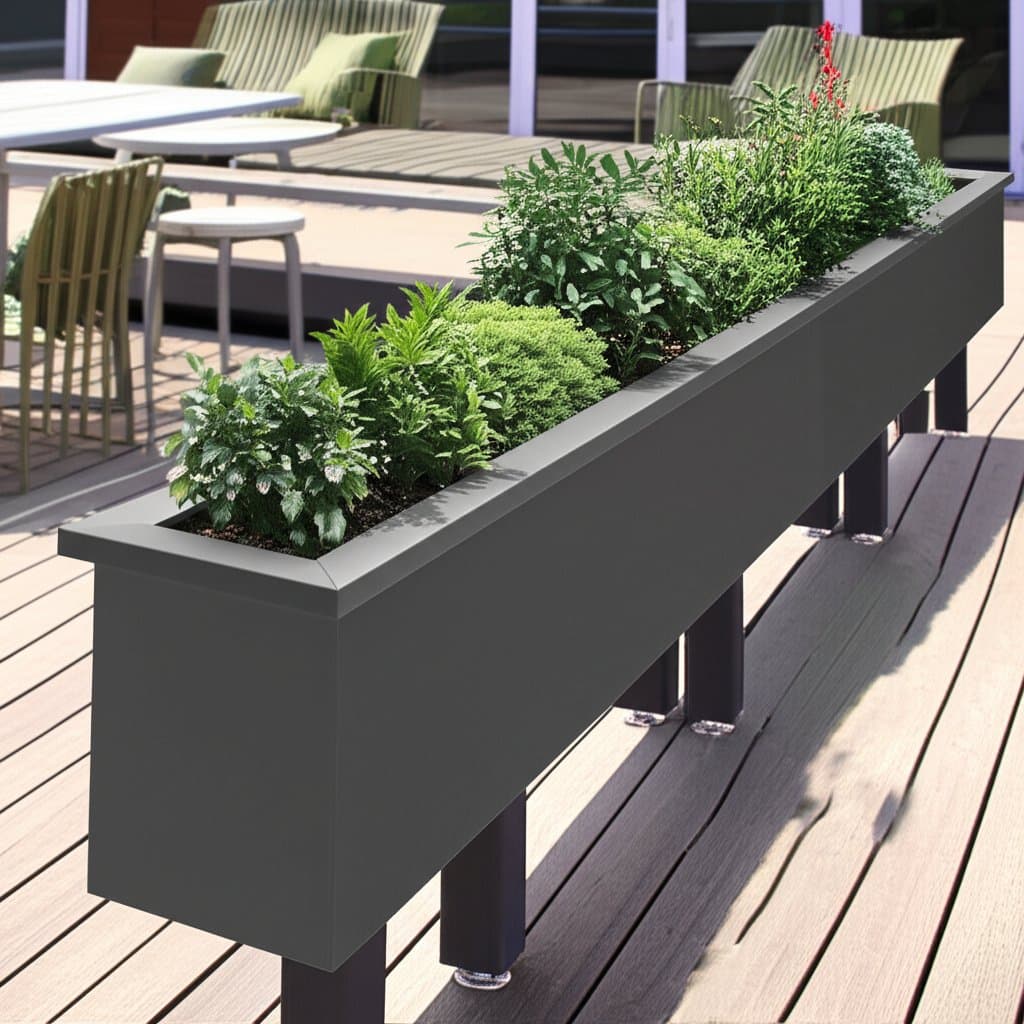
Built-in planters integrated into deck railings offer an innovative way to enhance outdoor living areas. These structures combine functionality with aesthetics, creating natural screens that boost privacy and introduce greenery without occupying additional floor space. Homeowners appreciate how such features soften hard lines and foster a connection to nature.

Before beginning construction, assess your railing's condition and load-bearing capacity. Consult local building codes to ensure compliance, particularly for elevated decks. Proper planning prevents structural issues and maximizes the longevity of your installation.

Design Considerations

Select a design that aligns with your deck's style and the surrounding landscape. Opt for modular planters that attach to existing railings, allowing for easy expansion or removal. Consider the railing height; planters typically span 6 to 12 inches in depth to accommodate root systems without obstructing views.

Sketch a layout that incorporates curves or straight segments to match your deck's contours. Factor in sunlight patterns: south-facing railings suit sun-loving plants, while shaded areas benefit from ferns or hostas. Aim for a balanced composition with evergreen and seasonal elements for year-round interest.

Materials Selection

Choose pressure-treated lumber or cedar for the planter frames, as these resist moisture and insects effectively. For brackets, select galvanized steel to avoid corrosion from soil contact. Gather tools including a drill, saw, measuring tape, and level to ensure precise assembly.

Purchase a durable plastic or rubber liner to protect wood from soil acidity. Stock up on potting mix formulated for containers, which drains well and retains nutrients. These choices contribute to a sturdy build that withstands weather exposure.

3. Add Drainage

Position the planter box with one side lower to facilitate water flow. Drill three or four holes, each half an inch in diameter, along this low side, spacing them evenly at 4 to 6 inches apart. If desired, insert short sections of PVC tubing into the holes to channel excess water away from the deck surface and prevent accumulation.

This drainage system is essential for root health and structural integrity. Without it, standing water can lead to wood rot and compromise the railing's stability over time.

4. Line and Seal

Insert a plastic or pond liner into the planter interior, pressing it firmly into corners and creases. Fold the excess material over the top edges by 1 to 2 inches for a secure fit. Apply an outdoor-rated sealant around the liner's edges to create a watertight barrier and eliminate potential leaks.

The liner separates soil moisture from the wood framework, significantly prolonging the planter's lifespan. Inspect the seal annually for wear and reapply as necessary to maintain effectiveness.

5. Mount the Planter

Position the assembled box directly on or within the railing frame, ensuring it aligns evenly. Secure it with heavy-duty brackets or metal angle irons placed every 24 inches along the length. Fasten all components tightly using corrosion-resistant screws, then apply firm downward pressure to verify stability before proceeding.

Distributed support prevents sagging under soil weight, which can reach 50 pounds per linear foot when saturated. Test the setup by gently shaking the structure to confirm no movement occurs.

6. Fill and Plant

Introduce lightweight potting soil, filling to within 1 inch of the rim to allow for watering expansion. Select plants based on your site's light conditions: drought-tolerant succulents for full sun or moisture-loving impatiens for partial shade. Combine trailing vines like ivy with upright shrubs such as lavender for varied texture and visual depth.

Water the soil gradually until moisture appears at the drainage points, then add a final light layer to settle the mix. Monitor initial growth closely, adjusting as plants establish their root systems.

7. Clean Up

Remove all sawdust and debris from the deck surface with a broom or shop vacuum. Inspect and tighten any loosened fasteners immediately. Rinse away residual soil particles with a hose, directing water away from the house foundation.

Store surplus materials in a sheltered, dry location to facilitate future maintenance or expansions. This organized approach keeps your workspace tidy and prepares the area for enjoyment.

Troubleshooting Common Issues

Slow drainage: Examine the liner for obstructions over the holes. Clear blockages by carefully poking small vents along the sides with a screwdriver, ensuring water flows freely.

Rapid plant drying: Apply a 1-inch layer of organic mulch over the soil surface to conserve moisture and regulate temperature. Reassess watering frequency based on weather conditions.

Sagging or detachment: Install additional brackets for reinforcement. If warping has occurred in the wood, replace the affected section entirely to restore level support.

Uneven plant growth: Reposition trailing varieties every two weeks to promote balanced sun exposure. Prune overcrowded stems to improve air circulation.

Ongoing Maintenance Practices

Treat built-in planters like elevated garden beds that require consistent attention. Test soil moisture twice weekly during growing seasons by inserting a finger 2 inches deep; water deeply if dry. Allow excess to drain fully to avoid root rot.

Trim obstructive roots and stems every two months to maintain light penetration and airflow. Refresh annual plants at season's start and clear fallen debris promptly to deter mold along the railing.

Conduct annual inspections of all hardware, tightening screws and replacing rusted brackets. For liners, probe for tears and apply sealant to minor damages right away. In winter, remove surplus soil or insulate with breathable burlap covers to mitigate freeze-thaw stress on joints.

Efficient Storage Solutions

When dismantling planters for thorough cleaning or refinishing, position them upright in a protected area to dry completely. Transfer soil to airtight containers or bags, labeling each with its composition to simplify reuse.

Organize tools by hanging them on hooks beneath deck stairs for accessibility. Dedicate a compact 2-foot shelf to essentials like fertilizers, gloves, and cleaning brushes, streamlining routine tasks.

Sort brackets and screws into labeled jars by size and type. This methodical storage system expedites reassembly and minimizes frustration during upkeep.

Engaging Professional Assistance

Address any railing instability, rot, or corrosion with a qualified contractor prior to installation. Experts evaluate weight tolerances and verify adherence to safety regulations, safeguarding your investment.

Involve a licensed electrician for integrations involving lights or automated watering systems. Proper insulation prevents hazards from combining water and electrical elements.

Expert Recommendations

  1. Incorporate at least three distinct plant species per planter segment to achieve dynamic color contrasts.

  2. Rely on container-specific potting soil to minimize overall weight and enhance drainage.

  3. Introduce slow-release fertilizers at the onset of each growing season for sustained nutrition.

  4. Reexamine fastener tightness following intense storms or high winds.

  5. Maintain a dedicated log for recording plant varieties, growth observations, and irrigation schedules.

Realizing Your Vision

Implementing built-in planters elevates your deck into a serene, green oasis that enhances daily living. These living borders not only beautify but also promote relaxation and biodiversity in urban settings. With diligent care, your creation will flourish, providing enduring enjoyment season after season.

You Might Also Like

Solar Drip Systems Keep Deck Gardens Watered Automatically

Glass Deck Floors That Skylight the Space Below

Grow 30 Plants in 2 Feet Using Nutrient Mist

Mycelium Boards Replace Wood in Sustainable Decking

Cut Deck Noise with Acoustic Privacy Screens

Tagged:

integrated,deck,gardens,planters,railing,integrated-planters,railing-gardens,greenery,deck-greenery

Recent by Sheila Spaulding

Image for Solar Pavers Convert Steps and Sunlight Into Power

Solar Pavers Convert Steps and Sunlight Into Power

Feb 2, 2026
Image for Grow 30 Plants in 2 Feet Using Nutrient Mist

Grow 30 Plants in 2 Feet Using Nutrient Mist

Feb 1, 2026
Image for Mycelium Boards Replace Wood in Sustainable Decking

Mycelium Boards Replace Wood in Sustainable Decking

Feb 1, 2026
Image for Solar Pergolas Turn Small Patios Into Power Sources

Solar Pergolas Turn Small Patios Into Power Sources

Feb 1, 2026
Image for Stop Balcony Noise With Layers That Block and Absorb Sound

Stop Balcony Noise With Layers That Block and Absorb Sound

Jan 31, 2026

Deck Construction & Remodeling

Solar Drip Systems Keep Deck Gardens Watered Automatically

Elevate your deck gardening with solar-powered drip irrigation for precise, hands-free watering. This guide covers final setup steps, safety measures, common fixes, cost breakdowns, and year-round care to foster healthy plants with minimal intervention.

Feb 2, 2026

Solar Pavers Convert Steps and Sunlight Into Power

Elevate your outdoor paths with solar pavers that generate electricity from sunlight and movement. This comprehensive resource outlines functionality, step-by-step setup, budgeting, troubleshooting, and ways to apply the power for lighting or devices—all while promoting green living.

Feb 2, 2026

Glass Deck Floors That Skylight the Space Below

Elevate your deck design with glass floor panels that function as skylights, flooding lower areas with natural light while delivering a sleek, contemporary look. This resource provides in-depth coverage of benefits, essential materials, step-by-step installation, safety protocols, maintenance routines, and guidance on when to hire experts—all to optimize your outdoor environment for light, style, and longevity.

Categories

Deck Construction & Remodeling(158)
Balcony Design(146)
Small-Space Gardens(63)
Rooftop Decks(50)
Backyard Design(18)
Feb 2, 2026

Mycelium Boards Replace Wood in Sustainable Decking

Mycelium decking redefines sustainable outdoor design with boards cultivated from fungal roots and agricultural waste. These lightweight, compostable planks match wood's strength while minimizing environmental impact. This guide covers planning, installation, and care for a resilient, green yard addition.

Feb 1, 2026

Cut Deck Noise with Acoustic Privacy Screens

Turn urban deck noise into peaceful quiet with acoustic privacy screens. Explore sound-blocking options, step-by-step installation, upkeep advice, and cost-effective choices for a more enjoyable outdoor space throughout the year.

Feb 1, 2026

Deck Benches That Turn Scraps Into Garden Soil

Convert your deck into an eco-friendly oasis with a composting bench that serves as both comfortable seating and efficient soil producer. This comprehensive guide details construction steps, material needs, troubleshooting, and seasonal care to minimize waste and maximize garden yields.

Jan 31, 2026

Permeable Pavers Stop Flooding and Raise Property Value

Permeable pavers convert waterlogged areas into resilient, environmentally friendly surfaces. Water infiltrates through paver joints and stone bases, minimizing runoff, safeguarding structures, and elevating aesthetic appeal. This comprehensive guide details installation processes, upkeep routines, and financial considerations to demonstrate how these pavers promote sustainability, property enhancement, and enduring outdoor usability.

Jan 29, 2026

Turn Your Deck into a Clean Energy Generator

Elevate your deck into a sustainable solar energy source with integrated pavers that merge aesthetics and efficiency. This guide covers sunlight evaluation, circuit planning, durable tile installation, performance upkeep, expense details, safety protocols, and professional consultation needs to create a self-powered outdoor retreat.

Jan 29, 2026

Solar Pavers Turn Sunlight Into Outdoor Power

Elevate your outdoor areas with solar pavers, robust tiles that capture sunlight to generate power for lighting, charging stations, and appliances. This guide covers their functionality, required materials, and detailed installation instructions to build an efficient, wire-free environment that blends practicality with aesthetic appeal.

Jan 28, 2026

Mycelium Decks Replace Wood With Living Fungi Material

Mycelium, the intricate root system of fungi, emerges as a groundbreaking material for decking. This renewable and biodegradable option provides the durability of wood with a fraction of the environmental impact. Readers will gain insights into installation, maintenance, and benefits to create an outdoor haven that aligns with sustainable living principles.

Jan 27, 2026

Deck Pods Turn Open Decks into Year-Round Rooms

Convert your deck into a protected, inviting extension of your home using modular deck pods. This comprehensive guide covers planning, assembly, and upkeep for these adaptable structures, including required tools, safety protocols, and enhancements to achieve a durable, stylish outdoor space that provides year-round utility.

Jan 26, 2026

Solar Shade Sails Generate Power While Cooling Your Deck

Elevate your deck with solar shade sails that offer respite from the sun while harnessing solar power for everyday use. These versatile structures blend comfort with eco-friendly energy generation. Explore practical steps for installation, upkeep, and optimization to create an inviting, self-sustaining outdoor haven.

Jan 26, 2026

Cool Your Deck 15° with Solar Shade Sails

Counter summer deck heat with solar shade sails capable of reducing temperatures by up to 15 degrees. These tensioned fabric panels effectively block UV rays, improve airflow, and install in just one day. Gain insights into required tools, essential safety measures, and maintenance strategies for extended outdoor enjoyment.

Jan 25, 2026

Why Permeable Decks Stay 20 Degrees Cooler

Permeable decks address intense summer heat by facilitating airflow and water passage, which dissipates trapped warmth and maintains surfaces up to 20 degrees cooler. Incorporating light-colored materials, strategic gaps, and evaporative cooling, these decks foster inviting, sustainable outdoor areas that require low maintenance and provide enduring relief from hot surfaces.

Jan 25, 2026

Solar Pergolas Cut City Heat While Powering Your Deck

Elevate your compact urban deck with a solar pergola that delivers shade, produces renewable energy, and enhances sustainability. This comprehensive guide includes planning strategies, material choices, step-by-step installation, safety protocols, and upkeep tips to achieve a cooler, cost-effective outdoor area while increasing home value on a practical budget.

Jan 24, 2026

Fungal Fibers That Replace Wood Decks and Compost Clean

Mycelium decks redefine urban outdoor spaces through sustainable, compostable panels derived from fungal networks. These lightweight, durable alternatives to wood or plastic utilize agricultural waste. Follow this guide to cultivate, process, install, and maintain them for environmentally conscious urban design.

Jan 24, 2026

Misting Systems Drop Deck Temps 20° Fast

Misting systems transform hot decks into inviting spaces by reducing temperatures up to 20 degrees. This guide details planning, installation, maintenance, and optimization strategies for safe, effective cooling throughout the season.

Jan 22, 2026

UV Shade Sails Drop Deck Temps 20 Degrees

Combat summer heat and safeguard your deck using UV shade sails. This comprehensive guide details selection, installation, and upkeep strategies that reduce surface temperatures, avert color fading, and prolong deck longevity. Explore required tools, safety measures, common issues, and professional insights to create a fashionable, protected outdoor haven.

Jan 22, 2026

Shade Sails That Follow the Sun All Day Long

Automatic sun-tracking shade sails adjust their position to follow the sun, providing consistent shade and comfort on decks and patios. This comprehensive guide explains the technology, step-by-step installation, essential safety measures, ongoing maintenance, associated costs, and strategies to maximize durability and efficiency in your outdoor environment.

Jan 21, 2026

AI Cameras That Water Plants and Deter Deck Pests

Elevate your urban deck into an automated oasis with AI cameras that identify pests, optimize irrigation, and reduce upkeep. These intelligent systems leverage computer vision to safeguard plants, promote efficient water use, and deliver seamless outdoor enjoyment via straightforward installation and reliable performance.

Jan 21, 2026