Loading...

Build a Calming Micro-Pond in 2 Sq Ft: Urban Balcony Oasis Guide | Urban Outdoors - Small-Space Gardens, Rooftop Decks, Balconies, Decks, Backyard Design
Skip to main content
Urban Outdoors
Search
Home
  1. Home
  2. /
  3. Deck Construction & Remodeling
  4. /
  5. Calm in 2 Square Feet: The Micro-Pond Solution
Deck Construction & Remodeling

Calm in 2 Square Feet: The Micro-Pond Solution

byDawn Hayden
2025-11-10 05:07:35November 10, 2025
6 min read
Featured image for Calm in 2 Square Feet: The Micro-Pond Solution

Categories

Navigation

  • Home
  • All Articles
  • About Us
  • Privacy Policy
  • Terms of Service

© 2026 Urban Outdoors. Crafted for bold city dwellers.

2025-11-11 03:27:57
Urban Outdoors - Small-Space Gardens, Rooftop Decks, Balconies, Decks, Backyard Design

Micro-Ponds: Serene Water Features for Urban Decks Under 2 Square Feet

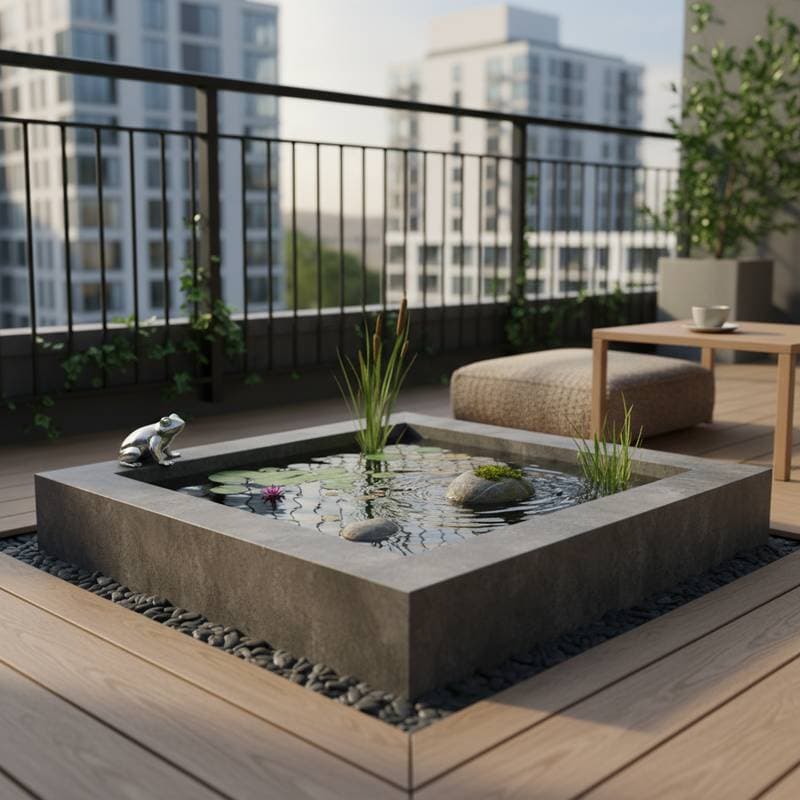
Urban living often means limited outdoor space, yet the desire for tranquility remains strong. A micro-pond offers a compact solution, fitting neatly into less than two square feet while delivering the soothing elements of water, reflection, and gentle movement. This feature integrates seamlessly into balconies, small decks, or even stable window ledges, providing daily access to nature's calming influence.

The design emphasizes portability and simplicity, allowing residents in bustling cities like New York to create a personal oasis without major renovations. Benefits extend beyond aesthetics: the subtle trickle of water reduces ambient noise, promotes relaxation, and slightly cools surrounding air through evaporation. Over time, this small addition fosters a deeper connection to the natural world amid concrete surroundings.

Understanding Micro-Ponds

A micro-pond consists of a shallow, watertight container filled with water, supporting aquatic plants and optional circulation elements like a pump. Unlike larger garden ponds, it requires minimal space and resources, making it ideal for apartment dwellers or those with weight restrictions on balconies. The shallow depth, typically eight inches, prevents stagnation while enabling easy oversight.

Placement options include sunny or partially shaded spots, provided the surface beneath can bear the weight of water and materials, which totals around 40 pounds when full. Stability ensures safety, especially in windy urban environments. For enhanced enjoyment, position the pond near seating areas where the water's gentle sounds can accompany reading or reflection.

Environmental advantages include supporting local pollinators through selected plants and improving air quality via natural filtration. In summer, it acts as a humidifier; in cooler months, it adds visual interest without demanding excessive care.

Essential Tools and Materials

Gather these items to assemble your micro-pond:

  • A durable container measuring 12 to 18 inches in diameter and at least 8 inches deep, crafted from ceramic, fiberglass, or thick plastic to withstand outdoor conditions.
  • A submersible pump rated below 50 gallons per hour to create subtle circulation without overwhelming the small volume.
  • Approximately 5 pounds of smooth river stones or pea gravel for the base layer, providing stability and an attractive substrate.
  • Two to three hardy aquatic plants, such as dwarf water lettuce for floating coverage or miniature rush for vertical interest.
  • Optional additions: a solar-powered light for evening ambiance or a floating candle holder for safe, decorative illumination.

Select materials with weather resistance in mind. Ceramic offers elegance but requires winter draining to avoid cracking; plastic provides lightweight versatility. Source plants from local nurseries to ensure they thrive in your climate zone.

Building Your Micro-Pond: Step-by-Step Guide

Step 1: Select and Prepare the Location

Identify a level surface capable of supporting at least 40 pounds, such as a reinforced deck plank or balcony floor. Verify proximity to an electrical outlet if incorporating a pump, and ensure the spot receives four to six hours of indirect sunlight daily to support plant health without excessive algae growth.

Step 2: Establish the Foundation

Rinse the gravel thoroughly under running water to eliminate dust and debris. Layer one inch of stones at the container's bottom. This base anchors the setup, facilitates minor drainage, and prevents plant roots from direct contact with the vessel.

Step 3: Introduce the Water

Fill the container to three-quarters capacity using room-temperature tap water. Allow it to sit for 24 hours beforehand, permitting chlorine to evaporate and creating a hospitable environment for aquatic life. For optimal clarity, consider dechlorinating agents available at garden stores.

Step 4: Install the Circulation Pump

Submerge the pump beneath a layer of stones, positioning its outlet to direct flow gently across the surface. Route the power cord along the container's edge, securing it with clips or ties to avoid hazards. Test the connection on a ground-fault circuit interrupter outlet for electrical safety.

Step 5: Integrate the Plants

Elevate plant pots using small bricks or risers so foliage emerges above the water line, mimicking natural pond layering. Trim excessively long roots with clean shears to fit the space neatly, promoting healthy growth without overcrowding.

Step 6: Final Testing and Refinements

Activate the pump and observe the water movement, adjusting the flow rate to produce a soft ripple rather than vigorous splashing. Monitor for leaks or imbalances, adding or removing stones as needed to achieve equilibrium.

Essential Safety Considerations

Prioritize protection by using only ground-fault circuit interrupter outlets for any electrical components, reducing shock risks in wet conditions. Supervise children and pets around the pond to prevent ingestion of potentially contaminated water. After rainfall, inspect for shifts in position due to added moisture weight, repositioning as necessary to maintain stability.

In high-rise settings, secure the container against gusts with non-slip pads or low-profile anchors. Avoid placement near edges where tipping could occur.

Common Issues and Solutions

Cloudy water often results from accumulated debris; skim the surface regularly and perform partial water changes, replacing one-third of the volume with fresh supply. Algae buildup signals excess light exposure; relocate to shadier areas and introduce more floating plants to shade the water column.

Should the pump operate noisily without circulation, disassemble and clean the intake filter under lukewarm water. Persistent problems may indicate a clogged impeller; consult the manufacturer's guidelines for deeper maintenance.

Seasonal Maintenance and Storage

Weekly inspections involve topping off evaporated water to maintain levels, using a watering can for precision. Quarterly deep cleans entail removing plants temporarily, rinsing the container and stones with mild soap, and refilling. During winter, drain the pond completely, store the pump in a dry indoor space, and shelter the container to guard against freeze damage.

In milder climates, hardy plants may overwinter if insulated, but monitor for ice formation that could harm roots.

Cost Breakdown and Time Investment

Initial setup costs range from 40 to 90 dollars, varying with container quality and plant selections. Basic assemblies using household items fall toward the lower end, while premium pumps or imported plants increase expenses. Construction requires approximately one hour, spread across preparation and testing phases.

Ongoing maintenance demands about 10 minutes weekly, focusing on observation and minor adjustments, ensuring long-term enjoyment with minimal effort.

Bringing Your Micro-Pond to Life

Begin with an existing bowl or planter from your home, layering in stones, water, and a single plant to experience immediate transformation. As the ripples form and plants establish, observe how this compact feature elevates your urban deck into a restorative haven, inviting moments of quiet reflection amid city rhythms.

You Might Also Like

Solar Drip Systems Keep Deck Gardens Watered Automatically

Glass Deck Floors That Skylight the Space Below

Watering 50+ Pots From a Single Faucet

Mycelium Boards Replace Wood in Sustainable Decking

Cut Deck Noise with Acoustic Privacy Screens

Tagged:

deck,water,micro,feature,compact,pond,micro-pond,compact-water-feature,deck-pond

Recent by Dawn Hayden

Image for Glass Deck Floors That Skylight the Space Below

Glass Deck Floors That Skylight the Space Below

Feb 2, 2026
Image for Cut Deck Noise with Acoustic Privacy Screens

Cut Deck Noise with Acoustic Privacy Screens

Feb 1, 2026
Image for Deck Benches That Turn Scraps Into Garden Soil

Deck Benches That Turn Scraps Into Garden Soil

Jan 31, 2026
Image for Cool Balconies 15° Cheaper with Micro-Misting Systems

Cool Balconies 15° Cheaper with Micro-Misting Systems

Jan 30, 2026
Image for Living Sound Filters for City Apartments

Living Sound Filters for City Apartments

Jan 30, 2026

deck

Image for Solar Drip Systems Keep Deck Gardens Watered Automatically

Solar Drip Systems Keep Deck Gardens Watered Automatically

Feb 2, 2026
Image for Glass Deck Floors That Skylight the Space Below

Glass Deck Floors That Skylight the Space Below

Feb 2, 2026
Image for Mycelium Boards Replace Wood in Sustainable Decking

Deck Construction & Remodeling

Solar Drip Systems Keep Deck Gardens Watered Automatically

Elevate your deck gardening with solar-powered drip irrigation for precise, hands-free watering. This guide covers final setup steps, safety measures, common fixes, cost breakdowns, and year-round care to foster healthy plants with minimal intervention.

Feb 2, 2026

Solar Pavers Convert Steps and Sunlight Into Power

Elevate your outdoor paths with solar pavers that generate electricity from sunlight and movement. This comprehensive resource outlines functionality, step-by-step setup, budgeting, troubleshooting, and ways to apply the power for lighting or devices—all while promoting green living.

Feb 2, 2026

Glass Deck Floors That Skylight the Space Below

Elevate your deck design with glass floor panels that function as skylights, flooding lower areas with natural light while delivering a sleek, contemporary look. This resource provides in-depth coverage of benefits, essential materials, step-by-step installation, safety protocols, maintenance routines, and guidance on when to hire experts—all to optimize your outdoor environment for light, style, and longevity.

Categories

Deck Construction & Remodeling(158)
Balcony Design(146)
Small-Space Gardens(63)
Rooftop Decks(50)
Backyard Design(18)

Mycelium Boards Replace Wood in Sustainable Decking

Feb 1, 2026
Image for Cut Deck Noise with Acoustic Privacy Screens

Cut Deck Noise with Acoustic Privacy Screens

Feb 1, 2026
Image for Deck Benches That Turn Scraps Into Garden Soil

Deck Benches That Turn Scraps Into Garden Soil

Jan 31, 2026
Feb 2, 2026

Mycelium Boards Replace Wood in Sustainable Decking

Mycelium decking redefines sustainable outdoor design with boards cultivated from fungal roots and agricultural waste. These lightweight, compostable planks match wood's strength while minimizing environmental impact. This guide covers planning, installation, and care for a resilient, green yard addition.

Feb 1, 2026

Cut Deck Noise with Acoustic Privacy Screens

Turn urban deck noise into peaceful quiet with acoustic privacy screens. Explore sound-blocking options, step-by-step installation, upkeep advice, and cost-effective choices for a more enjoyable outdoor space throughout the year.

Feb 1, 2026

Deck Benches That Turn Scraps Into Garden Soil

Convert your deck into an eco-friendly oasis with a composting bench that serves as both comfortable seating and efficient soil producer. This comprehensive guide details construction steps, material needs, troubleshooting, and seasonal care to minimize waste and maximize garden yields.

Jan 31, 2026

Permeable Pavers Stop Flooding and Raise Property Value

Permeable pavers convert waterlogged areas into resilient, environmentally friendly surfaces. Water infiltrates through paver joints and stone bases, minimizing runoff, safeguarding structures, and elevating aesthetic appeal. This comprehensive guide details installation processes, upkeep routines, and financial considerations to demonstrate how these pavers promote sustainability, property enhancement, and enduring outdoor usability.

Jan 29, 2026

Turn Your Deck into a Clean Energy Generator

Elevate your deck into a sustainable solar energy source with integrated pavers that merge aesthetics and efficiency. This guide covers sunlight evaluation, circuit planning, durable tile installation, performance upkeep, expense details, safety protocols, and professional consultation needs to create a self-powered outdoor retreat.

Jan 29, 2026

Solar Pavers Turn Sunlight Into Outdoor Power

Elevate your outdoor areas with solar pavers, robust tiles that capture sunlight to generate power for lighting, charging stations, and appliances. This guide covers their functionality, required materials, and detailed installation instructions to build an efficient, wire-free environment that blends practicality with aesthetic appeal.

Jan 28, 2026

Mycelium Decks Replace Wood With Living Fungi Material

Mycelium, the intricate root system of fungi, emerges as a groundbreaking material for decking. This renewable and biodegradable option provides the durability of wood with a fraction of the environmental impact. Readers will gain insights into installation, maintenance, and benefits to create an outdoor haven that aligns with sustainable living principles.

Jan 27, 2026

Deck Pods Turn Open Decks into Year-Round Rooms

Convert your deck into a protected, inviting extension of your home using modular deck pods. This comprehensive guide covers planning, assembly, and upkeep for these adaptable structures, including required tools, safety protocols, and enhancements to achieve a durable, stylish outdoor space that provides year-round utility.

Jan 26, 2026

Solar Shade Sails Generate Power While Cooling Your Deck

Elevate your deck with solar shade sails that offer respite from the sun while harnessing solar power for everyday use. These versatile structures blend comfort with eco-friendly energy generation. Explore practical steps for installation, upkeep, and optimization to create an inviting, self-sustaining outdoor haven.

Jan 26, 2026

Cool Your Deck 15° with Solar Shade Sails

Counter summer deck heat with solar shade sails capable of reducing temperatures by up to 15 degrees. These tensioned fabric panels effectively block UV rays, improve airflow, and install in just one day. Gain insights into required tools, essential safety measures, and maintenance strategies for extended outdoor enjoyment.

Jan 25, 2026

Why Permeable Decks Stay 20 Degrees Cooler

Permeable decks address intense summer heat by facilitating airflow and water passage, which dissipates trapped warmth and maintains surfaces up to 20 degrees cooler. Incorporating light-colored materials, strategic gaps, and evaporative cooling, these decks foster inviting, sustainable outdoor areas that require low maintenance and provide enduring relief from hot surfaces.

Jan 25, 2026

Solar Pergolas Cut City Heat While Powering Your Deck

Elevate your compact urban deck with a solar pergola that delivers shade, produces renewable energy, and enhances sustainability. This comprehensive guide includes planning strategies, material choices, step-by-step installation, safety protocols, and upkeep tips to achieve a cooler, cost-effective outdoor area while increasing home value on a practical budget.

Jan 24, 2026

Fungal Fibers That Replace Wood Decks and Compost Clean

Mycelium decks redefine urban outdoor spaces through sustainable, compostable panels derived from fungal networks. These lightweight, durable alternatives to wood or plastic utilize agricultural waste. Follow this guide to cultivate, process, install, and maintain them for environmentally conscious urban design.

Jan 24, 2026

Misting Systems Drop Deck Temps 20° Fast

Misting systems transform hot decks into inviting spaces by reducing temperatures up to 20 degrees. This guide details planning, installation, maintenance, and optimization strategies for safe, effective cooling throughout the season.

Jan 22, 2026

UV Shade Sails Drop Deck Temps 20 Degrees

Combat summer heat and safeguard your deck using UV shade sails. This comprehensive guide details selection, installation, and upkeep strategies that reduce surface temperatures, avert color fading, and prolong deck longevity. Explore required tools, safety measures, common issues, and professional insights to create a fashionable, protected outdoor haven.

Jan 22, 2026

Shade Sails That Follow the Sun All Day Long

Automatic sun-tracking shade sails adjust their position to follow the sun, providing consistent shade and comfort on decks and patios. This comprehensive guide explains the technology, step-by-step installation, essential safety measures, ongoing maintenance, associated costs, and strategies to maximize durability and efficiency in your outdoor environment.

Jan 21, 2026

AI Cameras That Water Plants and Deter Deck Pests

Elevate your urban deck into an automated oasis with AI cameras that identify pests, optimize irrigation, and reduce upkeep. These intelligent systems leverage computer vision to safeguard plants, promote efficient water use, and deliver seamless outdoor enjoyment via straightforward installation and reliable performance.

Jan 21, 2026