Loading...

Durable Composite Pavers: Fade-Resistant, Splinter-Free Options for Patios | urbanoutdoorsnyc.com | Urban Outdoors - Small-Space Gardens, Rooftop Decks, Balconies, Decks, Backyard Design
Skip to main content
Urban Outdoors
Search
Home
  1. Home
  2. /
  3. Deck Construction & Remodeling
  4. /
  5. Composite Pavers Stay Smooth Without Splintering
Deck Construction & Remodeling

Composite Pavers Stay Smooth Without Splintering

bySheila Spaulding
2025-11-08 03:39:04November 8, 2025
6 min read
Featured image for Composite Pavers Stay Smooth Without Splintering

Categories

Navigation

  • Home
  • All Articles
  • About Us
  • Privacy Policy
  • Terms of Service

© 2026 Urban Outdoors. Crafted for bold city dwellers.

2025-11-09 03:25:42
Urban Outdoors - Small-Space Gardens, Rooftop Decks, Balconies, Decks, Backyard Design

Understanding Composite Pavers and Their Advantages

Outdoor surfaces like patios and walkways endure relentless exposure to sunlight, moisture, and heavy use. Traditional materials such as wood often splinter over time, while concrete tends to crack under pressure. Composite pavers address these issues through advanced engineering, providing a reliable alternative that maintains its appearance and integrity for years.

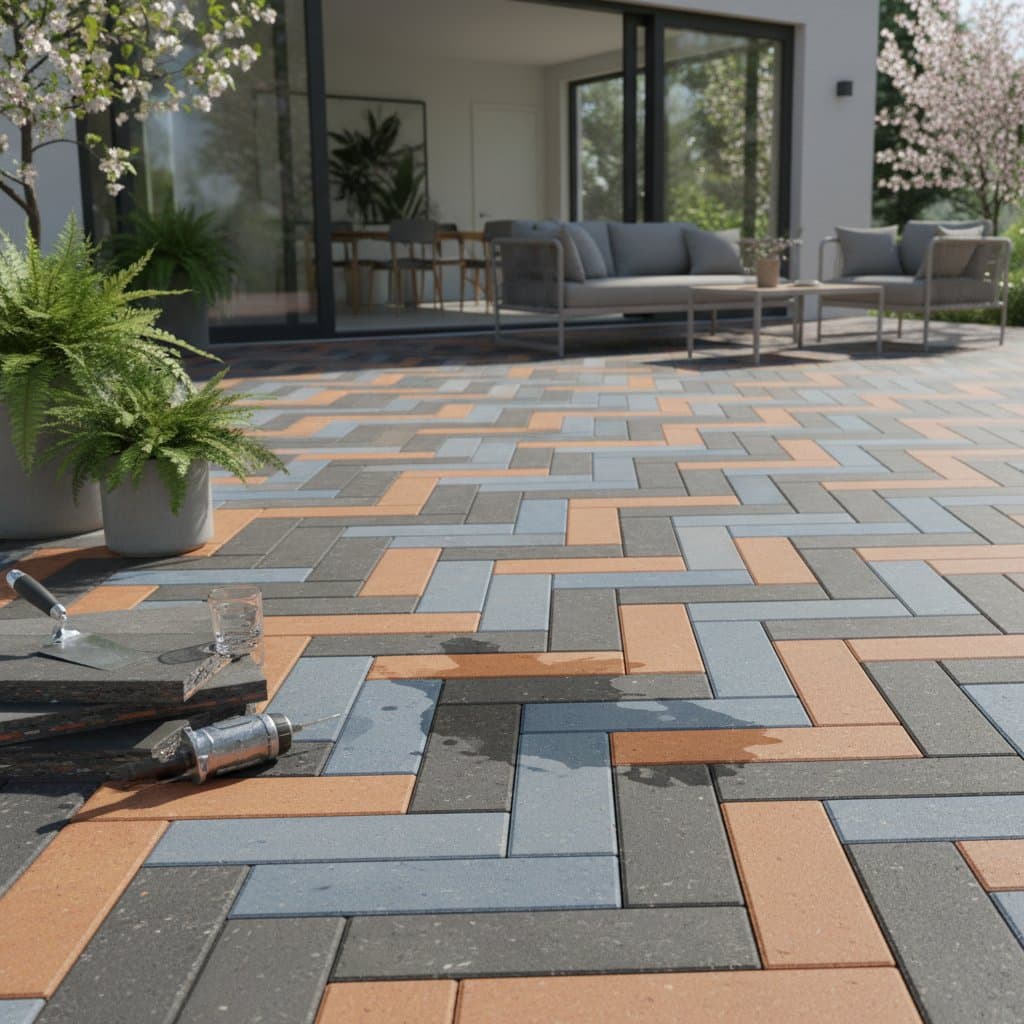
These pavers combine recycled plastics and rubber into robust, interlocking tiles that mimic the aesthetics of brick or natural stone. Their uniform texture ensures a safe, comfortable walking surface free from hazards. Engineered to repel water and block ultraviolet rays, the material preserves its original color vibrancy without the need for frequent refinishing.

Unlike wooden options, composite pavers eliminate the risk of splinters, making them ideal for family-friendly spaces. Compared to concrete, they offer flexibility that absorbs minor ground shifts, reducing the likelihood of fractures. Homeowners appreciate their ability to support substantial loads, from outdoor furniture to high foot traffic, all while adapting to fluctuating temperatures.

Installation flexibility further enhances their appeal. You can place them over a prepared gravel bed, sand layer, or even existing concrete slabs, minimizing disruption to your landscape. This versatility suits various project scales, from modest walkways to expansive patios.

Essential Tools and Materials for Installation

Successful installation begins with the right equipment, ensuring precision and safety throughout the process. Gather these items before starting to streamline your work.

  • Measuring tape and mason's string for accurate layout planning
  • Rubber mallet to secure pavers without damage
  • Spirit level and straightedge for maintaining even surfaces
  • Coarse gravel or coarse sand for a stable 2-inch base layer
  • Interlocking paver grids or edging strips for consistent alignment
  • Composite pavers selected in desired colors, shapes, and thicknesses

Prioritize safety by equipping yourself with heavy-duty gloves to protect against sharp edges, knee pads for prolonged kneeling, and safety goggles during any cutting tasks. A circular saw with a fine-tooth blade works well for custom fits, but always secure the material firmly before cutting.

Step-by-Step Installation Guide

Approach the project methodically to achieve professional results. Follow these steps to transform your outdoor area into a durable, attractive feature.

  1. Design the Layout. Measure the space and sketch potential patterns, such as basketweave for visual interest or herringbone for stability. Calculate the number of pavers required, adding 10 percent for cuts and waste. Mark boundaries with stakes and string to visualize the final design.

  2. Excavate and Prepare the Base. Clear vegetation, debris, and uneven soil from the area. Compact the subsoil using a plate compactor for solidity. Spread a 2-inch layer of gravel or sand, then screed it level with a board and straightedge. This foundation distributes weight evenly and promotes drainage.

  3. Install the Supporting Grid. Position plastic or metal grids over the base to guide paver placement and ensure uniform spacing. These components facilitate water runoff and prevent shifting over time. Secure the grid edges with stakes if the area borders soft soil.

  4. Position the Pavers. Begin at a straight edge or corner, laying pavers row by row. Gently tap each one into the base with the rubber mallet, checking alignment with the level frequently. Maintain consistent 1/8-inch joints between pieces for a cohesive look.

  5. Secure the Edges. Apply plastic or metal edging along the perimeter, anchoring it with spikes driven into the ground. This restraint holds the entire installation stable against lateral forces. Fill joints with polymeric sand, which hardens to lock pavers in place.

  6. Clean and Inspect. Sweep away excess sand and rinse the surface with a garden hose to remove dust. Walk across the area to identify any uneven spots, adjusting as necessary. Allow 24 hours for the sand to set before full use.

Key Safety Considerations

Safety enhances efficiency and prevents injuries during installation. Always wear protective gloves to shield hands from rough surfaces and potential pinches. Position tools on firm, level ground away from drop-offs to avoid accidents.

When cutting pavers to fit curves or obstacles, operate the saw outdoors in a well-ventilated area and use eye protection against flying particles. Schedule work during dry conditions to ensure the base material compacts properly without mud interference. Keep children and pets clear of the site until completion.

Common Issues and Solutions

Even with careful planning, minor challenges may arise. If pavers shift after settling, remove the affected section, add compacted base material, and reinstall. Discoloration from dirt buildup responds well to gentle cleaning with a soft brush and mild soap solution, followed by a thorough rinse.

Surface scratches from dragging furniture can often be minimized by lightly buffing with fine sandpaper or using a heat gun on low setting to blend the mark. Since the design is modular, replace damaged pavers by lifting adjacent ones, snapping in a new unit, and refilling joints. These repairs typically take under an hour.

Cost Estimates and Project Timeline

Budgeting helps set realistic expectations for your investment. Composite pavers range from 5 to 8 dollars per square foot, influenced by factors like material thickness and custom colors. This positions them affordably between basic wood treatments and premium natural stone.

For a 100-square-foot patio, materials and tools might total 500 to 800 dollars. With two workers, completion takes one to two weekends, depending on site preparation needs. Larger projects benefit from professional assistance for excavation and compaction.

Ongoing Maintenance Practices

Composite pavers demand far less attention than alternatives, preserving their condition with routine care. Sweep debris weekly using a stiff broom or leaf blower to prevent buildup. Every three to six months, scrub with a mixture of water and mild detergent, then rinse to refresh the surface.

Steer clear of abrasive cleaners or pressure washers above 1,500 PSI, as they might etch the finish. No annual sealing or staining is required, unlike wood. For isolated damage, such as a cracked paver from extreme impact, extract it with a flat pry bar and insert a replacement, securing with fresh joint sand.

In winter, clear snow gently with plastic shovels to avoid scratches. These habits ensure the surface remains smooth, colorful, and splinter-free through years of use.

Planning Your Composite Paver Project

Assess your outdoor space to identify priority areas for upgrade. Measure a specific section, such as a 6-by-8-foot gathering spot, and source materials from local suppliers. Begin with this manageable scale to build confidence in the process.

Once in place, your new surface will deliver enduring performance, blending seamlessly with your landscape while withstanding environmental stresses. Enjoy the convenience of a low-maintenance feature that enhances daily living without ongoing repairs.

You Might Also Like

Solar Pavers Convert Steps and Sunlight Into Power

Glass Deck Floors That Skylight the Space Below

Mycelium Boards Replace Wood in Sustainable Decking

Permeable Pavers Stop Flooding and Raise Property Value

Turn Your Deck into a Clean Energy Generator

Tagged:

maintenance,materials,decking,composite,resistant,low,pavers,composite-pavers,low-maintenance-decking,fade

Recent by Sheila Spaulding

Image for Solar Pavers Convert Steps and Sunlight Into Power

Solar Pavers Convert Steps and Sunlight Into Power

Feb 2, 2026
Image for Grow 30 Plants in 2 Feet Using Nutrient Mist

Grow 30 Plants in 2 Feet Using Nutrient Mist

Feb 1, 2026
Image for Mycelium Boards Replace Wood in Sustainable Decking

Mycelium Boards Replace Wood in Sustainable Decking

Feb 1, 2026
Image for Solar Pergolas Turn Small Patios Into Power Sources

Solar Pergolas Turn Small Patios Into Power Sources

Feb 1, 2026
Image for Stop Balcony Noise With Layers That Block and Absorb Sound

Stop Balcony Noise With Layers That Block and Absorb Sound

Jan 31, 2026

maintenance

Image for Why Gravel Gardens Mean Zero-Maintenance Balconies

Why Gravel Gardens Mean Zero-Maintenance Balconies

Jan 23, 2026
Image for Why Moss Roofs Rule Low-Water Urban Decks

Why Moss Roofs Rule Low-Water Urban Decks

Jan 19, 2026
Image for Moss Rooftops Need No Mowing or Deep Soil

Deck Construction & Remodeling

Solar Drip Systems Keep Deck Gardens Watered Automatically

Elevate your deck gardening with solar-powered drip irrigation for precise, hands-free watering. This guide covers final setup steps, safety measures, common fixes, cost breakdowns, and year-round care to foster healthy plants with minimal intervention.

Feb 2, 2026

Solar Pavers Convert Steps and Sunlight Into Power

Elevate your outdoor paths with solar pavers that generate electricity from sunlight and movement. This comprehensive resource outlines functionality, step-by-step setup, budgeting, troubleshooting, and ways to apply the power for lighting or devices—all while promoting green living.

Feb 2, 2026

Glass Deck Floors That Skylight the Space Below

Elevate your deck design with glass floor panels that function as skylights, flooding lower areas with natural light while delivering a sleek, contemporary look. This resource provides in-depth coverage of benefits, essential materials, step-by-step installation, safety protocols, maintenance routines, and guidance on when to hire experts—all to optimize your outdoor environment for light, style, and longevity.

Categories

Deck Construction & Remodeling(158)
Balcony Design(146)
Small-Space Gardens(63)
Rooftop Decks(50)
Backyard Design(18)

Moss Rooftops Need No Mowing or Deep Soil

Dec 31, 2025
Image for Gravel Gardens Replace Messy Deck Edges Fast

Gravel Gardens Replace Messy Deck Edges Fast

Dec 30, 2025
Image for Moss Walls Bring Calm to Urban Rooftops With Minimal Care

Moss Walls Bring Calm to Urban Rooftops With Minimal Care

Dec 25, 2025
Feb 2, 2026

Mycelium Boards Replace Wood in Sustainable Decking

Mycelium decking redefines sustainable outdoor design with boards cultivated from fungal roots and agricultural waste. These lightweight, compostable planks match wood's strength while minimizing environmental impact. This guide covers planning, installation, and care for a resilient, green yard addition.

Feb 1, 2026

Cut Deck Noise with Acoustic Privacy Screens

Turn urban deck noise into peaceful quiet with acoustic privacy screens. Explore sound-blocking options, step-by-step installation, upkeep advice, and cost-effective choices for a more enjoyable outdoor space throughout the year.

Feb 1, 2026

Deck Benches That Turn Scraps Into Garden Soil

Convert your deck into an eco-friendly oasis with a composting bench that serves as both comfortable seating and efficient soil producer. This comprehensive guide details construction steps, material needs, troubleshooting, and seasonal care to minimize waste and maximize garden yields.

Jan 31, 2026

Permeable Pavers Stop Flooding and Raise Property Value

Permeable pavers convert waterlogged areas into resilient, environmentally friendly surfaces. Water infiltrates through paver joints and stone bases, minimizing runoff, safeguarding structures, and elevating aesthetic appeal. This comprehensive guide details installation processes, upkeep routines, and financial considerations to demonstrate how these pavers promote sustainability, property enhancement, and enduring outdoor usability.

Jan 29, 2026

Turn Your Deck into a Clean Energy Generator

Elevate your deck into a sustainable solar energy source with integrated pavers that merge aesthetics and efficiency. This guide covers sunlight evaluation, circuit planning, durable tile installation, performance upkeep, expense details, safety protocols, and professional consultation needs to create a self-powered outdoor retreat.

Jan 29, 2026

Solar Pavers Turn Sunlight Into Outdoor Power

Elevate your outdoor areas with solar pavers, robust tiles that capture sunlight to generate power for lighting, charging stations, and appliances. This guide covers their functionality, required materials, and detailed installation instructions to build an efficient, wire-free environment that blends practicality with aesthetic appeal.

Jan 28, 2026

Mycelium Decks Replace Wood With Living Fungi Material

Mycelium, the intricate root system of fungi, emerges as a groundbreaking material for decking. This renewable and biodegradable option provides the durability of wood with a fraction of the environmental impact. Readers will gain insights into installation, maintenance, and benefits to create an outdoor haven that aligns with sustainable living principles.

Jan 27, 2026

Deck Pods Turn Open Decks into Year-Round Rooms

Convert your deck into a protected, inviting extension of your home using modular deck pods. This comprehensive guide covers planning, assembly, and upkeep for these adaptable structures, including required tools, safety protocols, and enhancements to achieve a durable, stylish outdoor space that provides year-round utility.

Jan 26, 2026

Solar Shade Sails Generate Power While Cooling Your Deck

Elevate your deck with solar shade sails that offer respite from the sun while harnessing solar power for everyday use. These versatile structures blend comfort with eco-friendly energy generation. Explore practical steps for installation, upkeep, and optimization to create an inviting, self-sustaining outdoor haven.

Jan 26, 2026

Cool Your Deck 15° with Solar Shade Sails

Counter summer deck heat with solar shade sails capable of reducing temperatures by up to 15 degrees. These tensioned fabric panels effectively block UV rays, improve airflow, and install in just one day. Gain insights into required tools, essential safety measures, and maintenance strategies for extended outdoor enjoyment.

Jan 25, 2026

Why Permeable Decks Stay 20 Degrees Cooler

Permeable decks address intense summer heat by facilitating airflow and water passage, which dissipates trapped warmth and maintains surfaces up to 20 degrees cooler. Incorporating light-colored materials, strategic gaps, and evaporative cooling, these decks foster inviting, sustainable outdoor areas that require low maintenance and provide enduring relief from hot surfaces.

Jan 25, 2026

Solar Pergolas Cut City Heat While Powering Your Deck

Elevate your compact urban deck with a solar pergola that delivers shade, produces renewable energy, and enhances sustainability. This comprehensive guide includes planning strategies, material choices, step-by-step installation, safety protocols, and upkeep tips to achieve a cooler, cost-effective outdoor area while increasing home value on a practical budget.

Jan 24, 2026

Fungal Fibers That Replace Wood Decks and Compost Clean

Mycelium decks redefine urban outdoor spaces through sustainable, compostable panels derived from fungal networks. These lightweight, durable alternatives to wood or plastic utilize agricultural waste. Follow this guide to cultivate, process, install, and maintain them for environmentally conscious urban design.

Jan 24, 2026

Misting Systems Drop Deck Temps 20° Fast

Misting systems transform hot decks into inviting spaces by reducing temperatures up to 20 degrees. This guide details planning, installation, maintenance, and optimization strategies for safe, effective cooling throughout the season.

Jan 22, 2026

UV Shade Sails Drop Deck Temps 20 Degrees

Combat summer heat and safeguard your deck using UV shade sails. This comprehensive guide details selection, installation, and upkeep strategies that reduce surface temperatures, avert color fading, and prolong deck longevity. Explore required tools, safety measures, common issues, and professional insights to create a fashionable, protected outdoor haven.

Jan 22, 2026

Shade Sails That Follow the Sun All Day Long

Automatic sun-tracking shade sails adjust their position to follow the sun, providing consistent shade and comfort on decks and patios. This comprehensive guide explains the technology, step-by-step installation, essential safety measures, ongoing maintenance, associated costs, and strategies to maximize durability and efficiency in your outdoor environment.

Jan 21, 2026

AI Cameras That Water Plants and Deter Deck Pests

Elevate your urban deck into an automated oasis with AI cameras that identify pests, optimize irrigation, and reduce upkeep. These intelligent systems leverage computer vision to safeguard plants, promote efficient water use, and deliver seamless outdoor enjoyment via straightforward installation and reliable performance.

Jan 21, 2026