Loading...

Cork Decking for Quiet, Cool Urban Outdoor Spaces | urbanoutdoorsnyc.com | Urban Outdoors - Small-Space Gardens, Rooftop Decks, Balconies, Decks, Backyard Design
Skip to main content
Urban Outdoors
Search
Home
  1. Home
  2. /
  3. Deck Construction & Remodeling
  4. /
  5. Cork Decking Absorbs City Noise and Stays Cool
Deck Construction & Remodeling

Cork Decking Absorbs City Noise and Stays Cool

byAnne Marion
2025-11-01 03:40:04November 1, 2025
7 min read
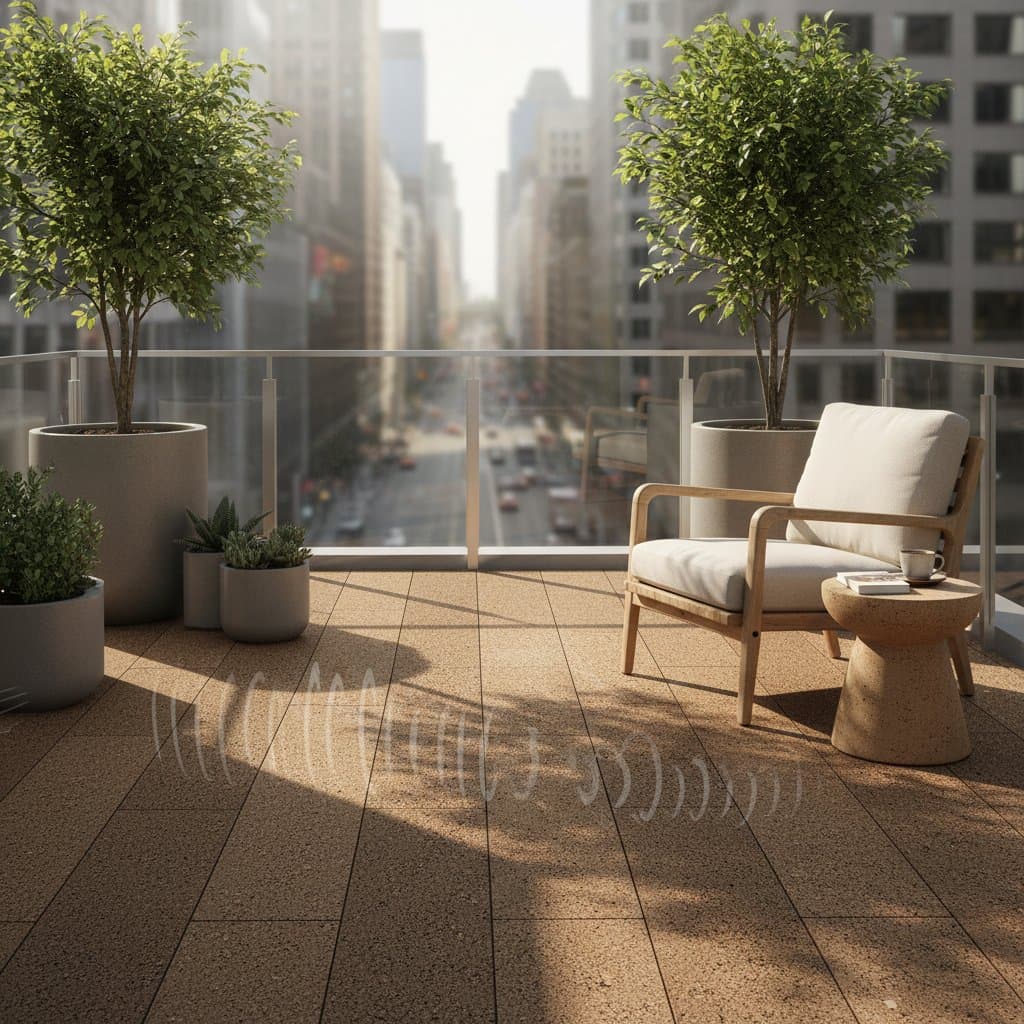
Featured image for Cork Decking Absorbs City Noise and Stays Cool

Categories

Navigation

  • Home
  • All Articles
  • About Us
  • Privacy Policy
  • Terms of Service

© 2026 Urban Outdoors. Crafted for bold city dwellers.

2025-11-02 03:30:50
Urban Outdoors - Small-Space Gardens, Rooftop Decks, Balconies, Decks, Backyard Design

Installation Guide

Cork decking installation requires careful preparation to ensure longevity and performance. Follow these steps for a secure, level setup that enhances your urban outdoor space.

1. Prepare the Surface

Verify that the subframe or base is level, stable, and free of structural issues. Remove all debris, dirt, and old materials from the area. Install a permeable moisture barrier over concrete or damp-prone surfaces to prevent water accumulation beneath the cork.

2. Plan the Layout

Measure the entire space accurately and sketch a layout to account for obstacles like railings or vents. Dry-fit several tiles or planks to test the arrangement and identify necessary cuts. Begin placement from a central point or straight edge to achieve balanced symmetry and reduce visible seams.

3. Cut Materials to Fit

Mark cut lines precisely using a straightedge and pencil. Employ a fine-tooth saw or utility knife for clean edges around fixtures and borders. Sand any rough spots immediately to create smooth, safe surfaces that integrate seamlessly.

4. Attach Cork Decking

Commence at one edge of the prepared surface and advance methodically across the area. For interlocking tiles, align the edges precisely and press them together until they secure with an audible click. For plank styles, maintain a narrow expansion gap of approximately one-eighth inch, or 3 millimeters, between adjacent boards to accommodate natural movement. Fasten components with corrosion-resistant screws or hidden clips designed for outdoor use.

5. Seal the Surface

Distribute an exterior-grade cork sealant evenly using a roller or brush for uniform coverage. This layer shields against spills, ultraviolet rays, and general wear. Permit full drying as specified by the manufacturer before placing furniture or foot traffic on the deck.

6. Inspect and Clean Up

Examine all edges and connections for stability, then secure any loose elements with additional fasteners. Sweep residual dust and debris from the surface, followed by a gentle wipe with a damp cloth. Dispose of leftover cork pieces through recycling programs, as the material supports sustainable end-of-life practices.

Safety Considerations

Prioritize protection during installation to avoid injury and ensure a durable result.

  • Wear protective gloves when cutting cork or manipulating fasteners to prevent cuts and splinters.
  • Equip eye protection whenever operating power tools to guard against flying particles.
  • Refrain from installing cork deck tiles over areas prone to flooding or persistent dampness, as excess moisture can compromise adhesion.
  • Keep open flames away from cork surfaces; the material resists fire but lacks full proofing against ignition.
  • Select sealants formulated for slip resistance in regions exposed to regular rainfall or high humidity.

Common Issues and Solutions

Address potential problems promptly to maintain the deck's appearance and functionality.

Issue: Cork edges lifting at corners.
Reason: Subframe shifts due to temperature fluctuations or uneven foundational support.
**Resolution: Lift the affected tile carefully, level the underlying base with shims, and reattach using a flexible, weatherproof adhesive suitable for exteriors.

Issue: Fading or dulling of color.
Reason: Extended exposure to sunlight degrades surface pigments over time.
**Resolution: Clean the deck thoroughly, then apply a fresh layer of ultraviolet-protective sealant. Annual recoating preserves vibrancy and extends material life.

Issue: Surface feels overly soft or spongy.
Reason: Accumulated moisture trapped beneath the tiles leads to compression.
**Resolution: Elevate the impacted section to allow drying, inspect and improve drainage pathways, and incorporate a slim moisture barrier if underlying conditions warrant it.

Issue: Persistent stains from food, oil, or spills.
**Resolution: Treat with a solution of mild soap and warm water, scrubbing gently before rinsing completely. Steer clear of abrasive chemicals that may erode the protective sealant layer.

Cost Estimates and Timeline

Cork decking positions as a moderate investment relative to traditional wood or synthetic composites, balancing affordability with premium benefits.

  • Cork decking tiles: Range from $8 to $12 per square foot, or $86 to $129 per square meter.
  • Subframe materials and fasteners: Approximately $2 to $4 per square foot, or $21 to $43 per square meter.
  • Sealants and basic tools: Total around $100 to $150 for projects covering smaller decks.

For a 100-square-foot installation, anticipate overall expenses of $1,000 to $1,600 when handling the work independently. Professional labor adds $400 to $700, depending on location and complexity. Most compact projects complete in two to three full days with consistent effort.

Consider economical alternatives such as recycled aluminum for framing in place of virgin lumber, or opt for unsealed cork tiles that allow custom finishing. Invest fully in quality sealants and proper drainage systems, as these elements safeguard the deck against premature deterioration.

Upkeep Strategies

Cork decking demands moderate maintenance, less intensive than natural wood yet more attentive than fully synthetic options. Schedule routine checks to preserve its quiet, comfortable qualities.

Daily and Weekly Tasks:

  • Sweep away leaves, dirt, and debris promptly to prevent embedding into the cork texture.
  • Clean with a mixture of mild soap and water, using a soft brush for gentle agitation.
  • Avoid high-pressure washers, which can strip the sealant and damage the resilient surface.

Seasonal Maintenance:

  • Refresh the sealant annually or when water fails to bead on the surface, indicating loss of protection.
  • Inspect expansion joints and perimeter edges for shifts, securing fasteners as required.
  • Position heavy items like planters on rubberized pads to distribute pressure evenly and minimize indentations.

In extreme climates with intense heat or cold, incorporate outdoor rugs in high-use areas to shield the cork from accelerated wear.

Storage Solutions for Outdoor Living

Cork decks excel in versatile urban settings, from lounging areas to dining spots. Efficient storage maintains order and protects the surface.

  • Select lightweight, non-marring furniture to avoid impressions on the soft cork.
  • Incorporate stackable seating and collapsible tables for easy space reconfiguration.
  • Install a compact storage bench fitted with rubberized feet to safeguard the deck while providing utility.
  • Store maintenance essentials, such as a soft-bristled broom and eco-friendly detergent, in a sealed, weather-resistant container.

Clearly label all supplies to ensure household members select appropriate products, promoting consistent care.

Indicators for Professional Assistance

Certain scenarios benefit from expert intervention to achieve optimal results and safety.

Engage a specialist when:

  • The project spans more than 200 square feet, or 18.6 square meters, requiring advanced structural support.
  • Waterproofing membranes or underlayments demand precise integration beneath the cork.
  • The base surface exhibits cracks, instability, or other damage needing repair.
  • Custom features like integrated lighting or enhanced drainage systems form part of the design.

Inquire about the professional's familiarity with cork installations, including management of expansion gaps and sealant applications. A qualified installer provides guidance on sub-deck ventilation to mitigate moisture buildup and extend durability.

Ecological Advantages

Cork qualifies as a carbon-negative resource in numerous applications. Harvested bark regenerates on living trees, which continue sequestering atmospheric carbon during regrowth. Processing generates little waste, with byproducts repurposed for insulation or acoustic panels. At lifecycle's end, cork supports recycling or composting, diverting material from landfills.

In contrast to plastic-based decking, cork avoids microplastic shedding into ecosystems. It functions effectively without synthetic preservatives, relying on inherent suberin wax for resistance to decay and pests. This natural composition reduces reliance on chemical treatments, yielding safer drainage for surrounding greenery and animals in shared urban environments.

Styling and Visual Integration

Available in shades from light honey to rich espresso, cork decking offers versatility in tone and texture. Options include wood-grain imitations or the authentic, mottled bark pattern. Finish with matte sealants for subtle elegance or semi-gloss for added luster, tailoring reflectivity to your aesthetic preferences.

Complement cork's warm undertones with harmonious elements like terracotta pots, neutral fabric cushions, or sleek metal accents. Introduce vertical greenery or ambient lighting to evoke a secluded retreat amid cityscapes. For seamless transitions, extend cork flooring from interior rooms to adjacent balconies, expanding perceived space and unity.

Steps to Launch Your Project

Begin modestly by testing cork on a small balcony section to experience its tactile and acoustic qualities firsthand. Observe the noise reduction and thermal comfort it provides, then expand confidently.

To proceed:

  1. Assess your space: Measure dimensions and evaluate drainage to confirm suitability.
  2. Research options: Review cork varieties through suppliers, prioritizing those certified for outdoor durability.
  3. Procure materials: Order 10 to 15 percent extra for cuts and spares.
  4. Schedule installation: Dedicate a weekend, enlisting assistance for handling and precise alignment.

With completion, savor the serene footfall, resilient cushioning, and organic appeal that redefine urban outdoor experiences.

You Might Also Like

Cool Decks Stay 20 Degrees Cooler in Summer Heat

Mycelium Decks Break Down Instead of Piling Up

Mycelium Panels Turn Balconies Into Quiet Retreats

Solar Pavers Store Sunlight and Charge Your Phone

Reflective Decks Slash Cooling Costs by 40%

Tagged:

cork,sustainable,materials,sustainable materials,noise reduction,decking,noise,reduction,cork-decking

Recent by Anne Marion

Image for Living Pergolas Cool Decks Through Natural Shade

Living Pergolas Cool Decks Through Natural Shade

Mar 18, 2026
Image for Creating a Balcony Microclimate for Plants Year-Round

Creating a Balcony Microclimate for Plants Year-Round

Mar 18, 2026
Image for Rooftop Benches That Clean Air and Cool Surfaces

Rooftop Benches That Clean Air and Cool Surfaces

Mar 18, 2026
Image for Smart Drip Systems Keep Balcony Plants Thriving

Smart Drip Systems Keep Balcony Plants Thriving

Mar 17, 2026
Image for Micro-Misting Drops Balcony Heat 20° in Seconds

Micro-Misting Drops Balcony Heat 20° in Seconds

Mar 17, 2026

cork

Image for Why Cork Decks Are the Soft Eco-Choice for 2026

Why Cork Decks Are the Soft Eco-Choice for 2026

Feb 26, 2026
Image for Cork Decking Stays Cool and Soft in Summer Heat

Cork Decking Stays Cool and Soft in Summer Heat

Feb 20, 2026
Image for Cork Decking Renews Itself While You Walk On It

Deck Construction & Remodeling

Living Pergolas Cool Decks Through Natural Shade

Transform your deck into a shaded, verdant escape using a living pergola. This comprehensive guide details material selection, structural assembly, irrigation setup, and vine choices that flourish. Explore techniques to enhance shade, optimize airflow, and cultivate a sustainable oasis that enhances comfort and beauty with each passing season.

Mar 18, 2026

Shape Deck Zones to Stay Comfortable All Year

Elevate your deck into a versatile outdoor haven by implementing microclimate zones. This approach involves assessing light patterns, wind flow, and thermal areas, then applying targeted elements like portable heaters, shade structures, and strategic plantings to ensure comfort across all seasons.

Mar 18, 2026

Cool Decks Stay 20 Degrees Cooler in Summer Heat

Turn urban decks from hot hazards into cool havens with heat-reflective materials. This guide covers composites, thermally modified woods, and strategies to maintain surfaces up to 20 degrees cooler, plus practical advice on design, budget, and care for year-round enjoyment.

Categories

Deck Construction & Remodeling(223)
Balcony Design(191)
Small-Space Gardens(82)
Rooftop Decks(81)
Backyard Design(21)

Cork Decking Renews Itself While You Walk On It

Jan 13, 2026
Image for Cork Decking Absorbs Noise and Softens Every Step

Cork Decking Absorbs Noise and Softens Every Step

Dec 28, 2025
Image for Cork Decking: The Soft, Slip-Proof Surface for 2025

Cork Decking: The Soft, Slip-Proof Surface for 2025

Oct 24, 2025
Mar 16, 2026

Micro-Misting Drops Deck Temperature 15 Degrees

Combat summer heat by installing a micro-misting system that reduces deck temperatures up to 15°F. This guide covers the cooling process, energy-efficient benefits, and adaptable designs for various outdoor areas. Find detailed installation instructions, troubleshooting advice, and seasonal maintenance to sustain a refreshing backyard environment.

Mar 16, 2026

Mycelium Decks Break Down Instead of Piling Up

Mycelium decks revolutionize urban outdoor areas with panels grown from fungal networks and agricultural byproducts. These lightweight, water-resistant, and fully biodegradable options provide a green alternative to traditional plastic composites. This guide covers installation, upkeep, budgeting, and strategies to maximize their lifespan while minimizing environmental impact.

Mar 15, 2026

Creating Deck Zones That Work in Every Season

Elevate your deck into a seasonal haven by developing microclimates that provide tailored comfort throughout the year. Explore strategies for zoning, shading, heating, and organizing with durable materials, strategic lighting, and efficient storage solutions. Achieve prolonged outdoor use while enhancing energy efficiency, visual appeal, and safety measures.

Mar 15, 2026

Glass Domes Keep Your Deck Open All Year

Elevate your deck into a versatile, all-season haven using glass domes or retractable pergolas. Gain insights into selecting materials, executing installations, and performing upkeep to maintain a bright, comfortable area for winter mornings or summer evenings alike.

Mar 14, 2026

Solar Pavers Store Sunlight and Charge Your Phone

Elevate your outdoor spaces with solar pavers that capture daylight to provide nighttime illumination and device charging capabilities. This comprehensive guide details their functionality, installation requirements, upkeep recommendations, expense considerations, and safety protocols to help you build an efficient, luminous environment that performs reliably throughout the year with little ongoing work.

Mar 14, 2026

Smart Apps Map Microclimates for Ideal Deck Builds

Smart apps uncover microclimate nuances in your yard, from sunlight exposure to wind flow and moisture levels. These tools guide material selection, layout planning, and design choices to create durable, comfortable decks. Transform local data into a strategic plan for your perfect outdoor area.

Mar 13, 2026

Pergola Pods Turn Decks Into Year-Round Retreats

Elevate your deck with a pergola pod, a versatile structure that provides shade, protection, and aesthetic appeal. This guide covers planning, construction, upkeep, and strategies to maximize seasonal use, ensuring comfort in any weather.

Mar 12, 2026

Solar Pergolas Cut Cooling Costs While Powering Your Deck

Elevate your deck with a solar pergola that offers shade and produces clean energy. This comprehensive guide details planning, material choices, installation steps, safety measures, troubleshooting, budgeting, and maintenance. Discover how to build a durable structure that cuts energy expenses and enhances outdoor comfort.

Mar 11, 2026

Micro-Misting Drops Deck Heat 15° Without Puddles

Micro-misting provides an effective solution to transform sweltering decks into comfortable retreats, reducing temperatures by up to 15 degrees through fine water droplets. This guide details the science behind the cooling, lists necessary tools and materials, outlines installation processes, addresses safety considerations, and offers maintenance advice for reliable performance throughout the season.

Mar 11, 2026

Mycelium Decks Grow Strength from Fungal Roots

Mycelium decks leverage fungal networks to create biodegradable, waste-derived outdoor flooring that enhances urban sustainability. This resource provides practical instructions for building resilient panels that integrate nature into city living, including material selection, assembly techniques, and long-term care strategies.

Mar 11, 2026

Micro-Clover Borders Cut Deck Upkeep in Half

Revitalize weary deck borders using resilient micro-clover, a self-sustaining ground cover that thrives with little intervention. This guide details installation, care essentials, and advantages like reduced mowing and enhanced aesthetics for compact urban spaces.

Mar 10, 2026

Set Up Drip Irrigation for Deck Containers

Elevate deck gardening with a micro-drip irrigation system that automates watering for consistent plant health. This guide covers planning, installation, and maintenance to save time, reduce water use, and ensure thriving containers in urban settings.

Mar 8, 2026

Soundproof Your Deck with Layers and Soft Surfaces

Convert a bustling urban deck into a serene haven through effective soundproofing techniques. This guide details sealing gaps, layering soft materials, installing acoustic panels, and integrating natural barriers like plants and curtains to foster a private, relaxing environment that balances style and acoustic control.

Mar 8, 2026

Solar Pergolas Cut Deck Heat While Powering Your Home

Elevate your deck with a solar pergola that offers shade from heat and produces renewable energy. This comprehensive guide details design options, material choices, step-by-step installation, safety measures, and upkeep strategies to boost comfort, cut costs, and promote eco-friendly living in your outdoor area.

Mar 7, 2026

Native Plants Transform Deck Edges Into Pollinator Havens

Convert a plain deck into a bustling pollinator sanctuary using native plant borders. This guide covers design principles, plant selection, planting techniques, and maintenance strategies to attract bees, butterflies, and birds with minimal effort. Explore practical advice, recommended species, and care essentials for a vibrant, eco-friendly outdoor space.

Mar 7, 2026

Acoustic Panels Cut Deck Noise by 30 to 50 Percent

Elevate a bustling deck to a tranquil sanctuary via outdoor acoustic panels. This resource covers selecting resilient materials, orchestrating installations, and upholding acoustic efficacy throughout the year. Acquire actionable guidance, cost-saving advice, and aesthetic concepts to neutralize city clamor, enhance seclusion, and foster relaxed, conducive outdoor interactions.

Mar 6, 2026

Solar Pergolas Blend Shade With Clean Energy Generation

Elevate your deck with a solar pergola that offers shade and generates clean energy. This comprehensive guide details design strategies, material choices, installation processes, safety measures, and ongoing maintenance to achieve a balance of comfort, eco-friendliness, and visual elegance for discerning homeowners eyeing 2026 upgrades.

Mar 6, 2026