Loading...

Cork Decking: Self-Renewing Sustainable Option for 2026 Outdoor Spaces | urbanoutdoorsnyc.com | Urban Outdoors - Small-Space Gardens, Rooftop Decks, Balconies, Decks, Backyard Design
Skip to main content
Urban Outdoors
Search
Home
  1. Home
  2. /
  3. Deck Construction & Remodeling
  4. /
  5. Cork Decking Renews Itself While You Walk On It
Deck Construction & Remodeling

Cork Decking Renews Itself While You Walk On It

bySheila Spaulding
2026-01-13 04:08:56January 13, 2026
6 min read
Featured image for Cork Decking Renews Itself While You Walk On It

Categories

Navigation

  • Home
  • All Articles
  • About Us
  • Privacy Policy
  • Terms of Service

© 2026 Urban Outdoors. Crafted for bold city dwellers.

2026-01-13 04:08:56
Urban Outdoors - Small-Space Gardens, Rooftop Decks, Balconies, Decks, Backyard Design

Why Cork Decking Tops Sustainable Choices in 2026

Homeowners seek outdoor spaces that endure, integrate with nature, and minimize environmental impact. Cork decking excels in this regard through its renewable source, inherent durability, and minimal upkeep requirements. Installation requires basic tools, and maintenance demands far less effort than traditional wood or composite alternatives.

This guide details cork decking fundamentals, sustainability advantages, and practical steps for planning, installation, and care. It includes budget considerations, troubleshooting advice, and maintenance routines to safeguard this investment.

Overview

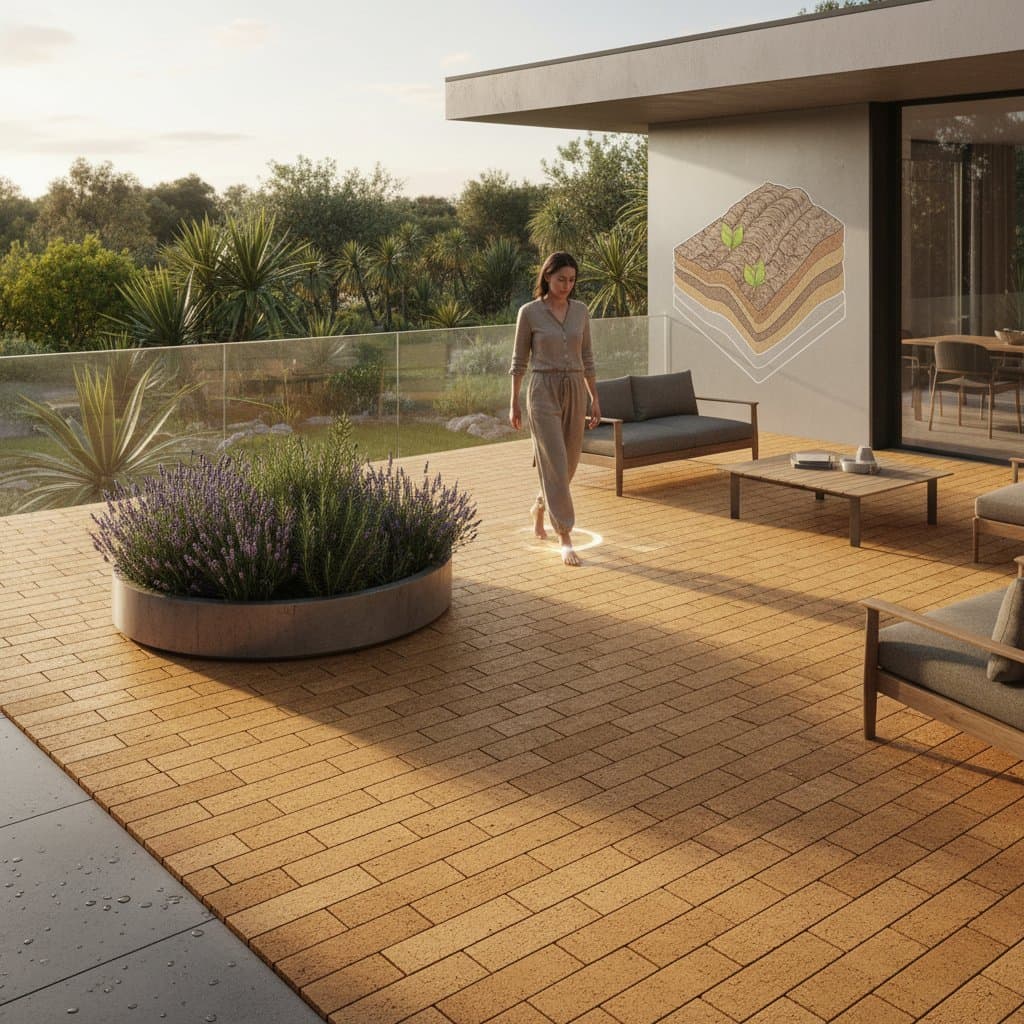
Cork decking consists of compressed granules harvested from cork oak bark. The bark regenerates every nine to twelve years without damaging the tree, positioning cork as a uniquely self-renewing material for robust outdoor surfaces. It repels moisture, withstands heat, and deters insects while providing cushioning and remaining cooler than wood or plastic under direct sunlight.

The material imparts a serene, organic aesthetic suitable for diverse settings. It muffles noise, softens impacts, and offers gentle resilience ideal for barefoot use. In urban environments, cork transforms compact areas into tranquil retreats with reduced maintenance demands.

Tools and Materials

Assemble essential items before starting. Most installations suit DIY approaches with common tools and select specialized components.

Tools

  • Circular saw or fine-tooth handsaw
  • Power drill with countersink bit
  • Tape measure and chalk line
  • Rubber mallet
  • Level
  • Safety glasses and gloves

Materials

  • Cork decking boards, with 10 percent excess for cuts
  • Stainless steel screws or hidden fasteners
  • Pressure-treated joists or aluminum framing
  • 1/8-inch (3 mm) deck spacers
  • Natural oil finish or deck sealer
  • Weatherproof adhesive for floating panels

Position tools accessibly and ensure cutting blades remain sharp to avoid fraying cork edges or irregular spacing.

Installation Steps

1. Measure and Plan

Outline the deck area by measuring total width and length, then demarcate with chalk or string. Verify clearances beneath doors and account for slopes to facilitate drainage. Space joists at 16 inches (40 cm) on center to ensure structural integrity.

2. Prepare the Frame

Position joists over concrete pads or adjustable supports, maintaining levelness within 1/8 inch (3 mm). Cork requires a dry, firm foundation; inspect for potential water accumulation. Apply waterproof coatings to all exposed wood or metal prior to board placement.

3. Cut and Dry-Fit Boards

Trim initial boards to match the layout, incorporating 1/4-inch (6 mm) perimeter gaps for expansion. Position pieces without securing and align using a straightedge. Refine until gaps appear uniform.

4. Secure the Boards

Drill pilot holes at joist crossings. Employ stainless screws or hidden clips to resist corrosion. Attach boards firmly without excessive force, as cork yields slightly and overtightening risks micro-cracks. For adhesive panels, spread glue uniformly and secure with a mallet.

5. Seal and Finish

Remove debris post-installation and apply a light layer of natural oil or water-based sealer. Permit full drying before use. Refresh the finish every two to three years based on sun and rain exposure.

6. Inspect and Adjust

Traverse the deck to detect creaks or yielding areas. Replace loosened fasteners and secure shifting boards. Minor surface checks or tonal shifts occur naturally without compromising performance.

Safety Tips

Sawing cork generates fine dust; don a mask and goggles during cuts or sanding. Apply sealers in well-ventilated spaces. On raised decks, install secure railings and utilize steady ladders. Route power cords away from cutting zones. Store sealers distant from flames or heat.

Unsealed cork may slip when wet; incorporate anti-slip additives in topcoats near water features or stairs.

Sustainability Advantages of Cork Decking

Renewable Harvesting Practices

Cork bark renews without tree harm, with each specimen yielding multiple harvests over centuries. Harvesting sustains regional employment and avoids deforestation. Excess bark from cork stopper production repurposes fully, eliminating waste.

Reduced Carbon Emissions

Production relies on low-energy processes, including on-site burning of cork byproducts for power. The material's lightness lowers transportation fuel needs relative to heavier woods. Selection of cork diminishes manufacturing and shipping-related emissions.

Natural Durability

Suberin, cork's inherent wax, guards against mold, pests, and decay. No chemical treatments prove necessary, preventing toxin release into soil or waterways from preserved lumber.

Thermal Comfort

Air pockets within cork provide insulation and padding. It maintains temperatures 20 to 25 degrees Fahrenheit below plastic composites in heat and warmer than stone in chill. This versatility extends usability and obviates synthetic coverings.

Recyclable End Use

Boards recycle into insulation, underlayment, or mulch. They decompose naturally sans microplastics, diverting waste from landfills.

Budget and Timeline

Expect costs of $4 to $8 per square foot for materials, varying by thickness and finish. Professional labor adds $2 to $3 per square foot. A 120-square-foot deck suits two-person completion over a weekend, encompassing sealing and tidying.

Opt for unfinished boards and self-applied oils to economize, but apply sealant invariably to avert uneven fading from UV rays.

Troubleshooting Common Issues

Warping or uplifting signals uneven framing or sub-surface moisture; excise sections, enhance drainage, and reinstall with added spacers.

Fading results from ultraviolet exposure; sand lightly and recoat with oil to revive appearance.

Loose fasteners emerge from expansion cycles; substitute longer screws or adopt hidden clips.

Soft areas indicate water ingress; ensure open edge gaps and renew sealant as needed.

Maintenance Routines

Cork demands modest attention compared to wood.

  • Sweep weekly to clear debris.
  • Clean bimonthly with mild soap and water; eschew bleach or solvents.
  • Refresh finish every 18 to 24 months.
  • Examine joints and hardware biannually.
  • Remove snow with plastic tools to avoid scratches.

Position furniture on pads and relocate planters periodically for even surface exposure.

Storage and Professional Guidance

Designate a nearby storage area for seasonal items using ventilated, weather-resistant containers. Stack spare boards flat and shielded. Organize supplies on simple shelving for efficient access.

Engage professionals for decks exceeding 30 inches in height or irregular sites. They verify codes, load capacities, and integrate waterproofing for rooftops. Early intervention for cracks or sags minimizes repair expenses.

Seasonal Care Schedule

Adapt routines to weather patterns.

Spring: Clean pollen and residues; secure fasteners; assess moisture swelling.

Summer: Reoil if faded; provide shade; pad furniture.

Autumn: Clear leaves promptly; pre-storage clean; check joists.

Winter: Manage snow loads; skip salts; use breathable covers.

Broader Environmental Impact

Cork supports carbon-sequestering forests that shelter biodiversity. Managed groves store up to five times more carbon than untouched areas. Urban installations attenuate noise, fostering privacy and encouraging outdoor activity without additional aids.

Expert Recommendations

  1. Acclimate boards outdoors for 48 hours pre-installation.
  2. Seal fresh cuts promptly against moisture.
  3. Favor hidden fasteners to minimize water pooling.
  4. Slope surfaces 1/8 inch per foot for runoff.
  5. Sample finishes on scraps to predict color shifts.

These practices avert issues and sustain low upkeep.

Implementing Your Cork Deck

Begin by sizing your area and sourcing samples to evaluate texture and palette compatibility. Tackle as a straightforward weekend endeavor with personal handling of cuts and finishes.

Proceed with these actions:

  1. Evaluate existing surfaces for stability and dryness.
  2. Obtain bids from multiple suppliers.
  3. Time work for dry conditions.

Cork decking merges resilience, eco-stewardship, and ease, yielding a serene, enduring outdoor haven that harmonizes aesthetics with planetary care.

You Might Also Like

Solar Drip Systems Keep Deck Gardens Watered Automatically

Solar Pavers Convert Steps and Sunlight Into Power

Glass Deck Floors That Skylight the Space Below

Mycelium Boards Replace Wood in Sustainable Decking

Cut Deck Noise with Acoustic Privacy Screens

Tagged:

eco,cork,sustainable,materials,deck,decking,friendly,cork-decking,sustainable-deck,eco-friendly-materials

Recent by Sheila Spaulding

Image for Solar Pavers Convert Steps and Sunlight Into Power

Solar Pavers Convert Steps and Sunlight Into Power

Feb 2, 2026
Image for Grow 30 Plants in 2 Feet Using Nutrient Mist

Grow 30 Plants in 2 Feet Using Nutrient Mist

Feb 1, 2026
Image for Mycelium Boards Replace Wood in Sustainable Decking

Mycelium Boards Replace Wood in Sustainable Decking

Feb 1, 2026
Image for Solar Pergolas Turn Small Patios Into Power Sources

Solar Pergolas Turn Small Patios Into Power Sources

Feb 1, 2026
Image for Stop Balcony Noise With Layers That Block and Absorb Sound

Stop Balcony Noise With Layers That Block and Absorb Sound

Jan 31, 2026

eco

Image for Cork Decking Absorbs Noise and Softens Every Step

Cork Decking Absorbs Noise and Softens Every Step

Dec 28, 2025
Image for Why Permeable Pavers Stop Water Damage on City Decks

Why Permeable Pavers Stop Water Damage on City Decks

Dec 27, 2025
Image for Permeable Rubber Decks Drain Like Gravel Without the Mess

Deck Construction & Remodeling

Solar Drip Systems Keep Deck Gardens Watered Automatically

Elevate your deck gardening with solar-powered drip irrigation for precise, hands-free watering. This guide covers final setup steps, safety measures, common fixes, cost breakdowns, and year-round care to foster healthy plants with minimal intervention.

Feb 2, 2026

Solar Pavers Convert Steps and Sunlight Into Power

Elevate your outdoor paths with solar pavers that generate electricity from sunlight and movement. This comprehensive resource outlines functionality, step-by-step setup, budgeting, troubleshooting, and ways to apply the power for lighting or devices—all while promoting green living.

Feb 2, 2026

Glass Deck Floors That Skylight the Space Below

Elevate your deck design with glass floor panels that function as skylights, flooding lower areas with natural light while delivering a sleek, contemporary look. This resource provides in-depth coverage of benefits, essential materials, step-by-step installation, safety protocols, maintenance routines, and guidance on when to hire experts—all to optimize your outdoor environment for light, style, and longevity.

Categories

Deck Construction & Remodeling(158)
Balcony Design(146)
Small-Space Gardens(63)
Rooftop Decks(50)
Backyard Design(18)

Permeable Rubber Decks Drain Like Gravel Without the Mess

Oct 23, 2025
Image for Microclover Lawns: Less Mowing, No Fertilizer, Greener Grass

Microclover Lawns: Less Mowing, No Fertilizer, Greener Grass

Oct 18, 2025
Image for Why Cork Decks Stay Cool When Composite Burns Your Feet

Why Cork Decks Stay Cool When Composite Burns Your Feet

Oct 10, 2025
Feb 2, 2026

Mycelium Boards Replace Wood in Sustainable Decking

Mycelium decking redefines sustainable outdoor design with boards cultivated from fungal roots and agricultural waste. These lightweight, compostable planks match wood's strength while minimizing environmental impact. This guide covers planning, installation, and care for a resilient, green yard addition.

Feb 1, 2026

Cut Deck Noise with Acoustic Privacy Screens

Turn urban deck noise into peaceful quiet with acoustic privacy screens. Explore sound-blocking options, step-by-step installation, upkeep advice, and cost-effective choices for a more enjoyable outdoor space throughout the year.

Feb 1, 2026

Deck Benches That Turn Scraps Into Garden Soil

Convert your deck into an eco-friendly oasis with a composting bench that serves as both comfortable seating and efficient soil producer. This comprehensive guide details construction steps, material needs, troubleshooting, and seasonal care to minimize waste and maximize garden yields.

Jan 31, 2026

Permeable Pavers Stop Flooding and Raise Property Value

Permeable pavers convert waterlogged areas into resilient, environmentally friendly surfaces. Water infiltrates through paver joints and stone bases, minimizing runoff, safeguarding structures, and elevating aesthetic appeal. This comprehensive guide details installation processes, upkeep routines, and financial considerations to demonstrate how these pavers promote sustainability, property enhancement, and enduring outdoor usability.

Jan 29, 2026

Turn Your Deck into a Clean Energy Generator

Elevate your deck into a sustainable solar energy source with integrated pavers that merge aesthetics and efficiency. This guide covers sunlight evaluation, circuit planning, durable tile installation, performance upkeep, expense details, safety protocols, and professional consultation needs to create a self-powered outdoor retreat.

Jan 29, 2026

Solar Pavers Turn Sunlight Into Outdoor Power

Elevate your outdoor areas with solar pavers, robust tiles that capture sunlight to generate power for lighting, charging stations, and appliances. This guide covers their functionality, required materials, and detailed installation instructions to build an efficient, wire-free environment that blends practicality with aesthetic appeal.

Jan 28, 2026

Mycelium Decks Replace Wood With Living Fungi Material

Mycelium, the intricate root system of fungi, emerges as a groundbreaking material for decking. This renewable and biodegradable option provides the durability of wood with a fraction of the environmental impact. Readers will gain insights into installation, maintenance, and benefits to create an outdoor haven that aligns with sustainable living principles.

Jan 27, 2026

Deck Pods Turn Open Decks into Year-Round Rooms

Convert your deck into a protected, inviting extension of your home using modular deck pods. This comprehensive guide covers planning, assembly, and upkeep for these adaptable structures, including required tools, safety protocols, and enhancements to achieve a durable, stylish outdoor space that provides year-round utility.

Jan 26, 2026

Solar Shade Sails Generate Power While Cooling Your Deck

Elevate your deck with solar shade sails that offer respite from the sun while harnessing solar power for everyday use. These versatile structures blend comfort with eco-friendly energy generation. Explore practical steps for installation, upkeep, and optimization to create an inviting, self-sustaining outdoor haven.

Jan 26, 2026

Cool Your Deck 15° with Solar Shade Sails

Counter summer deck heat with solar shade sails capable of reducing temperatures by up to 15 degrees. These tensioned fabric panels effectively block UV rays, improve airflow, and install in just one day. Gain insights into required tools, essential safety measures, and maintenance strategies for extended outdoor enjoyment.

Jan 25, 2026

Why Permeable Decks Stay 20 Degrees Cooler

Permeable decks address intense summer heat by facilitating airflow and water passage, which dissipates trapped warmth and maintains surfaces up to 20 degrees cooler. Incorporating light-colored materials, strategic gaps, and evaporative cooling, these decks foster inviting, sustainable outdoor areas that require low maintenance and provide enduring relief from hot surfaces.

Jan 25, 2026

Solar Pergolas Cut City Heat While Powering Your Deck

Elevate your compact urban deck with a solar pergola that delivers shade, produces renewable energy, and enhances sustainability. This comprehensive guide includes planning strategies, material choices, step-by-step installation, safety protocols, and upkeep tips to achieve a cooler, cost-effective outdoor area while increasing home value on a practical budget.

Jan 24, 2026

Fungal Fibers That Replace Wood Decks and Compost Clean

Mycelium decks redefine urban outdoor spaces through sustainable, compostable panels derived from fungal networks. These lightweight, durable alternatives to wood or plastic utilize agricultural waste. Follow this guide to cultivate, process, install, and maintain them for environmentally conscious urban design.

Jan 24, 2026

Misting Systems Drop Deck Temps 20° Fast

Misting systems transform hot decks into inviting spaces by reducing temperatures up to 20 degrees. This guide details planning, installation, maintenance, and optimization strategies for safe, effective cooling throughout the season.

Jan 22, 2026

UV Shade Sails Drop Deck Temps 20 Degrees

Combat summer heat and safeguard your deck using UV shade sails. This comprehensive guide details selection, installation, and upkeep strategies that reduce surface temperatures, avert color fading, and prolong deck longevity. Explore required tools, safety measures, common issues, and professional insights to create a fashionable, protected outdoor haven.

Jan 22, 2026

Shade Sails That Follow the Sun All Day Long

Automatic sun-tracking shade sails adjust their position to follow the sun, providing consistent shade and comfort on decks and patios. This comprehensive guide explains the technology, step-by-step installation, essential safety measures, ongoing maintenance, associated costs, and strategies to maximize durability and efficiency in your outdoor environment.

Jan 21, 2026

AI Cameras That Water Plants and Deter Deck Pests

Elevate your urban deck into an automated oasis with AI cameras that identify pests, optimize irrigation, and reduce upkeep. These intelligent systems leverage computer vision to safeguard plants, promote efficient water use, and deliver seamless outdoor enjoyment via straightforward installation and reliable performance.

Jan 21, 2026