Loading...

Maintain Healthy Deck Gardens Effortlessly Without Daily Watering | urbanoutdoorsnyc.com | Urban Outdoors - Small-Space Gardens, Rooftop Decks, Balconies, Decks, Backyard Design
Skip to main content
Urban Outdoors
Search
Home
  1. Home
  2. /
  3. Deck Construction & Remodeling
  4. /
  5. Deck Gardens Stay Healthy Without Daily Watering
Deck Construction & Remodeling

Deck Gardens Stay Healthy Without Daily Watering

bySheila Spaulding
2025-12-10 03:55:20December 10, 2025
6 min read
Featured image for Deck Gardens Stay Healthy Without Daily Watering

Categories

Navigation

  • Home
  • All Articles
  • About Us
  • Privacy Policy
  • Terms of Service

© 2026 Urban Outdoors. Crafted for bold city dwellers.

2025-12-11 03:40:45
Urban Outdoors - Small-Space Gardens, Rooftop Decks, Balconies, Decks, Backyard Design

Automated Irrigation: Thriving Deck Gardens Made Easy

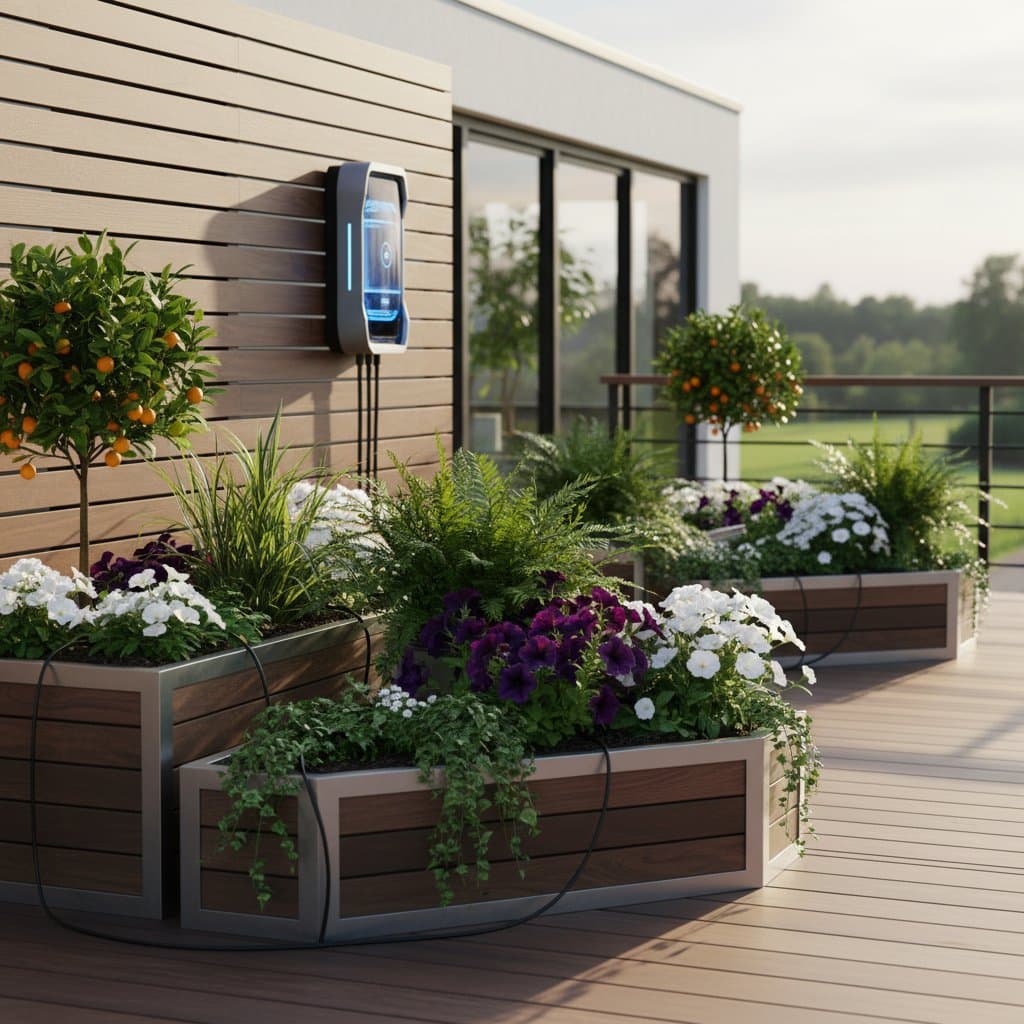
Deck plants often dry out quickly due to exposure to wind and sun, turning routine watering into a demanding task. Automated irrigation systems eliminate this hassle by delivering precise moisture on a set schedule. These setups ensure plants receive consistent care, allowing gardens to flourish without daily intervention. This guide covers selecting components, installation steps, and maintenance practices tailored for deck or balcony spaces.

Essential Tools and Materials

Assemble a basic automated irrigation system using durable, compatible parts to avoid leaks or inefficiencies. Begin by assessing your deck's layout, including the number of containers and their positions relative to the water source.

Core components include:

  • A battery-operated or electric timer capable of programming at least two daily cycles, with options for duration and frequency adjustments.
  • 25 to 50 feet of 1/4-inch drip tubing, flexible enough to route along railings and into planters without kinking.
  • 10 to 20 adjustable drip emitters or micro-sprayers, each delivering 0.5 to 2 gallons per hour depending on plant needs.
  • A backflow preventer to protect municipal water supplies from contamination.
  • A pressure regulator designed for low-flow drip systems, typically set to 25 pounds per square inch.
  • A hose-to-tubing adapter to connect the garden hose to the drip line.
  • Stakes, clips, or weights to anchor tubing securely against wind.
  • Sharp scissors or a dedicated tubing cutter for clean cuts.

Optional enhancements:

  • A Wi-Fi-enabled smart controller for remote adjustments via smartphone app.
  • A soil moisture sensor to automate watering based on actual conditions rather than fixed timers.

For setups with multiple pots, allocate one emitter per container for small plants like herbs, or two emitters spaced 6 inches apart in larger planters for even distribution. Purchase extra connectors and tees to branch lines as needed, ensuring the system scales with your garden's growth.

Installation Steps

Position the timer near an outdoor faucet for easy access. Attach the backflow preventer and pressure regulator directly to the faucet thread, followed by the hose adapter. Connect the drip tubing to the adapter and run it along the deck's perimeter, securing it with clips every 2 feet to prevent sagging.

Punch small holes in the tubing using an emitter insertion tool, then insert emitters at the base of each plant. For hanging baskets, use weighted stakes to direct lines downward. Test the system by running a short cycle: observe for even flow and adjust emitter rates to match soil absorption. Seal all connections with goof plugs to minimize drips.

Initial setup requires about two hours for a deck with 10 to 15 containers. Start with a simple loop configuration before adding branches, which allows for troubleshooting without disrupting the entire line.

Safety Considerations

Prevent common issues by monitoring system performance regularly. Overwatering leads to fungal growth and root rot, so insert a finger 1 inch into the soil weekly to check moisture levels; adjust timers if the soil feels soggy.

In regions with freezing temperatures, disconnect and drain all tubing before winter arrives, as expanding ice can burst lines. Store components in a dry indoor space and inspect for damage each spring. Position electrical timers in sheltered spots or enclose them in waterproof housings to guard against rain exposure.

Connect only to potable water sources, or install inline filters if using rainwater collection to avoid clogging from debris. Regularly flush lines with a vinegar solution to clear mineral deposits, extending the system's lifespan.

Cost Breakdown and Time Investment

Expect to spend 60 to 150 dollars on a starter kit, with timers accounting for 20 to 50 dollars and emitters adding 10 to 30 dollars based on quantity. Smart controllers range from 80 to 200 dollars but offer app-based monitoring that reduces waste by 20 to 30 percent over time.

Labor for DIY installation totals two to four hours, depending on deck size and tubing length. Save money by opting for mechanical timers over digital ones and reusing cleaned tubing from previous years. Invest in quality regulators and preventers, as cheap alternatives risk plumbing damage or uneven pressure.

For budget-conscious gardeners, source materials from local hardware stores or online suppliers specializing in irrigation; compare flow rates and warranties to ensure reliability.

Seasonal Maintenance Schedule

Adapt your system to changing weather for optimal plant health. In spring, reassemble components, flush lines with water to remove winter residue, and run a test cycle to verify flow before seeding or transplanting. Set initial schedules for 10 to 15 minutes twice daily in moderate temperatures.

During summer heat, extend cycles to 20 minutes or add a third watering if pots dry out midday; focus on shallow-rooted plants like petunias that require more frequent moisture. In autumn, taper frequencies to once daily as daylight shortens and evaporation decreases, fully draining lines ahead of frost.

Winter storage involves coiling tubing neatly and cleaning emitters by soaking in mild soap. Before reuse, check for cracks and replace any degraded parts to maintain efficiency.

Enhancing Efficiency with Smart Features

Organize spares like extra emitters and fittings in a divided plastic bin, labeling sections for quick access. Affix the timer's instruction manual to a nearby surface with clips for reference during adjustments. In tight spaces, hang coiled tubing on wall-mounted hooks to free up deck area.

Incorporate a rain sensor or soil probe for 30 dollars to halt watering during wet periods, potentially cutting usage by 25 percent. These tools integrate easily with existing timers, providing data on moisture levels to refine schedules further.

Professional Installation Options

For systems tying into main water lines or involving wall penetrations, consult a licensed plumber to handle permits and compliance. Professionals ensure balanced pressure and robust backflow safeguards, preventing costly repairs.

On expansive decks supporting over 30 containers, experts design multi-zone setups with valves that alternate flows, avoiding overload. Such installations run 200 to 400 dollars in labor, yielding leak-free operation and a streamlined layout that blends with deck aesthetics.

Implementing and Refining Your System

Survey your deck to identify high-evaporation zones, such as sunny corners or elevated pots, and prioritize those for initial emitters. Launch with a basic configuration: one timer, adapter, and five to ten emitters targeting problem areas.

Track performance in a notebook, noting run times alongside plant vitality. After two weeks, fine-tune durations by 1 to 2 minutes, aiming for soil that remains moist but not waterlogged. This iterative approach customizes the system to your specific sunlight, wind, and plant varieties.

With automation in place, reclaim time for enjoying your outdoor space. Reliable hydration means vibrant greenery year-round, supporting relaxed mornings and worry-free absences.

You Might Also Like

Solar Drip Systems Keep Deck Gardens Watered Automatically

Glass Deck Floors That Skylight the Space Below

Watering 50+ Pots From a Single Faucet

Grow 30 Plants in 2 Feet Using Nutrient Mist

Mycelium Boards Replace Wood in Sustainable Decking

Tagged:

deck,smart,systems,gardens,automated,irrigation,watering,automated-irrigation,smart-watering-systems,deck-gardens

Recent by Sheila Spaulding

Image for Solar Pavers Convert Steps and Sunlight Into Power

Solar Pavers Convert Steps and Sunlight Into Power

Feb 2, 2026
Image for Grow 30 Plants in 2 Feet Using Nutrient Mist

Grow 30 Plants in 2 Feet Using Nutrient Mist

Feb 1, 2026
Image for Mycelium Boards Replace Wood in Sustainable Decking

Mycelium Boards Replace Wood in Sustainable Decking

Feb 1, 2026
Image for Solar Pergolas Turn Small Patios Into Power Sources

Solar Pergolas Turn Small Patios Into Power Sources

Feb 1, 2026
Image for Stop Balcony Noise With Layers That Block and Absorb Sound

Stop Balcony Noise With Layers That Block and Absorb Sound

Jan 31, 2026

deck

Image for Solar Drip Systems Keep Deck Gardens Watered Automatically

Solar Drip Systems Keep Deck Gardens Watered Automatically

Feb 2, 2026
Image for Glass Deck Floors That Skylight the Space Below

Glass Deck Floors That Skylight the Space Below

Feb 2, 2026
Image for Mycelium Boards Replace Wood in Sustainable Decking

Deck Construction & Remodeling

Solar Drip Systems Keep Deck Gardens Watered Automatically

Elevate your deck gardening with solar-powered drip irrigation for precise, hands-free watering. This guide covers final setup steps, safety measures, common fixes, cost breakdowns, and year-round care to foster healthy plants with minimal intervention.

Feb 2, 2026

Solar Pavers Convert Steps and Sunlight Into Power

Elevate your outdoor paths with solar pavers that generate electricity from sunlight and movement. This comprehensive resource outlines functionality, step-by-step setup, budgeting, troubleshooting, and ways to apply the power for lighting or devices—all while promoting green living.

Feb 2, 2026

Glass Deck Floors That Skylight the Space Below

Elevate your deck design with glass floor panels that function as skylights, flooding lower areas with natural light while delivering a sleek, contemporary look. This resource provides in-depth coverage of benefits, essential materials, step-by-step installation, safety protocols, maintenance routines, and guidance on when to hire experts—all to optimize your outdoor environment for light, style, and longevity.

Categories

Deck Construction & Remodeling(158)
Balcony Design(146)
Small-Space Gardens(63)
Rooftop Decks(50)
Backyard Design(18)

Mycelium Boards Replace Wood in Sustainable Decking

Feb 1, 2026
Image for Cut Deck Noise with Acoustic Privacy Screens

Cut Deck Noise with Acoustic Privacy Screens

Feb 1, 2026
Image for Deck Benches That Turn Scraps Into Garden Soil

Deck Benches That Turn Scraps Into Garden Soil

Jan 31, 2026
Feb 2, 2026

Mycelium Boards Replace Wood in Sustainable Decking

Mycelium decking redefines sustainable outdoor design with boards cultivated from fungal roots and agricultural waste. These lightweight, compostable planks match wood's strength while minimizing environmental impact. This guide covers planning, installation, and care for a resilient, green yard addition.

Feb 1, 2026

Cut Deck Noise with Acoustic Privacy Screens

Turn urban deck noise into peaceful quiet with acoustic privacy screens. Explore sound-blocking options, step-by-step installation, upkeep advice, and cost-effective choices for a more enjoyable outdoor space throughout the year.

Feb 1, 2026

Deck Benches That Turn Scraps Into Garden Soil

Convert your deck into an eco-friendly oasis with a composting bench that serves as both comfortable seating and efficient soil producer. This comprehensive guide details construction steps, material needs, troubleshooting, and seasonal care to minimize waste and maximize garden yields.

Jan 31, 2026

Permeable Pavers Stop Flooding and Raise Property Value

Permeable pavers convert waterlogged areas into resilient, environmentally friendly surfaces. Water infiltrates through paver joints and stone bases, minimizing runoff, safeguarding structures, and elevating aesthetic appeal. This comprehensive guide details installation processes, upkeep routines, and financial considerations to demonstrate how these pavers promote sustainability, property enhancement, and enduring outdoor usability.

Jan 29, 2026

Turn Your Deck into a Clean Energy Generator

Elevate your deck into a sustainable solar energy source with integrated pavers that merge aesthetics and efficiency. This guide covers sunlight evaluation, circuit planning, durable tile installation, performance upkeep, expense details, safety protocols, and professional consultation needs to create a self-powered outdoor retreat.

Jan 29, 2026

Solar Pavers Turn Sunlight Into Outdoor Power

Elevate your outdoor areas with solar pavers, robust tiles that capture sunlight to generate power for lighting, charging stations, and appliances. This guide covers their functionality, required materials, and detailed installation instructions to build an efficient, wire-free environment that blends practicality with aesthetic appeal.

Jan 28, 2026

Mycelium Decks Replace Wood With Living Fungi Material

Mycelium, the intricate root system of fungi, emerges as a groundbreaking material for decking. This renewable and biodegradable option provides the durability of wood with a fraction of the environmental impact. Readers will gain insights into installation, maintenance, and benefits to create an outdoor haven that aligns with sustainable living principles.

Jan 27, 2026

Deck Pods Turn Open Decks into Year-Round Rooms

Convert your deck into a protected, inviting extension of your home using modular deck pods. This comprehensive guide covers planning, assembly, and upkeep for these adaptable structures, including required tools, safety protocols, and enhancements to achieve a durable, stylish outdoor space that provides year-round utility.

Jan 26, 2026

Solar Shade Sails Generate Power While Cooling Your Deck

Elevate your deck with solar shade sails that offer respite from the sun while harnessing solar power for everyday use. These versatile structures blend comfort with eco-friendly energy generation. Explore practical steps for installation, upkeep, and optimization to create an inviting, self-sustaining outdoor haven.

Jan 26, 2026

Cool Your Deck 15° with Solar Shade Sails

Counter summer deck heat with solar shade sails capable of reducing temperatures by up to 15 degrees. These tensioned fabric panels effectively block UV rays, improve airflow, and install in just one day. Gain insights into required tools, essential safety measures, and maintenance strategies for extended outdoor enjoyment.

Jan 25, 2026

Why Permeable Decks Stay 20 Degrees Cooler

Permeable decks address intense summer heat by facilitating airflow and water passage, which dissipates trapped warmth and maintains surfaces up to 20 degrees cooler. Incorporating light-colored materials, strategic gaps, and evaporative cooling, these decks foster inviting, sustainable outdoor areas that require low maintenance and provide enduring relief from hot surfaces.

Jan 25, 2026

Solar Pergolas Cut City Heat While Powering Your Deck

Elevate your compact urban deck with a solar pergola that delivers shade, produces renewable energy, and enhances sustainability. This comprehensive guide includes planning strategies, material choices, step-by-step installation, safety protocols, and upkeep tips to achieve a cooler, cost-effective outdoor area while increasing home value on a practical budget.

Jan 24, 2026

Fungal Fibers That Replace Wood Decks and Compost Clean

Mycelium decks redefine urban outdoor spaces through sustainable, compostable panels derived from fungal networks. These lightweight, durable alternatives to wood or plastic utilize agricultural waste. Follow this guide to cultivate, process, install, and maintain them for environmentally conscious urban design.

Jan 24, 2026

Misting Systems Drop Deck Temps 20° Fast

Misting systems transform hot decks into inviting spaces by reducing temperatures up to 20 degrees. This guide details planning, installation, maintenance, and optimization strategies for safe, effective cooling throughout the season.

Jan 22, 2026

UV Shade Sails Drop Deck Temps 20 Degrees

Combat summer heat and safeguard your deck using UV shade sails. This comprehensive guide details selection, installation, and upkeep strategies that reduce surface temperatures, avert color fading, and prolong deck longevity. Explore required tools, safety measures, common issues, and professional insights to create a fashionable, protected outdoor haven.

Jan 22, 2026

Shade Sails That Follow the Sun All Day Long

Automatic sun-tracking shade sails adjust their position to follow the sun, providing consistent shade and comfort on decks and patios. This comprehensive guide explains the technology, step-by-step installation, essential safety measures, ongoing maintenance, associated costs, and strategies to maximize durability and efficiency in your outdoor environment.

Jan 21, 2026

AI Cameras That Water Plants and Deter Deck Pests

Elevate your urban deck into an automated oasis with AI cameras that identify pests, optimize irrigation, and reduce upkeep. These intelligent systems leverage computer vision to safeguard plants, promote efficient water use, and deliver seamless outdoor enjoyment via straightforward installation and reliable performance.

Jan 21, 2026