Loading...

Rain-Filtering Decks for NYC Homes | Reduce Urban Runoff with Permeable Designs | Urban Outdoors - Small-Space Gardens, Rooftop Decks, Balconies, Decks, Backyard Design
Skip to main content
Urban Outdoors
Search
Home
  1. Home
  2. /
  3. Deck Construction & Remodeling
  4. /
  5. Decks That Filter Rainwater Before It Hits the Street
Deck Construction & Remodeling

Decks That Filter Rainwater Before It Hits the Street

byDawn Hayden
2025-10-07 14:11:06October 7, 2025
6 min read
Featured image for Decks That Filter Rainwater Before It Hits the Street

Categories

Navigation

  • Home
  • All Articles
  • About Us
  • Privacy Policy
  • Terms of Service

© 2026 Urban Outdoors. Crafted for bold city dwellers.

2025-10-09 03:19:27
Urban Outdoors - Small-Space Gardens, Rooftop Decks, Balconies, Decks, Backyard Design

The Decks Filtering Urban Stormwater Naturally

City rain often has nowhere to go. Streets and roofs shed water faster than drains can handle it, leaving puddles, runoff, and sometimes basement leaks. A small but powerful shift is happening on many rooftops, balconies, and backyards. Homeowners are turning their decks into living filters that soak and clean rain before it reaches the street.

The goal is simple. Turn a hard surface into one that slows, filters, and reuses rainwater.

Readers will learn what a rain-filtering deck is, how it works, what materials are needed to build one, and how to maintain it for safety and effectiveness.

Overview

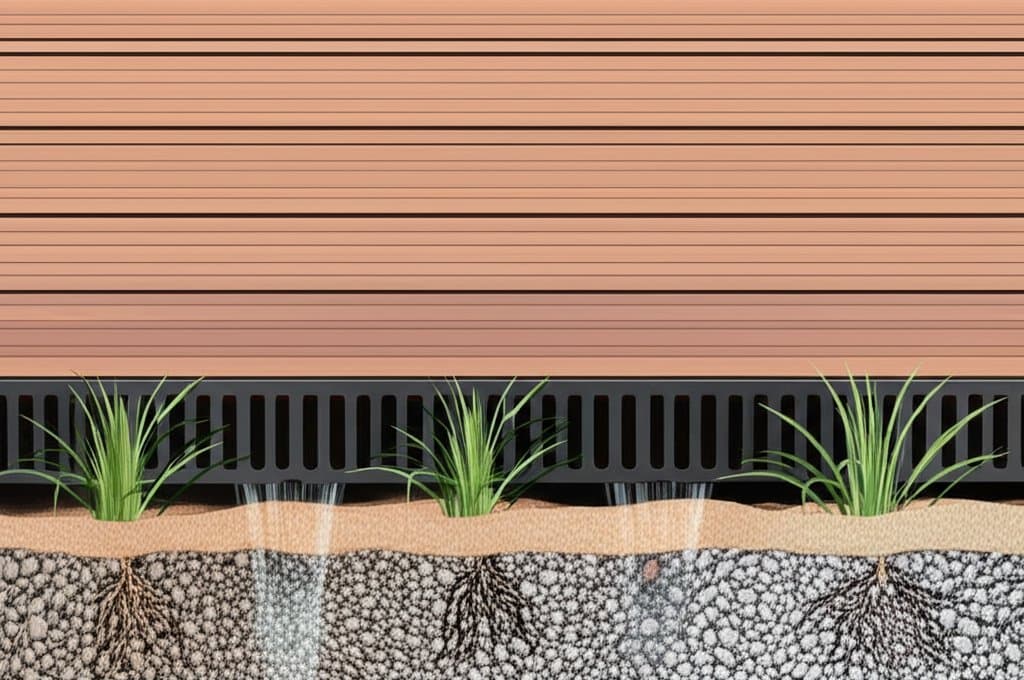
A rain-filtering deck, sometimes called a permeable deck or rain garden deck, is a surface that allows water to pass through instead of directing it off the edge. Instead of sealed boards or concrete, it employs gaps, channels, and planted beds to enable rain to soak into a prepared base layer.

The system mimics the way soil handles rain in a natural area. Rain seeps down, fine particles and roots filter it, and clean water slowly joins the groundwater or a storage tank below.

This approach matters because every inch of rain on a 200 square foot deck equals about 125 gallons of water. By keeping that water out of storm drains, individuals lower flooding risk, reduce pollution, and provide free irrigation for plants.

Key Benefits

  • Less runoff and erosion. Permeable materials slow water and keep soil in place.
  • Cleaner water. Gravel and soil layers filter oils, dust, and debris.
  • Cooler outdoor space. Moisture and plants help lower surface heat.
  • Longer deck life. Proper drainage prevents pooling and wood rot.
  • Possible rebates. Many cities offer credits for on-site stormwater control.

Tools and Materials

Individuals can build a small filtering deck with basic carpentry tools. Plan a weekend or two for setup and planting.

Tools

  1. Tape measure, level, and square for layout.
  2. Circular saw and drill for framing and decking.
  3. Shovel and rake for grading soil.
  4. Safety gloves, goggles, and mask for dust protection.

Materials

  1. Permeable decking boards such as slatted wood, composite grid panels, or recycled plastic tiles.
  2. Support frame of pressure-treated wood or metal rated for outdoor use.
  3. Gravel layer about 4 inches (10 centimeters) deep for drainage.
  4. Filter fabric to keep soil from clogging the gravel.
  5. Planting soil mix with sand or compost for rain garden sections.
  6. Native plants with deep roots such as switchgrass, aster, or sedge.

Steps

1. Assess Slope and Runoff

Examine where rain flows currently. A gentle slope of 1 inch per 8 feet (2 centimeters per 2.4 meters) directs water evenly toward chosen garden areas. Avoid directing water against walls or foundations.

2. Prepare the Base

Remove old decking or pavers. Level the soil while maintaining the slight slope. Lay down filter fabric, then spread 4 inches of clean gravel. Compact it lightly for stability.

3. Build the Frame

Set deck posts and joists according to local code. Leave at least 1/4 inch (6 millimeters) between boards for air and water flow. If using modular panels, snap them into place over the gravel base.

4. Create Rain Garden Zones

Cut out one or two open sections between boards or at the deck edge. Fill these with the planting mix. Each garden pocket can measure about 12 inches (30 centimeters) deep and 18 inches (45 centimeters) wide.

5. Add Plants and Mulch

Select species that tolerate both wet and dry conditions. Space them about 8 inches (20 centimeters) apart. Top with light mulch to hold soil while roots establish.

6. Direct Overflow

Install an under-deck trough or simple PVC pipe leading to a rain barrel, small cistern, or another garden bed. This prevents heavy downpours from eroding soil.

7. Test Water Flow

During a light rain or with a hose, observe how water moves. Adjust slope or gaps if puddles form. All water should disappear into the deck within 15 minutes.

Safety Tips

  • Check weight limits. Wet soil and gravel add load. Confirm the deck frame can handle about 10 pounds per square foot.
  • Wear gloves when handling treated wood. Avoid skin contact with chemical preservatives.
  • Keep electrical lines clear. Never drill near hidden wires or pipes.
  • Use non-slip surfaces. Permeable decks can remain damp longer than sealed wood.

Troubleshooting

Slow Drainage

If water pools, the gravel layer may be clogged. Lift one panel, remove debris, and flush the base with clean water.

Weedy Growth

Pull weeds early before roots spread. A one-inch layer of fresh mulch can block sunlight and limit regrowth.

Soil Loss After Storms

Add small cobbles or groundcover plants near edges. Their weight and roots keep soil in place.

Musty Odor

This indicates poor airflow. Add a vent strip or raise one panel slightly to allow air to dry the substructure.

Maintenance

A deck that filters stormwater requires light but regular care.

  • Sweep debris from board gaps every few weeks.
  • Trim plants to keep them upright and open to sun.
  • Check for silt buildup once a season. Remove and replace top soil if it feels compacted.
  • Inspect the frame for moisture signs. Seal exposed wood edges with a low-VOC outdoor finish.

With this routine, most decks maintain good drainage for five to ten years before needing major refresh.

Storage

Keep spare gravel, soil mix, and a few extra boards in a dry bin or shed. Store plant fertilizer in sealed containers away from rain. Drain any connected rain barrel before freezing weather to prevent cracking.

Budget and Time

Building a small 8-by-10 foot deck costs about 8 to 14 dollars per square foot, depending on wood type and plant selection. Expect to spend around 10 hours on site prep and framing, plus another half day for planting.

Maintenance requires low effort, about one hour a month. Replacement costs remain modest since most materials are modular and reusable.

Seasonal Reminders

  • Spring: Clear winter debris, loosen soil, and reseed bare spots.
  • Summer: Check moisture levels weekly. Deep water plants if rainfall stays low.
  • Fall: Trim spent growth and empty rain barrels before freezing.
  • Winter: Keep deck edges clear of ice with a plastic shovel. Avoid salt that can harm plants.

When to Call a Professional

Hire a licensed contractor if the deck stands more than 30 inches (76 centimeters) above ground or connects to a building wall. A landscape designer or civil engineer can review drainage plans for multi-unit properties.

Key Takeaways

A rain-filtering deck turns everyday rainfall into a resource. It reduces runoff, cools the space, and supports local plants. Such a project does not require a large yard or complex system.

Steps to Get Started

  1. Check the space. Measure slope, drainage, and sun hours.
  2. Gather materials. Source permeable decking boards and gravel rated for drainage.
  3. Start small. Build one filtered corner or modular panel to test performance.

You Might Also Like

Solar Drip Systems Keep Deck Gardens Watered Automatically

Solar Pavers Convert Steps and Sunlight Into Power

Glass Deck Floors That Skylight the Space Below

Mycelium Boards Replace Wood in Sustainable Decking

Cut Deck Noise with Acoustic Privacy Screens

Tagged:

garden,deck,stormwater,decking,permeable,management,rain,stormwater-management,rain-garden-deck,permeable-decking

Recent by Dawn Hayden

Image for Glass Deck Floors That Skylight the Space Below

Glass Deck Floors That Skylight the Space Below

Feb 2, 2026
Image for Cut Deck Noise with Acoustic Privacy Screens

Cut Deck Noise with Acoustic Privacy Screens

Feb 1, 2026
Image for Deck Benches That Turn Scraps Into Garden Soil

Deck Benches That Turn Scraps Into Garden Soil

Jan 31, 2026
Image for Cool Balconies 15° Cheaper with Micro-Misting Systems

Cool Balconies 15° Cheaper with Micro-Misting Systems

Jan 30, 2026
Image for Living Sound Filters for City Apartments

Living Sound Filters for City Apartments

Jan 30, 2026

garden

Image for Solar Drip Systems Keep Deck Gardens Watered Automatically

Solar Drip Systems Keep Deck Gardens Watered Automatically

Feb 2, 2026
Image for Microclimate Pods Extend Growing Season on Balconies

Microclimate Pods Extend Growing Season on Balconies

Jan 26, 2026
Image for Three Square Feet of Balcony That Feeds Urban Bees

Deck Construction & Remodeling

Solar Drip Systems Keep Deck Gardens Watered Automatically

Elevate your deck gardening with solar-powered drip irrigation for precise, hands-free watering. This guide covers final setup steps, safety measures, common fixes, cost breakdowns, and year-round care to foster healthy plants with minimal intervention.

Feb 2, 2026

Solar Pavers Convert Steps and Sunlight Into Power

Elevate your outdoor paths with solar pavers that generate electricity from sunlight and movement. This comprehensive resource outlines functionality, step-by-step setup, budgeting, troubleshooting, and ways to apply the power for lighting or devices—all while promoting green living.

Feb 2, 2026

Glass Deck Floors That Skylight the Space Below

Elevate your deck design with glass floor panels that function as skylights, flooding lower areas with natural light while delivering a sleek, contemporary look. This resource provides in-depth coverage of benefits, essential materials, step-by-step installation, safety protocols, maintenance routines, and guidance on when to hire experts—all to optimize your outdoor environment for light, style, and longevity.

Categories

Deck Construction & Remodeling(158)
Balcony Design(146)
Small-Space Gardens(63)
Rooftop Decks(50)
Backyard Design(18)

Three Square Feet of Balcony That Feeds Urban Bees

Jan 25, 2026
Image for AI Cameras That Water Plants and Deter Deck Pests

AI Cameras That Water Plants and Deter Deck Pests

Jan 21, 2026
Image for Map Your Deck's Hot Spots Before You Zone

Map Your Deck's Hot Spots Before You Zone

Jan 19, 2026
Feb 2, 2026

Mycelium Boards Replace Wood in Sustainable Decking

Mycelium decking redefines sustainable outdoor design with boards cultivated from fungal roots and agricultural waste. These lightweight, compostable planks match wood's strength while minimizing environmental impact. This guide covers planning, installation, and care for a resilient, green yard addition.

Feb 1, 2026

Cut Deck Noise with Acoustic Privacy Screens

Turn urban deck noise into peaceful quiet with acoustic privacy screens. Explore sound-blocking options, step-by-step installation, upkeep advice, and cost-effective choices for a more enjoyable outdoor space throughout the year.

Feb 1, 2026

Deck Benches That Turn Scraps Into Garden Soil

Convert your deck into an eco-friendly oasis with a composting bench that serves as both comfortable seating and efficient soil producer. This comprehensive guide details construction steps, material needs, troubleshooting, and seasonal care to minimize waste and maximize garden yields.

Jan 31, 2026

Permeable Pavers Stop Flooding and Raise Property Value

Permeable pavers convert waterlogged areas into resilient, environmentally friendly surfaces. Water infiltrates through paver joints and stone bases, minimizing runoff, safeguarding structures, and elevating aesthetic appeal. This comprehensive guide details installation processes, upkeep routines, and financial considerations to demonstrate how these pavers promote sustainability, property enhancement, and enduring outdoor usability.

Jan 29, 2026

Turn Your Deck into a Clean Energy Generator

Elevate your deck into a sustainable solar energy source with integrated pavers that merge aesthetics and efficiency. This guide covers sunlight evaluation, circuit planning, durable tile installation, performance upkeep, expense details, safety protocols, and professional consultation needs to create a self-powered outdoor retreat.

Jan 29, 2026

Solar Pavers Turn Sunlight Into Outdoor Power

Elevate your outdoor areas with solar pavers, robust tiles that capture sunlight to generate power for lighting, charging stations, and appliances. This guide covers their functionality, required materials, and detailed installation instructions to build an efficient, wire-free environment that blends practicality with aesthetic appeal.

Jan 28, 2026

Mycelium Decks Replace Wood With Living Fungi Material

Mycelium, the intricate root system of fungi, emerges as a groundbreaking material for decking. This renewable and biodegradable option provides the durability of wood with a fraction of the environmental impact. Readers will gain insights into installation, maintenance, and benefits to create an outdoor haven that aligns with sustainable living principles.

Jan 27, 2026

Deck Pods Turn Open Decks into Year-Round Rooms

Convert your deck into a protected, inviting extension of your home using modular deck pods. This comprehensive guide covers planning, assembly, and upkeep for these adaptable structures, including required tools, safety protocols, and enhancements to achieve a durable, stylish outdoor space that provides year-round utility.

Jan 26, 2026

Solar Shade Sails Generate Power While Cooling Your Deck

Elevate your deck with solar shade sails that offer respite from the sun while harnessing solar power for everyday use. These versatile structures blend comfort with eco-friendly energy generation. Explore practical steps for installation, upkeep, and optimization to create an inviting, self-sustaining outdoor haven.

Jan 26, 2026

Cool Your Deck 15° with Solar Shade Sails

Counter summer deck heat with solar shade sails capable of reducing temperatures by up to 15 degrees. These tensioned fabric panels effectively block UV rays, improve airflow, and install in just one day. Gain insights into required tools, essential safety measures, and maintenance strategies for extended outdoor enjoyment.

Jan 25, 2026

Why Permeable Decks Stay 20 Degrees Cooler

Permeable decks address intense summer heat by facilitating airflow and water passage, which dissipates trapped warmth and maintains surfaces up to 20 degrees cooler. Incorporating light-colored materials, strategic gaps, and evaporative cooling, these decks foster inviting, sustainable outdoor areas that require low maintenance and provide enduring relief from hot surfaces.

Jan 25, 2026

Solar Pergolas Cut City Heat While Powering Your Deck

Elevate your compact urban deck with a solar pergola that delivers shade, produces renewable energy, and enhances sustainability. This comprehensive guide includes planning strategies, material choices, step-by-step installation, safety protocols, and upkeep tips to achieve a cooler, cost-effective outdoor area while increasing home value on a practical budget.

Jan 24, 2026

Fungal Fibers That Replace Wood Decks and Compost Clean

Mycelium decks redefine urban outdoor spaces through sustainable, compostable panels derived from fungal networks. These lightweight, durable alternatives to wood or plastic utilize agricultural waste. Follow this guide to cultivate, process, install, and maintain them for environmentally conscious urban design.

Jan 24, 2026

Misting Systems Drop Deck Temps 20° Fast

Misting systems transform hot decks into inviting spaces by reducing temperatures up to 20 degrees. This guide details planning, installation, maintenance, and optimization strategies for safe, effective cooling throughout the season.

Jan 22, 2026

UV Shade Sails Drop Deck Temps 20 Degrees

Combat summer heat and safeguard your deck using UV shade sails. This comprehensive guide details selection, installation, and upkeep strategies that reduce surface temperatures, avert color fading, and prolong deck longevity. Explore required tools, safety measures, common issues, and professional insights to create a fashionable, protected outdoor haven.

Jan 22, 2026

Shade Sails That Follow the Sun All Day Long

Automatic sun-tracking shade sails adjust their position to follow the sun, providing consistent shade and comfort on decks and patios. This comprehensive guide explains the technology, step-by-step installation, essential safety measures, ongoing maintenance, associated costs, and strategies to maximize durability and efficiency in your outdoor environment.

Jan 21, 2026

AI Cameras That Water Plants and Deter Deck Pests

Elevate your urban deck into an automated oasis with AI cameras that identify pests, optimize irrigation, and reduce upkeep. These intelligent systems leverage computer vision to safeguard plants, promote efficient water use, and deliver seamless outdoor enjoyment via straightforward installation and reliable performance.

Jan 21, 2026