Loading...

Code-Compliant Fire Pits for Decks: Safe Installation Guide | Urban Outdoors NYC | Urban Outdoors - Small-Space Gardens, Rooftop Decks, Balconies, Decks, Backyard Design
Skip to main content
Urban Outdoors
Search
Home
  1. Home
  2. /
  3. Deck Construction & Remodeling
  4. /
  5. Fire Pits That Meet Deck Safety Codes
Deck Construction & Remodeling

Fire Pits That Meet Deck Safety Codes

byAnne Marion
2025-12-24 04:18:09December 24, 2025
6 min read
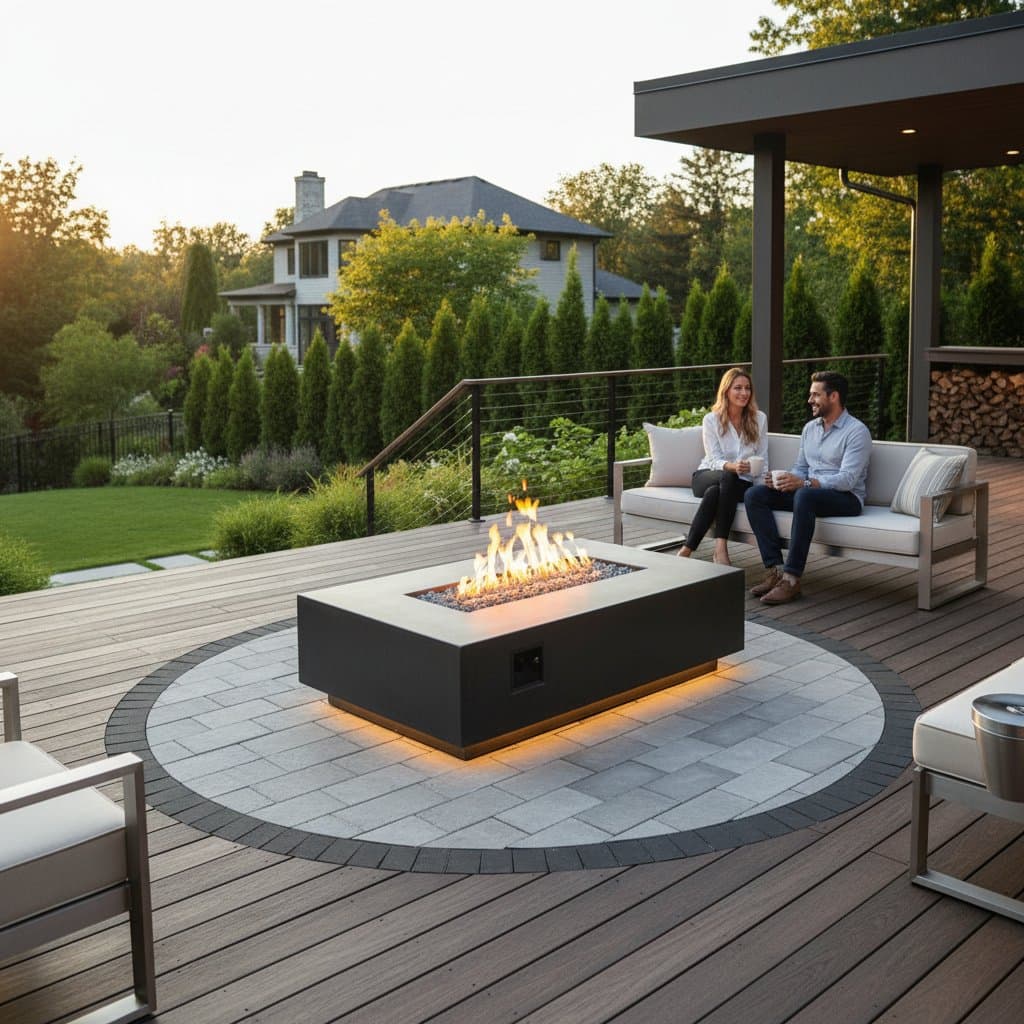
Featured image for Fire Pits That Meet Deck Safety Codes

Categories

Navigation

  • Home
  • All Articles
  • About Us
  • Privacy Policy
  • Terms of Service

© 2026 Urban Outdoors. Crafted for bold city dwellers.

2025-12-24 04:18:09
Urban Outdoors - Small-Space Gardens, Rooftop Decks, Balconies, Decks, Backyard Design

Understanding Deck Safety Codes for Fire Pits

Decks provide an ideal setting for outdoor gatherings, and a fire pit enhances the ambiance with warmth and light. However, integrating a fire pit requires adherence to local building codes to prevent hazards such as structural damage or fire spread. These regulations vary by location, but common standards focus on clearances, materials, and installation methods. This guide outlines essential considerations for selecting and installing a fire pit that complies with safety codes, ensuring both enjoyment and protection for your outdoor space.

Local codes often reference the International Residential Code (IRC) or similar standards, which specify minimum distances from combustible surfaces. For instance, fire pits must maintain at least 10 feet from structures in some areas, though deck-specific rules may adjust this. Always consult your municipal building department for precise requirements, as non-compliance can void insurance or lead to fines. By prioritizing code-approved models, homeowners safeguard their property and family.

Selecting a Code-Compliant Fire Pit

Begin the process by evaluating fire pit types suited to deck environments. Portable models offer flexibility, while built-in options integrate seamlessly but demand professional oversight. Gas-powered pits, using propane or natural gas, produce cleaner burns with less ash, making them popular for urban decks. Wood-burning varieties deliver traditional appeal but require more ventilation to manage smoke.

Look for certifications from organizations such as the CSA Group or Underwriters Laboratories (UL), which verify compliance with safety standards. These labels indicate testing for stability, heat output, and emissions. Consider the deck's material: composite or pressure-treated wood benefits from elevated, non-combustible bases to dissipate heat. Stainless steel or cast iron bowls resist corrosion and distribute heat evenly, reducing hot spots.

Size matters for code adherence; smaller pits (under 36 inches in diameter) often fit tighter spaces while meeting clearance rules. Fuel options influence regulations: propane tanks must store outside enclosures, and natural gas lines require licensed installation. Evaluate wind patterns on your deck, as enclosed flames from gel or electric pits minimize sparks in breezy conditions.

Installation Steps for Safe Setup

Proper installation forms the foundation of code compliance. Start by preparing the deck surface with a heat-resistant barrier, such as a fire-rated mat or concrete pavers at least 1 inch thick. Position the pit to allow 36 inches of clearance from railings, siding, and furniture, expanding to 10 feet if codes specify greater distances from the home.

For gas models, connect lines following manufacturer instructions, ensuring valves shut off securely. Test for leaks using soapy water on joints; bubbles signal issues needing repair. Wood pits benefit from stable legs or stands that elevate the base 12 inches above the decking to prevent charring. Secure the setup against tipping with anchoring kits if the deck experiences high winds.

Document the installation with photos and receipts, as some jurisdictions require permits for permanent features. If modifying the deck structure, such as reinforcing joists, hire a structural engineer to assess load-bearing capacity. These steps not only meet codes but also extend the lifespan of your deck and fire pit.

Essential Safety Practices

Safety practices integrate seamlessly into daily use, transforming the fire pit into a reliable feature. Maintain a clear zone of at least 36 inches around the pit, free from overhanging branches or stored items. Employ spark screens or tempered glass wind guards on all models to contain embers and direct flames.

Prohibit the use of accelerants like gasoline or lighter fluid, which ignite unpredictably and violate fire codes. Supervise children and pets within a 3-foot radius, and keep a fire extinguisher or hose nearby for immediate response. Fully extinguish flames by allowing coals to cool completely or using water and sand for wood fires before leaving the area unattended.

Regular inspections reveal potential risks, such as frayed hoses or warped bases. Educate household members on emergency procedures, including stopping, dropping, and rolling for clothing fires. These habits ensure the fire pit enhances gatherings without introducing dangers.

Routine Maintenance Procedures

Maintenance preserves functionality and code compliance over time. After each use, remove ash from wood pits using a metal scoop and dispose of it in a non-combustible container. For gas units, brush burners gently with a soft tool and mild detergent to clear residue, avoiding abrasive materials that damage ports.

Inspect fittings quarterly, tightening connections as needed without excessive force. Replace gaskets, hoses, or ignition components showing wear, such as cracks or discoloration. Cover the pit with a fitted, waterproof shield during idle periods to shield it from rain and debris.

In winter, drain gas lines and store propane tanks in a ventilated shed, positioned upright and away from heat sources. Annual professional tune-ups for gas models verify pressure regulators and burner alignment. Consistent care prevents malfunctions and maintains warranty validity.

Addressing Common Issues

Troubleshooting resolves issues efficiently, keeping the fire pit operational. If decking shows scorch marks, install a supplemental heat shield or additional pavers to improve insulation. Verify the pit sits level to avoid heat concentration in one area.

Uneven flames in gas pits often stem from clogged ports; clean them thoroughly with a wire brush and ensure gas pressure aligns with specifications. Excessive smoke from wood models indicates unseasoned fuel; opt for dry hardwoods like oak or maple, stored under cover for at least six months.

Odors or leaks require immediate attention: check burner trays for blockages and hoses for bulges. Tighten loose parts carefully, and test connections post-adjustment. Persistent problems, such as flickering ignitions, warrant part replacement from certified suppliers.

Cost Considerations and Timeline

Budgeting for a deck-safe fire pit balances quality with affordability. Entry-level portable units range from $250 to $600, while premium gas or built-in models reach $800 to $1,200. Essential accessories, including heat mats ($60 to $150) and covers ($40 to $100), add value without excess cost.

Professional services elevate expenses: natural gas line installation costs $300 to $700, factoring in trenching and permits. Electrical hookups for ignition systems may add $200. These investments yield long-term savings by averting repairs or code violations.

Installation typically spans two to three hours for basic setups, extending to a full day for complex plumbing. Weekly maintenance demands mere minutes, involving quick wipes and visual checks. Prioritize certified components for gas systems to ensure reliability and safety.

Engaging Professional Expertise

Certain scenarios necessitate professional intervention to uphold standards. Engage a licensed plumber for natural gas connections, as improper handling risks explosions. If heat exposure has caused deck warping or discoloration, a contractor can reinforce or replace affected boards.

Permits and inspections often require certified documentation; professionals navigate these processes smoothly. Uneven burning after basic cleaning signals deeper issues, like faulty regulators, best addressed by technicians. Investing in expertise provides peace of mind and preserves home value.

Steps to Sustainable Outdoor Enjoyment

  1. Verify local codes through official channels to guide your choices.
  2. Select certified fire pits matched to your deck's specifications.
  3. Follow installation protocols with protective bases and clearances.
  4. Implement safety and maintenance routines from day one.
  5. Monitor performance and consult pros when challenges arise.

These measures create a compliant, inviting deck oasis. Regular adherence ensures seasons of safe, memorable gatherings around the flames.

You Might Also Like

Mushroom-Based Deck Tiles Cut Carbon and Maintenance

Living Pergolas Cool Decks Through Natural Shade

Shape Deck Zones to Stay Comfortable All Year

Micro-Misting Drops Balcony Heat 20° in Seconds

Micro-Misting Drops Deck Temperature 15 Degrees

Tagged:

outdoor,deck,fire,pit,fireplace,fire-pit-deck

Recent by Anne Marion

Image for Living Pergolas Cool Decks Through Natural Shade

Living Pergolas Cool Decks Through Natural Shade

Mar 18, 2026
Image for Creating a Balcony Microclimate for Plants Year-Round

Creating a Balcony Microclimate for Plants Year-Round

Mar 18, 2026
Image for Rooftop Benches That Clean Air and Cool Surfaces

Rooftop Benches That Clean Air and Cool Surfaces

Mar 18, 2026
Image for Smart Drip Systems Keep Balcony Plants Thriving

Smart Drip Systems Keep Balcony Plants Thriving

Mar 17, 2026
Image for Micro-Misting Drops Balcony Heat 20° in Seconds

Micro-Misting Drops Balcony Heat 20° in Seconds

Mar 17, 2026

outdoor

Image for Shape Deck Zones to Stay Comfortable All Year

Shape Deck Zones to Stay Comfortable All Year

Mar 18, 2026
Image for Micro-Misting Drops Balcony Heat 20° in Seconds

Micro-Misting Drops Balcony Heat 20° in Seconds

Mar 17, 2026
Image for Creating Deck Zones That Work in Every Season

Deck Construction & Remodeling

Mushroom-Based Deck Tiles Cut Carbon and Maintenance

Mycelium deck tiles, derived from fungal roots, redefine urban outdoor living. These lightweight, eco-degradable, and insulating options enable simple DIY setup and reduced upkeep. Delve into their green advantages, precise installation process, and care strategies for an earth-friendly deck that enhances comfort and sustainability.

Mar 22, 2026

Living Pergolas Cool Decks Through Natural Shade

Transform your deck into a shaded, verdant escape using a living pergola. This comprehensive guide details material selection, structural assembly, irrigation setup, and vine choices that flourish. Explore techniques to enhance shade, optimize airflow, and cultivate a sustainable oasis that enhances comfort and beauty with each passing season.

Mar 18, 2026

Shape Deck Zones to Stay Comfortable All Year

Elevate your deck into a versatile outdoor haven by implementing microclimate zones. This approach involves assessing light patterns, wind flow, and thermal areas, then applying targeted elements like portable heaters, shade structures, and strategic plantings to ensure comfort across all seasons.

Categories

Deck Construction & Remodeling(224)
Balcony Design(192)
Small-Space Gardens(82)
Rooftop Decks(81)
Backyard Design(21)

Creating Deck Zones That Work in Every Season

Mar 15, 2026
Image for Pergola Pods Turn Decks Into Year-Round Retreats

Pergola Pods Turn Decks Into Year-Round Retreats

Mar 12, 2026
Image for Solar Pergolas Cut Cooling Costs While Powering Your Deck

Solar Pergolas Cut Cooling Costs While Powering Your Deck

Mar 11, 2026
Mar 18, 2026

Cool Decks Stay 20 Degrees Cooler in Summer Heat

Turn urban decks from hot hazards into cool havens with heat-reflective materials. This guide covers composites, thermally modified woods, and strategies to maintain surfaces up to 20 degrees cooler, plus practical advice on design, budget, and care for year-round enjoyment.

Mar 16, 2026

Micro-Misting Drops Deck Temperature 15 Degrees

Combat summer heat by installing a micro-misting system that reduces deck temperatures up to 15°F. This guide covers the cooling process, energy-efficient benefits, and adaptable designs for various outdoor areas. Find detailed installation instructions, troubleshooting advice, and seasonal maintenance to sustain a refreshing backyard environment.

Mar 16, 2026

Mycelium Decks Break Down Instead of Piling Up

Mycelium decks revolutionize urban outdoor areas with panels grown from fungal networks and agricultural byproducts. These lightweight, water-resistant, and fully biodegradable options provide a green alternative to traditional plastic composites. This guide covers installation, upkeep, budgeting, and strategies to maximize their lifespan while minimizing environmental impact.

Mar 15, 2026

Creating Deck Zones That Work in Every Season

Elevate your deck into a seasonal haven by developing microclimates that provide tailored comfort throughout the year. Explore strategies for zoning, shading, heating, and organizing with durable materials, strategic lighting, and efficient storage solutions. Achieve prolonged outdoor use while enhancing energy efficiency, visual appeal, and safety measures.

Mar 15, 2026

Glass Domes Keep Your Deck Open All Year

Elevate your deck into a versatile, all-season haven using glass domes or retractable pergolas. Gain insights into selecting materials, executing installations, and performing upkeep to maintain a bright, comfortable area for winter mornings or summer evenings alike.

Mar 14, 2026

Solar Pavers Store Sunlight and Charge Your Phone

Elevate your outdoor spaces with solar pavers that capture daylight to provide nighttime illumination and device charging capabilities. This comprehensive guide details their functionality, installation requirements, upkeep recommendations, expense considerations, and safety protocols to help you build an efficient, luminous environment that performs reliably throughout the year with little ongoing work.

Mar 14, 2026

Smart Apps Map Microclimates for Ideal Deck Builds

Smart apps uncover microclimate nuances in your yard, from sunlight exposure to wind flow and moisture levels. These tools guide material selection, layout planning, and design choices to create durable, comfortable decks. Transform local data into a strategic plan for your perfect outdoor area.

Mar 13, 2026

Pergola Pods Turn Decks Into Year-Round Retreats

Elevate your deck with a pergola pod, a versatile structure that provides shade, protection, and aesthetic appeal. This guide covers planning, construction, upkeep, and strategies to maximize seasonal use, ensuring comfort in any weather.

Mar 12, 2026

Solar Pergolas Cut Cooling Costs While Powering Your Deck

Elevate your deck with a solar pergola that offers shade and produces clean energy. This comprehensive guide details planning, material choices, installation steps, safety measures, troubleshooting, budgeting, and maintenance. Discover how to build a durable structure that cuts energy expenses and enhances outdoor comfort.

Mar 11, 2026

Micro-Misting Drops Deck Heat 15° Without Puddles

Micro-misting provides an effective solution to transform sweltering decks into comfortable retreats, reducing temperatures by up to 15 degrees through fine water droplets. This guide details the science behind the cooling, lists necessary tools and materials, outlines installation processes, addresses safety considerations, and offers maintenance advice for reliable performance throughout the season.

Mar 11, 2026

Mycelium Decks Grow Strength from Fungal Roots

Mycelium decks leverage fungal networks to create biodegradable, waste-derived outdoor flooring that enhances urban sustainability. This resource provides practical instructions for building resilient panels that integrate nature into city living, including material selection, assembly techniques, and long-term care strategies.

Mar 11, 2026

Micro-Clover Borders Cut Deck Upkeep in Half

Revitalize weary deck borders using resilient micro-clover, a self-sustaining ground cover that thrives with little intervention. This guide details installation, care essentials, and advantages like reduced mowing and enhanced aesthetics for compact urban spaces.

Mar 10, 2026

Set Up Drip Irrigation for Deck Containers

Elevate deck gardening with a micro-drip irrigation system that automates watering for consistent plant health. This guide covers planning, installation, and maintenance to save time, reduce water use, and ensure thriving containers in urban settings.

Mar 8, 2026

Soundproof Your Deck with Layers and Soft Surfaces

Convert a bustling urban deck into a serene haven through effective soundproofing techniques. This guide details sealing gaps, layering soft materials, installing acoustic panels, and integrating natural barriers like plants and curtains to foster a private, relaxing environment that balances style and acoustic control.

Mar 8, 2026

Solar Pergolas Cut Deck Heat While Powering Your Home

Elevate your deck with a solar pergola that offers shade from heat and produces renewable energy. This comprehensive guide details design options, material choices, step-by-step installation, safety measures, and upkeep strategies to boost comfort, cut costs, and promote eco-friendly living in your outdoor area.

Mar 7, 2026

Native Plants Transform Deck Edges Into Pollinator Havens

Convert a plain deck into a bustling pollinator sanctuary using native plant borders. This guide covers design principles, plant selection, planting techniques, and maintenance strategies to attract bees, butterflies, and birds with minimal effort. Explore practical advice, recommended species, and care essentials for a vibrant, eco-friendly outdoor space.

Mar 7, 2026

Acoustic Panels Cut Deck Noise by 30 to 50 Percent

Elevate a bustling deck to a tranquil sanctuary via outdoor acoustic panels. This resource covers selecting resilient materials, orchestrating installations, and upholding acoustic efficacy throughout the year. Acquire actionable guidance, cost-saving advice, and aesthetic concepts to neutralize city clamor, enhance seclusion, and foster relaxed, conducive outdoor interactions.

Mar 6, 2026