Loading...

Fire-Rated Composite Decking Solutions for Urban Fire Bans | urbanoutdoorsnyc.com | Urban Outdoors - Small-Space Gardens, Rooftop Decks, Balconies, Decks, Backyard Design
Skip to main content
Urban Outdoors
Search
Home
  1. Home
  2. /
  3. Deck Construction & Remodeling
  4. /
  5. Fire-Rated Composite Decking Beats Urban Fire Bans
Deck Construction & Remodeling

Fire-Rated Composite Decking Beats Urban Fire Bans

bySheila Spaulding
2025-11-10 03:43:14November 10, 2025
5 min read
Featured image for Fire-Rated Composite Decking Beats Urban Fire Bans

Categories

Navigation

  • Home
  • All Articles
  • About Us
  • Privacy Policy
  • Terms of Service

© 2026 Urban Outdoors. Crafted for bold city dwellers.

2025-11-11 03:28:26
Urban Outdoors - Small-Space Gardens, Rooftop Decks, Balconies, Decks, Backyard Design

Why Choose Fire-Rated Composite Decking in Urban Settings

Urban fire bans pose significant challenges for homeowners and builders seeking to expand outdoor living spaces. Many cities impose strict regulations on combustible materials, particularly in high-density areas like rooftops and balconies. Fire-rated composite decking emerges as a reliable solution, engineered to meet these codes while offering aesthetic appeal and practical benefits.

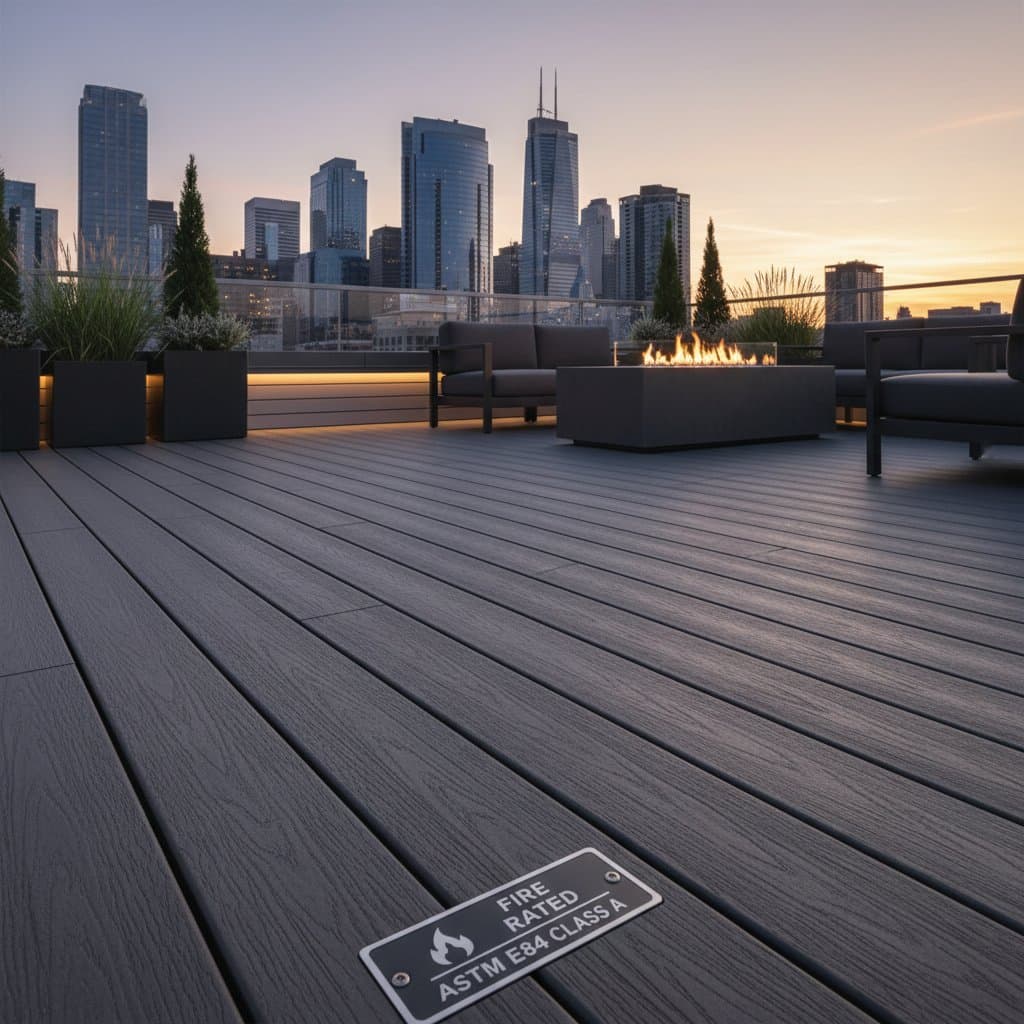
This material integrates recycled wood fibers with advanced polymers, resulting in boards that mimic the warmth of real wood but resist fire, moisture, and insects far better. Unlike traditional wood, which ignites easily and demands frequent treatments, fire-rated composites undergo rigorous testing to achieve Class A or B fire ratings under standards like ASTM E84. Homeowners in places like New York City can thus install decks that pass inspections, reduce insurance risks, and provide peace of mind during hot, dry seasons.

Beyond safety, these decks enhance urban lifestyles. They withstand heavy foot traffic, support furniture and grills, and maintain their appearance year-round. With proper selection, installation, and care, fire-rated composite decking transforms limited spaces into vibrant extensions of the home.

Selecting the Right Materials

Begin by verifying local fire codes through your building department. Look for products certified by organizations such as the International Code Council. Key features include a flame-spread index below 25 for Class A rating and built-in UV inhibitors to prevent degradation.

Choose boards in widths of 5.5 to 6 inches for standard applications, ensuring they match your design vision with colors ranging from classic gray to rich mahogany tones. Calculate quantities by adding 10 percent extra for cuts and waste. Purchase from reputable suppliers who provide warranties of 25 years or more against fading, staining, and structural failure.

Preparing the Installation Site

Clear the area of debris and ensure the substructure complies with load-bearing requirements, typically 40 to 60 pounds per square foot for residential decks. For rooftops, confirm the waterproofing membrane remains intact and slopes correctly for drainage.

Level the joists using shims if necessary, spacing them 12 to 16 inches on center. Apply a protective underlayment where needed to shield against moisture. Gather tools such as a circular saw with a carbide-tipped blade, drill, level, and safety gear including gloves and eye protection.

1. Lay the First Board

Position the initial board along the longest straight edge, leaving a 1/4-inch gap from walls or fixed structures to allow for thermal expansion. Secure it with starter clips or face screws at each joist intersection, maintaining even spacing.

Check alignment with a chalk line and adjust as required. This board sets the foundation for the entire layout, so precision here prevents issues later.

2. Continue with Subsequent Boards

Place the next boards parallel to the first, maintaining 1/8 to 1/4-inch gaps between them for drainage and expansion. Use hidden fasteners for a clean surface or visible screws for added security in high-wind areas.

Work in a staggered pattern, similar to bricklaying, to enhance stability. Periodically measure from the edge to ensure straight lines and avoid cumulative drift.

3. Install Decking Boards

Proceed from one edge toward the opposite side. Employ hidden fastener clips or manufacturer-recommended screws. Insert fasteners perpendicular to the board surface and ensure they sit flush without protruding.

Refrain from excessive torque, as it may cause deformation or cracking in the composite material. Test a small section first to confirm the technique suits the specific product.

4. Trim and Finish Edges

Measure and cut perimeter boards using a blade designed for composites to achieve smooth edges. Install fascia boards over any exposed ends to create a professional appearance.

Apply a compatible end sealant to sawn surfaces if the manufacturer specifies it, protecting against water infiltration and prolonging durability.

5. Inspect and Clean

Traverse the completed deck to detect any flexing or noises. Tighten fasteners if loose and address minor adjustments promptly.

Remove all sawdust and construction residue with a broom. Clean the deck using mild soap diluted in water and a soft cloth or brush, rinsing thoroughly to eliminate any soapy film.

Troubleshooting Common Issues

Board warping: Verify joist levelness and adherence to spacing guidelines. Uneven framing or insufficient expansion gaps often lead to warping in composite materials.

Fading: Fire-rated composites typically feature UV protection, yet prolonged sun exposure may cause gradual color shifts. Regular cleaning helps, and removing items like rugs that retain moisture prevents uneven wear.

Loose fasteners: Perform annual checks and retighten as needed. Environmental fluctuations, particularly on sun-exposed rooftops, can induce minor movements.

Surface stains: Gently scrub with a soft brush, warm water, and mild dish soap. Limit pressure washing to under 1,500 psi to avoid damaging the protective cap layer.

Ongoing Maintenance Practices

Fire-rated composite decking demands little effort but benefits from consistent attention to preserve its performance.

  • Sweep the surface weekly to prevent debris accumulation in joints.
  • Clean quarterly using soapy water and a non-abrasive brush.
  • Conduct annual inspections for secure boards and fasteners.
  • Opt for plastic tools when removing snow or ice to avoid scratches from metal implements.
  • Renew sealant on cut edges every few years per manufacturer guidance.

For rooftop decks, examine the underlying waterproof membrane annually, clearing any water pools or clogged drains to maintain integrity.

Engaging Professional Help

Seek a licensed contractor for projects involving shared fire walls or intricate drainage systems. Professional input proves essential for verifying code adherence in multi-unit buildings.

Hire experts if the deck surpasses 300 square feet or includes substantial loads like planters. Inquire about the material's fire certification, testing protocols, and warranty details. Retain all records for inspections and insurance purposes.

Building Your Ideal Urban Deck

Opting for fire-rated composite decking delivers far more than a sturdy platform. It creates a secure haven for meals, social events, and quiet moments overlooking the skyline. Select quality components, adhere to precise installation methods, and commit to routine care to enjoy this enhancement for decades.

You Might Also Like

Solar Pavers Convert Steps and Sunlight Into Power

Glass Deck Floors That Skylight the Space Below

Mycelium Boards Replace Wood in Sustainable Decking

Permeable Pavers Stop Flooding and Raise Property Value

Mycelium Decks Replace Wood With Living Fungi Material

Tagged:

Safety,materials,wildfire,decking,composite,resistant,fire,composite-materials,fire-resistant-decking,wildfire-safety

Recent by Sheila Spaulding

Image for Solar Pavers Convert Steps and Sunlight Into Power

Solar Pavers Convert Steps and Sunlight Into Power

Feb 2, 2026
Image for Grow 30 Plants in 2 Feet Using Nutrient Mist

Grow 30 Plants in 2 Feet Using Nutrient Mist

Feb 1, 2026
Image for Mycelium Boards Replace Wood in Sustainable Decking

Mycelium Boards Replace Wood in Sustainable Decking

Feb 1, 2026
Image for Solar Pergolas Turn Small Patios Into Power Sources

Solar Pergolas Turn Small Patios Into Power Sources

Feb 1, 2026
Image for Stop Balcony Noise With Layers That Block and Absorb Sound

Stop Balcony Noise With Layers That Block and Absorb Sound

Jan 31, 2026

Deck Construction & Remodeling

Solar Drip Systems Keep Deck Gardens Watered Automatically

Elevate your deck gardening with solar-powered drip irrigation for precise, hands-free watering. This guide covers final setup steps, safety measures, common fixes, cost breakdowns, and year-round care to foster healthy plants with minimal intervention.

Feb 2, 2026

Solar Pavers Convert Steps and Sunlight Into Power

Elevate your outdoor paths with solar pavers that generate electricity from sunlight and movement. This comprehensive resource outlines functionality, step-by-step setup, budgeting, troubleshooting, and ways to apply the power for lighting or devices—all while promoting green living.

Feb 2, 2026

Glass Deck Floors That Skylight the Space Below

Elevate your deck design with glass floor panels that function as skylights, flooding lower areas with natural light while delivering a sleek, contemporary look. This resource provides in-depth coverage of benefits, essential materials, step-by-step installation, safety protocols, maintenance routines, and guidance on when to hire experts—all to optimize your outdoor environment for light, style, and longevity.

Categories

Deck Construction & Remodeling(158)
Balcony Design(146)
Small-Space Gardens(63)
Rooftop Decks(50)
Backyard Design(18)
Feb 2, 2026

Mycelium Boards Replace Wood in Sustainable Decking

Mycelium decking redefines sustainable outdoor design with boards cultivated from fungal roots and agricultural waste. These lightweight, compostable planks match wood's strength while minimizing environmental impact. This guide covers planning, installation, and care for a resilient, green yard addition.

Feb 1, 2026

Cut Deck Noise with Acoustic Privacy Screens

Turn urban deck noise into peaceful quiet with acoustic privacy screens. Explore sound-blocking options, step-by-step installation, upkeep advice, and cost-effective choices for a more enjoyable outdoor space throughout the year.

Feb 1, 2026

Deck Benches That Turn Scraps Into Garden Soil

Convert your deck into an eco-friendly oasis with a composting bench that serves as both comfortable seating and efficient soil producer. This comprehensive guide details construction steps, material needs, troubleshooting, and seasonal care to minimize waste and maximize garden yields.

Jan 31, 2026

Permeable Pavers Stop Flooding and Raise Property Value

Permeable pavers convert waterlogged areas into resilient, environmentally friendly surfaces. Water infiltrates through paver joints and stone bases, minimizing runoff, safeguarding structures, and elevating aesthetic appeal. This comprehensive guide details installation processes, upkeep routines, and financial considerations to demonstrate how these pavers promote sustainability, property enhancement, and enduring outdoor usability.

Jan 29, 2026

Turn Your Deck into a Clean Energy Generator

Elevate your deck into a sustainable solar energy source with integrated pavers that merge aesthetics and efficiency. This guide covers sunlight evaluation, circuit planning, durable tile installation, performance upkeep, expense details, safety protocols, and professional consultation needs to create a self-powered outdoor retreat.

Jan 29, 2026

Solar Pavers Turn Sunlight Into Outdoor Power

Elevate your outdoor areas with solar pavers, robust tiles that capture sunlight to generate power for lighting, charging stations, and appliances. This guide covers their functionality, required materials, and detailed installation instructions to build an efficient, wire-free environment that blends practicality with aesthetic appeal.

Jan 28, 2026

Mycelium Decks Replace Wood With Living Fungi Material

Mycelium, the intricate root system of fungi, emerges as a groundbreaking material for decking. This renewable and biodegradable option provides the durability of wood with a fraction of the environmental impact. Readers will gain insights into installation, maintenance, and benefits to create an outdoor haven that aligns with sustainable living principles.

Jan 27, 2026

Deck Pods Turn Open Decks into Year-Round Rooms

Convert your deck into a protected, inviting extension of your home using modular deck pods. This comprehensive guide covers planning, assembly, and upkeep for these adaptable structures, including required tools, safety protocols, and enhancements to achieve a durable, stylish outdoor space that provides year-round utility.

Jan 26, 2026

Solar Shade Sails Generate Power While Cooling Your Deck

Elevate your deck with solar shade sails that offer respite from the sun while harnessing solar power for everyday use. These versatile structures blend comfort with eco-friendly energy generation. Explore practical steps for installation, upkeep, and optimization to create an inviting, self-sustaining outdoor haven.

Jan 26, 2026

Cool Your Deck 15° with Solar Shade Sails

Counter summer deck heat with solar shade sails capable of reducing temperatures by up to 15 degrees. These tensioned fabric panels effectively block UV rays, improve airflow, and install in just one day. Gain insights into required tools, essential safety measures, and maintenance strategies for extended outdoor enjoyment.

Jan 25, 2026

Why Permeable Decks Stay 20 Degrees Cooler

Permeable decks address intense summer heat by facilitating airflow and water passage, which dissipates trapped warmth and maintains surfaces up to 20 degrees cooler. Incorporating light-colored materials, strategic gaps, and evaporative cooling, these decks foster inviting, sustainable outdoor areas that require low maintenance and provide enduring relief from hot surfaces.

Jan 25, 2026

Solar Pergolas Cut City Heat While Powering Your Deck

Elevate your compact urban deck with a solar pergola that delivers shade, produces renewable energy, and enhances sustainability. This comprehensive guide includes planning strategies, material choices, step-by-step installation, safety protocols, and upkeep tips to achieve a cooler, cost-effective outdoor area while increasing home value on a practical budget.

Jan 24, 2026

Fungal Fibers That Replace Wood Decks and Compost Clean

Mycelium decks redefine urban outdoor spaces through sustainable, compostable panels derived from fungal networks. These lightweight, durable alternatives to wood or plastic utilize agricultural waste. Follow this guide to cultivate, process, install, and maintain them for environmentally conscious urban design.

Jan 24, 2026

Misting Systems Drop Deck Temps 20° Fast

Misting systems transform hot decks into inviting spaces by reducing temperatures up to 20 degrees. This guide details planning, installation, maintenance, and optimization strategies for safe, effective cooling throughout the season.

Jan 22, 2026

UV Shade Sails Drop Deck Temps 20 Degrees

Combat summer heat and safeguard your deck using UV shade sails. This comprehensive guide details selection, installation, and upkeep strategies that reduce surface temperatures, avert color fading, and prolong deck longevity. Explore required tools, safety measures, common issues, and professional insights to create a fashionable, protected outdoor haven.

Jan 22, 2026

Shade Sails That Follow the Sun All Day Long

Automatic sun-tracking shade sails adjust their position to follow the sun, providing consistent shade and comfort on decks and patios. This comprehensive guide explains the technology, step-by-step installation, essential safety measures, ongoing maintenance, associated costs, and strategies to maximize durability and efficiency in your outdoor environment.

Jan 21, 2026

AI Cameras That Water Plants and Deter Deck Pests

Elevate your urban deck into an automated oasis with AI cameras that identify pests, optimize irrigation, and reduce upkeep. These intelligent systems leverage computer vision to safeguard plants, promote efficient water use, and deliver seamless outdoor enjoyment via straightforward installation and reliable performance.

Jan 21, 2026