Loading...

Balcony Aquaponics: Fish Waste Feeds Plants in 4x6 Feet | urbanoutdoorsnyc.com | Urban Outdoors - Small-Space Gardens, Rooftop Decks, Balconies, Decks, Backyard Design
Skip to main content
Urban Outdoors
Search
Home
  1. Home
  2. /
  3. Small-Space Gardens
  4. /
  5. Fish Waste Feeds Plants in 4x6 Feet of Space
Small-Space Gardens

Fish Waste Feeds Plants in 4x6 Feet of Space

bySheila Spaulding
2026-02-16 04:42:23February 16, 2026
6 min read
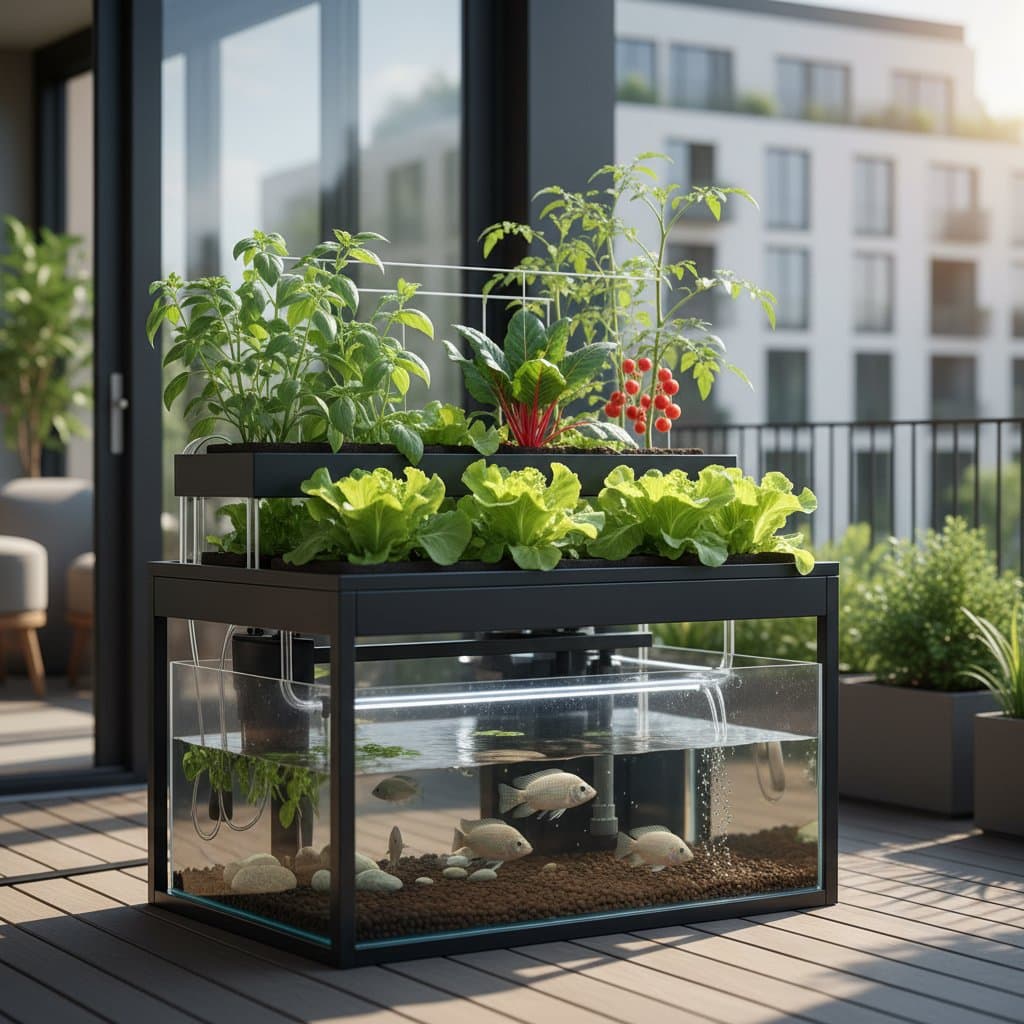
Featured image for Fish Waste Feeds Plants in 4x6 Feet of Space

Categories

Navigation

  • Home
  • All Articles
  • About Us
  • Privacy Policy
  • Terms of Service

© 2026 Urban Outdoors. Crafted for bold city dwellers.

2026-02-16 04:42:23
Urban Outdoors - Small-Space Gardens, Rooftop Decks, Balconies, Decks, Backyard Design

Balcony Aquaponics: Integrating Fish and Plants for Urban Food Production

Urban dwellers often face limited space for gardening, yet balconies offer untapped potential for fresh produce. Aquaponics combines aquaculture, the cultivation of fish in tanks, with hydroponics, the soil-less growth of plants in nutrient-rich water. In this symbiotic system, fish waste provides essential nutrients for plants, while plant roots naturally filter the water, creating a clean environment for the fish.

The result is a balanced, closed-loop ecosystem that requires minimal external inputs. Once established, it delivers a steady supply of leafy greens and protein-rich fish. This approach suits small spaces, such as a 4x6-foot balcony area, and promotes sustainability by reducing water usage by up to 90 percent compared to traditional gardening.

This guide outlines the process to build and maintain a balcony aquaponics system. Readers will gain step-by-step instructions on components, assembly, and ongoing care to ensure long-term success.

Essential Components and Sourcing

Select durable, weather-resistant materials to withstand balcony conditions like wind and temperature fluctuations. Focus on food-grade items to protect aquatic life and produce.

Core Equipment

  • A 20- to 40-gallon fish tank constructed from food-safe plastic or glass, positioned on a stable stand to distribute weight evenly.
  • A grow bed matching the tank's footprint, filled to a depth of 12 inches with expanded clay pellets or gravel for optimal root support and water flow.
  • A submersible pump with a minimum flow rate of 80 gallons per hour to circulate water from the tank to the grow bed and back.
  • 6 feet of ½-inch inner diameter flexible tubing to connect the pump and grow bed without kinks.
  • A timer or smart plug to automate pump cycles, running 15 minutes every hour during daylight.
  • A comprehensive test kit monitoring pH (ideal range: 6.8-7.2), ammonia, nitrite, and nitrate levels weekly.
  • A fine-mesh net for safely transferring fish and removing debris.
  • Supplemental LED grow lights if natural sunlight falls below 6 hours daily, positioned 12-18 inches above the grow bed.

Selecting Fish and Plants

Choose resilient species for beginners. Goldfish or guppies thrive in cooler water (65-75°F), while tilapia prefer warmer conditions (75-85°F). Start with 5-10 fish per 20 gallons to avoid overcrowding.

For plants, opt for quick-maturing varieties like lettuce, basil, or mint, which absorb nutrients efficiently. Plant seeds or seedlings directly into the grow bed medium after cycling the system.

Initial setup costs range from $150 to $250, influenced by tank quality and lighting needs. Source items from local aquarium stores or online retailers specializing in hydroponics.

Assembly Steps

Assemble the system in a well-ventilated area to test connections before balcony installation. Allow 4-6 hours for initial setup.

  1. Position the fish tank on a level stand, ensuring it aligns with your balcony's load capacity (typically 50-100 pounds per square foot; a full 30-gallon tank weighs approximately 250 pounds).
  2. Install the submersible pump inside the tank, connecting it to the tubing that leads to the grow bed's inlet.
  3. Fill the grow bed with rinsed clay pellets or gravel, then connect the return tubing to allow water to flood and drain back to the tank.
  4. Cycle the system for 2-4 weeks without fish: Run the pump continuously and add a fish food source to build beneficial bacteria that convert ammonia to nitrates.
  5. Introduce plants once water parameters stabilize, followed by fish after another week of monitoring.

Secure all components against tipping with brackets if your balcony experiences strong winds.

Maintenance and Monitoring

Regular care prevents imbalances that could harm fish or plants. Dedicate 1-2 hours weekly to these tasks.

  • Feed fish small amounts twice daily, removing uneaten food within 5 minutes to minimize waste buildup.
  • Test water parameters every 7 days; adjust pH with baking soda (to raise) or vinegar (to lower) in small increments.
  • Clean the pump filter monthly by rinsing in tank water to preserve bacteria.
  • Harvest plants as they mature, typically every 4-6 weeks for greens, to encourage new growth.

Track progress in a simple log to identify patterns, such as seasonal pH shifts.

Safety Considerations

Prioritize precautions to protect inhabitants, users, and the structure.

  • For electrical components, elevate plugs at least 3 feet above potential water levels and connect to a GFCI outlet to prevent shocks.
  • Verify balcony weight limits with your building manager; reinforce with plywood under the stand if needed.
  • Avoid contaminants: Use only dechlorinated water (let tap water sit 24 hours or add a conditioner) and handle equipment with clean tools.
  • When interacting with the system, wear nitrile gloves to guard against bacteria like aeromonas, and wash hands thoroughly afterward.

In case of spills, have absorbent towels ready to contain water and prevent slips.

Adapting to Seasons

Tailor operations to weather changes for consistent performance.

Summer Adjustments

Monitor water temperature daily; install a shade cloth if it exceeds 85°F to prevent oxygen depletion. Reduce feeding to once daily during heatwaves, as fish metabolism slows.

Winter Preparations

If temperatures drop below 65°F, add an aquarium heater set to 70°F. Select cold-tolerant plants like kale or spinach, and insulate the tank with foam boards to retain warmth.

Storm Protocols

Disconnect power sources during thunderstorms to avoid surges. Secure a mesh cover over the tank to exclude leaves and insects, and drain excess water to reduce wind resistance.

Cost-Saving Strategies

Minimize expenses without compromising reliability.

  • Repurpose a clean, food-grade plastic bin as the tank, sealing any cracks with aquarium-safe silicone.
  • Propagate plants from cuttings shared with community gardeners or sourced from kitchen scraps.
  • Maximize free sunlight by rotating the setup seasonally; reserve LED lights for overcast periods only.

Invest in a quality pump and test kit, as failures here lead to costly restarts. Overall, the system pays for itself through homegrown food within one growing season.

Storage and Organization

Efficient storage extends component life and maintains a tidy balcony.

Store fish food in airtight containers away from moisture to prevent mold. Organize test strips, gloves, and tools in a waterproof bin labeled for quick access.

Mount hooks on nearby walls for tubing and nets, keeping pathways clear. Place a drip tray beneath the tank to capture condensation and safeguard flooring from stains.

Sweep the area weekly to remove debris, preventing clogs in balcony drains.

Troubleshooting Common Issues

Address problems promptly to sustain the ecosystem.

If plants yellow, check nitrate levels; low readings indicate insufficient fish waste, so increase feeding slightly. For cloudy water, perform a 10 percent partial change with dechlorinated water and clean the grow bed.

Fish gasping at the surface signals low oxygen; add an airstone connected to the pump. Persistent ammonia spikes require enhanced cycling; add bacterial supplements if needed.

When challenges exceed basic fixes, consult local aquaponics groups or extension services for tailored advice.

Harvesting Rewards: Sustaining Your Balcony Ecosystem

A well-maintained aquaponics system yields 5-10 pounds of greens per month in a 4x6-foot space, alongside edible fish harvests every 6-12 months. This setup not only provides nutritious food but also enhances urban biodiversity and reduces your environmental footprint. With practice, expand by adding vertical towers or companion herbs, turning your balcony into a thriving, self-reliant oasis.

You Might Also Like

Turn Your Balcony into a Pollinator Refuge

Creating a Balcony Microclimate for Plants Year-Round

Smart Drip Systems Keep Balcony Plants Thriving

Micro-Misting Drops Balcony Heat 20° in Seconds

Micro-Drip Systems Cut Balcony Watering by 70 Percent

Tagged:

balcony,aquaponics

Recent by Sheila Spaulding

Image for Turn Your Balcony into a Pollinator Refuge

Turn Your Balcony into a Pollinator Refuge

Mar 19, 2026
Image for Shape Deck Zones to Stay Comfortable All Year

Shape Deck Zones to Stay Comfortable All Year

Mar 18, 2026
Image for Micro-Drip Systems Cut Balcony Watering by 70 Percent

Micro-Drip Systems Cut Balcony Watering by 70 Percent

Mar 17, 2026
Image for Native Plants Turn Balconies into Bee Havens

Native Plants Turn Balconies into Bee Havens

Mar 16, 2026
Image for Creating Deck Zones That Work in Every Season

Creating Deck Zones That Work in Every Season

Mar 15, 2026

balcony

Image for Turn Your Balcony into a Pollinator Refuge

Turn Your Balcony into a Pollinator Refuge

Mar 19, 2026
Image for Creating a Balcony Microclimate for Plants Year-Round

Creating a Balcony Microclimate for Plants Year-Round

Mar 18, 2026
Image for Smart Drip Systems Keep Balcony Plants Thriving

Small-Space Gardens

Garden Walls That Block 70% City Noise in Small Spaces

Convert a bustling urban balcony or patio into a tranquil haven using a garden wall that diminishes up to 70 percent of city noise. This guide covers selecting optimal materials, installing sound-absorbing panels, incorporating plants, and performing upkeep to achieve enduring noise mitigation, seclusion, and aesthetic appeal in just one weekend.

Mar 21, 2026

Turn Your Balcony into a Pollinator Refuge

Elevate your balcony into a flourishing pollinator retreat featuring native flowers, basic equipment, and thoughtful maintenance. This guide demonstrates how modest planters can support bees and butterflies, boost city biodiversity, and add vivid hues to apartment living with limited space, expense, and mere minutes of daily attention.

Mar 19, 2026

Native Plants Turn Balconies into Bee Havens

Elevate your balcony into a vibrant pollinator sanctuary by incorporating native plants that support bees year-round. This guide covers plant selection for diverse blooms, optimal setup in containers, essential care routines, and strategies to ensure safety and longevity in compact urban spaces.

Categories

Deck Construction & Remodeling(223)
Balcony Design(191)
Small-Space Gardens(82)
Rooftop Decks(81)
Backyard Design(21)

Smart Drip Systems Keep Balcony Plants Thriving

Mar 17, 2026
Image for Micro-Misting Drops Balcony Heat 20° in Seconds

Micro-Misting Drops Balcony Heat 20° in Seconds

Mar 17, 2026
Image for Micro-Drip Systems Cut Balcony Watering by 70 Percent

Micro-Drip Systems Cut Balcony Watering by 70 Percent

Mar 17, 2026
Mar 16, 2026

AI Sensors Cut Water Waste and End Plant Guesswork

Elevate your balcony or windowsill garden using AI sensors that track soil, light, and nutrients instantly. Discover automation techniques to cut water use, avoid plant distress, and streamline maintenance for precise, rewarding results in urban settings.

Mar 12, 2026

Balcony Gardens That Feed City Bees in 5 Containers

Turn a compact balcony into a vital habitat for pollinators using simple containers and native flora. This practical guide details plant selections, setup tips, and maintenance routines that draw bees, support ecosystems, and elevate city greenery.

Mar 12, 2026

AI Cuts Balcony Watering Work by Half

Transform your urban balcony into a vibrant garden using AI-powered watering technology. Intelligent sensors and mobile applications eliminate uncertainty in plant hydration, conserve resources, and maintain lush growth. Discover setup methods, personalization options, and upkeep strategies that require no advanced horticultural skills, only innovative tools.

Mar 8, 2026

Using Plants to Block Noise in Tiny City Gardens

Turn a bustling urban garden into a tranquil haven by leveraging plants to dampen noise. Dense shrubs, varied greenery layers, and textured plants work together to absorb and redirect sound waves. Gain insights into optimal plant selections, arrangement techniques, and upkeep advice for a vibrant, noise-mitigating retreat.

Mar 6, 2026

Plants That Absorb City Noise on Small Balconies

Turn a bustling city balcony into a tranquil haven using sound-absorbing plants. This guide covers optimal choices like bamboo, ferns, vines, and evergreens, plus arrangement strategies, container tips, and upkeep advice to enhance quiet and aesthetics in limited spaces.

Mar 3, 2026

Turn 100 Square Feet Into a Thriving Urban Meadow

Revitalize neglected urban corners into serene, pollinator-friendly meadows within 100 square feet. Explore practical steps for site assessment, selecting native plants, installation, and ongoing care to foster biodiversity and tranquility in city environments.

Feb 27, 2026

Balcony Fish Tanks Feed Plants While Cleaning Water

Convert your balcony into a compact, self-sustaining garden using aquaponics. Fish provide nutrients for plants, which in turn cleanse the water, enabling continuous harvests of lettuce and herbs. Explore setup, maintenance, and tips for efficient urban food production that reduces costs and environmental impact.

Feb 27, 2026

Silent Drip Tape Solves Deck Container Watering

Convert a compact deck into a vibrant garden using silent drip tape. This low-pressure system delivers precise hydration to container plants without generating noise or wasting resources. Follow steps to plan, install, and maintain the setup for reliable moisture, reduced maintenance, and an enhanced urban outdoor space.

Feb 22, 2026

Fish Waste Feeds Plants in 4x6 Feet of Space

Convert your balcony into a self-sustaining food system with aquaponics, where fish and plants support each other in a closed-loop setup. This guide details how to design, assemble, and maintain a compact system in a 4x6-foot space, yielding fresh greens and nutritious fish while conserving water and eliminating synthetic fertilizers.

Feb 16, 2026

Dwarf Fruit Trees Turn Balconies into Productive Orchards

Transform your balcony into a productive micro-orchard with dwarf fruit trees designed for containers. These compact varieties deliver full-sized flavor from citrus, figs, apples, peaches, and cherries. Follow expert guidance on selection, setup, and maintenance to harvest fresh fruit, add seasonal beauty, and create a serene urban retreat.

Feb 16, 2026

Build Living Walls That Block Urban Noise

Urban noise can disrupt outdoor enjoyment, but a well-designed living wall offers an effective solution. This guide details how to construct an acoustic plant barrier that reduces sound, boosts greenery, and improves air quality in compact yards. Follow these practical steps to install a sustainable feature that requires minimal ongoing effort.

Feb 15, 2026

AI Drip Systems End Uneven Deck Garden Watering

Elevate your deck garden with AI-powered drip irrigation that maintains ideal soil moisture through sensors, intelligent controls, and adaptive algorithms. This guide covers planning, setup, and optimization for a hassle-free, eco-friendly watering solution tailored to urban outdoor spaces.

Feb 14, 2026

Dwarf Fruit Trees Bring Fresh Harvest to Your Balcony

Transform your balcony into a productive mini orchard using dwarf fruit trees. Select suitable varieties, containers, and soil mixtures, and follow guidance on pruning, watering, and seasonal maintenance. Harvest pesticide-free fruit, gain lush greenery, and create a serene urban oasis.

Feb 12, 2026

Pergolas That Fit Balconies Under Six Feet Wide

Turn a narrow balcony into a private outdoor haven with a compact pergola under six feet wide. This guide covers planning essentials, step-by-step construction, material choices, safety measures, budget considerations, and maintenance strategies to create a functional shaded retreat in urban environments.

Feb 11, 2026

AI Sensors Text Care Reminders to Your Balcony Plants

Struggling to keep balcony plants healthy in the city? AI-powered sensors eliminate guesswork by monitoring key conditions like soil moisture, light exposure, and humidity. These devices send direct text reminders to your phone, guiding you toward optimal care and vibrant growth year-round.

Feb 9, 2026

AI Plant Walls Cut Daily Watering to 10 Minutes a Week

Convert urban walls into thriving, self-sustaining gardens using AI plant walls. These innovative systems manage irrigation, lighting, and nutrients automatically, delivering lush foliage with minimal effort while boosting indoor air purity and aesthetic appeal.

Feb 7, 2026

Watering 50+ Pots From a Single Faucet

Convert your balcony's potted plants into a low-maintenance green haven using a micro-drip irrigation system. This practical guide details automatic watering for more than 50 pots, eliminating daily tasks while ensuring optimal hydration. Explore essential tools, installation from testing to timing, plus solutions for common issues and upkeep strategies for sustained success.

Feb 2, 2026