Loading...

Glass Railings for Unobstructed Views and Safe Decks | urbanoutdoorsnyc.com | Urban Outdoors - Small-Space Gardens, Rooftop Decks, Balconies, Decks, Backyard Design
Skip to main content
Urban Outdoors
Search
Home
  1. Home
  2. /
  3. Deck Construction & Remodeling
  4. /
  5. Glass Railings Keep Views Clear Without Bulky Barriers
Deck Construction & Remodeling

Glass Railings Keep Views Clear Without Bulky Barriers

bySheila Spaulding
2025-11-26 03:54:48November 26, 2025
7 min read
Featured image for Glass Railings Keep Views Clear Without Bulky Barriers

Categories

Navigation

  • Home
  • All Articles
  • About Us
  • Privacy Policy
  • Terms of Service

© 2026 Urban Outdoors. Crafted for bold city dwellers.

2025-11-28 03:31:25
Urban Outdoors - Small-Space Gardens, Rooftop Decks, Balconies, Decks, Backyard Design

Introduction to Glass Railings

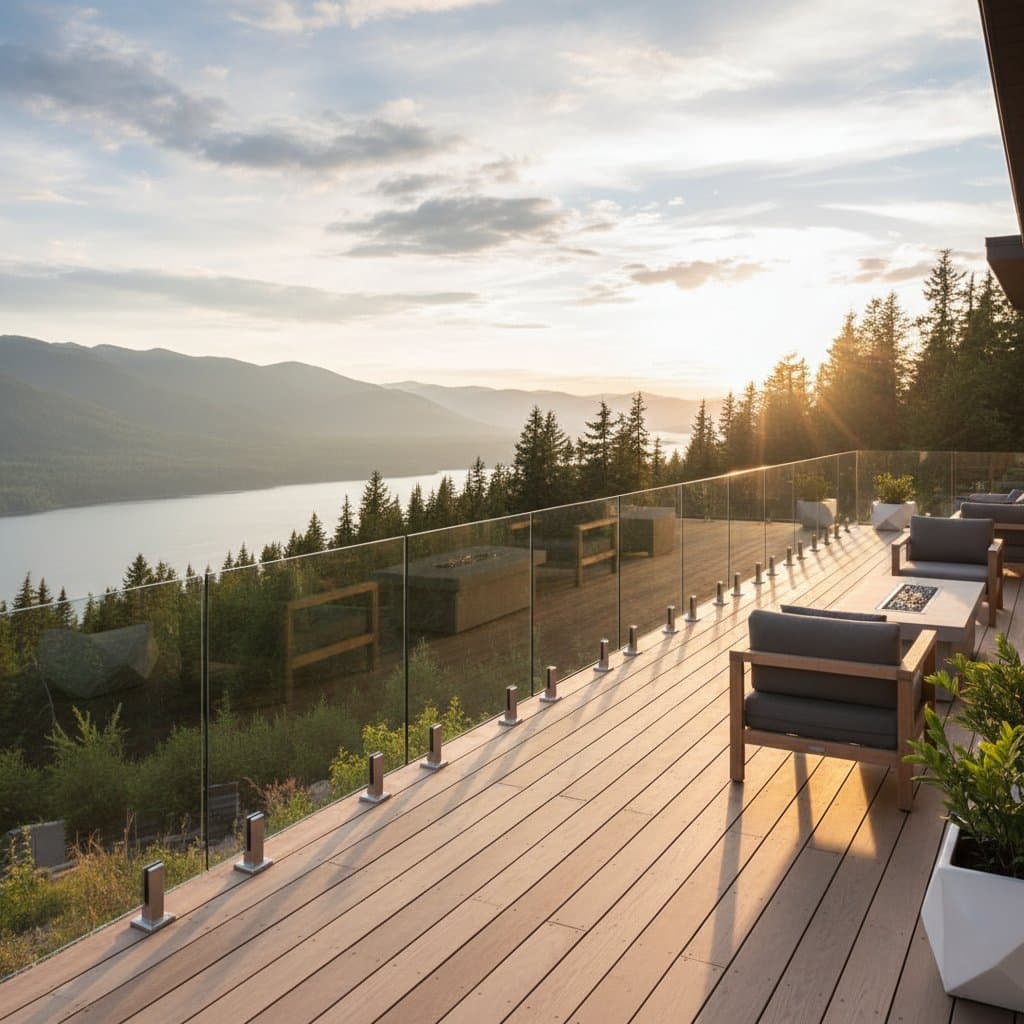
Glass railings represent a sophisticated choice for outdoor spaces, offering clear sightlines without the visual clutter of traditional barriers. Homeowners select these systems to enhance deck aesthetics while ensuring compliance with safety standards. Available in framed or frameless configurations, glass railings utilize tempered panels that withstand environmental stresses and promote an open, airy atmosphere.

The appeal lies in their ability to blend functionality with design. Framed versions feature metal or wood supports for added stability, ideal for varied architectural styles. Frameless designs, secured by channels or standoffs, deliver a seamless look that amplifies natural light and extends perceived space. Both types meet building codes when installed correctly, providing peace of mind alongside visual freedom.

Benefits of Choosing Glass Railings

These railings transform ordinary decks into inviting extensions of living areas. Unobstructed views allow users to enjoy landscapes fully, whether overlooking gardens or cityscapes. The transparent material creates an illusion of boundlessness, making compact decks feel larger and more luxurious.

Durability stands out as a key advantage. Tempered glass resists impacts better than standard varieties and shatters into blunt granules if broken, minimizing hazards. Paired with corrosion-resistant metals like stainless steel or aluminum, the systems endure rain, sun, and temperature fluctuations without fading or weakening. Low maintenance further appeals, as routine cleaning restores clarity without specialized tools.

From a value perspective, glass railings boost curb appeal and resale potential. Prospective buyers appreciate the contemporary edge, often viewing such upgrades as premium features. In urban settings, they harmonize with sleek facades, while in suburban homes, they complement natural surroundings.

Safety Considerations

Safety forms the foundation of any railing installation. Tempered glass panels undergo heat treatment to achieve four to five times the strength of annealed glass, ensuring they handle wind loads and accidental impacts. Building codes typically require railings to withstand 200 pounds of force per linear foot, a threshold that certified glass systems exceed.

During handling, maintain upright positions for panels to prevent stress fractures. Professional cutting ensures precise dimensions, avoiding on-site alterations that compromise integrity. Select hardware engineered for exterior applications, such as stainless steel bolts with anti-seize coatings to resist seizing in humid conditions.

Secure installation sites by cordoning off areas below elevated decks. Workers should wear protective gear, including gloves and safety glasses, to guard against edges or debris. Inspect panels regularly; replace any with chips or cracks promptly, as propagation under pressure poses risks. Adhering to these practices upholds both personal protection and regulatory compliance.

Planning Your Installation: Budget and Timeline

Budgeting begins with assessing project scope. Costs range from $120 to $320 per linear foot, influenced by glass thickness, frame material, and system complexity. Frameless setups demand heavier 1/2-inch panels and concealed mounts, elevating expenses, while framed options use lighter 3/8-inch glass supported by visible posts.

Labor adds $40 to $60 per foot when engaging professionals, covering measurements, fabrication, and assembly. DIY enthusiasts save here but must account for tool rentals, such as suction lifters for panel maneuvering. Factor in permits, which vary by locality but often cost $100 to $300 for structural reviews.

Timeline estimates depend on scale. A 20-foot run requires 12 to 16 hours over two days for solo installers. Initial steps involve site preparation and leveling bases, consuming the bulk of time. Final touches, like silicone sealing and polishing, add two hours. Delays arise from weather or supply issues, so order materials two weeks in advance.

Cost-saving strategies include opting for aluminum frames over stainless steel, reducing material fees by 20 percent without sacrificing strength. Narrower panels cut glass volume, though maintain minimum widths per code, usually 36 inches high. Prioritize investments in anchors and seals, as inferior products lead to costly repairs.

Step-by-Step Installation Guide

Preparation sets the stage for success. Measure deck perimeters accurately, noting curves or angles that require custom cuts. Verify load-bearing capacity through structural assessments, ensuring joists support added weight. Gather essentials: level, drill, silicone caulk, and panel cleaners.

For framed systems, anchor posts into deck framing with lag screws spaced 16 inches apart. Align tops using a laser level for uniformity. Insert glass panels into U-channels, securing with gaskets to dampen vibrations. Frameless installations involve drilling channels into concrete or wood substrates, then sliding panels into epoxy-filled grooves for a flush fit.

Test stability post-assembly by applying lateral pressure at multiple points. Apply weatherproof sealants around joints to prevent water infiltration. Allow 24 hours for curing before use. Document the process with photos for warranty claims.

Maintenance and Storage Practices

Routine care preserves the pristine appearance of glass railings. Clean panels monthly with a microfiber cloth and mild soap solution, avoiding abrasive pads that scratch surfaces. For stubborn spots, use a 50/50 vinegar-water mix, rinsing thoroughly to eliminate streaks.

Store spare panels vertically against padded, dry walls to avoid warping. Separate pieces with foam or cardboard spacers, labeling each for easy identification by dimensions. Keep hardware in airtight containers, sorted by size, away from moisture. Annual inspections check for loose fittings; tighten as needed with torque wrenches.

In off-seasons, cover systems with breathable tarps to shield from debris, but ensure ventilation to prevent condensation buildup. These habits extend lifespan beyond 20 years, retaining clarity and structural reliability.

Storage Solutions for Components

Dedicated storage protects investments. Designate a garage corner with wall-mounted racks for upright panel holding, lined with rubber padding. Use shelving for fittings, bins labeled for quick access during repairs.

Avoid floor placement, which invites accidental knocks. For hardware, employ divided organizers to segregate bolts, clips, and seals. Climate control matters; maintain temperatures between 40 and 80 degrees Fahrenheit to prevent thermal stress.

Engaging Professional Installers

Certain projects demand expert intervention. Decks exceeding six feet in height or integrating with load-bearing elements require certified contractors to ensure code adherence. Professionals conduct site surveys, calculating wind loads and seismic factors specific to your region.

Request documentation: certifications for glass tempering from standards like ASTM C1048, hardware specs for 316-grade stainless steel, and warranties spanning 10 to 25 years. Discuss installation timelines and cleanup protocols upfront.

Homeowners manage basic upkeep, such as cleaning or bolt checks, but defer panel replacements or channel adjustments to pros equipped with vacuum lifts and precision tools. Local codes dictate minimum heights of 36 to 42 inches and baluster spacings under four inches; experts navigate these nuances effortlessly.

Environmental Impact and Material Choices

Glass railings align with sustainable practices. Tempered glass recycles easily, melting at lower temperatures than raw silica. Its longevity reduces replacement frequency, conserving resources over decades.

The material withstands UV exposure without yellowing, eliminating the need for protective finishes. Upon breakage, granules pose low injury risk and recycle alongside construction waste at designated facilities.

Frame selections enhance eco-friendliness. Aluminum boasts 95 percent recyclability and lightweight properties that lower transport emissions. Stainless steel, particularly 316 marine grade, endures coastal corrosives without zinc coatings. Steer clear of galvanized steel in damp areas, as it rusts prematurely; opt for powder-coated aluminum in variable climates for added durability.

Expert Recommendations

Anticipate needs by ordering one additional panel, accounting for transport mishaps or future needs. Employ laser levels for precise alignments across extended sections, ensuring even spacing.

Maintain stainless components with touch-up polishes applied quarterly to combat water spots. Integrate low-voltage LED strips along bases or tops for nighttime visibility, wired to motion sensors for efficiency.

Organize paperwork in waterproof binders, including receipts and manuals, for reference during inspections or claims. These steps streamline the process, yielding professional results.

Finalizing Your Deck Upgrade

Glass railings deliver serene, expansive outdoor experiences. They widen visual horizons, spotlight scenic backdrops, and foster relaxed gatherings. Begin by surveying your deck, evaluating supports, and sourcing quotes from suppliers.

Select tempered glass exclusively, verifying measurements against site specifics. Assemble tools and secure permits prior to delivery. For hands-off approaches, book installer consultations to weigh framed versus frameless merits.

Installation unlocks transformed spaces where sunlight floods freely and breezes flow unimpeded. Crisp lines, secure perimeters, and panoramic sights elevate daily moments, from sunrise sips to sunset lounging, into cherished routines.

You Might Also Like

Solar Drip Systems Keep Deck Gardens Watered Automatically

Glass Deck Floors That Skylight the Space Below

Mycelium Boards Replace Wood in Sustainable Decking

Cut Deck Noise with Acoustic Privacy Screens

Deck Benches That Turn Scraps Into Garden Soil

Tagged:

deck,glass,transparent,barriers,railings,frameless,glass-railings,frameless-deck,transparent-barriers

Recent by Sheila Spaulding

Image for Solar Pavers Convert Steps and Sunlight Into Power

Solar Pavers Convert Steps and Sunlight Into Power

Feb 2, 2026
Image for Grow 30 Plants in 2 Feet Using Nutrient Mist

Grow 30 Plants in 2 Feet Using Nutrient Mist

Feb 1, 2026
Image for Mycelium Boards Replace Wood in Sustainable Decking

Mycelium Boards Replace Wood in Sustainable Decking

Feb 1, 2026
Image for Solar Pergolas Turn Small Patios Into Power Sources

Solar Pergolas Turn Small Patios Into Power Sources

Feb 1, 2026
Image for Stop Balcony Noise With Layers That Block and Absorb Sound

Stop Balcony Noise With Layers That Block and Absorb Sound

Jan 31, 2026

deck

Image for Solar Drip Systems Keep Deck Gardens Watered Automatically

Solar Drip Systems Keep Deck Gardens Watered Automatically

Feb 2, 2026
Image for Glass Deck Floors That Skylight the Space Below

Glass Deck Floors That Skylight the Space Below

Feb 2, 2026
Image for Mycelium Boards Replace Wood in Sustainable Decking

Deck Construction & Remodeling

Solar Drip Systems Keep Deck Gardens Watered Automatically

Elevate your deck gardening with solar-powered drip irrigation for precise, hands-free watering. This guide covers final setup steps, safety measures, common fixes, cost breakdowns, and year-round care to foster healthy plants with minimal intervention.

Feb 2, 2026

Solar Pavers Convert Steps and Sunlight Into Power

Elevate your outdoor paths with solar pavers that generate electricity from sunlight and movement. This comprehensive resource outlines functionality, step-by-step setup, budgeting, troubleshooting, and ways to apply the power for lighting or devices—all while promoting green living.

Feb 2, 2026

Glass Deck Floors That Skylight the Space Below

Elevate your deck design with glass floor panels that function as skylights, flooding lower areas with natural light while delivering a sleek, contemporary look. This resource provides in-depth coverage of benefits, essential materials, step-by-step installation, safety protocols, maintenance routines, and guidance on when to hire experts—all to optimize your outdoor environment for light, style, and longevity.

Categories

Deck Construction & Remodeling(158)
Balcony Design(146)
Small-Space Gardens(63)
Rooftop Decks(50)
Backyard Design(18)

Mycelium Boards Replace Wood in Sustainable Decking

Feb 1, 2026
Image for Cut Deck Noise with Acoustic Privacy Screens

Cut Deck Noise with Acoustic Privacy Screens

Feb 1, 2026
Image for Deck Benches That Turn Scraps Into Garden Soil

Deck Benches That Turn Scraps Into Garden Soil

Jan 31, 2026
Feb 2, 2026

Mycelium Boards Replace Wood in Sustainable Decking

Mycelium decking redefines sustainable outdoor design with boards cultivated from fungal roots and agricultural waste. These lightweight, compostable planks match wood's strength while minimizing environmental impact. This guide covers planning, installation, and care for a resilient, green yard addition.

Feb 1, 2026

Cut Deck Noise with Acoustic Privacy Screens

Turn urban deck noise into peaceful quiet with acoustic privacy screens. Explore sound-blocking options, step-by-step installation, upkeep advice, and cost-effective choices for a more enjoyable outdoor space throughout the year.

Feb 1, 2026

Deck Benches That Turn Scraps Into Garden Soil

Convert your deck into an eco-friendly oasis with a composting bench that serves as both comfortable seating and efficient soil producer. This comprehensive guide details construction steps, material needs, troubleshooting, and seasonal care to minimize waste and maximize garden yields.

Jan 31, 2026

Permeable Pavers Stop Flooding and Raise Property Value

Permeable pavers convert waterlogged areas into resilient, environmentally friendly surfaces. Water infiltrates through paver joints and stone bases, minimizing runoff, safeguarding structures, and elevating aesthetic appeal. This comprehensive guide details installation processes, upkeep routines, and financial considerations to demonstrate how these pavers promote sustainability, property enhancement, and enduring outdoor usability.

Jan 29, 2026

Turn Your Deck into a Clean Energy Generator

Elevate your deck into a sustainable solar energy source with integrated pavers that merge aesthetics and efficiency. This guide covers sunlight evaluation, circuit planning, durable tile installation, performance upkeep, expense details, safety protocols, and professional consultation needs to create a self-powered outdoor retreat.

Jan 29, 2026

Solar Pavers Turn Sunlight Into Outdoor Power

Elevate your outdoor areas with solar pavers, robust tiles that capture sunlight to generate power for lighting, charging stations, and appliances. This guide covers their functionality, required materials, and detailed installation instructions to build an efficient, wire-free environment that blends practicality with aesthetic appeal.

Jan 28, 2026

Mycelium Decks Replace Wood With Living Fungi Material

Mycelium, the intricate root system of fungi, emerges as a groundbreaking material for decking. This renewable and biodegradable option provides the durability of wood with a fraction of the environmental impact. Readers will gain insights into installation, maintenance, and benefits to create an outdoor haven that aligns with sustainable living principles.

Jan 27, 2026

Deck Pods Turn Open Decks into Year-Round Rooms

Convert your deck into a protected, inviting extension of your home using modular deck pods. This comprehensive guide covers planning, assembly, and upkeep for these adaptable structures, including required tools, safety protocols, and enhancements to achieve a durable, stylish outdoor space that provides year-round utility.

Jan 26, 2026

Solar Shade Sails Generate Power While Cooling Your Deck

Elevate your deck with solar shade sails that offer respite from the sun while harnessing solar power for everyday use. These versatile structures blend comfort with eco-friendly energy generation. Explore practical steps for installation, upkeep, and optimization to create an inviting, self-sustaining outdoor haven.

Jan 26, 2026

Cool Your Deck 15° with Solar Shade Sails

Counter summer deck heat with solar shade sails capable of reducing temperatures by up to 15 degrees. These tensioned fabric panels effectively block UV rays, improve airflow, and install in just one day. Gain insights into required tools, essential safety measures, and maintenance strategies for extended outdoor enjoyment.

Jan 25, 2026

Why Permeable Decks Stay 20 Degrees Cooler

Permeable decks address intense summer heat by facilitating airflow and water passage, which dissipates trapped warmth and maintains surfaces up to 20 degrees cooler. Incorporating light-colored materials, strategic gaps, and evaporative cooling, these decks foster inviting, sustainable outdoor areas that require low maintenance and provide enduring relief from hot surfaces.

Jan 25, 2026

Solar Pergolas Cut City Heat While Powering Your Deck

Elevate your compact urban deck with a solar pergola that delivers shade, produces renewable energy, and enhances sustainability. This comprehensive guide includes planning strategies, material choices, step-by-step installation, safety protocols, and upkeep tips to achieve a cooler, cost-effective outdoor area while increasing home value on a practical budget.

Jan 24, 2026

Fungal Fibers That Replace Wood Decks and Compost Clean

Mycelium decks redefine urban outdoor spaces through sustainable, compostable panels derived from fungal networks. These lightweight, durable alternatives to wood or plastic utilize agricultural waste. Follow this guide to cultivate, process, install, and maintain them for environmentally conscious urban design.

Jan 24, 2026

Misting Systems Drop Deck Temps 20° Fast

Misting systems transform hot decks into inviting spaces by reducing temperatures up to 20 degrees. This guide details planning, installation, maintenance, and optimization strategies for safe, effective cooling throughout the season.

Jan 22, 2026

UV Shade Sails Drop Deck Temps 20 Degrees

Combat summer heat and safeguard your deck using UV shade sails. This comprehensive guide details selection, installation, and upkeep strategies that reduce surface temperatures, avert color fading, and prolong deck longevity. Explore required tools, safety measures, common issues, and professional insights to create a fashionable, protected outdoor haven.

Jan 22, 2026

Shade Sails That Follow the Sun All Day Long

Automatic sun-tracking shade sails adjust their position to follow the sun, providing consistent shade and comfort on decks and patios. This comprehensive guide explains the technology, step-by-step installation, essential safety measures, ongoing maintenance, associated costs, and strategies to maximize durability and efficiency in your outdoor environment.

Jan 21, 2026

AI Cameras That Water Plants and Deter Deck Pests

Elevate your urban deck into an automated oasis with AI cameras that identify pests, optimize irrigation, and reduce upkeep. These intelligent systems leverage computer vision to safeguard plants, promote efficient water use, and deliver seamless outdoor enjoyment via straightforward installation and reliable performance.

Jan 21, 2026