Loading...

Glass Railings for Decks: Safe Views and Modern Design | urbanoutdoorsnyc.com | Urban Outdoors - Small-Space Gardens, Rooftop Decks, Balconies, Decks, Backyard Design
Skip to main content
Urban Outdoors
Search
Home
  1. Home
  2. /
  3. Deck Construction & Remodeling
  4. /
  5. Glass Railings Open Your Deck View Without Sacrificing Safety
Deck Construction & Remodeling

Glass Railings Open Your Deck View Without Sacrificing Safety

byDawn Hayden
2025-11-27 03:31:29November 27, 2025
7 min read
Featured image for Glass Railings Open Your Deck View Without Sacrificing Safety

Categories

Navigation

  • Home
  • All Articles
  • About Us
  • Privacy Policy
  • Terms of Service

© 2026 Urban Outdoors. Crafted for bold city dwellers.

2025-11-27 03:31:29
Urban Outdoors - Small-Space Gardens, Rooftop Decks, Balconies, Decks, Backyard Design

Introduction to Glass Railings for Decks

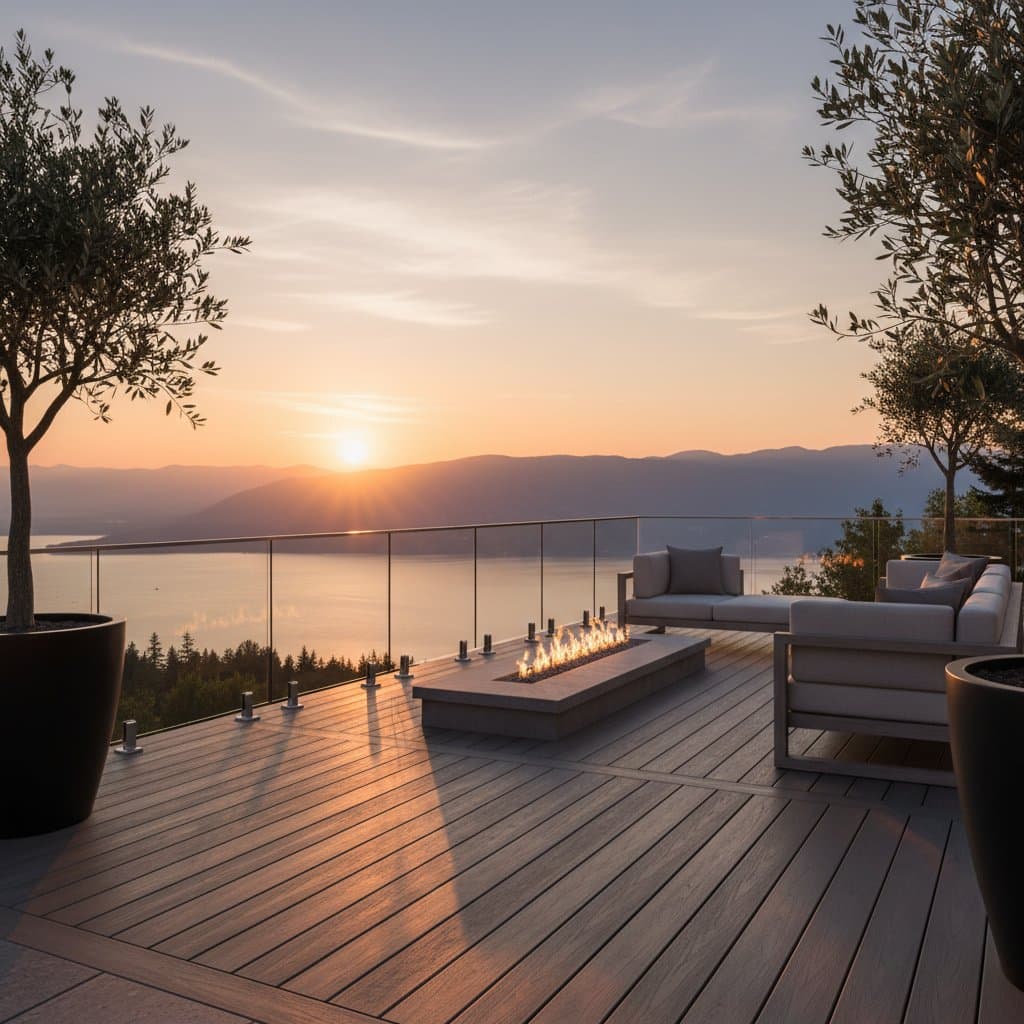
Glass railings represent a modern evolution in outdoor design, particularly for decks where visibility and safety intersect. These installations replace traditional barriers with transparent panels that preserve panoramic views without compromising structural integrity. Homeowners appreciate how glass enhances the sense of openness, drawing the surrounding landscape into the living area.

In 2025, advancements in materials ensure glass railings withstand environmental stresses while maintaining clarity. They suit urban balconies, suburban patios, and coastal retreats alike. Selecting the right system involves balancing aesthetics, budget, and local regulations to achieve a harmonious result.

Choosing the Right Glass Railing System

Begin evaluation by assessing deck dimensions and location. Measure perimeter length and height to determine panel quantities and support needs. Consider exposure to wind, sun, and salt if near water, as these factors influence glass durability.

Opt for systems categorized as framed or frameless. Framed versions use metal channels for easier installation and lower cost, while frameless designs offer a minimalist look with direct glass mounting. Both require compliance with codes mandating minimum heights of 36 inches for residential decks and gap restrictions under 4 inches.

Prioritize glass specifications for safety and performance. Tempered glass, which shatters into small granules upon impact, serves as the standard. Laminated options add an interlayer for extra shatter resistance, ideal for high-traffic areas. Thickness typically ranges from 3/8 inch to 1/2 inch, with thicker panels suiting elevated or windy installations.

Consult suppliers for hardware compatibility, including stainless steel posts and clamps resistant to corrosion. Request samples to visualize integration with deck materials like composite or wood. Factor in warranties covering at least 10 years against defects.

Preparation for Installation

Step 1: Gather Materials and Tools

Assemble all components before starting: glass panels, mounting hardware, sealant, and cleaning supplies. Essential tools include a level, drill, torque wrench, suction cups, and safety gear such as gloves and eye protection. Verify measurements against manufacturer guidelines to avoid errors.

Review local building codes thoroughly. Obtain permits if the deck exceeds standard heights or adjoins living spaces. Prepare the site by clearing debris and ensuring a stable, level surface for anchors.

Step 2: Mark and Install Base Supports

Outline railing positions using a chalk line along the deck edge. Space posts or channels according to system requirements, typically 4 to 6 feet apart for stability. Drill pilot holes into the deck frame, avoiding electrical or plumbing lines.

Secure base plates or shoes with lag bolts, applying thread locker for vibration resistance. Use a level to confirm plumb alignment at each point. This foundation supports the entire structure's load-bearing capacity.

Step 3: Position Top Rails or Channels

Attach upper channels or handrail supports to posts, maintaining consistent height. For systems with integrated handrails, ensure grip comfort at 34 to 38 inches above the deck. Double-check squareness with a framing square before proceeding.

Apply anti-seize compound to moving parts to ease future adjustments. Test fit a sample panel to verify channel depth accommodates glass thickness plus spacers.

Installation Process

Step 4: Insert Glass Panels

Lift panels using suction cups to distribute weight evenly. Slide each panel into its designated channel or bracket, starting from one end. Insert rubber spacers between panels and frames to minimize vibration and noise.

Tighten clamps or set screws evenly around each panel, avoiding excessive force that could crack the glass. For frameless systems, position panels precisely and secure with tensioned cables or pins. Verify level orientation before advancing to the next panel.

Step 5: Seal and Finish

Apply a narrow bead of weatherproof sealant along panel bases to block moisture entry. Install top caps or handrails if not pre-attached, ensuring seamless joints. Clean surfaces promptly with a lint-free cloth and glass cleaner to remove residues.

Allow sealant to cure fully, typically 24 hours, before applying weight or stress. Conduct a final inspection for secure fits and clear visibility across the installation.

Essential Safety Considerations

Select only tempered or laminated glass certified for railing applications, meeting impact standards like those from the American National Standards Institute. Never modify panels by cutting or drilling on-site; order custom sizes from professionals to preserve integrity.

Wear protective gloves with secure grip during handling to prevent slips. Test each anchor's hold by applying moderate pressure before full assembly. Engage a licensed installer for decks over 6 feet high or those requiring engineering certifications.

Incorporate child-proof features such as tighter gap tolerances. Regularly inspect for wear, especially after severe weather, to uphold safety protocols.

Common Troubleshooting Issues

If panels loosen over time, inspect clamps and gaskets for wear. Retighten to specified torque using a calibrated wrench, and replace degraded rubber components.

Condensation or fogging within laminated layers indicates seal failure; promptly replace the affected panel to restore clarity and strength. For uneven tops, shim base supports incrementally until alignment achieves perfection.

Minor surface scratches respond to polishing kits with cerium oxide paste. However, deep gouges compromise safety, necessitating full panel replacement through the supplier.

Ongoing Maintenance Routines

Glass railings demand minimal effort compared to alternatives, yet consistent care preserves appearance and function. Schedule inspections to catch issues early.

For monthly upkeep, wash panels using a soft cloth, mild soap solution, and lukewarm water. Rinse thoroughly to eliminate residue, then dry to prevent water spots. Examine for damage post-storms, focusing on edges and mounts.

Seasonally, inspect and tighten all fasteners ahead of temperature extremes. Clear channels of leaves or dirt to avoid water accumulation, which fosters corrosion. Treat metal elements with a rust inhibitor annually for longevity.

Steer clear of harsh chemicals or abrasive pads, which etch the surface. In coastal areas, rinse salt buildup quarterly to maintain shine.

Seasonal Storage Guidelines

For removable panels in variable climates, plan storage to protect against elements. Label each piece with its position using removable tape on protected edges.

Store vertically on cushioned racks in a sheltered, dry space to prevent warping. Cushion separations with foam or cardboard to avoid contact scratches.

When reinstalling, inspect for stress cracks before mounting. Use suction lifts for vertical handling, reducing edge pressure.

Cost and Timeline Expectations

Budget varies by configuration: anticipate 150 to 600 dollars per linear foot. Factors include glass gauge, framing style, and custom elements; frameless setups command premiums for engineering precision.

Installation timelines depend on scale. A compact deck project completes in one to two days with pre-ordered materials. Allow extra weeks for bespoke glass fabrication and delivery.

DIY suits low-height, framed kits under 5 feet, provided tools and skills align. Professionals excel for complex sites, slopes, or code-heavy zones, ensuring compliance and warranty validity.

Year-Round Care Reminders

Post-rain or snow, ensure drainage paths remain open around base fittings to avert freezing. In hot climates, monitor gaskets for heat-induced cracks and swap as necessary.

Humid environments invite base mildew; treat with diluted vinegar and scrub gently. These proactive measures sustain railing performance through cycles.

Indicators for Professional Intervention

Summon experts upon detecting fractures or delamination in panels. Address wobbling despite tightened hardware, which signals foundation issues.

Seek structural approval for railings above occupied areas or pathways. Certified installers provide peace of mind and regulatory adherence.

Core Insights on Glass Railings

These enclosures amplify deck allure by flooding spaces with light and vistas. Safety integrates seamlessly, unhindered by visual barriers.

Essential selections include 3/8-inch minimum tempered glass. Verify code alignment on dimensions, loads, and placements for optimal results.

Practical Actions to Proceed

Start by measuring deck perimeters and diagramming panel arrangements. Visit suppliers to assess framed versus frameless prototypes firsthand.

Allocate time for a dedicated installation weekend or schedule certified help. Thoughtful execution transforms ordinary decks into expansive, serene extensions of home life.

With diligent planning and routine care, glass railings endure as vibrant, secure features for seasons ahead.

You Might Also Like

Solar Drip Systems Keep Deck Gardens Watered Automatically

Glass Deck Floors That Skylight the Space Below

Mycelium Boards Replace Wood in Sustainable Decking

Cut Deck Noise with Acoustic Privacy Screens

Deck Benches That Turn Scraps Into Garden Soil

Tagged:

deck,glass,transparent,barriers,railings,frameless,glass-railings,frameless-deck,transparent-barriers

Recent by Dawn Hayden

Image for Glass Deck Floors That Skylight the Space Below

Glass Deck Floors That Skylight the Space Below

Feb 2, 2026
Image for Cut Deck Noise with Acoustic Privacy Screens

Cut Deck Noise with Acoustic Privacy Screens

Feb 1, 2026
Image for Deck Benches That Turn Scraps Into Garden Soil

Deck Benches That Turn Scraps Into Garden Soil

Jan 31, 2026
Image for Cool Balconies 15° Cheaper with Micro-Misting Systems

Cool Balconies 15° Cheaper with Micro-Misting Systems

Jan 30, 2026
Image for Living Sound Filters for City Apartments

Living Sound Filters for City Apartments

Jan 30, 2026

deck

Image for Solar Drip Systems Keep Deck Gardens Watered Automatically

Solar Drip Systems Keep Deck Gardens Watered Automatically

Feb 2, 2026
Image for Glass Deck Floors That Skylight the Space Below

Glass Deck Floors That Skylight the Space Below

Feb 2, 2026
Image for Mycelium Boards Replace Wood in Sustainable Decking

Deck Construction & Remodeling

Solar Drip Systems Keep Deck Gardens Watered Automatically

Elevate your deck gardening with solar-powered drip irrigation for precise, hands-free watering. This guide covers final setup steps, safety measures, common fixes, cost breakdowns, and year-round care to foster healthy plants with minimal intervention.

Feb 2, 2026

Solar Pavers Convert Steps and Sunlight Into Power

Elevate your outdoor paths with solar pavers that generate electricity from sunlight and movement. This comprehensive resource outlines functionality, step-by-step setup, budgeting, troubleshooting, and ways to apply the power for lighting or devices—all while promoting green living.

Feb 2, 2026

Glass Deck Floors That Skylight the Space Below

Elevate your deck design with glass floor panels that function as skylights, flooding lower areas with natural light while delivering a sleek, contemporary look. This resource provides in-depth coverage of benefits, essential materials, step-by-step installation, safety protocols, maintenance routines, and guidance on when to hire experts—all to optimize your outdoor environment for light, style, and longevity.

Categories

Deck Construction & Remodeling(158)
Balcony Design(146)
Small-Space Gardens(63)
Rooftop Decks(50)
Backyard Design(18)

Mycelium Boards Replace Wood in Sustainable Decking

Feb 1, 2026
Image for Cut Deck Noise with Acoustic Privacy Screens

Cut Deck Noise with Acoustic Privacy Screens

Feb 1, 2026
Image for Deck Benches That Turn Scraps Into Garden Soil

Deck Benches That Turn Scraps Into Garden Soil

Jan 31, 2026
Feb 2, 2026

Mycelium Boards Replace Wood in Sustainable Decking

Mycelium decking redefines sustainable outdoor design with boards cultivated from fungal roots and agricultural waste. These lightweight, compostable planks match wood's strength while minimizing environmental impact. This guide covers planning, installation, and care for a resilient, green yard addition.

Feb 1, 2026

Cut Deck Noise with Acoustic Privacy Screens

Turn urban deck noise into peaceful quiet with acoustic privacy screens. Explore sound-blocking options, step-by-step installation, upkeep advice, and cost-effective choices for a more enjoyable outdoor space throughout the year.

Feb 1, 2026

Deck Benches That Turn Scraps Into Garden Soil

Convert your deck into an eco-friendly oasis with a composting bench that serves as both comfortable seating and efficient soil producer. This comprehensive guide details construction steps, material needs, troubleshooting, and seasonal care to minimize waste and maximize garden yields.

Jan 31, 2026

Permeable Pavers Stop Flooding and Raise Property Value

Permeable pavers convert waterlogged areas into resilient, environmentally friendly surfaces. Water infiltrates through paver joints and stone bases, minimizing runoff, safeguarding structures, and elevating aesthetic appeal. This comprehensive guide details installation processes, upkeep routines, and financial considerations to demonstrate how these pavers promote sustainability, property enhancement, and enduring outdoor usability.

Jan 29, 2026

Turn Your Deck into a Clean Energy Generator

Elevate your deck into a sustainable solar energy source with integrated pavers that merge aesthetics and efficiency. This guide covers sunlight evaluation, circuit planning, durable tile installation, performance upkeep, expense details, safety protocols, and professional consultation needs to create a self-powered outdoor retreat.

Jan 29, 2026

Solar Pavers Turn Sunlight Into Outdoor Power

Elevate your outdoor areas with solar pavers, robust tiles that capture sunlight to generate power for lighting, charging stations, and appliances. This guide covers their functionality, required materials, and detailed installation instructions to build an efficient, wire-free environment that blends practicality with aesthetic appeal.

Jan 28, 2026

Mycelium Decks Replace Wood With Living Fungi Material

Mycelium, the intricate root system of fungi, emerges as a groundbreaking material for decking. This renewable and biodegradable option provides the durability of wood with a fraction of the environmental impact. Readers will gain insights into installation, maintenance, and benefits to create an outdoor haven that aligns with sustainable living principles.

Jan 27, 2026

Deck Pods Turn Open Decks into Year-Round Rooms

Convert your deck into a protected, inviting extension of your home using modular deck pods. This comprehensive guide covers planning, assembly, and upkeep for these adaptable structures, including required tools, safety protocols, and enhancements to achieve a durable, stylish outdoor space that provides year-round utility.

Jan 26, 2026

Solar Shade Sails Generate Power While Cooling Your Deck

Elevate your deck with solar shade sails that offer respite from the sun while harnessing solar power for everyday use. These versatile structures blend comfort with eco-friendly energy generation. Explore practical steps for installation, upkeep, and optimization to create an inviting, self-sustaining outdoor haven.

Jan 26, 2026

Cool Your Deck 15° with Solar Shade Sails

Counter summer deck heat with solar shade sails capable of reducing temperatures by up to 15 degrees. These tensioned fabric panels effectively block UV rays, improve airflow, and install in just one day. Gain insights into required tools, essential safety measures, and maintenance strategies for extended outdoor enjoyment.

Jan 25, 2026

Why Permeable Decks Stay 20 Degrees Cooler

Permeable decks address intense summer heat by facilitating airflow and water passage, which dissipates trapped warmth and maintains surfaces up to 20 degrees cooler. Incorporating light-colored materials, strategic gaps, and evaporative cooling, these decks foster inviting, sustainable outdoor areas that require low maintenance and provide enduring relief from hot surfaces.

Jan 25, 2026

Solar Pergolas Cut City Heat While Powering Your Deck

Elevate your compact urban deck with a solar pergola that delivers shade, produces renewable energy, and enhances sustainability. This comprehensive guide includes planning strategies, material choices, step-by-step installation, safety protocols, and upkeep tips to achieve a cooler, cost-effective outdoor area while increasing home value on a practical budget.

Jan 24, 2026

Fungal Fibers That Replace Wood Decks and Compost Clean

Mycelium decks redefine urban outdoor spaces through sustainable, compostable panels derived from fungal networks. These lightweight, durable alternatives to wood or plastic utilize agricultural waste. Follow this guide to cultivate, process, install, and maintain them for environmentally conscious urban design.

Jan 24, 2026

Misting Systems Drop Deck Temps 20° Fast

Misting systems transform hot decks into inviting spaces by reducing temperatures up to 20 degrees. This guide details planning, installation, maintenance, and optimization strategies for safe, effective cooling throughout the season.

Jan 22, 2026

UV Shade Sails Drop Deck Temps 20 Degrees

Combat summer heat and safeguard your deck using UV shade sails. This comprehensive guide details selection, installation, and upkeep strategies that reduce surface temperatures, avert color fading, and prolong deck longevity. Explore required tools, safety measures, common issues, and professional insights to create a fashionable, protected outdoor haven.

Jan 22, 2026

Shade Sails That Follow the Sun All Day Long

Automatic sun-tracking shade sails adjust their position to follow the sun, providing consistent shade and comfort on decks and patios. This comprehensive guide explains the technology, step-by-step installation, essential safety measures, ongoing maintenance, associated costs, and strategies to maximize durability and efficiency in your outdoor environment.

Jan 21, 2026

AI Cameras That Water Plants and Deter Deck Pests

Elevate your urban deck into an automated oasis with AI cameras that identify pests, optimize irrigation, and reduce upkeep. These intelligent systems leverage computer vision to safeguard plants, promote efficient water use, and deliver seamless outdoor enjoyment via straightforward installation and reliable performance.

Jan 21, 2026