Loading...

Space-Saving Glass Railings with Built-In Planters | urbanoutdoorsnyc.com | Urban Outdoors - Small-Space Gardens, Rooftop Decks, Balconies, Decks, Backyard Design
Skip to main content
Urban Outdoors
Search
Home
  1. Home
  2. /
  3. Deck Construction & Remodeling
  4. /
  5. Glass Railings With Built-In Planters Save Deck Space
Deck Construction & Remodeling

Glass Railings With Built-In Planters Save Deck Space

byAnne Marion
2025-10-19 03:52:17October 19, 2025
8 min read
Featured image for Glass Railings With Built-In Planters Save Deck Space

Categories

Navigation

  • Home
  • All Articles
  • About Us
  • Privacy Policy
  • Terms of Service

© 2026 Urban Outdoors. Crafted for bold city dwellers.

2025-10-20 03:23:00
Urban Outdoors - Small-Space Gardens, Rooftop Decks, Balconies, Decks, Backyard Design

Space-Saving Glass Railings with Integrated Planters for Decks

Homeowners seek decks that offer openness, contemporary appeal, and vitality. Glass railings deliver unobstructed views and sleek profiles. Integrating built-in planters transforms these railings into dynamic borders that soften edges, moderate airflow, and integrate natural elements directly into relaxation zones.

This comprehensive guide outlines the process of designing, constructing, and maintaining glass railings with integrated planters. Readers gain practical, step-by-step instructions suitable for home implementation. The focus remains on achieving a secure, aesthetically pleasing boundary that evolves alongside the landscape.

Key topics include material selection, drainage management, and plant choices optimized for confined areas.

Overview

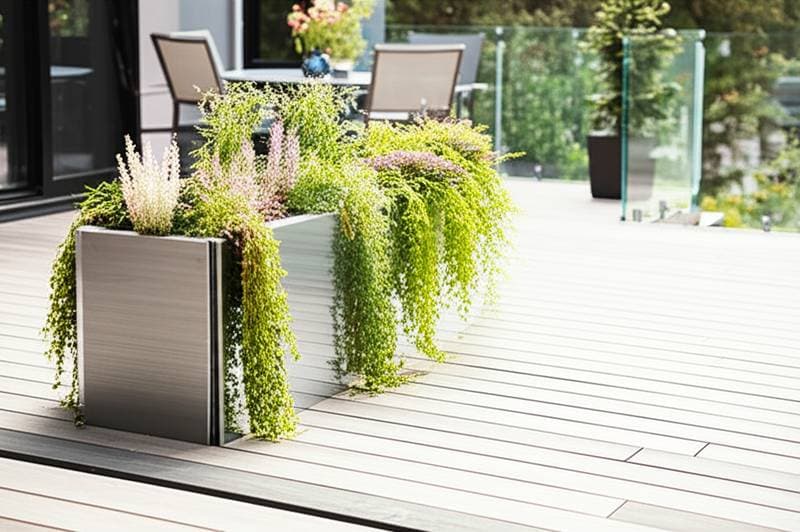
A glass railing with integrated planters incorporates a soil-holding trough or recess within the railing framework. This design fulfills dual roles: the glass panels ensure safety and preserve visibility, while the planter component introduces vegetation and subtle screening.

Such systems prove ideal for rooftop decks, compact balconies, or constrained patios. They address space limitations by eliminating the need for freestanding pots that obstruct pathways. Positioning plants at eye level enhances the overall perspective for both seated and standing observers.

Advantages encompass:

  • Multifunctional design. A single assembly functions as both protective barrier and horticultural feature.
  • Preserved openness. Glass maintains visual continuity as plants temper wind exposure.
  • Tailored aesthetics. Frame finishes and accents coordinate seamlessly with deck furnishings.
  • Streamlined upkeep. Integrated drainage channels direct moisture away from deck surfaces.

Installation options include complete new systems or adaptations to existing glass railings via compatible base planters.

Tools and Materials

Constructing a glass railing with integrated planters demands intermediate DIY proficiency. Precision in measurements and sealing proves essential, though advanced woodworking remains unnecessary.

Essential Tools:

  • Measuring tape and spirit level
  • Drill equipped with bits for masonry and metal
  • Caulking gun for silicone application
  • Rubber mallet
  • Protective eyewear and gloves
  • Hand trowel for soil placement

Required Materials:

  • Tempered glass panels measuring 3/8 to 1/2 inch in thickness (9 to 12 millimeters)
  • Aluminum or stainless steel posts for railings
  • Prefabricated aluminum or composite troughs, 6 to 8 inches in depth (15 to 20 centimeters)
  • Drainage fittings paired with flexible tubing
  • Waterproof lining or membrane
  • Gravel or expanded clay aggregate for base drainage
  • Outdoor container potting soil
  • Vegetation adapted to the deck's light conditions

For modifications to current railings, verify that the deck framework withstands the added load from saturated soil and plants. A standard loaded trough contributes approximately 2 to 3 pounds per linear foot (0.9 to 1.4 kilograms per 30 centimeters).

Installation Steps

1. Measure and Plan

Assess the deck's perimeter sections designated for the glass railing planters. Indicate post locations at intervals of 3 to 4 feet (0.9 to 1.2 meters), accounting for corners and access gates.

Draft a detailed layout sketch. Specify drainage exit points. Incorporate a subtle incline of 1/8 inch per foot (3 millimeters per 30 centimeters) to facilitate water movement toward outlets.

Safety Considerations: Handle glass and metal components with gloves. Position panels on cushioned surfaces to avoid edge damage.

2. Prepare the Base

For wooden deck surfaces, install a waterproof membrane beneath planter zones to shield the underlying boards. On concrete decks, position rubber or plastic spacer strips under troughs to promote ventilation.

Outline post anchoring sites. Bore holes and fasten posts using stainless steel bolts. Verify vertical alignment with a level for each installation.

Safety Considerations: Select appropriate drill bits for the substrate. Maintain dry conditions around electrical cords and utilize eye protection.

3. Install the Planter Troughs

Position troughs between posts prior to glass panel placement. Align trough upper edges flush with the glass lower boundary for integrated appearance.

Apply silicone sealant along connection seams to eliminate potential leaks. Secure troughs firmly and permit full sealant curing before introducing soil.

Install drainage fittings at trough endpoints and attach tubing to route excess water clear of the deck or into designated collection areas.

Safety Considerations: Ensure drain pathways remain unobstructed prior to soil addition. Accumulated water risks overflow or fungal growth.

4. Mount the Glass Panels

Insert glass panels into post channels or brackets. Employ rubber gaskets to protect panel edges. Secure clamps to achieve a firm hold without excessive force.

Clean any residues using a soft cloth and neutral cleaner. Steer clear of ammonia-containing solutions that may compromise seals.

Safety Considerations: Enlist assistance to steady panels during fixation. Refrain from solo handling of oversized glass sheets.

5. Fill and Plant

Layer 1 inch (2.5 centimeters) of gravel or aggregate at trough bases. Fill with potting soil to approximately 1 inch below the rim.

Select flora according to deck sunlight levels. Opt for sun-tolerant options such as thyme, sedum, or compact lavender in bright exposures. Shade preferences include ferns, ivy, or cascading begonias.

Position upright specimens at corners for screening and compact varieties along exposed stretches to sustain visibility.

Safety Considerations: Prevent overfilling. Moistened soil expansion exerts pressure on glass components.

6. Water and Test Drainage

Irrigate planters gradually until drainage appears at outlets. Observe flow efficiency. Introduce shims beneath trough ends to refine slope if necessary.

Examine seams and fittings for seepage. Apply additional silicone to identified vulnerabilities.

Essential Safety Guidelines

Select tempered or laminated glass exclusively. Standard glass fractures into hazardous shards.

Maintain dryness for electrical cords and equipment during assembly.

Refrain from placing substantial weights, such as pots or furnishings, against glass surfaces.

Employ non-toxic sealants and liners when cultivating edible species.

Steer clear of salt-based ice removers adjacent to planters during winter. Residues harm metal elements and soil integrity.

These measures safeguard the installation and vegetation over extended periods.

Common Issues and Resolutions

Soggy soil or wilting plants.

Cause: Inadequate drainage or obstructed exits.

Solution: Excavate soil adjacent to drains, remove blockages, and inspect tubing for kinks. Supplement with additional gravel as required.

Leaks onto deck surfaces.

Cause: Insecure joints or deficient sealant.

Solution: Allow complete drying, then reapply weather-resistant silicone to affected areas.

Fogging or streaking on glass.

Cause: Moisture buildup or hard water marks.

Solution: Enhance airflow via minor vent spaces and cleanse with a diluted vinegar solution.

Shifting or deforming trough edges.

Cause: Soil-induced stress or unsecured fasteners.

Solution: Reinforce bolts and confirm troughs avoid excessive loading.

Cost Estimates and Timeline

Expenses vary by material choices and project scale. For a 20-foot (6-meter) installation, anticipate:

  • Glass panels: $60 to $120 per linear foot
  • Posts and fittings: $30 to $50 per linear foot
  • Troughs, liners, and drains: $20 to $40 per linear foot
  • Soil and vegetation: $100 to $200 overall for modest decks

DIY projects for average decks typically range from $1,800 to $3,000. Professional services incur hourly rates of $25 to $40.

Allocate a weekend for completion with prepared tools. Sealing and curing phases demand the most time to ensure impermeability.

Economize through composite alternatives to metal troughs, bulk soil purchases, and drought-resistant native plants. Prioritize quality in glass and sealants for structural integrity.

Ongoing Maintenance Practices

Integrated planters require minimal attention compared to standalone units, yet consistent routines preserve their condition.

Weekly Tasks:

  • Assess soil dampness and irrigate if the surface inch dries out.
  • Clear fallen debris and prune excessive growth.
  • Buff glass surfaces with mild soap and a soft cloth.

Monthly Tasks:

  • Examine drains and lines for obstructions.
  • Secure post hardware against any loosening.
  • Replenish settled potting mix.

Seasonal Tasks:

  • In freezing regions, extract tender annuals and mulch soil for root insulation.
  • During rainy periods, verify diversion of runoff from foundational areas.
  • Renew sealant applications at joints every few years.

Utilize a compact vacuum for edge debris removal. Pristine glass amplifies the design's elegance, underscoring the value of routine polishing.

Practical Organization Tips

Assemble a dedicated deck care kit containing:

  • Microfiber cloths for glass cleaning
  • Small watering vessel
  • Precision pruning tools
  • Soil transfer scoop
  • Replacement drainage lines

Organize items in labeled, weatherproof storage. Proximity to the site fosters habitual upkeep over sporadic overhauls.

For households with young children or animals, elevate planters beyond easy access and anchor loose aggregates. Railings must comply with height regulations, generally 36 to 42 inches (91 to 107 centimeters).

Professional Assistance Indicators

Engage experts when:

  • Deck perimeters exceed 6 feet (1.8 meters) in height.
  • Familiarity with glass handling or sealing techniques lacks.
  • Adherence to regional codes for weight capacity and barriers requires verification.

Inquire with contractors about:

  1. Recommended glass thickness and post spacing for local wind conditions.
  2. Drainage integration that preserves anchor stability.
  3. Removability of planter elements for servicing.

Reputable providers furnish detailed responses and documented care protocols.

Implementing Your Design

Prioritize these steps for success:

  1. Establish drainage and seals upfront. These foundations prevent future complications.
  2. Maintain glass clarity through regular cleaning. Unimpeded views sustain the airy ambiance.
  3. Select compatible vegetation. Compact, low-maintenance varieties minimize effort while maximizing appeal.

This integration yields a deck edge that enhances usability, beauty, and ecological harmony year after year.

You Might Also Like

Solar Drip Systems Keep Deck Gardens Watered Automatically

Glass Deck Floors That Skylight the Space Below

Mycelium Boards Replace Wood in Sustainable Decking

Cut Deck Noise with Acoustic Privacy Screens

Deck Benches That Turn Scraps Into Garden Soil

Tagged:

design,deck,glass,dual,planters,purpose,railing,glass-railing-planters,edges,deck-edges

Recent by Anne Marion

Image for Solar Drip Systems Keep Deck Gardens Watered Automatically

Solar Drip Systems Keep Deck Gardens Watered Automatically

Feb 2, 2026
Image for Watering 50+ Pots From a Single Faucet

Watering 50+ Pots From a Single Faucet

Feb 2, 2026
Image for Simple Drip Systems That Water While You Work

Simple Drip Systems That Water While You Work

Jan 31, 2026
Image for How Urban Gardens Cut City Noise by 70%

How Urban Gardens Cut City Noise by 70%

Jan 31, 2026
Image for Micro-Pergola Pods Bring Patio Comfort to Tiny Balconies

Micro-Pergola Pods Bring Patio Comfort to Tiny Balconies

Jan 29, 2026

design

Image for Map Your Deck's Hot Spots Before You Zone

Map Your Deck's Hot Spots Before You Zone

Jan 19, 2026
Image for Shape Your Balcony Weather for Year-Round Comfort

Shape Your Balcony Weather for Year-Round Comfort

Jan 16, 2026
Image for Solar Pergolas Generate Power While Shading Your Deck

Deck Construction & Remodeling

Solar Drip Systems Keep Deck Gardens Watered Automatically

Elevate your deck gardening with solar-powered drip irrigation for precise, hands-free watering. This guide covers final setup steps, safety measures, common fixes, cost breakdowns, and year-round care to foster healthy plants with minimal intervention.

Feb 2, 2026

Solar Pavers Convert Steps and Sunlight Into Power

Elevate your outdoor paths with solar pavers that generate electricity from sunlight and movement. This comprehensive resource outlines functionality, step-by-step setup, budgeting, troubleshooting, and ways to apply the power for lighting or devices—all while promoting green living.

Feb 2, 2026

Glass Deck Floors That Skylight the Space Below

Elevate your deck design with glass floor panels that function as skylights, flooding lower areas with natural light while delivering a sleek, contemporary look. This resource provides in-depth coverage of benefits, essential materials, step-by-step installation, safety protocols, maintenance routines, and guidance on when to hire experts—all to optimize your outdoor environment for light, style, and longevity.

Categories

Deck Construction & Remodeling(158)
Balcony Design(146)
Small-Space Gardens(63)
Rooftop Decks(50)
Backyard Design(18)

Solar Pergolas Generate Power While Shading Your Deck

Jan 15, 2026
Image for Shaping Your Balcony's Mini Weather System

Shaping Your Balcony's Mini Weather System

Jan 14, 2026
Image for Wind Railings Turn City Gusts Into Deck Power

Wind Railings Turn City Gusts Into Deck Power

Jan 11, 2026
Feb 2, 2026

Mycelium Boards Replace Wood in Sustainable Decking

Mycelium decking redefines sustainable outdoor design with boards cultivated from fungal roots and agricultural waste. These lightweight, compostable planks match wood's strength while minimizing environmental impact. This guide covers planning, installation, and care for a resilient, green yard addition.

Feb 1, 2026

Cut Deck Noise with Acoustic Privacy Screens

Turn urban deck noise into peaceful quiet with acoustic privacy screens. Explore sound-blocking options, step-by-step installation, upkeep advice, and cost-effective choices for a more enjoyable outdoor space throughout the year.

Feb 1, 2026

Deck Benches That Turn Scraps Into Garden Soil

Convert your deck into an eco-friendly oasis with a composting bench that serves as both comfortable seating and efficient soil producer. This comprehensive guide details construction steps, material needs, troubleshooting, and seasonal care to minimize waste and maximize garden yields.

Jan 31, 2026

Permeable Pavers Stop Flooding and Raise Property Value

Permeable pavers convert waterlogged areas into resilient, environmentally friendly surfaces. Water infiltrates through paver joints and stone bases, minimizing runoff, safeguarding structures, and elevating aesthetic appeal. This comprehensive guide details installation processes, upkeep routines, and financial considerations to demonstrate how these pavers promote sustainability, property enhancement, and enduring outdoor usability.

Jan 29, 2026

Turn Your Deck into a Clean Energy Generator

Elevate your deck into a sustainable solar energy source with integrated pavers that merge aesthetics and efficiency. This guide covers sunlight evaluation, circuit planning, durable tile installation, performance upkeep, expense details, safety protocols, and professional consultation needs to create a self-powered outdoor retreat.

Jan 29, 2026

Solar Pavers Turn Sunlight Into Outdoor Power

Elevate your outdoor areas with solar pavers, robust tiles that capture sunlight to generate power for lighting, charging stations, and appliances. This guide covers their functionality, required materials, and detailed installation instructions to build an efficient, wire-free environment that blends practicality with aesthetic appeal.

Jan 28, 2026

Mycelium Decks Replace Wood With Living Fungi Material

Mycelium, the intricate root system of fungi, emerges as a groundbreaking material for decking. This renewable and biodegradable option provides the durability of wood with a fraction of the environmental impact. Readers will gain insights into installation, maintenance, and benefits to create an outdoor haven that aligns with sustainable living principles.

Jan 27, 2026

Deck Pods Turn Open Decks into Year-Round Rooms

Convert your deck into a protected, inviting extension of your home using modular deck pods. This comprehensive guide covers planning, assembly, and upkeep for these adaptable structures, including required tools, safety protocols, and enhancements to achieve a durable, stylish outdoor space that provides year-round utility.

Jan 26, 2026

Solar Shade Sails Generate Power While Cooling Your Deck

Elevate your deck with solar shade sails that offer respite from the sun while harnessing solar power for everyday use. These versatile structures blend comfort with eco-friendly energy generation. Explore practical steps for installation, upkeep, and optimization to create an inviting, self-sustaining outdoor haven.

Jan 26, 2026

Cool Your Deck 15° with Solar Shade Sails

Counter summer deck heat with solar shade sails capable of reducing temperatures by up to 15 degrees. These tensioned fabric panels effectively block UV rays, improve airflow, and install in just one day. Gain insights into required tools, essential safety measures, and maintenance strategies for extended outdoor enjoyment.

Jan 25, 2026

Why Permeable Decks Stay 20 Degrees Cooler

Permeable decks address intense summer heat by facilitating airflow and water passage, which dissipates trapped warmth and maintains surfaces up to 20 degrees cooler. Incorporating light-colored materials, strategic gaps, and evaporative cooling, these decks foster inviting, sustainable outdoor areas that require low maintenance and provide enduring relief from hot surfaces.

Jan 25, 2026

Solar Pergolas Cut City Heat While Powering Your Deck

Elevate your compact urban deck with a solar pergola that delivers shade, produces renewable energy, and enhances sustainability. This comprehensive guide includes planning strategies, material choices, step-by-step installation, safety protocols, and upkeep tips to achieve a cooler, cost-effective outdoor area while increasing home value on a practical budget.

Jan 24, 2026

Fungal Fibers That Replace Wood Decks and Compost Clean

Mycelium decks redefine urban outdoor spaces through sustainable, compostable panels derived from fungal networks. These lightweight, durable alternatives to wood or plastic utilize agricultural waste. Follow this guide to cultivate, process, install, and maintain them for environmentally conscious urban design.

Jan 24, 2026

Misting Systems Drop Deck Temps 20° Fast

Misting systems transform hot decks into inviting spaces by reducing temperatures up to 20 degrees. This guide details planning, installation, maintenance, and optimization strategies for safe, effective cooling throughout the season.

Jan 22, 2026

UV Shade Sails Drop Deck Temps 20 Degrees

Combat summer heat and safeguard your deck using UV shade sails. This comprehensive guide details selection, installation, and upkeep strategies that reduce surface temperatures, avert color fading, and prolong deck longevity. Explore required tools, safety measures, common issues, and professional insights to create a fashionable, protected outdoor haven.

Jan 22, 2026

Shade Sails That Follow the Sun All Day Long

Automatic sun-tracking shade sails adjust their position to follow the sun, providing consistent shade and comfort on decks and patios. This comprehensive guide explains the technology, step-by-step installation, essential safety measures, ongoing maintenance, associated costs, and strategies to maximize durability and efficiency in your outdoor environment.

Jan 21, 2026

AI Cameras That Water Plants and Deter Deck Pests

Elevate your urban deck into an automated oasis with AI cameras that identify pests, optimize irrigation, and reduce upkeep. These intelligent systems leverage computer vision to safeguard plants, promote efficient water use, and deliver seamless outdoor enjoyment via straightforward installation and reliable performance.

Jan 21, 2026