Loading...

Reduce Urban Noise by 70% Using Garden Designs | urbanoutdoorsnyc.com | Urban Outdoors - Small-Space Gardens, Rooftop Decks, Balconies, Decks, Backyard Design
Skip to main content
Urban Outdoors
Search
Home
  1. Home
  2. /
  3. Small-Space Gardens
  4. /
  5. How Urban Gardens Cut City Noise by 70%
Small-Space Gardens

How Urban Gardens Cut City Noise by 70%

byAnne Marion
2026-01-31 04:28:32January 31, 2026
7 min read
Featured image for How Urban Gardens Cut City Noise by 70%

Categories

Navigation

  • Home
  • All Articles
  • About Us
  • Privacy Policy
  • Terms of Service

© 2026 Urban Outdoors. Crafted for bold city dwellers.

2026-01-31 04:28:32
Urban Outdoors - Small-Space Gardens, Rooftop Decks, Balconies, Decks, Backyard Design

Understanding Urban Noise Reduction with Gardens

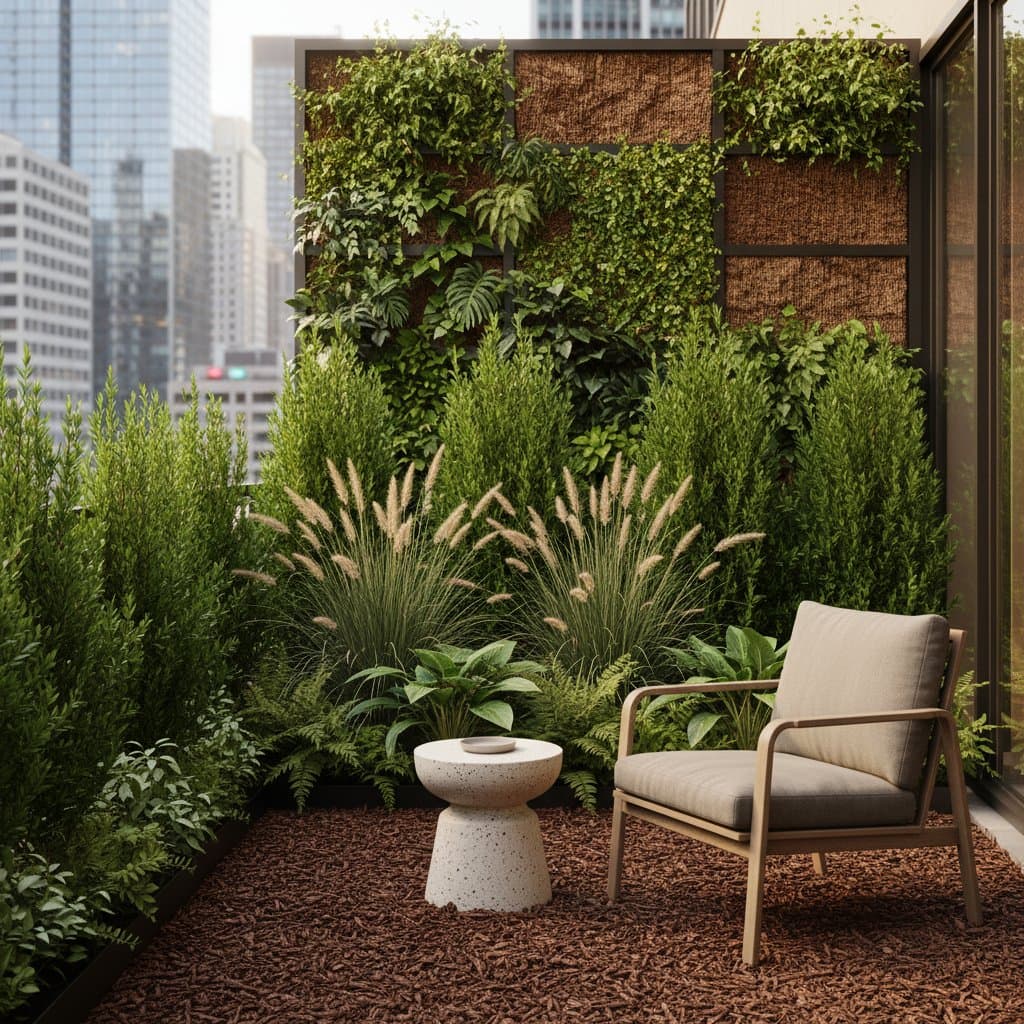
Urban environments pulse with constant noise from traffic, construction, and daily life. This relentless sound can elevate stress levels and disrupt outdoor enjoyment. Gardens offer a natural solution by absorbing and diffusing sound waves through strategic planting and material choices, potentially reducing noise by up to 70 percent.

Research shows that dense vegetation acts as a barrier, while porous surfaces prevent sound reflection. This approach requires no major construction, making it accessible for balconies, rooftops, or small yards. The key lies in layering plants and textures to create a multifaceted sound buffer.

1. Assess Your Space and Noise Sources

Begin by identifying the primary noise directions in your outdoor area. Walk the perimeter during peak hours to pinpoint sources such as nearby streets or neighbors. Measure the space available, noting sunlight exposure, wind patterns, and existing structures.

Sketch a simple layout on paper, marking potential planting zones. Consider the garden's scale; even a narrow strip along a fence can make a difference. This evaluation ensures your design targets noise effectively without overwhelming the area.

2. Select Sound-Absorbing Plants

Choose species known for their density and foliage thickness, as these trap sound better than sparse growth. Prioritize evergreens for year-round coverage, supplemented by deciduous options for seasonal variety. Factor in your climate zone to select hardy varieties that thrive with minimal intervention.

Evergreens like arborvitae or holly provide robust barriers, while ornamental grasses add flexibility. Avoid plants with brittle leaves that shed easily, as consistent coverage maximizes absorption. Consult local nurseries for region-specific recommendations to ensure long-term success.

3. Create Vertical Barriers

Position tall planters or install trellises close to the noise source to form the first line of defense. Maintain one to two feet, or 30 to 60 centimeters, between containers to promote airflow and prevent overcrowding. Fill these with dense evergreens or clumping bamboo for immediate height and thickness.

These structures block high-frequency sounds traveling over shorter plants. Secure trellises firmly to withstand wind, and elevate planters on stable bases if space is limited. Over time, the growth will create a seamless wall that softens incoming noise.

Pro tip: Opt for clumping bamboo varieties exclusively. Running types expand aggressively and prove challenging to control in confined urban settings.

4. Add a Middle Layer

Plant shrubs or medium-height grasses behind the vertical elements to intercept sounds that pass through the top layer. Space these plants approximately eighteen inches, or 46 centimeters, apart to allow for maturation without creating voids. This tier addresses mid-range frequencies that evade taller barriers.

Select resilient options like viburnum shrubs or switchgrass, which offer textured foliage for enhanced diffusion. Integrate flowering varieties for aesthetic appeal, ensuring they do not compromise density. This layer builds depth, turning your garden into a graduated sound filter.

5. Fill in with Ground Cover

Incorporate low-growing plants such as hostas, ferns, or creeping thyme across the soil surface to capture residual sound waves. These species not only absorb vibrations but also retain moisture, which aids in damping noise slightly through increased humidity. Plant them densely to minimize exposed earth.

Ground covers prevent sound from bouncing off bare dirt and add a lush, finished look. Choose varieties that spread naturally to fill gaps over time. This bottom layer completes the vertical profile, ensuring comprehensive coverage from canopy to base.

6. Add Hard Surfaces Sparingly

Incorporate paths or seating areas using materials that permit sound to pass through rather than echo. Materials like crushed stone, permeable pavers, or wooden decking outperform solid concrete or tile in reducing reflections. Position these features away from direct noise pathways to limit their impact.

Opt for untreated wood or recycled composites for durability in urban conditions. Ensure proper drainage to avoid water pooling, which could amplify certain sounds. These choices maintain functionality while supporting the garden's acoustic goals.

7. Test and Adjust

Once planting concludes, occupy the space during typical urban noise periods to evaluate effectiveness. Observe changes over the initial weeks as plants establish and foliage densifies. Listen for persistent leaks and note areas where sound penetrates.

Make incremental adjustments, such as repositioning planters or filling sparse spots. Use a decibel meter app on your phone for objective measurements if desired. Iterative refinement ensures the design evolves with your space's unique acoustics.

Troubleshooting Common Issues

Even well-planned gardens encounter challenges in noisy urban settings. Address problems promptly to sustain performance.

Problem: Noise levels remain elevated despite new plantings.
Check: Inspect for foliage gaps or nearby reflective surfaces, such as a plain wall that redirects sound.
Fix: Install a vine-covered trellis or suspend a hanging planter to seal the breach.

Problem: Plants show signs of drying or sparse growth.
Check: Urban heat islands and light reflection from buildings often stress vegetation.
Fix: Apply organic mulch, deploy self-watering pots, or set up a drip irrigation system for consistent hydration.

Problem: Echoes develop near walls or in corners.
Check: Rigid boundaries amplify reverberations.
Fix: Affix outdoor fabric panels or suspend thick reed screens to soften these zones.

Problem: Insufficient sunlight affects plant health.
Check: Many sound-blocking species tolerate partial shade.
Fix: Select shade-adapted evergreens like Japanese laurel or additional ferns to maintain coverage.

Essential Maintenance Practices

Dense foliage forms the foundation of effective noise reduction, so consistent upkeep proves vital.

  • Trim lightly: Preserve thickness by avoiding deep cuts that expose branches.
  • Feed seasonally: Apply slow-release fertilizer one or two times per growing season to support vigor.
  • Water evenly: Provide deep, infrequent sessions to encourage robust root systems and denser growth.
  • Replace gaps: Promptly substitute any deceased plants to uphold the barrier's integrity.
  • Clean surfaces: Regularly sweep decks and clear debris to prevent unintended sound bounce.

Conduct monthly inspections for pests or structural damage. Thriving plants absorb sound more efficiently, enhancing the overall sanctuary.

Engaging Professional Expertise

Most elements of this design suit DIY implementation, yet certain scenarios benefit from specialist input.

Seek a landscape designer or acoustic consultant when:

  • Proximity to intense sources like highways or rail lines demands precise modeling.
  • Rooftop installations involve weight restrictions and structural considerations.
  • Fixed walls or substantial planters require engineering for stability.

Inquire about soil bearing capacity, drainage integration, and optimized plant arrangements for sound control. Experts employ simulation tools to predict wave propagation and recommend tailored plant-material pairings.

Core Principles for Success

Vegetation mitigates noise through absorption and dispersion of sound waves. Multi-tiered arrangements paired with permeable surfaces achieve reductions up to 70 percent in urban contexts. Dense evergreens, resilient grasses, and robust ground covers deliver broad-spectrum protection. Materials such as timber and mulch minimize reflections from hardscapes. Ongoing care through pruning and renewal sustains the acoustic benefits indefinitely.

Implementing Your Design

Commence with a targeted section of your outdoor area facing the loudest intrusion. Line it with elevated planters featuring bamboo or boxwood, then underplant with ferns or thyme for foundational absorption. Within weeks, the attenuation becomes evident, fostering a more serene atmosphere.

Gradually expand the framework, experimenting with elements that resonate in your environment. Leverage existing features, assess outcomes, and celebrate progressive enhancements. Tranquility emerges not from absolute quiet but from harmonious equilibrium. Each addition of foliage or texture diminishes the urban din.

This methodical process yields a garden that serves as a true haven. Ambient sounds shift to include gentle leaf whispers, distant bird calls, and the peace you seek.

You Might Also Like

Garden Walls That Block 70% City Noise in Small Spaces

Turn Your Balcony into a Pollinator Refuge

Creating a Balcony Microclimate for Plants Year-Round

Smart Drip Systems Keep Balcony Plants Thriving

Micro-Misting Drops Balcony Heat 20° in Seconds

Tagged:

acoustic,plants,green,noise,reduction,blocking,sound,balcony,sound-blocking-plants,noise-reduction-balcony

Recent by Anne Marion

Image for Living Pergolas Cool Decks Through Natural Shade

Living Pergolas Cool Decks Through Natural Shade

Mar 18, 2026
Image for Creating a Balcony Microclimate for Plants Year-Round

Creating a Balcony Microclimate for Plants Year-Round

Mar 18, 2026
Image for Rooftop Benches That Clean Air and Cool Surfaces

Rooftop Benches That Clean Air and Cool Surfaces

Mar 18, 2026
Image for Smart Drip Systems Keep Balcony Plants Thriving

Smart Drip Systems Keep Balcony Plants Thriving

Mar 17, 2026
Image for Micro-Misting Drops Balcony Heat 20° in Seconds

Micro-Misting Drops Balcony Heat 20° in Seconds

Mar 17, 2026

acoustic

Image for The Plant Trick That Silences Balcony Street Noise

The Plant Trick That Silences Balcony Street Noise

Mar 10, 2026
Image for Soundproof Your Deck with Layers and Soft Surfaces

Soundproof Your Deck with Layers and Soft Surfaces

Mar 8, 2026
Image for Acoustic Panels Cut Deck Noise by 30 to 50 Percent

Small-Space Gardens

Garden Walls That Block 70% City Noise in Small Spaces

Convert a bustling urban balcony or patio into a tranquil haven using a garden wall that diminishes up to 70 percent of city noise. This guide covers selecting optimal materials, installing sound-absorbing panels, incorporating plants, and performing upkeep to achieve enduring noise mitigation, seclusion, and aesthetic appeal in just one weekend.

Mar 21, 2026

Turn Your Balcony into a Pollinator Refuge

Elevate your balcony into a flourishing pollinator retreat featuring native flowers, basic equipment, and thoughtful maintenance. This guide demonstrates how modest planters can support bees and butterflies, boost city biodiversity, and add vivid hues to apartment living with limited space, expense, and mere minutes of daily attention.

Mar 19, 2026

Native Plants Turn Balconies into Bee Havens

Elevate your balcony into a vibrant pollinator sanctuary by incorporating native plants that support bees year-round. This guide covers plant selection for diverse blooms, optimal setup in containers, essential care routines, and strategies to ensure safety and longevity in compact urban spaces.

Categories

Deck Construction & Remodeling(223)
Balcony Design(191)
Small-Space Gardens(82)
Rooftop Decks(81)
Backyard Design(21)

Acoustic Panels Cut Deck Noise by 30 to 50 Percent

Mar 6, 2026
Image for Acoustic Panels Cut Urban Deck Noise by 15 Decibels

Acoustic Panels Cut Urban Deck Noise by 15 Decibels

Mar 4, 2026
Image for Plants That Absorb City Noise on Small Balconies

Plants That Absorb City Noise on Small Balconies

Mar 3, 2026
Mar 16, 2026

AI Sensors Cut Water Waste and End Plant Guesswork

Elevate your balcony or windowsill garden using AI sensors that track soil, light, and nutrients instantly. Discover automation techniques to cut water use, avoid plant distress, and streamline maintenance for precise, rewarding results in urban settings.

Mar 12, 2026

Balcony Gardens That Feed City Bees in 5 Containers

Turn a compact balcony into a vital habitat for pollinators using simple containers and native flora. This practical guide details plant selections, setup tips, and maintenance routines that draw bees, support ecosystems, and elevate city greenery.

Mar 12, 2026

AI Cuts Balcony Watering Work by Half

Transform your urban balcony into a vibrant garden using AI-powered watering technology. Intelligent sensors and mobile applications eliminate uncertainty in plant hydration, conserve resources, and maintain lush growth. Discover setup methods, personalization options, and upkeep strategies that require no advanced horticultural skills, only innovative tools.

Mar 8, 2026

Using Plants to Block Noise in Tiny City Gardens

Turn a bustling urban garden into a tranquil haven by leveraging plants to dampen noise. Dense shrubs, varied greenery layers, and textured plants work together to absorb and redirect sound waves. Gain insights into optimal plant selections, arrangement techniques, and upkeep advice for a vibrant, noise-mitigating retreat.

Mar 6, 2026

Plants That Absorb City Noise on Small Balconies

Turn a bustling city balcony into a tranquil haven using sound-absorbing plants. This guide covers optimal choices like bamboo, ferns, vines, and evergreens, plus arrangement strategies, container tips, and upkeep advice to enhance quiet and aesthetics in limited spaces.

Mar 3, 2026

Turn 100 Square Feet Into a Thriving Urban Meadow

Revitalize neglected urban corners into serene, pollinator-friendly meadows within 100 square feet. Explore practical steps for site assessment, selecting native plants, installation, and ongoing care to foster biodiversity and tranquility in city environments.

Feb 27, 2026

Balcony Fish Tanks Feed Plants While Cleaning Water

Convert your balcony into a compact, self-sustaining garden using aquaponics. Fish provide nutrients for plants, which in turn cleanse the water, enabling continuous harvests of lettuce and herbs. Explore setup, maintenance, and tips for efficient urban food production that reduces costs and environmental impact.

Feb 27, 2026

Silent Drip Tape Solves Deck Container Watering

Convert a compact deck into a vibrant garden using silent drip tape. This low-pressure system delivers precise hydration to container plants without generating noise or wasting resources. Follow steps to plan, install, and maintain the setup for reliable moisture, reduced maintenance, and an enhanced urban outdoor space.

Feb 22, 2026

Fish Waste Feeds Plants in 4x6 Feet of Space

Convert your balcony into a self-sustaining food system with aquaponics, where fish and plants support each other in a closed-loop setup. This guide details how to design, assemble, and maintain a compact system in a 4x6-foot space, yielding fresh greens and nutritious fish while conserving water and eliminating synthetic fertilizers.

Feb 16, 2026

Dwarf Fruit Trees Turn Balconies into Productive Orchards

Transform your balcony into a productive micro-orchard with dwarf fruit trees designed for containers. These compact varieties deliver full-sized flavor from citrus, figs, apples, peaches, and cherries. Follow expert guidance on selection, setup, and maintenance to harvest fresh fruit, add seasonal beauty, and create a serene urban retreat.

Feb 16, 2026

Build Living Walls That Block Urban Noise

Urban noise can disrupt outdoor enjoyment, but a well-designed living wall offers an effective solution. This guide details how to construct an acoustic plant barrier that reduces sound, boosts greenery, and improves air quality in compact yards. Follow these practical steps to install a sustainable feature that requires minimal ongoing effort.

Feb 15, 2026

AI Drip Systems End Uneven Deck Garden Watering

Elevate your deck garden with AI-powered drip irrigation that maintains ideal soil moisture through sensors, intelligent controls, and adaptive algorithms. This guide covers planning, setup, and optimization for a hassle-free, eco-friendly watering solution tailored to urban outdoor spaces.

Feb 14, 2026

Dwarf Fruit Trees Bring Fresh Harvest to Your Balcony

Transform your balcony into a productive mini orchard using dwarf fruit trees. Select suitable varieties, containers, and soil mixtures, and follow guidance on pruning, watering, and seasonal maintenance. Harvest pesticide-free fruit, gain lush greenery, and create a serene urban oasis.

Feb 12, 2026

Pergolas That Fit Balconies Under Six Feet Wide

Turn a narrow balcony into a private outdoor haven with a compact pergola under six feet wide. This guide covers planning essentials, step-by-step construction, material choices, safety measures, budget considerations, and maintenance strategies to create a functional shaded retreat in urban environments.

Feb 11, 2026

AI Sensors Text Care Reminders to Your Balcony Plants

Struggling to keep balcony plants healthy in the city? AI-powered sensors eliminate guesswork by monitoring key conditions like soil moisture, light exposure, and humidity. These devices send direct text reminders to your phone, guiding you toward optimal care and vibrant growth year-round.

Feb 9, 2026

AI Plant Walls Cut Daily Watering to 10 Minutes a Week

Convert urban walls into thriving, self-sustaining gardens using AI plant walls. These innovative systems manage irrigation, lighting, and nutrients automatically, delivering lush foliage with minimal effort while boosting indoor air purity and aesthetic appeal.

Feb 7, 2026

Watering 50+ Pots From a Single Faucet

Convert your balcony's potted plants into a low-maintenance green haven using a micro-drip irrigation system. This practical guide details automatic watering for more than 50 pots, eliminating daily tasks while ensuring optimal hydration. Explore essential tools, installation from testing to timing, plus solutions for common issues and upkeep strategies for sustained success.

Feb 2, 2026