Loading...

Map Your Yard's Microclimate Zones for Optimal Deck Design | urbanoutdoorsnyc.com | Urban Outdoors - Small-Space Gardens, Rooftop Decks, Balconies, Decks, Backyard Design
Skip to main content
Urban Outdoors
Search
Home
  1. Home
  2. /
  3. Deck Construction & Remodeling
  4. /
  5. Map Your Yard's Hidden Climate Zones Before Building
Deck Construction & Remodeling

Map Your Yard's Hidden Climate Zones Before Building

byAnne Marion
2025-11-15 03:46:07November 15, 2025
5 min read
Featured image for Map Your Yard's Hidden Climate Zones Before Building

Categories

Navigation

  • Home
  • All Articles
  • About Us
  • Privacy Policy
  • Terms of Service

© 2026 Urban Outdoors. Crafted for bold city dwellers.

2025-11-16 03:27:16
Urban Outdoors - Small-Space Gardens, Rooftop Decks, Balconies, Decks, Backyard Design

Introduction to Microclimate Mapping

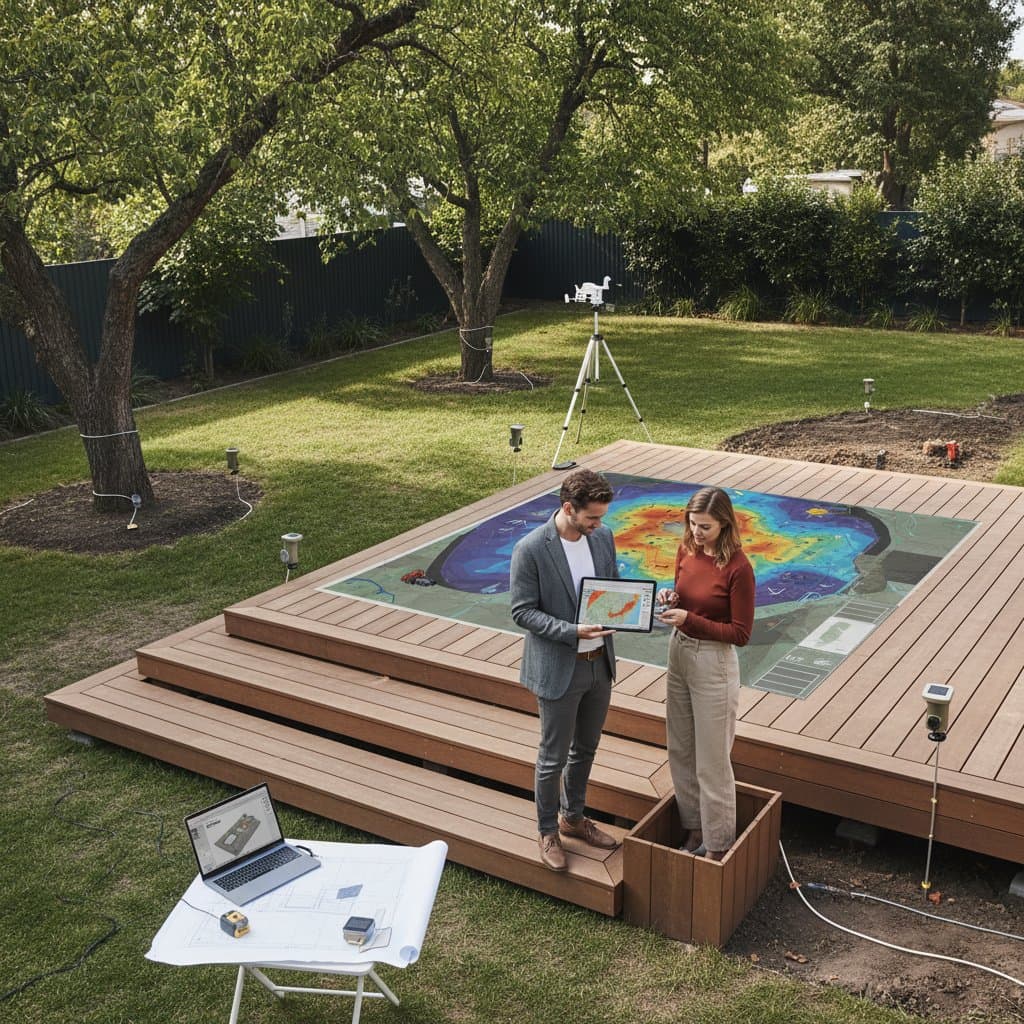
Every yard contains distinct microclimate zones influenced by sunlight, wind, and moisture. These hidden variations determine how comfortable and functional an outdoor space like a deck will be. Before construction begins, mapping these zones ensures the design aligns with natural conditions, leading to lower maintenance and greater enjoyment.

Affordable apps and sensors make this process accessible to homeowners. By collecting precise data, individuals can avoid common pitfalls such as overly shaded or damp areas. This guide outlines the steps to map your yard effectively, interpret the results, and apply insights to deck planning.

Step 1: Select Tools and App

Begin by choosing a reliable microclimate mapping application. Popular options include those integrated with Bluetooth-enabled sensors for temperature, humidity, wind speed, and light intensity. Download the app from your device's store and review its compatibility with available sensors.

Acquire basic sensors if needed; starter kits often cost under fifty dollars and include mounting clips for fences or stakes. Ensure the app supports data visualization through heat maps or overlaid yard diagrams. Test the setup in a controlled indoor spot to familiarize yourself with the interface.

Step 2: Prepare Your Yard

Clear temporary obstacles like movable furniture or garden tools to expose true conditions. Identify key areas such as potential deck sites, noting fixed features like trees, walls, or slopes that affect airflow. Mark these spots with stakes or string for sensor placement.

Schedule mapping during representative weather, such as a clear day across multiple seasons if possible. Note the time of day, as morning fog or afternoon heat can skew initial readings. This preparation sets the foundation for accurate data collection.

Step 3: Place and Collect Data

Position sensors strategically across your yard. Place one in the proposed deck area, another in a shaded corner, and additional units near boundaries to capture variations. Secure them at varying heights: ground level for moisture, mid-height for wind, and elevated for sunlight.

Activate data logging through the app, allowing sensors to record over several hours or days. Walk the yard periodically to verify placements and note qualitative observations, such as breezy spots or warm patches. Sync the data at intervals to build a comprehensive profile.

Step 4: Analyze Patterns

Access the app's map view to examine collected data. Identify zones with consistent comfort metrics, including balanced temperatures between 68 and 82 degrees Fahrenheit, gentle airflow under 10 miles per hour, and moisture levels below 70 percent. Evaluate how these factors evolve from morning to afternoon, accounting for shifting sun positions.

Look for patterns like prolonged shade from structures or persistent dampness near downspouts. Use the app's color-coded overlays to pinpoint ideal locations. Cross-reference with seasonal averages if the app provides historical data for deeper insights.

Step 5: Apply the Findings

Integrate the analysis into your deck design. For instance, relocate the planned structure three to four feet to maximize sunlight exposure in cooler yards. Install overhead elements like pergolas in sun-intensive zones to mitigate afternoon overheating.

Address moisture issues by incorporating drainage solutions, such as French drains or sloped foundations, based on sensor readings. Select materials accordingly: opt for cedar in dry areas or composite decking in humid spots. These targeted adjustments can prolong usable outdoor time by weeks annually, enhancing overall value.

Troubleshooting Common Issues

Inconsistent readings may arise from improper sensor orientation. Ensure units sit level, away from direct sun glare, and unobstructed by vegetation or debris. Perform calibration via the app's settings menu to reset baselines.

Synchronization failures often stem from connectivity problems. Maintain a Bluetooth range under 30 feet during operation and avoid interference from thick walls. For mapping gaps, verify internet access, as some apps require it for full data rendering; manually refresh if connectivity drops.

Low wind measurements indicate ground-level placement errors. Elevate sensors to at least four feet to escape turbulence from grass or soil. Persistent issues warrant reaching out to the app's support for advanced diagnostics, often available through integrated chat features.

Smart Storage Strategies

Leverage microclimate data to optimize storage post-construction. Position cushion storage in low-humidity zones under 60 percent to prevent mold growth. Apply sealants to wooden surfaces during dry periods, ideally in spring or fall, for optimal penetration.

Select storage containers with ventilation features to circulate air in moisture-prone areas. Install an auxiliary sensor beneath the deck to track understructure conditions, alerting to airflow disruptions early. These practices align maintenance with environmental realities, minimizing wear and repair expenses.

Ongoing Maintenance Practices

Sustain monitoring after deck installation to observe material performance over time. Conduct seasonal reviews to detect shifts caused by weathering or landscaping changes.

Follow these maintenance steps:

  1. Wipe sensors clean monthly using a soft, dry cloth to remove dust accumulation.
  2. Swap batteries or recharge devices quarterly to ensure reliable operation.
  3. Relocate units as needed following additions like new plantings or barriers that alter patterns.
  4. Contrast current readings against baseline maps to identify emerging trends promptly.

Address anomalies such as increasing humidity by enhancing ventilation, introducing subtle fans, or trimming obstructing foliage. Proactive tweaks safeguard against degradation, preserving the deck's integrity for years.

Implement Your Plan

Understanding your yard's microclimate forms the cornerstone of a resilient deck. With the tools outlined, you possess the means to measure, analyze, and adapt effectively.

Initiate progress today by installing a mapping app and surveying your space for sensory cues like warmth gradients or draft paths. Dedicate weekly efforts to refining your approach: deploy sensors incrementally, draft layouts digitally, and simulate placements.

Superior decks emerge from informed choices, not mere aesthetics. Apply this knowledge to craft an outdoor haven tailored to your environment.

You Might Also Like

Solar Drip Systems Keep Deck Gardens Watered Automatically

Glass Deck Floors That Skylight the Space Below

Mycelium Boards Replace Wood in Sustainable Decking

Cut Deck Noise with Acoustic Privacy Screens

Deck Benches That Turn Scraps Into Garden Soil

Tagged:

design,garden,planning,deck,sensors,smart,apps,microclimate,microclimate-sensors,deck-design-apps

Recent by Anne Marion

Image for Solar Drip Systems Keep Deck Gardens Watered Automatically

Solar Drip Systems Keep Deck Gardens Watered Automatically

Feb 2, 2026
Image for Watering 50+ Pots From a Single Faucet

Watering 50+ Pots From a Single Faucet

Feb 2, 2026
Image for Simple Drip Systems That Water While You Work

Simple Drip Systems That Water While You Work

Jan 31, 2026
Image for How Urban Gardens Cut City Noise by 70%

How Urban Gardens Cut City Noise by 70%

Jan 31, 2026
Image for Micro-Pergola Pods Bring Patio Comfort to Tiny Balconies

Micro-Pergola Pods Bring Patio Comfort to Tiny Balconies

Jan 29, 2026

design

Image for Map Your Deck's Hot Spots Before You Zone

Map Your Deck's Hot Spots Before You Zone

Jan 19, 2026
Image for Shape Your Balcony Weather for Year-Round Comfort

Shape Your Balcony Weather for Year-Round Comfort

Jan 16, 2026
Image for Solar Pergolas Generate Power While Shading Your Deck

Deck Construction & Remodeling

Solar Drip Systems Keep Deck Gardens Watered Automatically

Elevate your deck gardening with solar-powered drip irrigation for precise, hands-free watering. This guide covers final setup steps, safety measures, common fixes, cost breakdowns, and year-round care to foster healthy plants with minimal intervention.

Feb 2, 2026

Solar Pavers Convert Steps and Sunlight Into Power

Elevate your outdoor paths with solar pavers that generate electricity from sunlight and movement. This comprehensive resource outlines functionality, step-by-step setup, budgeting, troubleshooting, and ways to apply the power for lighting or devices—all while promoting green living.

Feb 2, 2026

Glass Deck Floors That Skylight the Space Below

Elevate your deck design with glass floor panels that function as skylights, flooding lower areas with natural light while delivering a sleek, contemporary look. This resource provides in-depth coverage of benefits, essential materials, step-by-step installation, safety protocols, maintenance routines, and guidance on when to hire experts—all to optimize your outdoor environment for light, style, and longevity.

Categories

Deck Construction & Remodeling(158)
Balcony Design(146)
Small-Space Gardens(63)
Rooftop Decks(50)
Backyard Design(18)

Solar Pergolas Generate Power While Shading Your Deck

Jan 15, 2026
Image for Shaping Your Balcony's Mini Weather System

Shaping Your Balcony's Mini Weather System

Jan 14, 2026
Image for Wind Railings Turn City Gusts Into Deck Power

Wind Railings Turn City Gusts Into Deck Power

Jan 11, 2026
Feb 2, 2026

Mycelium Boards Replace Wood in Sustainable Decking

Mycelium decking redefines sustainable outdoor design with boards cultivated from fungal roots and agricultural waste. These lightweight, compostable planks match wood's strength while minimizing environmental impact. This guide covers planning, installation, and care for a resilient, green yard addition.

Feb 1, 2026

Cut Deck Noise with Acoustic Privacy Screens

Turn urban deck noise into peaceful quiet with acoustic privacy screens. Explore sound-blocking options, step-by-step installation, upkeep advice, and cost-effective choices for a more enjoyable outdoor space throughout the year.

Feb 1, 2026

Deck Benches That Turn Scraps Into Garden Soil

Convert your deck into an eco-friendly oasis with a composting bench that serves as both comfortable seating and efficient soil producer. This comprehensive guide details construction steps, material needs, troubleshooting, and seasonal care to minimize waste and maximize garden yields.

Jan 31, 2026

Permeable Pavers Stop Flooding and Raise Property Value

Permeable pavers convert waterlogged areas into resilient, environmentally friendly surfaces. Water infiltrates through paver joints and stone bases, minimizing runoff, safeguarding structures, and elevating aesthetic appeal. This comprehensive guide details installation processes, upkeep routines, and financial considerations to demonstrate how these pavers promote sustainability, property enhancement, and enduring outdoor usability.

Jan 29, 2026

Turn Your Deck into a Clean Energy Generator

Elevate your deck into a sustainable solar energy source with integrated pavers that merge aesthetics and efficiency. This guide covers sunlight evaluation, circuit planning, durable tile installation, performance upkeep, expense details, safety protocols, and professional consultation needs to create a self-powered outdoor retreat.

Jan 29, 2026

Solar Pavers Turn Sunlight Into Outdoor Power

Elevate your outdoor areas with solar pavers, robust tiles that capture sunlight to generate power for lighting, charging stations, and appliances. This guide covers their functionality, required materials, and detailed installation instructions to build an efficient, wire-free environment that blends practicality with aesthetic appeal.

Jan 28, 2026

Mycelium Decks Replace Wood With Living Fungi Material

Mycelium, the intricate root system of fungi, emerges as a groundbreaking material for decking. This renewable and biodegradable option provides the durability of wood with a fraction of the environmental impact. Readers will gain insights into installation, maintenance, and benefits to create an outdoor haven that aligns with sustainable living principles.

Jan 27, 2026

Deck Pods Turn Open Decks into Year-Round Rooms

Convert your deck into a protected, inviting extension of your home using modular deck pods. This comprehensive guide covers planning, assembly, and upkeep for these adaptable structures, including required tools, safety protocols, and enhancements to achieve a durable, stylish outdoor space that provides year-round utility.

Jan 26, 2026

Solar Shade Sails Generate Power While Cooling Your Deck

Elevate your deck with solar shade sails that offer respite from the sun while harnessing solar power for everyday use. These versatile structures blend comfort with eco-friendly energy generation. Explore practical steps for installation, upkeep, and optimization to create an inviting, self-sustaining outdoor haven.

Jan 26, 2026

Cool Your Deck 15° with Solar Shade Sails

Counter summer deck heat with solar shade sails capable of reducing temperatures by up to 15 degrees. These tensioned fabric panels effectively block UV rays, improve airflow, and install in just one day. Gain insights into required tools, essential safety measures, and maintenance strategies for extended outdoor enjoyment.

Jan 25, 2026

Why Permeable Decks Stay 20 Degrees Cooler

Permeable decks address intense summer heat by facilitating airflow and water passage, which dissipates trapped warmth and maintains surfaces up to 20 degrees cooler. Incorporating light-colored materials, strategic gaps, and evaporative cooling, these decks foster inviting, sustainable outdoor areas that require low maintenance and provide enduring relief from hot surfaces.

Jan 25, 2026

Solar Pergolas Cut City Heat While Powering Your Deck

Elevate your compact urban deck with a solar pergola that delivers shade, produces renewable energy, and enhances sustainability. This comprehensive guide includes planning strategies, material choices, step-by-step installation, safety protocols, and upkeep tips to achieve a cooler, cost-effective outdoor area while increasing home value on a practical budget.

Jan 24, 2026

Fungal Fibers That Replace Wood Decks and Compost Clean

Mycelium decks redefine urban outdoor spaces through sustainable, compostable panels derived from fungal networks. These lightweight, durable alternatives to wood or plastic utilize agricultural waste. Follow this guide to cultivate, process, install, and maintain them for environmentally conscious urban design.

Jan 24, 2026

Misting Systems Drop Deck Temps 20° Fast

Misting systems transform hot decks into inviting spaces by reducing temperatures up to 20 degrees. This guide details planning, installation, maintenance, and optimization strategies for safe, effective cooling throughout the season.

Jan 22, 2026

UV Shade Sails Drop Deck Temps 20 Degrees

Combat summer heat and safeguard your deck using UV shade sails. This comprehensive guide details selection, installation, and upkeep strategies that reduce surface temperatures, avert color fading, and prolong deck longevity. Explore required tools, safety measures, common issues, and professional insights to create a fashionable, protected outdoor haven.

Jan 22, 2026

Shade Sails That Follow the Sun All Day Long

Automatic sun-tracking shade sails adjust their position to follow the sun, providing consistent shade and comfort on decks and patios. This comprehensive guide explains the technology, step-by-step installation, essential safety measures, ongoing maintenance, associated costs, and strategies to maximize durability and efficiency in your outdoor environment.

Jan 21, 2026

AI Cameras That Water Plants and Deter Deck Pests

Elevate your urban deck into an automated oasis with AI cameras that identify pests, optimize irrigation, and reduce upkeep. These intelligent systems leverage computer vision to safeguard plants, promote efficient water use, and deliver seamless outdoor enjoyment via straightforward installation and reliable performance.

Jan 21, 2026