Loading...

Article Not Found | Urban Outdoors - Small-Space Gardens, Rooftop Decks, Balconies, Decks, Backyard Design
Skip to main content
Urban Outdoors
Search
Home
  1. Home
  2. /
  3. Small-Space Gardens
  4. /
  5. Moss Walls Need No Water, Light, or Daily Care
Small-Space Gardens

Moss Walls Need No Water, Light, or Daily Care

bySheila Spaulding
2025-11-11 05:08:28November 11, 2025
5 min read
Featured image for Moss Walls Need No Water, Light, or Daily Care

Categories

Navigation

  • Home
  • All Articles
  • About Us
  • Privacy Policy
  • Terms of Service

© 2026 Urban Outdoors. Crafted for bold city dwellers.

2025-11-12 03:24:47
Urban Outdoors - Small-Space Gardens, Rooftop Decks, Balconies, Decks, Backyard Design

Moss Walls: The Low-Maintenance Alternative to Living Walls

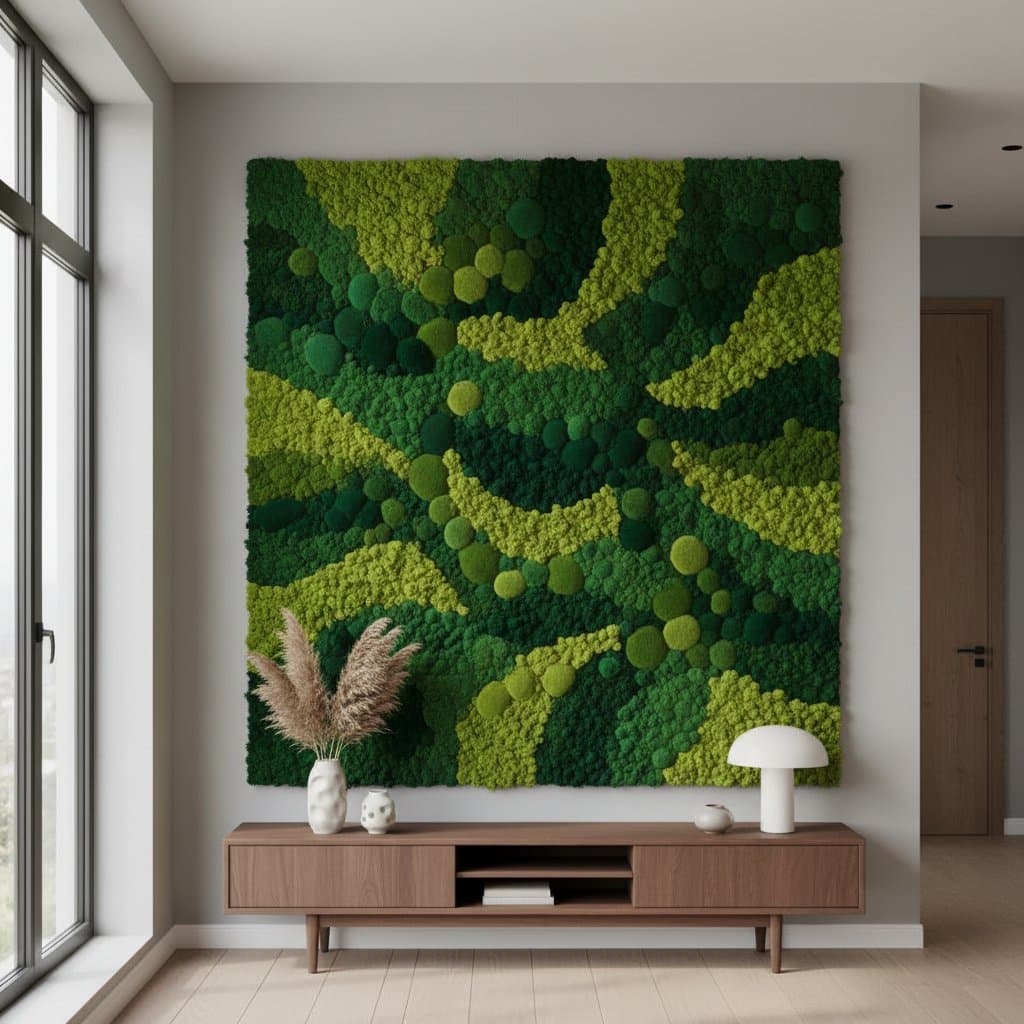
Interior spaces often lack vitality, yet the prospect of additional plant care deters many. Preserved moss walls introduce authentic greenery devoid of routine attention. These installations retain their plush, verdant appearance without soil, sunlight, or watering mechanisms, delivering the serene ambiance of living walls at a fraction of the ongoing effort and expense.

This guide delineates the nature of moss walls, elucidates their enduring quality absent maintenance, outlines installation and care protocols, and identifies scenarios where they surpass live plant walls in practicality.

Defining Moss Walls and Living Walls

A moss wall consists of preserved moss affixed to a supportive backing or frame, forming decorative panels. The moss, derived from natural sources, undergoes treatment with a glycerin-based solution that supplants its inherent moisture. This preservation technique secures the moss's hue and suppleness, rendering it lifelike in appearance while preventing growth or deterioration.

In contrast, a living wall constitutes a vertical garden incorporating soil, irrigation conduits, viable plants, and supplemental lighting. Such systems demand consistent watering, pruning, fertilization, and pest management. Although living walls enhance air purification, they elevate ambient humidity levels and necessitate electrical and plumbing integrations.

Moss walls replicate the aesthetic allure of living walls while eliminating nearly all maintenance obligations. They suit constrained environments like apartments, corporate offices, and shaded indoor niches unsuitable for root systems.

Essential Tools and Materials

Procure either prefabricated panels or assemble custom ones. For a fundamental setup, assemble the following:

  • Preserved moss panels or bulk preserved moss, allocating approximately one square foot per segment
  • Plywood or foam core board, trimmed to dimensions
  • Indoor-grade construction adhesive
  • Wall anchors and screws for secure mounting
  • Utility knife paired with a straightedge
  • Tape measure and marking pencil
  • Protective gloves for adhesive application

Consider supplementary elements such as a wooden frame, integrated LED illumination, or acoustic underlayment to enhance sound dampening properties.

Installation Process

Selecting an Optimal Location

Identify a moisture-free wall distant from direct sunlight and HVAC vents. Excessive thermal exposure or drafts may accelerate color degradation. Hallways, foyers, or office partitions prove ideal candidates.

Measuring and Designing the Layout

Outline the target area using faint pencil markings. Provision at least two inches of perimeter margin if framing is anticipated. For expansive surfaces, segment the design into manageable 2-by-3-foot modules to facilitate handling.

Preparing the Substrate

Resize the backing board to align with the demarcated zone. Eliminate surface debris with a soft cloth. Distribute a uniform layer of adhesive via a notched trowel, processing in discrete areas to preserve adhesive tackiness.

Attaching the Moss

Firmly press moss clusters or panels onto the adhesive bed. Compact voids densely to conceal the substrate entirely. Diversify textures by incorporating reindeer, sheet, and cushion moss varieties. Restrict layering to under one inch in depth to preclude drooping.

Securing the Assembly

Upon adhesive curing, affix the completed panel to the wall employing anchors or screws embedded in studs. For oversized configurations, align multiple panels adjacently. Incorporate minor interstices to accommodate humidity fluctuations.

Framing and Final Touches

Incorporate understated wood or metal edging for refined boundaries. Delicately brush the moss surface with a dry microfiber cloth to dislodge particulates. Assess alignment and density from a distance to confirm uniformity.

Safety Considerations

  • Don protective gloves during adhesive handling to safeguard skin.
  • Position installations remote from electrical outlets or devices, as moisture may compromise adhesive integrity.
  • Refrain from applying water or chemical cleaners to preserved moss, which risks rendering it friable.
  • Site moss walls clear of ignition sources or heating elements, given the organic composition's susceptibility to charring.

Common Issues and Resolutions

Color attenuation or textural flattening typically stems from undue illumination or circulation. Relocate the panel from proximal vents or glazing. Restore minor defects by adhering replacement preserved moss segments.

Accumulated dust on the surface warrants gentle removal via a soft-bristle brush or low-velocity cool air from a hairdryer. Abstain from aqueous or vapor-based methods.

Should the substrate detach, reinforce with supplementary anchors or extended fasteners. Oversized panels benefit from three to four evenly distributed supports.

Cost Analysis and Timeline

A compact 3-by-3-foot installation ranges from one hundred to two hundred dollars, contingent on moss selection and framing choices. Expansive projects may escalate to five hundred dollars or beyond. The task demands minimal labor, with a solo installer completing it in one to two hours.

Comparable living walls incur three to five times the expenditure, factoring in irrigation apparatus and illumination fixtures. Preserved moss endures three to five years sans intervention, with refurbishment proving straightforward and economical relative to live plant substitutions or system overhauls.

Upkeep Protocols

The paramount directive involves minimal interference: abstain from hydration, clipping, or nutrient applications. Maintain surrounding cleanliness and aridity.

Conduct periodic inspections every few months for particulate buildup or dislodged portions. Subtle chromatic shifts may respond to a fine glycerin mist, although this intervention remains rare.

Employ a soft vacuum peripheral to the frame, eschewing direct moss contact. In professional settings, institute semiannual evaluations to preempt illumination-induced fading.

Storage Guidelines

Should relocation or storage become necessary:

  1. Disengage the panel from fixtures by lifting, avoiding tensile pulls.
  2. Encase in permeable textile or archival paper, excluding impermeable wraps.
  3. Position in a temperate, arid environment shielded from light.
  4. Upon reinstatement, utilize renewed anchors for stability.

Properly preserved, the moss sustains its pigmentation for multiple years.

Professional Assistance Indicators

Engage specialists for installations exceeding eight feet in height or involving integrated lighting. Experts furnish insights on tonal harmonization and sonic insulation for commercial venues like offices or eateries. Solicit moss samples from vendors to evaluate variances in shade and compactness prior to procurement.

Advancing Your Interior Greenery

Commence by assessing your space's dimensions and lighting conditions to determine moss wall feasibility. Source quality preserved moss from reputable suppliers emphasizing natural preservation techniques. Experiment with small-scale prototypes to refine your aesthetic vision, ensuring a seamless blend with existing decor. This approach yields enduring, hassle-free enhancements that invigorate environments without the burdens of traditional horticulture.

You Might Also Like

Micro-Clover Borders Cut Deck Upkeep in Half

Plants That Absorb City Noise on Small Balconies

Living-Roof Pergolas: Cool Shade That Grows

Moss Decks Replace Grass in Tight Urban Yards

Rooftop Gardens That Cut City Noise by 7 Decibels

Tagged:

maintenance,walls,moss,free,moss-walls,greenery,preserved,preserved-moss,maintenance-free-greenery

Recent by Sheila Spaulding

Image for Turn Your Balcony into a Pollinator Refuge

Turn Your Balcony into a Pollinator Refuge

Mar 19, 2026
Image for Shape Deck Zones to Stay Comfortable All Year

Shape Deck Zones to Stay Comfortable All Year

Mar 18, 2026
Image for Micro-Drip Systems Cut Balcony Watering by 70 Percent

Micro-Drip Systems Cut Balcony Watering by 70 Percent

Mar 17, 2026
Image for Native Plants Turn Balconies into Bee Havens

Native Plants Turn Balconies into Bee Havens

Mar 16, 2026

maintenance

Image for Micro-Clover Borders Cut Deck Upkeep in Half

Micro-Clover Borders Cut Deck Upkeep in Half

Mar 10, 2026
Image for Moss Decks Replace Grass in Tight Urban Yards

Moss Decks Replace Grass in Tight Urban Yards

Feb 19, 2026
Image for Why Gravel Gardens Mean Zero-Maintenance Balconies

Small-Space Gardens

Garden Walls That Block 70% City Noise in Small Spaces

Convert a bustling urban balcony or patio into a tranquil haven using a garden wall that diminishes up to 70 percent of city noise. This guide covers selecting optimal materials, installing sound-absorbing panels, incorporating plants, and performing upkeep to achieve enduring noise mitigation, seclusion, and aesthetic appeal in just one weekend.

Mar 21, 2026

Turn Your Balcony into a Pollinator Refuge

Elevate your balcony into a flourishing pollinator retreat featuring native flowers, basic equipment, and thoughtful maintenance. This guide demonstrates how modest planters can support bees and butterflies, boost city biodiversity, and add vivid hues to apartment living with limited space, expense, and mere minutes of daily attention.

Mar 19, 2026

Native Plants Turn Balconies into Bee Havens

Elevate your balcony into a vibrant pollinator sanctuary by incorporating native plants that support bees year-round. This guide covers plant selection for diverse blooms, optimal setup in containers, essential care routines, and strategies to ensure safety and longevity in compact urban spaces.

Categories

Deck Construction & Remodeling(224)
Balcony Design(192)
Small-Space Gardens(82)
Rooftop Decks(81)
Backyard Design(21)

Why Gravel Gardens Mean Zero-Maintenance Balconies

Jan 23, 2026
Image for Why Moss Roofs Rule Low-Water Urban Decks

Why Moss Roofs Rule Low-Water Urban Decks

Jan 19, 2026
Image for Moss Rooftops Need No Mowing or Deep Soil

Moss Rooftops Need No Mowing or Deep Soil

Dec 31, 2025
Mar 16, 2026

AI Sensors Cut Water Waste and End Plant Guesswork

Elevate your balcony or windowsill garden using AI sensors that track soil, light, and nutrients instantly. Discover automation techniques to cut water use, avoid plant distress, and streamline maintenance for precise, rewarding results in urban settings.

Mar 12, 2026

Balcony Gardens That Feed City Bees in 5 Containers

Turn a compact balcony into a vital habitat for pollinators using simple containers and native flora. This practical guide details plant selections, setup tips, and maintenance routines that draw bees, support ecosystems, and elevate city greenery.

Mar 12, 2026

AI Cuts Balcony Watering Work by Half

Transform your urban balcony into a vibrant garden using AI-powered watering technology. Intelligent sensors and mobile applications eliminate uncertainty in plant hydration, conserve resources, and maintain lush growth. Discover setup methods, personalization options, and upkeep strategies that require no advanced horticultural skills, only innovative tools.

Mar 8, 2026

Using Plants to Block Noise in Tiny City Gardens

Turn a bustling urban garden into a tranquil haven by leveraging plants to dampen noise. Dense shrubs, varied greenery layers, and textured plants work together to absorb and redirect sound waves. Gain insights into optimal plant selections, arrangement techniques, and upkeep advice for a vibrant, noise-mitigating retreat.

Mar 6, 2026

Plants That Absorb City Noise on Small Balconies

Turn a bustling city balcony into a tranquil haven using sound-absorbing plants. This guide covers optimal choices like bamboo, ferns, vines, and evergreens, plus arrangement strategies, container tips, and upkeep advice to enhance quiet and aesthetics in limited spaces.

Mar 3, 2026

Turn 100 Square Feet Into a Thriving Urban Meadow

Revitalize neglected urban corners into serene, pollinator-friendly meadows within 100 square feet. Explore practical steps for site assessment, selecting native plants, installation, and ongoing care to foster biodiversity and tranquility in city environments.

Feb 27, 2026

Balcony Fish Tanks Feed Plants While Cleaning Water

Convert your balcony into a compact, self-sustaining garden using aquaponics. Fish provide nutrients for plants, which in turn cleanse the water, enabling continuous harvests of lettuce and herbs. Explore setup, maintenance, and tips for efficient urban food production that reduces costs and environmental impact.

Feb 27, 2026

Silent Drip Tape Solves Deck Container Watering

Convert a compact deck into a vibrant garden using silent drip tape. This low-pressure system delivers precise hydration to container plants without generating noise or wasting resources. Follow steps to plan, install, and maintain the setup for reliable moisture, reduced maintenance, and an enhanced urban outdoor space.

Feb 22, 2026

Fish Waste Feeds Plants in 4x6 Feet of Space

Convert your balcony into a self-sustaining food system with aquaponics, where fish and plants support each other in a closed-loop setup. This guide details how to design, assemble, and maintain a compact system in a 4x6-foot space, yielding fresh greens and nutritious fish while conserving water and eliminating synthetic fertilizers.

Feb 16, 2026

Dwarf Fruit Trees Turn Balconies into Productive Orchards

Transform your balcony into a productive micro-orchard with dwarf fruit trees designed for containers. These compact varieties deliver full-sized flavor from citrus, figs, apples, peaches, and cherries. Follow expert guidance on selection, setup, and maintenance to harvest fresh fruit, add seasonal beauty, and create a serene urban retreat.

Feb 16, 2026

Build Living Walls That Block Urban Noise

Urban noise can disrupt outdoor enjoyment, but a well-designed living wall offers an effective solution. This guide details how to construct an acoustic plant barrier that reduces sound, boosts greenery, and improves air quality in compact yards. Follow these practical steps to install a sustainable feature that requires minimal ongoing effort.

Feb 15, 2026

AI Drip Systems End Uneven Deck Garden Watering

Elevate your deck garden with AI-powered drip irrigation that maintains ideal soil moisture through sensors, intelligent controls, and adaptive algorithms. This guide covers planning, setup, and optimization for a hassle-free, eco-friendly watering solution tailored to urban outdoor spaces.

Feb 14, 2026

Dwarf Fruit Trees Bring Fresh Harvest to Your Balcony

Transform your balcony into a productive mini orchard using dwarf fruit trees. Select suitable varieties, containers, and soil mixtures, and follow guidance on pruning, watering, and seasonal maintenance. Harvest pesticide-free fruit, gain lush greenery, and create a serene urban oasis.

Feb 12, 2026

Pergolas That Fit Balconies Under Six Feet Wide

Turn a narrow balcony into a private outdoor haven with a compact pergola under six feet wide. This guide covers planning essentials, step-by-step construction, material choices, safety measures, budget considerations, and maintenance strategies to create a functional shaded retreat in urban environments.

Feb 11, 2026

AI Sensors Text Care Reminders to Your Balcony Plants

Struggling to keep balcony plants healthy in the city? AI-powered sensors eliminate guesswork by monitoring key conditions like soil moisture, light exposure, and humidity. These devices send direct text reminders to your phone, guiding you toward optimal care and vibrant growth year-round.

Feb 9, 2026

AI Plant Walls Cut Daily Watering to 10 Minutes a Week

Convert urban walls into thriving, self-sustaining gardens using AI plant walls. These innovative systems manage irrigation, lighting, and nutrients automatically, delivering lush foliage with minimal effort while boosting indoor air purity and aesthetic appeal.

Feb 7, 2026

Watering 50+ Pots From a Single Faucet

Convert your balcony's potted plants into a low-maintenance green haven using a micro-drip irrigation system. This practical guide details automatic watering for more than 50 pots, eliminating daily tasks while ensuring optimal hydration. Explore essential tools, installation from testing to timing, plus solutions for common issues and upkeep strategies for sustained success.

Feb 2, 2026