Loading...

Explore Compostable Mycelium Decking Options | urbanoutdoorsnyc.com | Urban Outdoors - Small-Space Gardens, Rooftop Decks, Balconies, Decks, Backyard Design
Skip to main content
Urban Outdoors
Search
Home
  1. Home
  2. /
  3. Deck Construction & Remodeling
  4. /
  5. Mycelium Decking: The Compostable Alternative to Wood
Deck Construction & Remodeling

Mycelium Decking: The Compostable Alternative to Wood

byDawn Hayden
2026-02-06 04:33:22February 6, 2026
6 min read
Featured image for Mycelium Decking: The Compostable Alternative to Wood

Categories

Navigation

  • Home
  • All Articles
  • About Us
  • Privacy Policy
  • Terms of Service

© 2026 Urban Outdoors. Crafted for bold city dwellers.

2026-02-08 04:03:12
Urban Outdoors - Small-Space Gardens, Rooftop Decks, Balconies, Decks, Backyard Design

Understanding Mycelium Decking

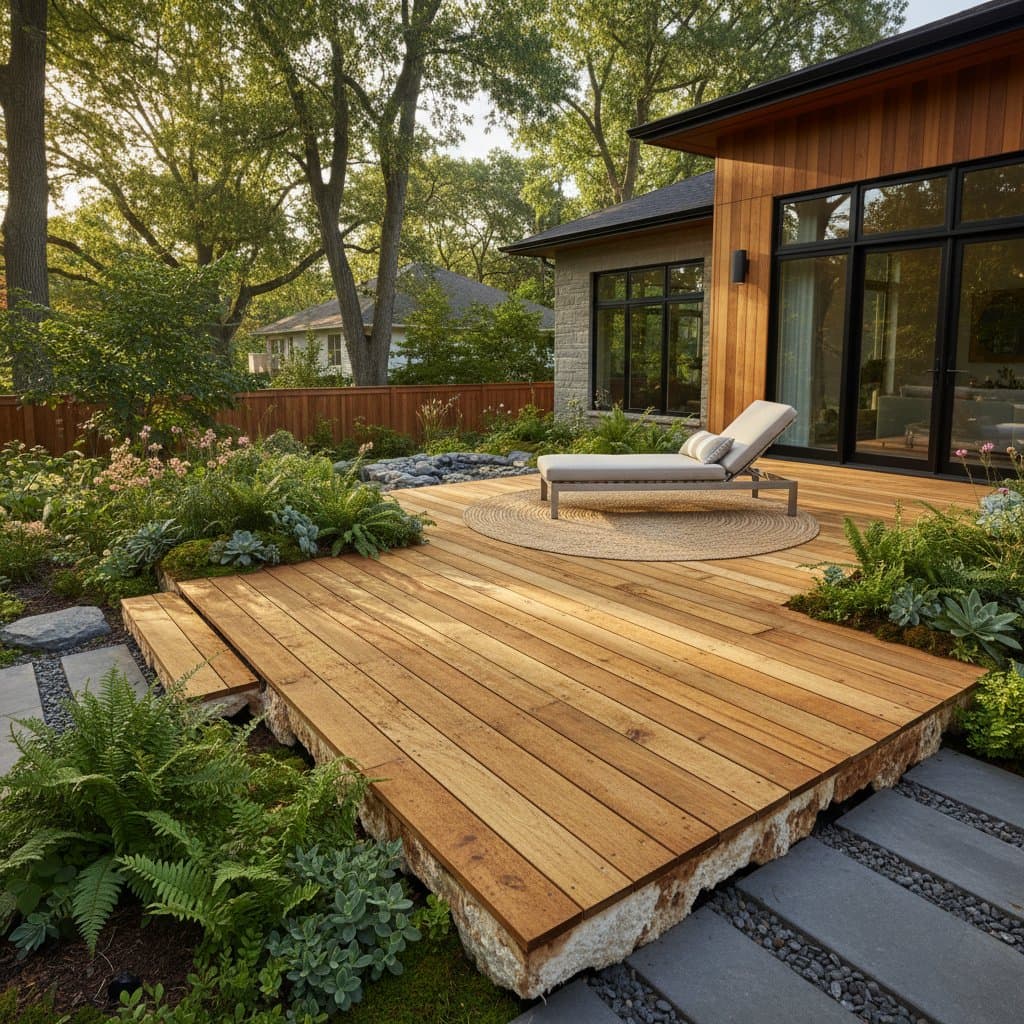
Mycelium decking utilizes the root-like structure of fungi to create strong, natural boards. Growers cultivate mycelium on agricultural waste, such as sawdust or hemp fibers, allowing the fungus to bind materials into durable sheets. Once formed, the boards undergo a heat treatment to halt growth, resulting in a product that mimics wood's texture and strength without harvesting trees.

This material stands out for its compostability. At the end of its life, mycelium decking breaks down in soil within months, returning nutrients to the earth. Unlike treated wood or composite plastics, it avoids chemicals and microplastics, making it ideal for environmentally conscious homeowners.

Homeowners choose mycelium decking for its warmth and versatility. The boards accept stains and finishes similar to wood, enabling custom designs for patios, balconies, or garden paths. With proper care, these decks last 10 to 15 years, offering a balance of performance and planetary benefit.

Key Benefits Over Traditional Options

Mycelium decking reduces deforestation pressures associated with wood harvesting. Production requires minimal energy and water compared to plastic composites, which rely on petroleum. The result is a lower carbon footprint throughout the lifecycle.

Durability meets sustainability in this material. Mycelium resists moisture and insects naturally, though it performs best with protective sealants. In outdoor settings, it withstands foot traffic and weather variations, providing a stable surface for relaxation or entertaining.

From an aesthetic perspective, the organic grain patterns add character to landscapes. Pair it with native plants or recycled furniture for a cohesive, green design. This approach not only elevates your space but also aligns with broader goals of regenerative living.

Planning Your Project

Begin by evaluating your outdoor area. Measure the intended deck size, considering factors like sun exposure and slope. A level site prevents water pooling, which could accelerate wear on organic materials.

Select board thickness based on use. For high-traffic areas, opt for 1-inch boards; lighter-duty paths suit 5/8-inch options. Check local building codes for permits, especially if elevating the deck.

Source materials from reputable suppliers who verify fungal purity and non-toxic binders. Certified products ensure safety and performance. Factor in accessories like hidden fasteners for a clean look and easier upkeep.

Budget Considerations

Mycelium decking boards typically cost between 8 and 12 dollars per square foot. Prices fluctuate based on supplier, board dimensions, and any pre-applied finishes. For a 150-square-foot deck, expect material expenses under 1,800 dollars.

Additional costs include gravel base materials, around 200 dollars, and sealants at 50 dollars per gallon. Tools like saws and drills add minimal expense if already owned. Overall, a basic project remains accessible for DIY enthusiasts.

Compared to alternatives, mycelium offers long-term savings. Wood decks demand periodic chemical treatments, while plastics require energy-intensive recycling. The compostable nature eliminates disposal fees, potentially offsetting initial investments within five years.

Installation Basics

Prepare a stable foundation to support the deck's weight. Lay a 4-inch gravel base over compacted soil, topped with landscape fabric to deter weeds. This setup promotes drainage and protects the boards from direct ground contact.

Cut boards with a fine-tooth saw to minimize fraying. Secure them using corrosion-resistant screws spaced 12 inches apart along joists. Maintain 1/8-inch gaps between boards for expansion and airflow.

Apply a plant-based sealant immediately after assembly. This coat enhances water resistance and UV protection. Allow 24 hours of drying before use, ensuring the surface hardens fully.

Safety Guidelines

Install mycelium decks on a gravel or concrete base, never directly on soil. This prevents moisture wicking and structural weakening over time.

Clean surfaces with low-pressure rinsing, under 500 PSI, to preserve the natural fibers. Harsh methods can erode the protective layer.

Position grills or open flames away from edges or use heat-resistant shields. Mycelium withstands moderate temperatures but benefits from precautions against direct heat.

Troubleshooting Common Issues

After heavy rain, softened boards often firm up with sunlight exposure. Position the deck in a sunny spot and allow at least 24 hours for natural drying.

Address cracks or chips by mixing mycelium dust with plant-based resin into a paste. Apply it to the damaged area, let it cure for 12 hours, then sand smooth for seamless repair.

Mold growth requires prompt attention. Clean affected spots with a solution of one part vinegar to four parts water, followed by thorough drying. Reapply sealant to restore the barrier.

Ongoing Maintenance

Conduct inspections once per season, similar to wood decks. Remove accumulated leaves and debris with a soft broom to maintain appearance and prevent staining.

Examine fasteners for signs of rust and tighten any that loosen. Replace corroded screws promptly to avoid board shifts.

Reapply sealant to high-traffic areas every two years or upon noticing color fade. Use breathable, eco-friendly formulas that allow moisture escape.

Store unused boards in a dry, ventilated shed. Stack them flat with spacers to promote air circulation, keeping the material stable and ready for future projects.

Professional Assistance

Engage a contractor for decks elevated more than 24 inches or connected to buildings. Professionals handle structural supports, proper flashing, and drainage systems to comply with safety standards.

Inquire about their familiarity with biodegradable materials. Request details on moisture barriers and sealing techniques, which can prolong the deck's lifespan by years.

A skilled installer assesses site-specific challenges, such as soil type or wind exposure, ensuring a secure and lasting result.

Seasonal Care Tips

During wet seasons, verify drainage channels remain clear of debris. This prevents standing water that could soften the boards.

In arid periods, apply a light mist to joints every few weeks. This hydration minimizes cracking from extreme dryness.

For coastal installations, rinse surfaces monthly to eliminate salt buildup. Salt residues can etch the finish, so regular cleaning preserves the natural luster.

Steps to Get Started

Transitioning to mycelium decking enhances both your outdoor environment and ecological impact. The solid feel underfoot and fresh ambiance create a space integrated with nature.

Follow these steps:

  1. Locate a supplier offering certified mycelium boards through online directories or local eco-stores.

  2. Draft a layout sketch and calculate square footage accurately to order the right quantity.

  3. Schedule installation during dry weather and enlist help for efficient progress.

Mycelium decking demonstrates how practical choices foster sustainable beauty. Each installation contributes to a narrative of thoughtful stewardship for your home and surroundings.

You Might Also Like

Cool Decks Stay 20 Degrees Cooler in Summer Heat

Micro-Misting Drops Deck Temperature 15 Degrees

Mycelium Decks Break Down Instead of Piling Up

Creating Deck Zones That Work in Every Season

Glass Domes Keep Your Deck Open All Year

Tagged:

materials,deck,mycelium,decking,composite,biodegradable,mycelium-decking,boards,fungus,biodegradable-deck-materials

Recent by Dawn Hayden

Image for Garden Walls That Block 70% City Noise in Small Spaces

Garden Walls That Block 70% City Noise in Small Spaces

Mar 21, 2026
Image for Smart Shade Sails Cut Rooftop Heat by 30 Degrees

Smart Shade Sails Cut Rooftop Heat by 30 Degrees

Mar 20, 2026
Image for Rooftop Decks Stay 40% Cooler with Shade Sails

Rooftop Decks Stay 40% Cooler with Shade Sails

Mar 17, 2026
Image for Turn Your Rooftop Into a Native Pollinator Meadow

Turn Your Rooftop Into a Native Pollinator Meadow

Mar 16, 2026
Image for Micro-Misting Drops Deck Temperature 15 Degrees

Micro-Misting Drops Deck Temperature 15 Degrees

Mar 16, 2026

materials

Image for Cool Decks Stay 20 Degrees Cooler in Summer Heat

Cool Decks Stay 20 Degrees Cooler in Summer Heat

Mar 16, 2026
Image for Mycelium Decks Break Down Instead of Piling Up

Mycelium Decks Break Down Instead of Piling Up

Mar 15, 2026
Image for Mycelium Panels Turn Balconies Into Quiet Retreats

Deck Construction & Remodeling

Living Pergolas Cool Decks Through Natural Shade

Transform your deck into a shaded, verdant escape using a living pergola. This comprehensive guide details material selection, structural assembly, irrigation setup, and vine choices that flourish. Explore techniques to enhance shade, optimize airflow, and cultivate a sustainable oasis that enhances comfort and beauty with each passing season.

Mar 18, 2026

Shape Deck Zones to Stay Comfortable All Year

Elevate your deck into a versatile outdoor haven by implementing microclimate zones. This approach involves assessing light patterns, wind flow, and thermal areas, then applying targeted elements like portable heaters, shade structures, and strategic plantings to ensure comfort across all seasons.

Mar 18, 2026

Cool Decks Stay 20 Degrees Cooler in Summer Heat

Turn urban decks from hot hazards into cool havens with heat-reflective materials. This guide covers composites, thermally modified woods, and strategies to maintain surfaces up to 20 degrees cooler, plus practical advice on design, budget, and care for year-round enjoyment.

Categories

Deck Construction & Remodeling(223)
Balcony Design(191)
Rooftop Decks(81)
Small-Space Gardens(81)
Backyard Design(21)

Mycelium Panels Turn Balconies Into Quiet Retreats

Mar 14, 2026
Image for Mycelium Decks Grow Strength from Fungal Roots

Mycelium Decks Grow Strength from Fungal Roots

Mar 11, 2026
Image for Why Cork Decks Are the Soft Eco-Choice for 2026

Why Cork Decks Are the Soft Eco-Choice for 2026

Feb 26, 2026
Mar 16, 2026

Micro-Misting Drops Deck Temperature 15 Degrees

Combat summer heat by installing a micro-misting system that reduces deck temperatures up to 15°F. This guide covers the cooling process, energy-efficient benefits, and adaptable designs for various outdoor areas. Find detailed installation instructions, troubleshooting advice, and seasonal maintenance to sustain a refreshing backyard environment.

Mar 16, 2026

Mycelium Decks Break Down Instead of Piling Up

Mycelium decks revolutionize urban outdoor areas with panels grown from fungal networks and agricultural byproducts. These lightweight, water-resistant, and fully biodegradable options provide a green alternative to traditional plastic composites. This guide covers installation, upkeep, budgeting, and strategies to maximize their lifespan while minimizing environmental impact.

Mar 15, 2026

Creating Deck Zones That Work in Every Season

Elevate your deck into a seasonal haven by developing microclimates that provide tailored comfort throughout the year. Explore strategies for zoning, shading, heating, and organizing with durable materials, strategic lighting, and efficient storage solutions. Achieve prolonged outdoor use while enhancing energy efficiency, visual appeal, and safety measures.

Mar 15, 2026

Glass Domes Keep Your Deck Open All Year

Elevate your deck into a versatile, all-season haven using glass domes or retractable pergolas. Gain insights into selecting materials, executing installations, and performing upkeep to maintain a bright, comfortable area for winter mornings or summer evenings alike.

Mar 14, 2026

Solar Pavers Store Sunlight and Charge Your Phone

Elevate your outdoor spaces with solar pavers that capture daylight to provide nighttime illumination and device charging capabilities. This comprehensive guide details their functionality, installation requirements, upkeep recommendations, expense considerations, and safety protocols to help you build an efficient, luminous environment that performs reliably throughout the year with little ongoing work.

Mar 14, 2026

Smart Apps Map Microclimates for Ideal Deck Builds

Smart apps uncover microclimate nuances in your yard, from sunlight exposure to wind flow and moisture levels. These tools guide material selection, layout planning, and design choices to create durable, comfortable decks. Transform local data into a strategic plan for your perfect outdoor area.

Mar 13, 2026

Pergola Pods Turn Decks Into Year-Round Retreats

Elevate your deck with a pergola pod, a versatile structure that provides shade, protection, and aesthetic appeal. This guide covers planning, construction, upkeep, and strategies to maximize seasonal use, ensuring comfort in any weather.

Mar 12, 2026

Solar Pergolas Cut Cooling Costs While Powering Your Deck

Elevate your deck with a solar pergola that offers shade and produces clean energy. This comprehensive guide details planning, material choices, installation steps, safety measures, troubleshooting, budgeting, and maintenance. Discover how to build a durable structure that cuts energy expenses and enhances outdoor comfort.

Mar 11, 2026

Micro-Misting Drops Deck Heat 15° Without Puddles

Micro-misting provides an effective solution to transform sweltering decks into comfortable retreats, reducing temperatures by up to 15 degrees through fine water droplets. This guide details the science behind the cooling, lists necessary tools and materials, outlines installation processes, addresses safety considerations, and offers maintenance advice for reliable performance throughout the season.

Mar 11, 2026

Mycelium Decks Grow Strength from Fungal Roots

Mycelium decks leverage fungal networks to create biodegradable, waste-derived outdoor flooring that enhances urban sustainability. This resource provides practical instructions for building resilient panels that integrate nature into city living, including material selection, assembly techniques, and long-term care strategies.

Mar 11, 2026

Micro-Clover Borders Cut Deck Upkeep in Half

Revitalize weary deck borders using resilient micro-clover, a self-sustaining ground cover that thrives with little intervention. This guide details installation, care essentials, and advantages like reduced mowing and enhanced aesthetics for compact urban spaces.

Mar 10, 2026

Set Up Drip Irrigation for Deck Containers

Elevate deck gardening with a micro-drip irrigation system that automates watering for consistent plant health. This guide covers planning, installation, and maintenance to save time, reduce water use, and ensure thriving containers in urban settings.

Mar 8, 2026

Soundproof Your Deck with Layers and Soft Surfaces

Convert a bustling urban deck into a serene haven through effective soundproofing techniques. This guide details sealing gaps, layering soft materials, installing acoustic panels, and integrating natural barriers like plants and curtains to foster a private, relaxing environment that balances style and acoustic control.

Mar 8, 2026

Solar Pergolas Cut Deck Heat While Powering Your Home

Elevate your deck with a solar pergola that offers shade from heat and produces renewable energy. This comprehensive guide details design options, material choices, step-by-step installation, safety measures, and upkeep strategies to boost comfort, cut costs, and promote eco-friendly living in your outdoor area.

Mar 7, 2026

Native Plants Transform Deck Edges Into Pollinator Havens

Convert a plain deck into a bustling pollinator sanctuary using native plant borders. This guide covers design principles, plant selection, planting techniques, and maintenance strategies to attract bees, butterflies, and birds with minimal effort. Explore practical advice, recommended species, and care essentials for a vibrant, eco-friendly outdoor space.

Mar 7, 2026

Acoustic Panels Cut Deck Noise by 30 to 50 Percent

Elevate a bustling deck to a tranquil sanctuary via outdoor acoustic panels. This resource covers selecting resilient materials, orchestrating installations, and upholding acoustic efficacy throughout the year. Acquire actionable guidance, cost-saving advice, and aesthetic concepts to neutralize city clamor, enhance seclusion, and foster relaxed, conducive outdoor interactions.

Mar 6, 2026

Solar Pergolas Blend Shade With Clean Energy Generation

Elevate your deck with a solar pergola that offers shade and generates clean energy. This comprehensive guide details design strategies, material choices, installation processes, safety measures, and ongoing maintenance to achieve a balance of comfort, eco-friendliness, and visual elegance for discerning homeowners eyeing 2026 upgrades.

Mar 6, 2026