Loading...

Mycelium Decks: Sustainable Fungal Building for Urban Outdoor Spaces | urbanoutdoorsnyc.com | Urban Outdoors - Small-Space Gardens, Rooftop Decks, Balconies, Decks, Backyard Design
Skip to main content
Urban Outdoors
Search
Home
  1. Home
  2. /
  3. Deck Construction & Remodeling
  4. /
  5. Mycelium Decks Grow Strength from Fungal Roots
Deck Construction & Remodeling

Mycelium Decks Grow Strength from Fungal Roots

byDawn Hayden
2026-03-11 04:59:24March 11, 2026
7 min read
Featured image for Mycelium Decks Grow Strength from Fungal Roots

Categories

Navigation

  • Home
  • All Articles
  • About Us
  • Privacy Policy
  • Terms of Service

© 2026 Urban Outdoors. Crafted for bold city dwellers.

2026-03-11 04:59:24
Urban Outdoors - Small-Space Gardens, Rooftop Decks, Balconies, Decks, Backyard Design

Mycelium Decks: Revolutionizing Urban Sustainable Design

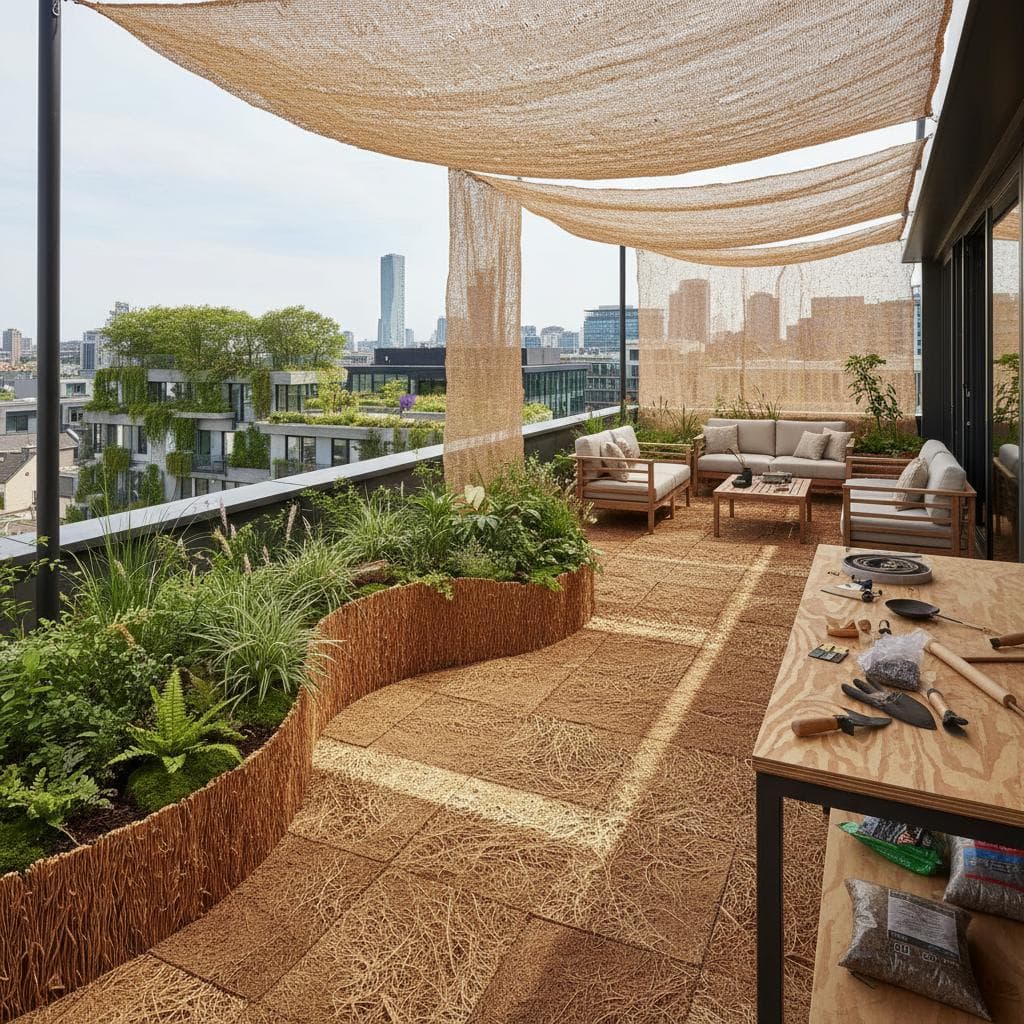
Urban dwellers seek outdoor spaces that align with environmental values while enduring city conditions. Mycelium decking offers a viable solution, creating surfaces from living fungal networks that derive strength from organic waste. This guide details the process of designing, constructing, and maintaining such decks to foster biophilic connections in limited urban areas.

Mycelium represents the thread-like structure of fungi that interconnects organic substrates. When cultivated within forms, it produces lightweight, robust panels suitable for decking applications. These panels replace traditional wood or composite materials, providing biodegradable alternatives that require minimal energy for production.

Overview

Mycelium decking utilizes fungal growth to bind agricultural residues into durable sheets. The material excels in moisture regulation and thermal insulation, surpassing many synthetic options. In urban settings, it promotes sustainable practices by repurposing waste and reducing landfill contributions.

Key Advantages

Mycelium decking stands out for several reasons:

  • It utilizes byproducts like straw, hemp hurds, or sawdust as substrates.
  • The binding process occurs naturally, eliminating the need for adhesives or excessive processing.
  • At the end of its lifecycle, the material decomposes harmlessly in soil.
  • It maintains stable humidity levels and moderates temperatures effectively.

Professionals in urban planning recognize mycelium as an innovative biomaterial that integrates living elements into built environments. For homeowners, it delivers a tactile experience that blends organic aesthetics with structural integrity.

Project Scope

This guide covers essential aspects of mycelium deck creation:

  1. Core composition and environmental benefits.
  2. Required tools and materials for safe handling.
  3. Substrate preparation, molding, and curing techniques.
  4. Installation methods and ongoing maintenance.
  5. Realistic estimates for costs, timelines, and upkeep.

Tools and Materials

Assemble all necessary items prior to beginning. Source fungal inoculum from reputable suppliers to ensure viability and safety.

Essential Tools:

  • 25-foot measuring tape for precise layout.
  • Utility knife for trimming edges.
  • Drill equipped with wood-boring bits.
  • Protective gloves and respiratory mask.
  • Sanding block or orbital sander for finishing.
  • Digital moisture meter to monitor drying.

Core Materials:

  • Mycelium substrate blend, approximately 1 cubic foot per 3 square feet of deck surface.
  • Rigid molds crafted from wood or flexible silicone.
  • Eco-friendly sealer, such as beeswax or zero-VOC resin.
  • Corrosion-resistant screws, 1.5 to 2 inches in length.
  • Support frame constructed from recycled aluminum or pressure-treated lumber.

Adhere to provider guidelines when working with active fungal cultures. Protective gear prevents exposure to airborne particles during preparation.

Construction Steps

Follow these sequential steps to produce and install mycelium panels. Each phase builds upon the previous to ensure structural reliability.

Step 1: Substrate Preparation

Combine organic fillers like chopped straw or fine sawdust with hydrated fungal spawn. Aim for 60 percent moisture content; a compressed handful should form a cohesive ball without releasing liquid. Insufficient moisture hinders colonization, while excess promotes bacterial contamination.

Step 2: Mold Filling

Coat molds with non-stick parchment or biodegradable liners. Pack the substrate evenly, compacting it to eliminate voids and achieve uniform density. Target a panel thickness of 1.5 inches to match the load-bearing capacity of standard deck boards.

Step 3: Colonization Phase

Position filled molds in a dark, humid environment at 70 to 80 degrees Fahrenheit. Over 5 to 7 days, the mycelium forms a dense mycelial mat that integrates the substrate. Maintain stillness to allow uninterrupted development of the material's internal framework.

Step 4: Dehydration and Stabilization

Extract panels once colonization completes, then air-dry them in a well-ventilated area. Reduce moisture to under 12 percent over 2 to 3 days using gentle airflow from a fan. This halts fungal activity and fortifies the panels against decay.

Step 5: Finishing Touches

Smooth surfaces with progressive grits of sandpaper to remove imperfections. Brush on a single layer of sealant, allowing 24 hours for hardening. This barrier enhances water resistance and extends service life without compromising breathability.

Step 6: Frame Assembly and Attachment

Secure the frame to a stable base, ensuring level placement. Fasten panels with screws driven at 45-degree angles for optimal hold. Incorporate 1/8-inch gaps between panels to facilitate drainage and thermal expansion.

Step 7: Load Verification

Distribute weight gradually during initial testing. Panels rated for 700 psi compressive strength support typical pedestrian use. Reinforce high-traffic areas with additional framing if needed.

Safety Considerations

Prioritize precautions throughout the project:

  • Isolate fungal materials from edible zones to prevent cross-contamination.
  • Don full protective equipment during mixing and finishing operations.
  • Promote air circulation to dissipate any odors or spores.
  • Select sealants with minimal volatile compounds.
  • Verify compliance with municipal regulations for non-standard decking.

Troubleshooting Common Issues

Address problems promptly to preserve panel integrity.

Soft or Compressible Texture

Incomplete dehydration often causes this. Relocate to a drier space and recheck moisture levels. Apply low-heat drying if necessary, not exceeding 120 degrees Fahrenheit.

Surface Discoloration

Variations arise from substrate inconsistencies. Lightly abrade affected areas and reapply sealant for uniformity.

Edge Fractures

Rapid moisture loss leads to cracks. Stabilize with targeted wax applications; replace severely damaged sections.

Surface Mold

Excess humidity fosters growth. Clean with a vinegar solution and enhance ventilation to resolve.

Upkeep Guidelines

Regular attention ensures longevity, typically 5 to 10 years in moderate climates.

Routine Tasks:

  • Clear debris weekly with a soft broom.
  • Inspect for wear monthly and touch up seals.

Periodic Maintenance:

  • Gentle cleaning with biodegradable soap quarterly.
  • Full resealing annually to maintain protection.
  • Temporary covering during prolonged exposure to elements.

Store unused panels horizontally in dry conditions, separated by spacers.

Cost and Timeline Estimates

For a 100-square-foot deck, anticipate $6 to $10 per square foot, influenced by substrate sourcing and frame choices. Economies arise from local waste repurposing.

Project Phases:

  • Preparation and molding: 2 to 3 hours.
  • Colonization: 5 to 7 days.
  • Finishing: 1 to 2 days.
  • Installation: 3 to 5 hours.

Spread efforts across a week for manageable progress.

Professional Involvement

Engage experts for elevated or structural integrations:

  • Evaluation of substructure and load distribution.
  • Recommendations on moisture management.
  • Assurance of sealant efficacy.
  • Compliance with fire and drainage standards.

Certified suppliers provide pre-fabricated panels with verified performance data.

Climate Adaptations

Account for environmental fluctuations:

  • Incorporate expansion gaps to accommodate humidity-induced swelling.
  • Monitor for contraction in arid periods.
  • Remove snow promptly in winter, opting for sand over chemical melts.
  • Apply reflective coatings in summer to mitigate heat buildup.

Broader Urban Impacts

Mycelium decking contributes to resilient cityscapes by diverting waste and enhancing microclimates. Panels absorb noise and retain less solar heat than impervious surfaces, fostering cooler, quieter outdoor areas.

Integration with Biophilic Principles

This material embodies biophilia through its grown origins and natural texture. Users experience subtle resilience underfoot, promoting well-being in confined urban settings.

Acoustic and Thermal Performance

Mycelium exhibits superior sound absorption compared to equivalent wood products. Its thermal conductivity, approximately 0.04 W/mK, aids in temperature moderation for enhanced comfort.

Sustainability Metrics

Each cubic foot of mycelium diverts roughly 2 pounds of organic waste from disposal. Production energy consumption falls to one-tenth that of polymer alternatives, achieving up to 90 percent reduction in embodied carbon.

Optimization Strategies

  • Select uniform substrates for consistent panel quality.
  • Maintain stable environmental controls during growth.
  • Prototype single panels to refine techniques.
  • Document timelines for repeatable results.
  • Design inherent drainage with minimal slopes.

Pitfalls to Sidestep

  • Omitting sealants accelerates degradation.
  • Excessive drying temperatures compromise strength.
  • Unlined metal forms cause adhesion issues.
  • Poor ventilation invites contamination.

Advancing Your Project

Initiate with supplier outreach for kits or components. Draft a scaled plan incorporating site specifics. Establish a maintenance schedule to safeguard your investment in sustainable design.

You Might Also Like

Living Pergolas Cool Decks Through Natural Shade

Shape Deck Zones to Stay Comfortable All Year

Cool Decks Stay 20 Degrees Cooler in Summer Heat

Micro-Misting Drops Deck Temperature 15 Degrees

Mycelium Decks Break Down Instead of Piling Up

Tagged:

sustainable,materials,deck,mycelium,decking,mycelium-decking,fungal,sustainable-deck,fungal-materials

Recent by Dawn Hayden

Image for Garden Walls That Block 70% City Noise in Small Spaces

Garden Walls That Block 70% City Noise in Small Spaces

Mar 21, 2026
Image for Smart Shade Sails Cut Rooftop Heat by 30 Degrees

Smart Shade Sails Cut Rooftop Heat by 30 Degrees

Mar 20, 2026
Image for Rooftop Decks Stay 40% Cooler with Shade Sails

Rooftop Decks Stay 40% Cooler with Shade Sails

Mar 17, 2026
Image for Turn Your Rooftop Into a Native Pollinator Meadow

Turn Your Rooftop Into a Native Pollinator Meadow

Mar 16, 2026
Image for Micro-Misting Drops Deck Temperature 15 Degrees

Micro-Misting Drops Deck Temperature 15 Degrees

Mar 16, 2026

Deck Construction & Remodeling

Living Pergolas Cool Decks Through Natural Shade

Transform your deck into a shaded, verdant escape using a living pergola. This comprehensive guide details material selection, structural assembly, irrigation setup, and vine choices that flourish. Explore techniques to enhance shade, optimize airflow, and cultivate a sustainable oasis that enhances comfort and beauty with each passing season.

Mar 18, 2026

Shape Deck Zones to Stay Comfortable All Year

Elevate your deck into a versatile outdoor haven by implementing microclimate zones. This approach involves assessing light patterns, wind flow, and thermal areas, then applying targeted elements like portable heaters, shade structures, and strategic plantings to ensure comfort across all seasons.

Mar 18, 2026

Cool Decks Stay 20 Degrees Cooler in Summer Heat

Turn urban decks from hot hazards into cool havens with heat-reflective materials. This guide covers composites, thermally modified woods, and strategies to maintain surfaces up to 20 degrees cooler, plus practical advice on design, budget, and care for year-round enjoyment.

Categories

Deck Construction & Remodeling(223)
Balcony Design(191)
Small-Space Gardens(82)
Rooftop Decks(81)
Backyard Design(21)
Mar 16, 2026

Micro-Misting Drops Deck Temperature 15 Degrees

Combat summer heat by installing a micro-misting system that reduces deck temperatures up to 15°F. This guide covers the cooling process, energy-efficient benefits, and adaptable designs for various outdoor areas. Find detailed installation instructions, troubleshooting advice, and seasonal maintenance to sustain a refreshing backyard environment.

Mar 16, 2026

Mycelium Decks Break Down Instead of Piling Up

Mycelium decks revolutionize urban outdoor areas with panels grown from fungal networks and agricultural byproducts. These lightweight, water-resistant, and fully biodegradable options provide a green alternative to traditional plastic composites. This guide covers installation, upkeep, budgeting, and strategies to maximize their lifespan while minimizing environmental impact.

Mar 15, 2026

Creating Deck Zones That Work in Every Season

Elevate your deck into a seasonal haven by developing microclimates that provide tailored comfort throughout the year. Explore strategies for zoning, shading, heating, and organizing with durable materials, strategic lighting, and efficient storage solutions. Achieve prolonged outdoor use while enhancing energy efficiency, visual appeal, and safety measures.

Mar 15, 2026

Glass Domes Keep Your Deck Open All Year

Elevate your deck into a versatile, all-season haven using glass domes or retractable pergolas. Gain insights into selecting materials, executing installations, and performing upkeep to maintain a bright, comfortable area for winter mornings or summer evenings alike.

Mar 14, 2026

Solar Pavers Store Sunlight and Charge Your Phone

Elevate your outdoor spaces with solar pavers that capture daylight to provide nighttime illumination and device charging capabilities. This comprehensive guide details their functionality, installation requirements, upkeep recommendations, expense considerations, and safety protocols to help you build an efficient, luminous environment that performs reliably throughout the year with little ongoing work.

Mar 14, 2026

Smart Apps Map Microclimates for Ideal Deck Builds

Smart apps uncover microclimate nuances in your yard, from sunlight exposure to wind flow and moisture levels. These tools guide material selection, layout planning, and design choices to create durable, comfortable decks. Transform local data into a strategic plan for your perfect outdoor area.

Mar 13, 2026

Pergola Pods Turn Decks Into Year-Round Retreats

Elevate your deck with a pergola pod, a versatile structure that provides shade, protection, and aesthetic appeal. This guide covers planning, construction, upkeep, and strategies to maximize seasonal use, ensuring comfort in any weather.

Mar 12, 2026

Solar Pergolas Cut Cooling Costs While Powering Your Deck

Elevate your deck with a solar pergola that offers shade and produces clean energy. This comprehensive guide details planning, material choices, installation steps, safety measures, troubleshooting, budgeting, and maintenance. Discover how to build a durable structure that cuts energy expenses and enhances outdoor comfort.

Mar 11, 2026

Micro-Misting Drops Deck Heat 15° Without Puddles

Micro-misting provides an effective solution to transform sweltering decks into comfortable retreats, reducing temperatures by up to 15 degrees through fine water droplets. This guide details the science behind the cooling, lists necessary tools and materials, outlines installation processes, addresses safety considerations, and offers maintenance advice for reliable performance throughout the season.

Mar 11, 2026

Mycelium Decks Grow Strength from Fungal Roots

Mycelium decks leverage fungal networks to create biodegradable, waste-derived outdoor flooring that enhances urban sustainability. This resource provides practical instructions for building resilient panels that integrate nature into city living, including material selection, assembly techniques, and long-term care strategies.

Mar 11, 2026

Micro-Clover Borders Cut Deck Upkeep in Half

Revitalize weary deck borders using resilient micro-clover, a self-sustaining ground cover that thrives with little intervention. This guide details installation, care essentials, and advantages like reduced mowing and enhanced aesthetics for compact urban spaces.

Mar 10, 2026

Set Up Drip Irrigation for Deck Containers

Elevate deck gardening with a micro-drip irrigation system that automates watering for consistent plant health. This guide covers planning, installation, and maintenance to save time, reduce water use, and ensure thriving containers in urban settings.

Mar 8, 2026

Soundproof Your Deck with Layers and Soft Surfaces

Convert a bustling urban deck into a serene haven through effective soundproofing techniques. This guide details sealing gaps, layering soft materials, installing acoustic panels, and integrating natural barriers like plants and curtains to foster a private, relaxing environment that balances style and acoustic control.

Mar 8, 2026

Solar Pergolas Cut Deck Heat While Powering Your Home

Elevate your deck with a solar pergola that offers shade from heat and produces renewable energy. This comprehensive guide details design options, material choices, step-by-step installation, safety measures, and upkeep strategies to boost comfort, cut costs, and promote eco-friendly living in your outdoor area.

Mar 7, 2026

Native Plants Transform Deck Edges Into Pollinator Havens

Convert a plain deck into a bustling pollinator sanctuary using native plant borders. This guide covers design principles, plant selection, planting techniques, and maintenance strategies to attract bees, butterflies, and birds with minimal effort. Explore practical advice, recommended species, and care essentials for a vibrant, eco-friendly outdoor space.

Mar 7, 2026

Acoustic Panels Cut Deck Noise by 30 to 50 Percent

Elevate a bustling deck to a tranquil sanctuary via outdoor acoustic panels. This resource covers selecting resilient materials, orchestrating installations, and upholding acoustic efficacy throughout the year. Acquire actionable guidance, cost-saving advice, and aesthetic concepts to neutralize city clamor, enhance seclusion, and foster relaxed, conducive outdoor interactions.

Mar 6, 2026

Solar Pergolas Blend Shade With Clean Energy Generation

Elevate your deck with a solar pergola that offers shade and generates clean energy. This comprehensive guide details design strategies, material choices, installation processes, safety measures, and ongoing maintenance to achieve a balance of comfort, eco-friendliness, and visual elegance for discerning homeowners eyeing 2026 upgrades.

Mar 6, 2026