Loading...

Mycelium Decks: Sustainable Fungi Alternative to Wood | urbanoutdoorsnyc.com | Urban Outdoors - Small-Space Gardens, Rooftop Decks, Balconies, Decks, Backyard Design
Skip to main content
Urban Outdoors
Search
Home
  1. Home
  2. /
  3. Deck Construction & Remodeling
  4. /
  5. Mycelium Decks Replace Wood With Living Fungi Material
Deck Construction & Remodeling

Mycelium Decks Replace Wood With Living Fungi Material

bySheila Spaulding
2026-01-27 04:18:10January 27, 2026
5 min read
Featured image for Mycelium Decks Replace Wood With Living Fungi Material

Categories

Navigation

  • Home
  • All Articles
  • About Us
  • Privacy Policy
  • Terms of Service

© 2026 Urban Outdoors. Crafted for bold city dwellers.

2026-01-28 03:56:54
Urban Outdoors - Small-Space Gardens, Rooftop Decks, Balconies, Decks, Backyard Design

Understanding Mycelium Decks

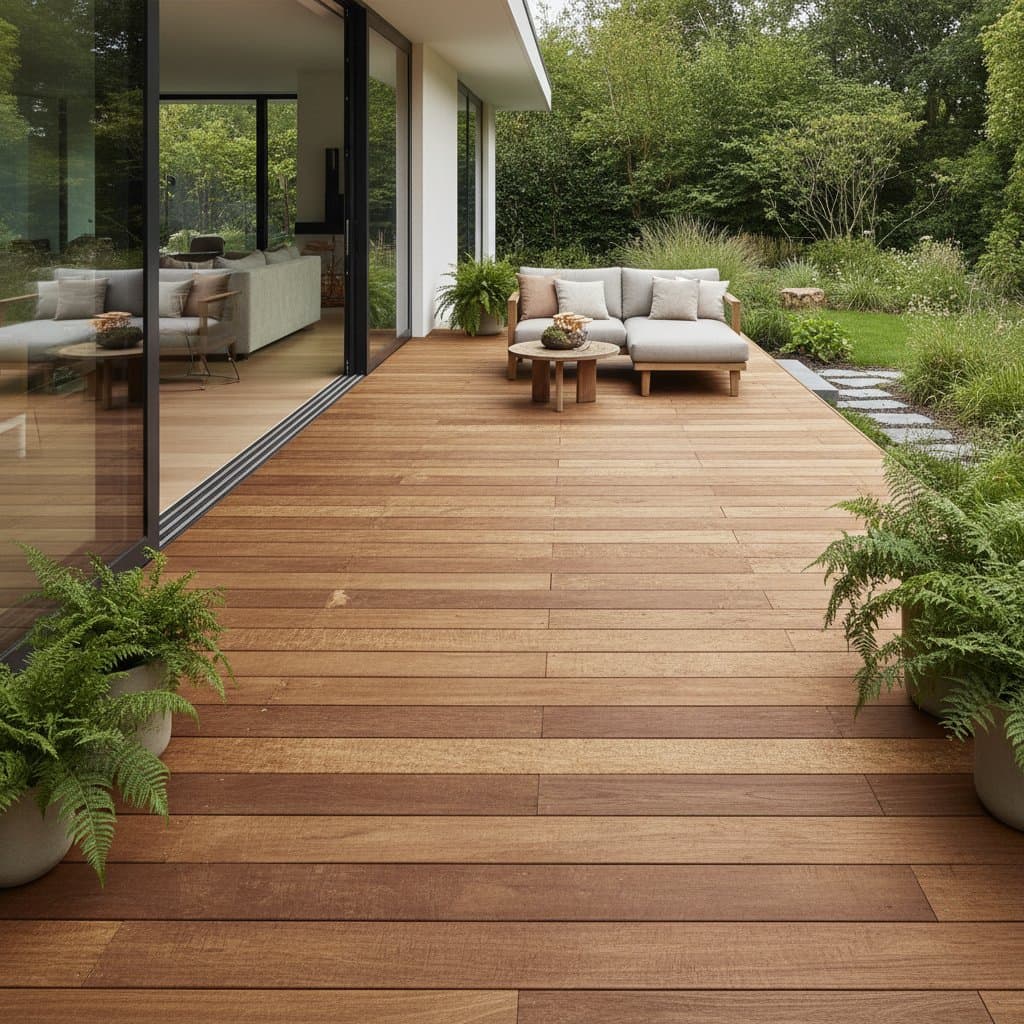
Decks serve as vital extensions of living spaces, bridging indoor comfort with the natural world. However, conventional wood and composite materials often contribute to deforestation and high carbon emissions during production. Mycelium decks present a transformative solution. Derived from the vegetative part of fungi, mycelium forms a dense, fibrous network that mimics the strength of traditional decking while remaining fully biodegradable.

This material grows rapidly in controlled environments, using agricultural waste as a substrate, which minimizes resource consumption. Once harvested and processed into boards, mycelium offers resistance to rot and insects without chemical treatments. Homeowners seeking to lower their ecological footprint find mycelium appealing for its natural insulation properties and aesthetic that blends seamlessly with garden landscapes.

Key Benefits of Mycelium Decking

Mycelium excels in sustainability metrics. Production requires no trees, and the material decomposes naturally at the end of its lifecycle, typically 20 to 30 years with proper care. Weight poses another advantage; mycelium boards weigh approximately 30 percent less than comparable wood options, easing installation on elevated structures.

Durability stands out as well. Engineered mycelium withstands foot traffic and weather exposure, with compressive strength rivaling hardwoods. Unlike wood, it resists splitting and warping under temperature fluctuations. For urban dwellers in regions like New York City, this translates to decks that endure humid summers and harsh winters without frequent replacements.

Preparing for Installation: Tools and Materials

Successful mycelium deck projects rely on straightforward preparation. Begin by selecting boards from reputable suppliers who certify fungal growth under sterile conditions to prevent contamination. Standard dimensions include 5/4-inch by 6-inch profiles, cut to length on-site.

Essential tools include a tape measure for precise layout, a circular saw for clean cuts, and a power drill equipped with a countersink bit to recess screws. Opt for stainless steel fasteners, 2 inches in length, to ensure corrosion resistance in outdoor settings. Spacers maintain uniform 1/4-inch gaps between boards, promoting drainage and airflow.

A level and framing square guarantee structural integrity. Safety gear, such as protective gloves and glasses, protects against splinters and debris. For finishing, select a water-based sealant formulated for bio-composites; verify compatibility to avoid adverse reactions that could compromise the material's integrity.

Prioritizing Safety During Handling and Installation

Mycelium demands careful handling to preserve its properties. When cutting boards, wear a particulate mask to filter airborne spores and fibers, which may irritate respiratory systems. Maintain dry conditions throughout the process; exposure to water prior to sealing can lead to temporary expansion and misalignment.

Choose finishes free from volatile organic compounds, as harsh chemicals might erode the fungal matrix. Keep ignition sources at a distance until the surface receives protection, since unsealed mycelium exhibits low flammability but can char under prolonged heat. Secure the substructure firmly, as the material's lightness requires stable joists spaced no more than 16 inches apart.

Estimating Costs and Timeline

Mycelium decking aligns with mid-range budgets, priced at 10 to 15 dollars per square foot for materials alone. This rate compares favorably to high-end composites, factoring in longevity and reduced upkeep. Additional expenses arise from framing lumber and sealants, potentially totaling 20 to 25 dollars per square foot for a complete build.

Time investment mirrors conventional projects. A 200-square-foot deck takes about 16 to 20 hours for two skilled workers, fitting into a single weekend. DIY approaches save on labor costs, which contractors charge at 50 to 75 dollars per hour. Factor in drying time for sealants, adding one full day before use.

Maintenance Strategies for Longevity

Regular care extends the life of mycelium decks. Store unused boards in a climate-controlled area, elevated on slats to allow air circulation. Limit stacks to six boards to distribute weight evenly and prevent deformation. Enclose in permeable coverings to deter moisture buildup while permitting ventilation.

Seasonal routines enhance performance. In spring, examine surfaces for sealant wear and reapply as needed to restore water resistance. During summer, elevate potted plants on stands to prevent soil moisture from seeping into joints. Autumn calls for diligent leaf removal using soft brooms, avoiding metal tools that scratch the finish.

Winter preparation involves gentle snow clearance with plastic implements. Avoid salt-based de-icers, which could penetrate and foster mold; opt for sand or eco-friendly alternatives instead.

Advanced Techniques for Optimal Results

Sourcing matters greatly. Partner with growers who provide documentation on density testing, ensuring boards exceed 40 pounds per cubic foot for structural reliability. Initial sealing should employ clear formulations to monitor the material's natural patina development over time.

Promote under-deck ventilation by installing mesh screens or lattice skirting, especially for ground-level installations. This prevents humidity accumulation, a common issue in damp climates. Before full application, conduct a trial on scrap pieces to assess adhesion and drying characteristics.

Repurpose remnants responsibly. Untreated offcuts integrate into compost piles, enriching soil without synthetic additives. For larger scraps, explore community programs that repurpose bio-materials into mulch or art installations.

Building Your Mycelium Deck: Final Steps

Transitioning to mycelium decking fosters a deeper connection to sustainable practices. Start small with a 10-by-10-foot section to evaluate performance in your specific environment. Assemble the frame using pressure-treated lumber for foundational support, then lay boards perpendicular to joists.

Secure each piece with two screws per joist, pre-drilling to minimize splitting. Apply sealant in thin coats, allowing 24 hours between layers for curing. The result yields a resilient outdoor platform that insulates against cold, absorbs sound, and eventually enriches the soil upon decommissioning.

This approach not only beautifies your property but also contributes to broader environmental goals, such as reducing urban heat islands and promoting biodiversity.

You Might Also Like

Solar Drip Systems Keep Deck Gardens Watered Automatically

Solar Pavers Convert Steps and Sunlight Into Power

Glass Deck Floors That Skylight the Space Below

Mycelium Boards Replace Wood in Sustainable Decking

Cut Deck Noise with Acoustic Privacy Screens

Tagged:

sustainable,materials,construction,deck,mycelium,decking,bio,based,mycelium-decking,bio-based-materials

Recent by Sheila Spaulding

Image for Solar Pavers Convert Steps and Sunlight Into Power

Solar Pavers Convert Steps and Sunlight Into Power

Feb 2, 2026
Image for Grow 30 Plants in 2 Feet Using Nutrient Mist

Grow 30 Plants in 2 Feet Using Nutrient Mist

Feb 1, 2026
Image for Mycelium Boards Replace Wood in Sustainable Decking

Mycelium Boards Replace Wood in Sustainable Decking

Feb 1, 2026
Image for Solar Pergolas Turn Small Patios Into Power Sources

Solar Pergolas Turn Small Patios Into Power Sources

Feb 1, 2026
Image for Stop Balcony Noise With Layers That Block and Absorb Sound

Stop Balcony Noise With Layers That Block and Absorb Sound

Jan 31, 2026

sustainable

Image for Solar Pavers Convert Steps and Sunlight Into Power

Solar Pavers Convert Steps and Sunlight Into Power

Feb 2, 2026
Image for Permeable Pavers Stop Flooding and Raise Property Value

Permeable Pavers Stop Flooding and Raise Property Value

Jan 29, 2026
Image for Fungal Fibers That Replace Wood Decks and Compost Clean

Deck Construction & Remodeling

Solar Drip Systems Keep Deck Gardens Watered Automatically

Elevate your deck gardening with solar-powered drip irrigation for precise, hands-free watering. This guide covers final setup steps, safety measures, common fixes, cost breakdowns, and year-round care to foster healthy plants with minimal intervention.

Feb 2, 2026

Solar Pavers Convert Steps and Sunlight Into Power

Elevate your outdoor paths with solar pavers that generate electricity from sunlight and movement. This comprehensive resource outlines functionality, step-by-step setup, budgeting, troubleshooting, and ways to apply the power for lighting or devices—all while promoting green living.

Feb 2, 2026

Glass Deck Floors That Skylight the Space Below

Elevate your deck design with glass floor panels that function as skylights, flooding lower areas with natural light while delivering a sleek, contemporary look. This resource provides in-depth coverage of benefits, essential materials, step-by-step installation, safety protocols, maintenance routines, and guidance on when to hire experts—all to optimize your outdoor environment for light, style, and longevity.

Categories

Deck Construction & Remodeling(158)
Balcony Design(146)
Small-Space Gardens(63)
Rooftop Decks(50)
Backyard Design(18)

Fungal Fibers That Replace Wood Decks and Compost Clean

Jan 24, 2026
Image for Solar Pavers Turn Your Deck Into a Power Source

Solar Pavers Turn Your Deck Into a Power Source

Jan 18, 2026
Image for Solar Pavers Turn Your Deck Into a Power Source

Solar Pavers Turn Your Deck Into a Power Source

Jan 18, 2026
Feb 2, 2026

Mycelium Boards Replace Wood in Sustainable Decking

Mycelium decking redefines sustainable outdoor design with boards cultivated from fungal roots and agricultural waste. These lightweight, compostable planks match wood's strength while minimizing environmental impact. This guide covers planning, installation, and care for a resilient, green yard addition.

Feb 1, 2026

Cut Deck Noise with Acoustic Privacy Screens

Turn urban deck noise into peaceful quiet with acoustic privacy screens. Explore sound-blocking options, step-by-step installation, upkeep advice, and cost-effective choices for a more enjoyable outdoor space throughout the year.

Feb 1, 2026

Deck Benches That Turn Scraps Into Garden Soil

Convert your deck into an eco-friendly oasis with a composting bench that serves as both comfortable seating and efficient soil producer. This comprehensive guide details construction steps, material needs, troubleshooting, and seasonal care to minimize waste and maximize garden yields.

Jan 31, 2026

Permeable Pavers Stop Flooding and Raise Property Value

Permeable pavers convert waterlogged areas into resilient, environmentally friendly surfaces. Water infiltrates through paver joints and stone bases, minimizing runoff, safeguarding structures, and elevating aesthetic appeal. This comprehensive guide details installation processes, upkeep routines, and financial considerations to demonstrate how these pavers promote sustainability, property enhancement, and enduring outdoor usability.

Jan 29, 2026

Turn Your Deck into a Clean Energy Generator

Elevate your deck into a sustainable solar energy source with integrated pavers that merge aesthetics and efficiency. This guide covers sunlight evaluation, circuit planning, durable tile installation, performance upkeep, expense details, safety protocols, and professional consultation needs to create a self-powered outdoor retreat.

Jan 29, 2026

Solar Pavers Turn Sunlight Into Outdoor Power

Elevate your outdoor areas with solar pavers, robust tiles that capture sunlight to generate power for lighting, charging stations, and appliances. This guide covers their functionality, required materials, and detailed installation instructions to build an efficient, wire-free environment that blends practicality with aesthetic appeal.

Jan 28, 2026

Mycelium Decks Replace Wood With Living Fungi Material

Mycelium, the intricate root system of fungi, emerges as a groundbreaking material for decking. This renewable and biodegradable option provides the durability of wood with a fraction of the environmental impact. Readers will gain insights into installation, maintenance, and benefits to create an outdoor haven that aligns with sustainable living principles.

Jan 27, 2026

Deck Pods Turn Open Decks into Year-Round Rooms

Convert your deck into a protected, inviting extension of your home using modular deck pods. This comprehensive guide covers planning, assembly, and upkeep for these adaptable structures, including required tools, safety protocols, and enhancements to achieve a durable, stylish outdoor space that provides year-round utility.

Jan 26, 2026

Solar Shade Sails Generate Power While Cooling Your Deck

Elevate your deck with solar shade sails that offer respite from the sun while harnessing solar power for everyday use. These versatile structures blend comfort with eco-friendly energy generation. Explore practical steps for installation, upkeep, and optimization to create an inviting, self-sustaining outdoor haven.

Jan 26, 2026

Cool Your Deck 15° with Solar Shade Sails

Counter summer deck heat with solar shade sails capable of reducing temperatures by up to 15 degrees. These tensioned fabric panels effectively block UV rays, improve airflow, and install in just one day. Gain insights into required tools, essential safety measures, and maintenance strategies for extended outdoor enjoyment.

Jan 25, 2026

Why Permeable Decks Stay 20 Degrees Cooler

Permeable decks address intense summer heat by facilitating airflow and water passage, which dissipates trapped warmth and maintains surfaces up to 20 degrees cooler. Incorporating light-colored materials, strategic gaps, and evaporative cooling, these decks foster inviting, sustainable outdoor areas that require low maintenance and provide enduring relief from hot surfaces.

Jan 25, 2026

Solar Pergolas Cut City Heat While Powering Your Deck

Elevate your compact urban deck with a solar pergola that delivers shade, produces renewable energy, and enhances sustainability. This comprehensive guide includes planning strategies, material choices, step-by-step installation, safety protocols, and upkeep tips to achieve a cooler, cost-effective outdoor area while increasing home value on a practical budget.

Jan 24, 2026

Fungal Fibers That Replace Wood Decks and Compost Clean

Mycelium decks redefine urban outdoor spaces through sustainable, compostable panels derived from fungal networks. These lightweight, durable alternatives to wood or plastic utilize agricultural waste. Follow this guide to cultivate, process, install, and maintain them for environmentally conscious urban design.

Jan 24, 2026

Misting Systems Drop Deck Temps 20° Fast

Misting systems transform hot decks into inviting spaces by reducing temperatures up to 20 degrees. This guide details planning, installation, maintenance, and optimization strategies for safe, effective cooling throughout the season.

Jan 22, 2026

UV Shade Sails Drop Deck Temps 20 Degrees

Combat summer heat and safeguard your deck using UV shade sails. This comprehensive guide details selection, installation, and upkeep strategies that reduce surface temperatures, avert color fading, and prolong deck longevity. Explore required tools, safety measures, common issues, and professional insights to create a fashionable, protected outdoor haven.

Jan 22, 2026

Shade Sails That Follow the Sun All Day Long

Automatic sun-tracking shade sails adjust their position to follow the sun, providing consistent shade and comfort on decks and patios. This comprehensive guide explains the technology, step-by-step installation, essential safety measures, ongoing maintenance, associated costs, and strategies to maximize durability and efficiency in your outdoor environment.

Jan 21, 2026

AI Cameras That Water Plants and Deter Deck Pests

Elevate your urban deck into an automated oasis with AI cameras that identify pests, optimize irrigation, and reduce upkeep. These intelligent systems leverage computer vision to safeguard plants, promote efficient water use, and deliver seamless outdoor enjoyment via straightforward installation and reliable performance.

Jan 21, 2026