Loading...

Mycelium Decking: Sustainable Biodegradable Alternative to Wood Decks | urbanoutdoorsnyc.com | Urban Outdoors - Small-Space Gardens, Rooftop Decks, Balconies, Decks, Backyard Design
Skip to main content
Urban Outdoors
Search
Home
  1. Home
  2. /
  3. Deck Construction & Remodeling
  4. /
  5. Mycelium Decks: The Biodegradable Alternative to Wood
Deck Construction & Remodeling

Mycelium Decks: The Biodegradable Alternative to Wood

byDawn Hayden
2025-10-12 04:01:11October 12, 2025
6 min read
Featured image for Mycelium Decks: The Biodegradable Alternative to Wood

Categories

Navigation

  • Home
  • All Articles
  • About Us
  • Privacy Policy
  • Terms of Service

© 2026 Urban Outdoors. Crafted for bold city dwellers.

2025-10-14 06:11:58
Urban Outdoors - Small-Space Gardens, Rooftop Decks, Balconies, Decks, Backyard Design

Introduction to Mycelium Decking

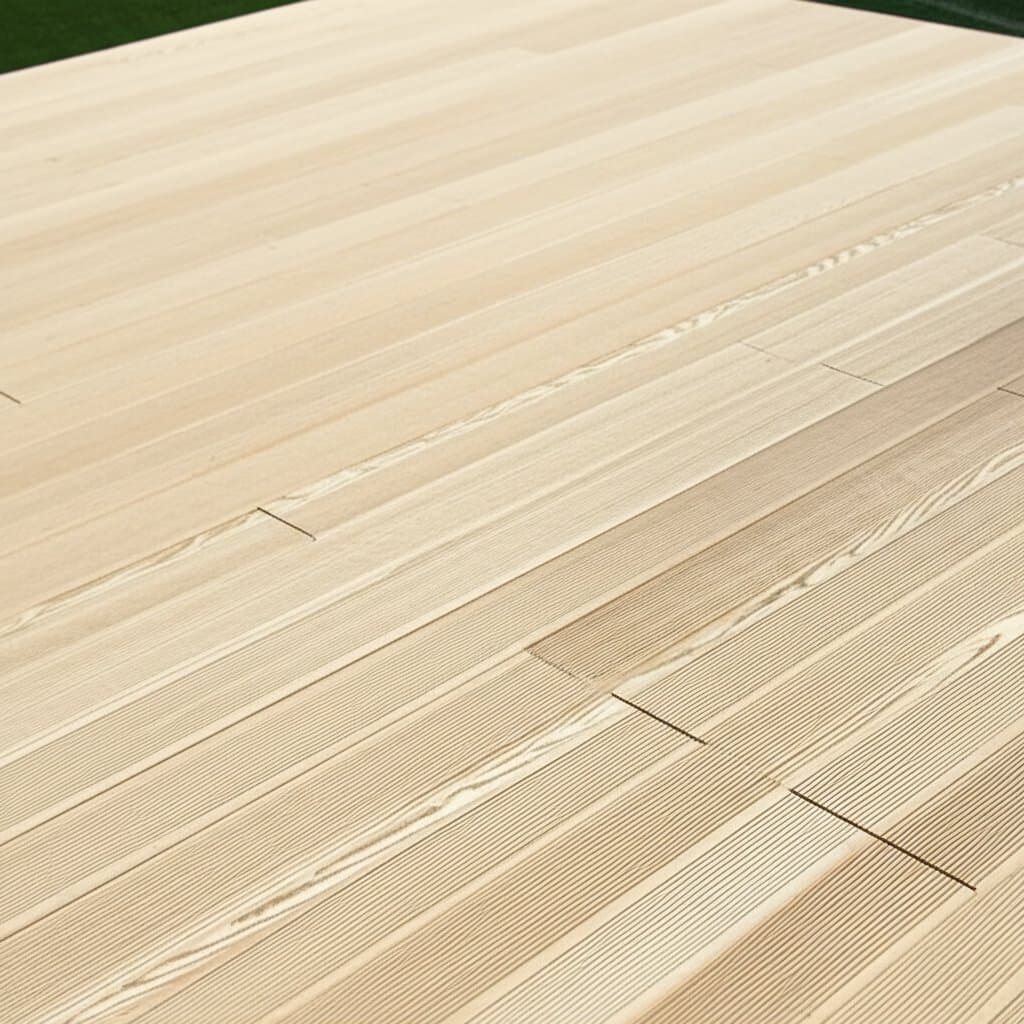
Mycelium decking emerges as a groundbreaking option for sustainable outdoor spaces. Derived from fungal networks and agricultural waste, this material offers a viable alternative to traditional wood. Homeowners and designers appreciate its environmental benefits, including full biodegradability and reduced carbon footprint during production.

In 2025, mycelium boards gain prominence for their ability to mimic the aesthetics and performance of wood without the ecological drawbacks. These boards integrate seamlessly into urban patios, rural retreats, and commercial installations. Builders value the material's ease of use, while eco-conscious consumers prioritize its natural decomposition at end-of-life.

This guide explores the practical aspects of working with mycelium decking. Readers gain insights into safety, installation, maintenance, and long-term care to ensure optimal performance.

Why Mycelium Decking Excels

Mycelium forms a natural binder that unites organic particles into durable boards. Without relying on synthetic adhesives, the resulting structure provides impressive strength and resilience. The material's density ranges from 25 to 35 pounds per cubic foot, which positions it as lighter than cedar yet capable of supporting regular foot traffic and furniture loads.

The fibrous composition allows for subtle flexibility under pressure, which minimizes cracking risks common in rigid woods. This same network dampens vibrations and sound, creating quieter outdoor areas ideal for intimate gatherings. Over time, mycelium maintains its integrity in varied climates, provided proper sealing protects against excessive moisture.

Compared to composites or pressure-treated lumber, mycelium reduces reliance on harvested trees and petroleum-based plastics. Production involves low-energy processes, often powered by renewable sources, further enhancing its appeal for green building projects.

Safety Considerations During Handling and Installation

Prioritize safety to achieve successful results with mycelium decking. The material's organic nature requires precautions to avoid health risks and ensure structural stability.

  • Select a well-ventilated workspace for sealing or curing processes to minimize inhalation of particles.
  • Maintain dryness in storage and during installation to inhibit unintended mold development.
  • Don gloves when manipulating uncured boards to limit direct exposure to fungal spores.
  • Equip yourself with safety glasses for any cutting or drilling operations.

Follow these steps diligently, especially if working with home-grown kits. Consult material safety data sheets from suppliers for additional guidance tailored to specific formulations.

Installation Essentials: Budget, Time, and Professional Guidance

Installing mycelium decking proves straightforward for those with basic carpentry skills. The process mirrors traditional deck building, with adaptations for the material's unique properties.

Expect costs between $8 and $12 per square foot, encompassing materials and labor. This range aligns with premium composites but undercuts exotic hardwoods. For budget-conscious projects, DIY growing kits cost approximately $5 per square foot in raw materials, allowing customization of size and thickness.

A typical 200-square-foot deck requires two to three days for a skilled DIY installer. Professionals complete the same project in one day, leveraging specialized tools for efficiency. Factor in five to seven additional days for curing if producing boards on-site, during which temperature and humidity control prove essential.

Consider hiring a professional under certain conditions:

  • When the structure elevates more than 30 inches from the ground, demanding enhanced support systems.
  • If local building codes necessitate engineering reviews or permits.
  • For integrations like embedded lighting, drainage solutions, or custom seating arrangements.

Verify the contractor's experience with sustainable materials. Request demonstrations of compatible, plant-derived sealers with low volatile organic compound emissions to preserve the deck's eco-profile.

Ongoing Maintenance Practices

Mycelium decking requires less intensive care than conventional wood options. Regular attention preserves appearance and longevity, preventing minor issues from escalating.

Incorporate these routines into your schedule:

  • Sweep away debris on a weekly basis to eliminate moisture-retaining buildup.
  • Perform gentle washing twice each season using mild soap and water solutions.
  • Apply a fresh layer of sealer annually to maintain protective barriers.
  • Inspect and tighten all fasteners each spring to secure connections.

Steer clear of bleach or abrasive cleaners, as they degrade the inherent plant oils. Promptly replace any board exhibiting deep fissures or softening. Remove screws from discarded pieces before composting, facilitating complete natural breakdown.

With consistent upkeep, a mycelium deck retains its vibrant finish and structural reliability for years, often outlasting untreated alternatives in moderate climates.

Troubleshooting Common Challenges

Occasional issues arise with mycelium decking, typically linked to environmental factors. Swift identification and correction restore functionality without extensive repairs.

Soft spots or sagging sections: Excess moisture infiltration often causes this problem. Excise the affected board, thoroughly dry the underlying joist, and install a new, properly sealed replacement.

Discoloration or surface fuzz: Damp storage frequently leads to a light pale layer. Clean the area with a diluted vinegar solution, allow complete drying, and reapply sealant for protection.

Joint creaking: This indicates potential loosening. Secure screws more firmly or incorporate hidden clips for added stability. Minor sounds pose no structural threat but warrant attention to maintain smooth surfaces.

Accelerated weathering: Direct sunlight or intense rainfall accelerates wear. Introduce a UV-resistant topcoat biannually to prevent desiccation and fractures, particularly in exposed locations.

Document patterns in your deck's behavior to refine future care strategies. Suppliers often provide formulation-specific advice for persistent concerns.

Proper Storage Techniques

Effective storage extends the usability of mycelium boards and prevents degradation. Treat spares and starter materials with the same diligence as installed sections.

Position unused boards indoors, in environments that remain cool and arid. Stack them horizontally, using slender wood spacers to promote circulation. Refrain from enclosing in plastic, which fosters humidity buildup.

For home cultivation, preserve inoculum in permeable paper containers, distant from heat-generating appliances. As seasons shift, shield completed decks with permeable tarps to deflect precipitation while permitting ventilation. Avoid impermeable plastics that encourage condensation and potential rot.

These practices safeguard material quality, reducing waste and ensuring readiness for future expansions or repairs.

Seasonal Care Schedule

Align maintenance with natural cycles to optimize deck performance year-round. This proactive approach addresses climate-specific demands.

  • Spring preparations: Examine for winter-induced moisture effects, refresh sealants, and confirm fastener integrity.
  • Summer vigilance: Conduct frequent sweeping and provide shade during intense sunlight to prolong coating effectiveness.
  • Fall cleanup: Remove foliage accumulations to avert discoloration and verify unobstructed drainage.
  • Winter protection: Apply lightweight coverings and clear accumulations with soft-bristled tools, avoiding metal implements that could scratch surfaces.

Adhering to this cadence sustains the deck's aesthetic appeal and durability, fostering a resilient outdoor haven.

Steps to Implement Mycelium Decking

Transitioning to mycelium requires deliberate planning for seamless integration.

  1. Identify regional providers or research facilities specializing in mycelium products.
  2. Acquire a test sample to evaluate handling, texture, and fabrication ease.
  3. Initiate a modest pilot installation to master sealing techniques and secure fastening methods.

These initial efforts build confidence and reveal site-specific adjustments. As adoption grows, mycelium decking contributes to broader sustainability goals, blending innovation with practical outdoor living.

You Might Also Like

Solar Drip Systems Keep Deck Gardens Watered Automatically

Solar Pavers Convert Steps and Sunlight Into Power

Glass Deck Floors That Skylight the Space Below

Mycelium Boards Replace Wood in Sustainable Decking

Cut Deck Noise with Acoustic Privacy Screens

Tagged:

sustainable,materials,deck,mycelium,decking,biodegradable,mycelium-decking,sustainable-deck-materials,boards,biodegradable-deck-boards

Recent by Dawn Hayden

Image for Glass Deck Floors That Skylight the Space Below

Glass Deck Floors That Skylight the Space Below

Feb 2, 2026
Image for Cut Deck Noise with Acoustic Privacy Screens

Cut Deck Noise with Acoustic Privacy Screens

Feb 1, 2026
Image for Deck Benches That Turn Scraps Into Garden Soil

Deck Benches That Turn Scraps Into Garden Soil

Jan 31, 2026
Image for Cool Balconies 15° Cheaper with Micro-Misting Systems

Cool Balconies 15° Cheaper with Micro-Misting Systems

Jan 30, 2026
Image for Living Sound Filters for City Apartments

Living Sound Filters for City Apartments

Jan 30, 2026

sustainable

Image for Solar Pavers Convert Steps and Sunlight Into Power

Solar Pavers Convert Steps and Sunlight Into Power

Feb 2, 2026
Image for Permeable Pavers Stop Flooding and Raise Property Value

Permeable Pavers Stop Flooding and Raise Property Value

Jan 29, 2026
Image for Mycelium Decks Replace Wood With Living Fungi Material

Deck Construction & Remodeling

Solar Drip Systems Keep Deck Gardens Watered Automatically

Elevate your deck gardening with solar-powered drip irrigation for precise, hands-free watering. This guide covers final setup steps, safety measures, common fixes, cost breakdowns, and year-round care to foster healthy plants with minimal intervention.

Feb 2, 2026

Solar Pavers Convert Steps and Sunlight Into Power

Elevate your outdoor paths with solar pavers that generate electricity from sunlight and movement. This comprehensive resource outlines functionality, step-by-step setup, budgeting, troubleshooting, and ways to apply the power for lighting or devices—all while promoting green living.

Feb 2, 2026

Glass Deck Floors That Skylight the Space Below

Elevate your deck design with glass floor panels that function as skylights, flooding lower areas with natural light while delivering a sleek, contemporary look. This resource provides in-depth coverage of benefits, essential materials, step-by-step installation, safety protocols, maintenance routines, and guidance on when to hire experts—all to optimize your outdoor environment for light, style, and longevity.

Categories

Deck Construction & Remodeling(158)
Balcony Design(146)
Small-Space Gardens(63)
Rooftop Decks(50)
Backyard Design(18)

Mycelium Decks Replace Wood With Living Fungi Material

Jan 27, 2026
Image for Fungal Fibers That Replace Wood Decks and Compost Clean

Fungal Fibers That Replace Wood Decks and Compost Clean

Jan 24, 2026
Image for Solar Pavers Turn Your Deck Into a Power Source

Solar Pavers Turn Your Deck Into a Power Source

Jan 18, 2026
Feb 2, 2026

Mycelium Boards Replace Wood in Sustainable Decking

Mycelium decking redefines sustainable outdoor design with boards cultivated from fungal roots and agricultural waste. These lightweight, compostable planks match wood's strength while minimizing environmental impact. This guide covers planning, installation, and care for a resilient, green yard addition.

Feb 1, 2026

Cut Deck Noise with Acoustic Privacy Screens

Turn urban deck noise into peaceful quiet with acoustic privacy screens. Explore sound-blocking options, step-by-step installation, upkeep advice, and cost-effective choices for a more enjoyable outdoor space throughout the year.

Feb 1, 2026

Deck Benches That Turn Scraps Into Garden Soil

Convert your deck into an eco-friendly oasis with a composting bench that serves as both comfortable seating and efficient soil producer. This comprehensive guide details construction steps, material needs, troubleshooting, and seasonal care to minimize waste and maximize garden yields.

Jan 31, 2026

Permeable Pavers Stop Flooding and Raise Property Value

Permeable pavers convert waterlogged areas into resilient, environmentally friendly surfaces. Water infiltrates through paver joints and stone bases, minimizing runoff, safeguarding structures, and elevating aesthetic appeal. This comprehensive guide details installation processes, upkeep routines, and financial considerations to demonstrate how these pavers promote sustainability, property enhancement, and enduring outdoor usability.

Jan 29, 2026

Turn Your Deck into a Clean Energy Generator

Elevate your deck into a sustainable solar energy source with integrated pavers that merge aesthetics and efficiency. This guide covers sunlight evaluation, circuit planning, durable tile installation, performance upkeep, expense details, safety protocols, and professional consultation needs to create a self-powered outdoor retreat.

Jan 29, 2026

Solar Pavers Turn Sunlight Into Outdoor Power

Elevate your outdoor areas with solar pavers, robust tiles that capture sunlight to generate power for lighting, charging stations, and appliances. This guide covers their functionality, required materials, and detailed installation instructions to build an efficient, wire-free environment that blends practicality with aesthetic appeal.

Jan 28, 2026

Mycelium Decks Replace Wood With Living Fungi Material

Mycelium, the intricate root system of fungi, emerges as a groundbreaking material for decking. This renewable and biodegradable option provides the durability of wood with a fraction of the environmental impact. Readers will gain insights into installation, maintenance, and benefits to create an outdoor haven that aligns with sustainable living principles.

Jan 27, 2026

Deck Pods Turn Open Decks into Year-Round Rooms

Convert your deck into a protected, inviting extension of your home using modular deck pods. This comprehensive guide covers planning, assembly, and upkeep for these adaptable structures, including required tools, safety protocols, and enhancements to achieve a durable, stylish outdoor space that provides year-round utility.

Jan 26, 2026

Solar Shade Sails Generate Power While Cooling Your Deck

Elevate your deck with solar shade sails that offer respite from the sun while harnessing solar power for everyday use. These versatile structures blend comfort with eco-friendly energy generation. Explore practical steps for installation, upkeep, and optimization to create an inviting, self-sustaining outdoor haven.

Jan 26, 2026

Cool Your Deck 15° with Solar Shade Sails

Counter summer deck heat with solar shade sails capable of reducing temperatures by up to 15 degrees. These tensioned fabric panels effectively block UV rays, improve airflow, and install in just one day. Gain insights into required tools, essential safety measures, and maintenance strategies for extended outdoor enjoyment.

Jan 25, 2026

Why Permeable Decks Stay 20 Degrees Cooler

Permeable decks address intense summer heat by facilitating airflow and water passage, which dissipates trapped warmth and maintains surfaces up to 20 degrees cooler. Incorporating light-colored materials, strategic gaps, and evaporative cooling, these decks foster inviting, sustainable outdoor areas that require low maintenance and provide enduring relief from hot surfaces.

Jan 25, 2026

Solar Pergolas Cut City Heat While Powering Your Deck

Elevate your compact urban deck with a solar pergola that delivers shade, produces renewable energy, and enhances sustainability. This comprehensive guide includes planning strategies, material choices, step-by-step installation, safety protocols, and upkeep tips to achieve a cooler, cost-effective outdoor area while increasing home value on a practical budget.

Jan 24, 2026

Fungal Fibers That Replace Wood Decks and Compost Clean

Mycelium decks redefine urban outdoor spaces through sustainable, compostable panels derived from fungal networks. These lightweight, durable alternatives to wood or plastic utilize agricultural waste. Follow this guide to cultivate, process, install, and maintain them for environmentally conscious urban design.

Jan 24, 2026

Misting Systems Drop Deck Temps 20° Fast

Misting systems transform hot decks into inviting spaces by reducing temperatures up to 20 degrees. This guide details planning, installation, maintenance, and optimization strategies for safe, effective cooling throughout the season.

Jan 22, 2026

UV Shade Sails Drop Deck Temps 20 Degrees

Combat summer heat and safeguard your deck using UV shade sails. This comprehensive guide details selection, installation, and upkeep strategies that reduce surface temperatures, avert color fading, and prolong deck longevity. Explore required tools, safety measures, common issues, and professional insights to create a fashionable, protected outdoor haven.

Jan 22, 2026

Shade Sails That Follow the Sun All Day Long

Automatic sun-tracking shade sails adjust their position to follow the sun, providing consistent shade and comfort on decks and patios. This comprehensive guide explains the technology, step-by-step installation, essential safety measures, ongoing maintenance, associated costs, and strategies to maximize durability and efficiency in your outdoor environment.

Jan 21, 2026

AI Cameras That Water Plants and Deter Deck Pests

Elevate your urban deck into an automated oasis with AI cameras that identify pests, optimize irrigation, and reduce upkeep. These intelligent systems leverage computer vision to safeguard plants, promote efficient water use, and deliver seamless outdoor enjoyment via straightforward installation and reliable performance.

Jan 21, 2026