Loading...

Native Wildflowers vs. Deck Plants: Low-Maintenance Framing for Urban Decks | NYC Outdoors | Urban Outdoors - Small-Space Gardens, Rooftop Decks, Balconies, Decks, Backyard Design
Skip to main content
Urban Outdoors
Search
Home
  1. Home
  2. /
  3. Deck Construction & Remodeling
  4. /
  5. Native Wildflowers Need Less Care Than Deck Plants
Deck Construction & Remodeling

Native Wildflowers Need Less Care Than Deck Plants

byDawn Hayden
2025-12-19 04:00:50December 19, 2025
5 min read
Featured image for Native Wildflowers Need Less Care Than Deck Plants

Categories

Navigation

  • Home
  • All Articles
  • About Us
  • Privacy Policy
  • Terms of Service

© 2026 Urban Outdoors. Crafted for bold city dwellers.

2025-12-19 04:00:50
Urban Outdoors - Small-Space Gardens, Rooftop Decks, Balconies, Decks, Backyard Design

Why Native Wildflowers Frame Decks Perfectly

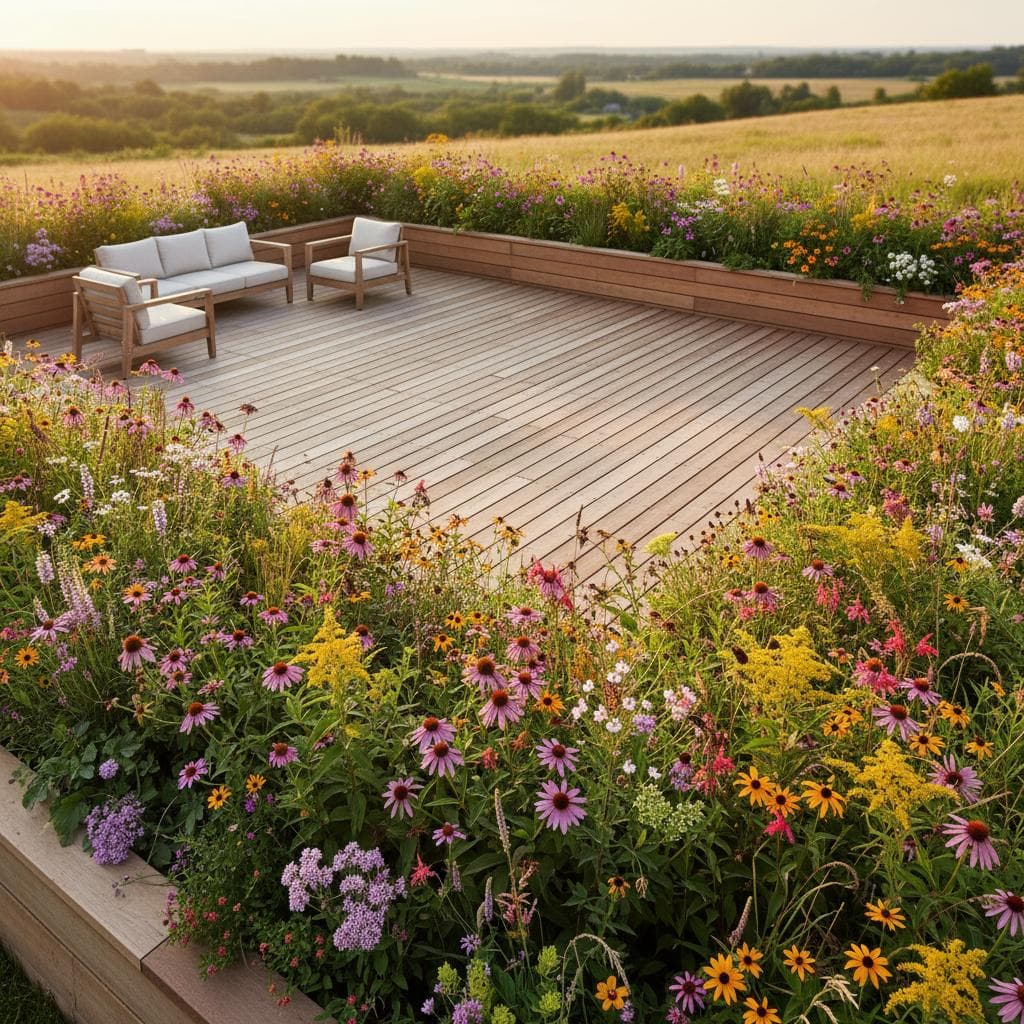
A plain deck often appears stark and uninviting. Homeowners seek ways to introduce color, gentle movement, and tranquility that blend indoor and outdoor spaces seamlessly. Native wildflowers achieve this effect with minimal effort. The objective remains straightforward: establish a living border that enhances the deck, bolsters pollinator populations, and flourishes season after season. This guide explains native wildflowers, their advantages for deck surroundings, and precise methods for planting and upkeep in confined border areas.

Overview

Native wildflowers consist of plant species indigenous to a specific region, evolving without human intervention. These plants align with local soil compositions, precipitation levels, and sunlight exposure. Consequently, they require reduced irrigation and fertilization compared to non-native ornamentals. Positioned around a deck, they provide a dynamic frame that evolves through seasons, offers subtle privacy, and draws in bees and butterflies.

Beyond aesthetics, a wildflower border mitigates glare from sunlit deck surfaces, dampens ambient noise, and moderates nearby temperatures. A modest 12-inch (30-centimeter) strip yields noticeable visual impact. For expansive decks, a 24-inch (60-centimeter) border functions as an effective transitional zone.

Tools and Materials

Starting a native wildflower border demands few resources. Assemble the following essentials prior to planting:

  • Hand trowel or compact spade to excavate planting holes.
  • Soil knife or weeding fork to extract grass or entrenched roots.
  • Compost or organic mulch, approximately 1 cubic foot (28 liters) for every 10 square feet (0.9 square meters).
  • Watering can or hose equipped with a soft spray nozzle.
  • Seed mixtures or starter plugs of regionally appropriate native wildflowers.
  • Border edging like stone pavers, bricks, or repurposed wood to delineate the planting area.

Steps

Step 1: Plan the Border Width and Shape

Evaluate the perimeter surrounding your deck. Maintain a minimum 18-inch (45-centimeter) clearance for safe passage along walkways. Organic curves impart a more organic appearance than rigid straight lines. Draft a preliminary sketch to visualize the design before commencing soil preparation.

Step 2: Prepare the Soil

Eliminate existing weeds and aerate the upper 4 to 6 inches (10 to 15 centimeters) of soil. Incorporate compost to improve drainage and supply gradual nutrient release. In cases of dense, compacted earth, insert a garden fork at 6-inch (15-centimeter) intervals to facilitate aeration.

Step 3: Select Native Species

Opt for 5 to 7 varieties that flower across staggered periods. In full-sun locations adjacent to decks, consider black-eyed Susan, purple coneflower, and coreopsis. For areas with partial shade, select wild columbine or woodland phlox. Target species reaching 12 to 30 inches (30 to 75 centimeters) in height to accentuate the deck without obstructing vistas.

Step 4: Plant in Clusters

Position plants at intervals of 8 to 12 inches (20 to 30 centimeters). Cluster three to five identical specimens for an authentic, clustered appearance. Firmly tamp soil around root bases and administer a thorough initial watering.

Step 5: Mulch and Define Edges

Apply a layer of 1 to 2 inches (2.5 to 5 centimeters) of mulch to conserve soil moisture. Maintain a 1-inch gap between mulch and plant stems to avert decay. Install edging elements to prevent soil or mulch migration onto the deck surface.

Step 6: Water Until Established

Provide approximately 1 inch (2.5 centimeters) of water weekly for the initial month. Established native wildflowers demand significantly less hydration thereafter. Assess soil dampness by inserting a finger 2 inches (5 centimeters) into the ground; irrigate sparingly if parched.

Safety Tips

  • Don gloves when manipulating compost or mulch to guard against dermal irritation.
  • Employ knee pads during prolonged kneeling on rigid deck materials.
  • Verify plant non-toxicity for pets prior to installation near recreational zones.

Troubleshooting

Sparse growth post-planting typically indicates inadequate root-soil adhesion. Gently repress the surrounding earth and rehydrate. Excessive height that impedes views warrants midseason pruning of elongated stems by half their length to promote denser branching.

Weeds overtaking natives frequently result from insufficient mulch depth. Replenish with additional layers or reinforce with taller edging. Persistent issues may necessitate manual removal and soil amendment.

Maintenance and Storage

Established native wildflowers require scant intervention. At the onset of spring, trim residual stems to 3 inches (7 to 8 centimeters) above ground. Retain select seed heads through winter to nourish avian visitors. Preserve excess seeds in an airtight container stored in a temperate, arid environment. Clean and dry tools thoroughly before suspending them to inhibit corrosion.

Budget and Time

Anticipate expenditures of $40 to $80 for a 10-foot (3-meter) border utilizing plugs, or less than $30 when initiating from seeds. Complete the process, from site clearance to initial irrigation, in two to three hours for a modest deck perimeter. Yearly maintenance generally consumes under one hour.

Seasonal Reminders

  • Spring: Integrate compost, introduce fresh plugs, and inspect watering systems.
  • Summer: Irrigate amid prolonged droughts and remove spent blossoms to extend flowering.
  • Fall: Prune only if foliage encroaches upon the deck.
  • Winter: Permit seed heads to persist, providing sustenance for wildlife and skeletal interest.

When to Call a Pro

Engage a professional landscaper for challenges involving poor drainage, dense clay soils, or necessary terrain adjustments near the deck. Seek expertise in native installations and obtain recommendations for species compatible with your local climate zone. A single-hour advisory session often averts expensive errors in groundwork or selection.

Your Next Steps

  1. Gauge a single deck side and outline a prospective planting strip on graph paper.
  2. Consult a nearby native plant supplier to choose three foundational species.
  3. Amend the soil and install a trial segment this weekend to gauge the integration.

Native wildflowers elevate a basic deck into a vibrant, adaptive enclosure. They infuse outdoor areas with vivid hues, subtle motion, and ecological support, all while minimizing ongoing care requirements.

You Might Also Like

Why Wildflower Balconies Supercharge Urban Pollinators

Native Wildflowers Feed Urban Pollinators Year-Round

Solar Pergolas Turn Deck Shade Into Clean Energy

Rooftop Wildflower Meadows Cool Buildings and Feed Bees

Wildflower Lawns Cut Mowing and Feed Pollinators

Tagged:

living,wildflower,borders,strips,living-borders

Recent by Dawn Hayden

Image for Glass Deck Floors That Skylight the Space Below

Glass Deck Floors That Skylight the Space Below

Feb 2, 2026
Image for Cut Deck Noise with Acoustic Privacy Screens

Cut Deck Noise with Acoustic Privacy Screens

Feb 1, 2026
Image for Deck Benches That Turn Scraps Into Garden Soil

Deck Benches That Turn Scraps Into Garden Soil

Jan 31, 2026
Image for Cool Balconies 15° Cheaper with Micro-Misting Systems

Cool Balconies 15° Cheaper with Micro-Misting Systems

Jan 30, 2026
Image for Living Sound Filters for City Apartments

Living Sound Filters for City Apartments

Jan 30, 2026

living

Image for Solar Pergolas Turn Deck Shade Into Clean Energy

Solar Pergolas Turn Deck Shade Into Clean Energy

Dec 7, 2025
Image for Pergola Pods Turn Decks Into All-Weather Retreats

Pergola Pods Turn Decks Into All-Weather Retreats

Nov 14, 2025
Image for Build a Living Grass Bench That Cools Your Deck

Deck Construction & Remodeling

Solar Drip Systems Keep Deck Gardens Watered Automatically

Elevate your deck gardening with solar-powered drip irrigation for precise, hands-free watering. This guide covers final setup steps, safety measures, common fixes, cost breakdowns, and year-round care to foster healthy plants with minimal intervention.

Feb 2, 2026

Solar Pavers Convert Steps and Sunlight Into Power

Elevate your outdoor paths with solar pavers that generate electricity from sunlight and movement. This comprehensive resource outlines functionality, step-by-step setup, budgeting, troubleshooting, and ways to apply the power for lighting or devices—all while promoting green living.

Feb 2, 2026

Glass Deck Floors That Skylight the Space Below

Elevate your deck design with glass floor panels that function as skylights, flooding lower areas with natural light while delivering a sleek, contemporary look. This resource provides in-depth coverage of benefits, essential materials, step-by-step installation, safety protocols, maintenance routines, and guidance on when to hire experts—all to optimize your outdoor environment for light, style, and longevity.

Categories

Deck Construction & Remodeling(158)
Balcony Design(146)
Small-Space Gardens(63)
Rooftop Decks(50)
Backyard Design(18)

Build a Living Grass Bench That Cools Your Deck

Oct 29, 2025
Image for Turn Deck Railings into Herb Gardens That Feed You

Turn Deck Railings into Herb Gardens That Feed You

Oct 28, 2025
Image for Herb Railings Free Up Floor Space on Urban Decks

Herb Railings Free Up Floor Space on Urban Decks

Oct 26, 2025
Feb 2, 2026

Mycelium Boards Replace Wood in Sustainable Decking

Mycelium decking redefines sustainable outdoor design with boards cultivated from fungal roots and agricultural waste. These lightweight, compostable planks match wood's strength while minimizing environmental impact. This guide covers planning, installation, and care for a resilient, green yard addition.

Feb 1, 2026

Cut Deck Noise with Acoustic Privacy Screens

Turn urban deck noise into peaceful quiet with acoustic privacy screens. Explore sound-blocking options, step-by-step installation, upkeep advice, and cost-effective choices for a more enjoyable outdoor space throughout the year.

Feb 1, 2026

Deck Benches That Turn Scraps Into Garden Soil

Convert your deck into an eco-friendly oasis with a composting bench that serves as both comfortable seating and efficient soil producer. This comprehensive guide details construction steps, material needs, troubleshooting, and seasonal care to minimize waste and maximize garden yields.

Jan 31, 2026

Permeable Pavers Stop Flooding and Raise Property Value

Permeable pavers convert waterlogged areas into resilient, environmentally friendly surfaces. Water infiltrates through paver joints and stone bases, minimizing runoff, safeguarding structures, and elevating aesthetic appeal. This comprehensive guide details installation processes, upkeep routines, and financial considerations to demonstrate how these pavers promote sustainability, property enhancement, and enduring outdoor usability.

Jan 29, 2026

Turn Your Deck into a Clean Energy Generator

Elevate your deck into a sustainable solar energy source with integrated pavers that merge aesthetics and efficiency. This guide covers sunlight evaluation, circuit planning, durable tile installation, performance upkeep, expense details, safety protocols, and professional consultation needs to create a self-powered outdoor retreat.

Jan 29, 2026

Solar Pavers Turn Sunlight Into Outdoor Power

Elevate your outdoor areas with solar pavers, robust tiles that capture sunlight to generate power for lighting, charging stations, and appliances. This guide covers their functionality, required materials, and detailed installation instructions to build an efficient, wire-free environment that blends practicality with aesthetic appeal.

Jan 28, 2026

Mycelium Decks Replace Wood With Living Fungi Material

Mycelium, the intricate root system of fungi, emerges as a groundbreaking material for decking. This renewable and biodegradable option provides the durability of wood with a fraction of the environmental impact. Readers will gain insights into installation, maintenance, and benefits to create an outdoor haven that aligns with sustainable living principles.

Jan 27, 2026

Deck Pods Turn Open Decks into Year-Round Rooms

Convert your deck into a protected, inviting extension of your home using modular deck pods. This comprehensive guide covers planning, assembly, and upkeep for these adaptable structures, including required tools, safety protocols, and enhancements to achieve a durable, stylish outdoor space that provides year-round utility.

Jan 26, 2026

Solar Shade Sails Generate Power While Cooling Your Deck

Elevate your deck with solar shade sails that offer respite from the sun while harnessing solar power for everyday use. These versatile structures blend comfort with eco-friendly energy generation. Explore practical steps for installation, upkeep, and optimization to create an inviting, self-sustaining outdoor haven.

Jan 26, 2026

Cool Your Deck 15° with Solar Shade Sails

Counter summer deck heat with solar shade sails capable of reducing temperatures by up to 15 degrees. These tensioned fabric panels effectively block UV rays, improve airflow, and install in just one day. Gain insights into required tools, essential safety measures, and maintenance strategies for extended outdoor enjoyment.

Jan 25, 2026

Why Permeable Decks Stay 20 Degrees Cooler

Permeable decks address intense summer heat by facilitating airflow and water passage, which dissipates trapped warmth and maintains surfaces up to 20 degrees cooler. Incorporating light-colored materials, strategic gaps, and evaporative cooling, these decks foster inviting, sustainable outdoor areas that require low maintenance and provide enduring relief from hot surfaces.

Jan 25, 2026

Solar Pergolas Cut City Heat While Powering Your Deck

Elevate your compact urban deck with a solar pergola that delivers shade, produces renewable energy, and enhances sustainability. This comprehensive guide includes planning strategies, material choices, step-by-step installation, safety protocols, and upkeep tips to achieve a cooler, cost-effective outdoor area while increasing home value on a practical budget.

Jan 24, 2026

Fungal Fibers That Replace Wood Decks and Compost Clean

Mycelium decks redefine urban outdoor spaces through sustainable, compostable panels derived from fungal networks. These lightweight, durable alternatives to wood or plastic utilize agricultural waste. Follow this guide to cultivate, process, install, and maintain them for environmentally conscious urban design.

Jan 24, 2026

Misting Systems Drop Deck Temps 20° Fast

Misting systems transform hot decks into inviting spaces by reducing temperatures up to 20 degrees. This guide details planning, installation, maintenance, and optimization strategies for safe, effective cooling throughout the season.

Jan 22, 2026

UV Shade Sails Drop Deck Temps 20 Degrees

Combat summer heat and safeguard your deck using UV shade sails. This comprehensive guide details selection, installation, and upkeep strategies that reduce surface temperatures, avert color fading, and prolong deck longevity. Explore required tools, safety measures, common issues, and professional insights to create a fashionable, protected outdoor haven.

Jan 22, 2026

Shade Sails That Follow the Sun All Day Long

Automatic sun-tracking shade sails adjust their position to follow the sun, providing consistent shade and comfort on decks and patios. This comprehensive guide explains the technology, step-by-step installation, essential safety measures, ongoing maintenance, associated costs, and strategies to maximize durability and efficiency in your outdoor environment.

Jan 21, 2026

AI Cameras That Water Plants and Deter Deck Pests

Elevate your urban deck into an automated oasis with AI cameras that identify pests, optimize irrigation, and reduce upkeep. These intelligent systems leverage computer vision to safeguard plants, promote efficient water use, and deliver seamless outdoor enjoyment via straightforward installation and reliable performance.

Jan 21, 2026