Loading...

Build a Deck Habitat with Native Wildflowers for Pollinators | urbanoutdoorsnyc.com | Urban Outdoors - Small-Space Gardens, Rooftop Decks, Balconies, Decks, Backyard Design
Skip to main content
Urban Outdoors
Search
Home
  1. Home
  2. /
  3. Deck Construction & Remodeling
  4. /
  5. Native Wildflowers Turn Your Deck Into Habitat
Deck Construction & Remodeling

Native Wildflowers Turn Your Deck Into Habitat

bySheila Spaulding
2025-10-30 03:44:34October 30, 2025
7 min read
Featured image for Native Wildflowers Turn Your Deck Into Habitat

Categories

Navigation

  • Home
  • All Articles
  • About Us
  • Privacy Policy
  • Terms of Service

© 2026 Urban Outdoors. Crafted for bold city dwellers.

2025-10-31 03:36:11
Urban Outdoors - Small-Space Gardens, Rooftop Decks, Balconies, Decks, Backyard Design

Pocket Prairies: Creating Buzzing Habitats on Decks with Native Wildflowers

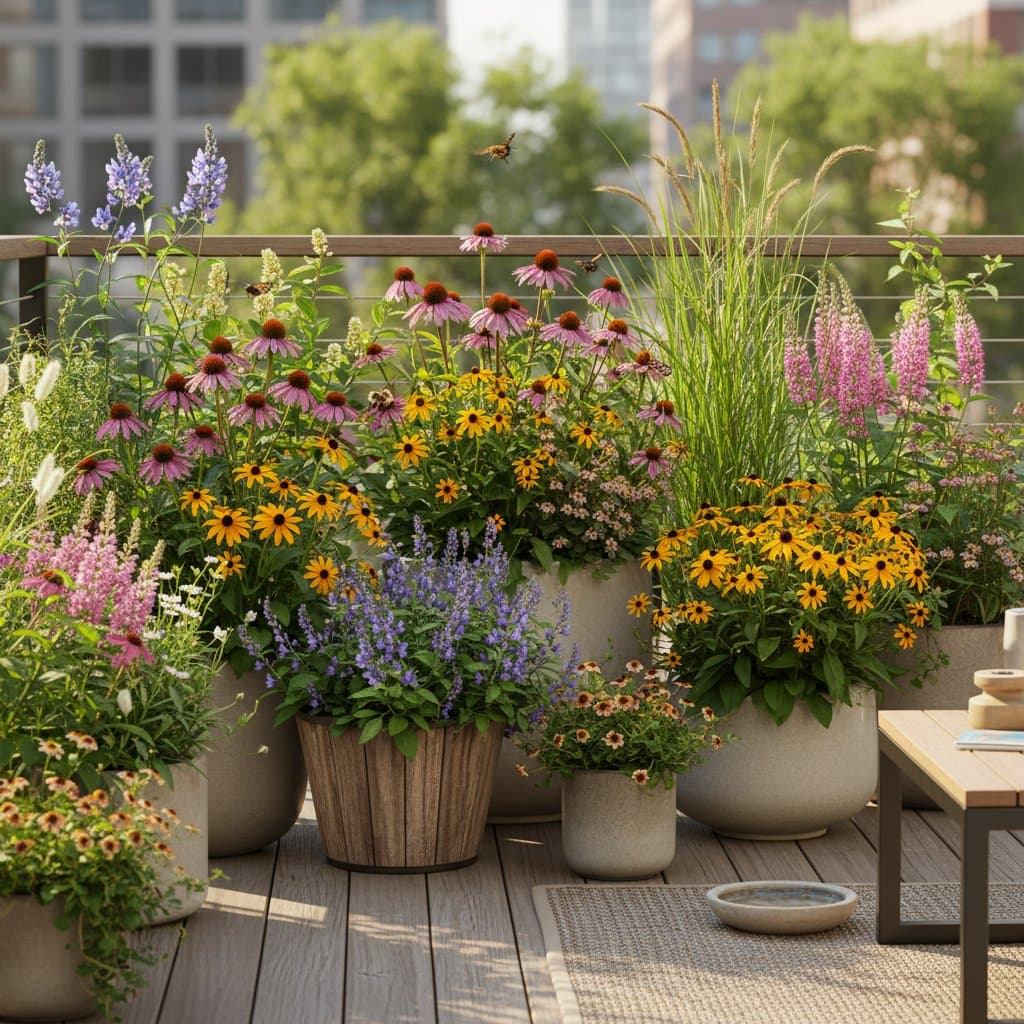
Decks serve purposes beyond seating and grilling. They can sustain bee populations, draw butterflies, and moderate temperatures during warm weather. A pocket prairie introduces meadow tranquility to limited outdoor areas. Native wildflowers, combined with containers and consistent attention, make this achievable without vast land or ideal ground conditions.

This guide provides a step-by-step process to establish a pocket prairie on a deck, maintain its vitality, and appreciate the wildlife it attracts.

Overview

A pocket prairie consists of a compact arrangement of native grasses and wildflowers designed to replicate the expansive grasslands that historically dominated much of the landscape. On a deck, this arrangement functions as a dynamic mosaic that bolsters pollinators, enhances drainage, and tempers the rigidity of concrete or wood surfaces. A configuration spanning just ten square feet can accommodate numerous insects and multiple bird varieties.

The objective involves developing a resilient planting that demands reduced irrigation, minimal chemical interventions, and infrequent pruning compared to conventional container gardens. By selecting plants adapted to local climate and soil conditions, they flourish with little assistance.

Tools and Materials

Begin modestly by assembling these essentials prior to planting:

  • Containers: Select three to five deep pots, each measuring at least 12 inches in width and 10 inches in depth. Ensure they feature drainage holes.
  • Soil mix: Blend two parts potting soil with one part coarse sand or fine gravel to promote drainage.
  • Native seeds or plugs: Choose six to eight species from regional prairie recommendations. Incorporate a balance of grasses and wildflowers.
  • Mulch: Apply fine bark or shredded leaves to cover the soil surface.
  • Watering can or drip line: Opt for gentle application to avoid displacing soil.
  • Labels: Use them to identify each species, facilitating monitoring of growth patterns and bloom schedules.

Consider optional enhancements such as a moisture meter for precise hydration checks, a compact trellis for upright plants, and a shallow dish filled with pebbles for pollinator water sources.

Steps

1. Choose the Right Spot

Identify a sunlit portion of the deck receiving a minimum of six hours of direct sunlight daily. Verify that the deck structure supports the load of multiple large pots filled with saturated soil. Distribute containers uniformly to prevent uneven stress, avoiding concentration in a single area.

2. Prepare Containers

Fill each pot to two-thirds capacity with the prepared soil mix, reserving approximately two inches at the top for mulch. Effective drainage mitigates root rot risks, so confirm that water flows unobstructed from the base.

3. Select Native Plants

Incorporate a variety of warm-season grasses, such as little bluestem, alongside wildflowers like purple coneflower, black-eyed Susan, and butterfly milkweed. Steer clear of hybrid varieties that offer limited pollen or nectar. Include at least one early-season bloomer, one mid-season option, and one late-season variety to ensure continuous flowering throughout the growing period.

4. Plant in Layers

Position taller grasses toward the rear or center of the arrangement. Surround them with medium-height perennials, and place low-growing species along the edges. Maintain roughly six inches of spacing between plugs to allow root expansion. Firmly press soil around each stem, then irrigate gradually until water emerges from the drainage holes.

5. Add Mulch and Water

Apply a one-inch layer of mulch to retain moisture and suppress weed growth. Irrigate daily during the initial week, then reduce to every two or three days as roots establish.

6. Support Pollinators

Incorporate a shallow saucer containing pebbles and water to provide a safe drinking spot for bees. If area permits, add a bundle of hollow stems or bamboo sections for nesting sites. Eliminate all pesticides, including organic formulations, as they can adversely affect helpful insects.

7. Observe and Adjust

Monitor plant performance to identify thriving and struggling specimens. Reposition pots if certain areas receive excessive shade. Remove only deceased stalks or seed heads after birds have harvested seeds.

Safety Tips

  • Confirm deck weight capacities before placing substantial containers, as moist soil exceeds 10 pounds per gallon.
  • Don Gloves when working with soil or mulch to avoid skin irritation or minor injuries.
  • Instruct children to approach flowering areas calmly if bees appear, as most species disregard undisturbed humans.

Troubleshooting

Problem: Plants exhibit rapid wilting or yellowing.
Cause: Inadequate drainage or excessive watering.
Fix: Remove standing water from saucers and inspect drainage holes for blockages. Incorporate additional coarse sand if the soil remains waterlogged.

Problem: Blooms fail to develop in abundance.
Cause: Insufficient sunlight or overly fertile soil.
Fix: Relocate pots to full-sun exposure and refrain from applying fertilizers. Native prairie species perform best in nutrient-poor conditions.

Problem: Weeds emerge amid the flowers.
Cause: Seeds carried by wind or residues from potting soil.
Fix: Extract weeds promptly while they remain small, then replenish the mulch layer by half an inch.

Budget and Time

Establishing a pocket prairie typically costs between $60 and $120, varying with container dimensions and plant selections. Seeds prove more economical but require extended maturation periods. Plugs offer quicker blooming and greater reliability. Assembly and planting demand approximately two to three hours.

Ongoing care remains straightforward. Plan for watering three times weekly during peak heat and pruning on two occasions per season. As plants mature and spread, they naturally suppress most weeds, streamlining future efforts.

Maintenance

Sustain the health of your pocket prairie through these practices:

  • Water deeply once or twice weekly, favoring thorough saturation over frequent light applications to strengthen root systems.
  • Deadhead faded flowers to promote additional blooming, while retaining select seed heads for avian foraging.
  • Cut back grasses to six inches in early spring, prior to the emergence of new growth.
  • Renew soil biennially by replacing the upper two inches and integrating fresh sand.

Should pollinator activity decline, introduce more nectar-abundant varieties such as bergamot or coreopsis to revitalize the mix.

Seasonal Reminders

Seasonal shifts necessitate targeted upkeep to maintain vibrancy.

Spring: Prune remnants of previous growth and verify drainage integrity. Address sparse areas with replanting and apply a light compost topping.

Summer: Maintain consistent moisture amid heat spells, particularly in pots. Document sightings of butterflies and bees to track ecosystem success.

Fall: Permit seeding for bird sustenance. Gather surplus seeds for distribution or future expansions.

Winter: Retain desiccated stems for winter shelter. Remove solely damaged or decaying elements.

This rhythmic progression ensures year-round deck vitality, transcending mere floral displays.

Smart Storage Moves

Organize supplies efficiently to facilitate prompt care routines.

  • Store reserve soil in sealed containers beneath the deck or a bench.
  • Suspend hand tools from wall-mounted hooks within a compact cabinet.
  • Preserve seed packets in labeled, airtight jars by species.
  • Position a dedicated watering can adjacent to the entry for immediate use.

Such organization preserves deck neatness while supporting plant vigor.

When to Call a Professional

Consult a structural engineer if deck load-bearing concerns arise, especially for elevated or older constructions. Engage a local horticulturist for region-specific plant advice or if invasive species threaten the setup. Professional landscapers prove valuable for scaling beyond initial small containers or integrating irrigation systems.

Your Next Steps

Commence with a single container to test sunlight and plant compatibility in your space. Source natives from nearby nurseries to guarantee adaptation. As confidence grows, expand the prairie footprint and share observations with community gardening groups. This initiative not only beautifies your deck but also contributes to broader pollinator conservation efforts.

You Might Also Like

Solar Drip Systems Keep Deck Gardens Watered Automatically

Glass Deck Floors That Skylight the Space Below

Mycelium Boards Replace Wood in Sustainable Decking

Cut Deck Noise with Acoustic Privacy Screens

Deck Benches That Turn Scraps Into Garden Soil

Tagged:

deck,wildflowers,pocket,native,pollinator,native-wildflowers,pollinator-deck,prairie,pocket-prairie

Recent by Sheila Spaulding

Image for Solar Pavers Convert Steps and Sunlight Into Power

Solar Pavers Convert Steps and Sunlight Into Power

Feb 2, 2026
Image for Grow 30 Plants in 2 Feet Using Nutrient Mist

Grow 30 Plants in 2 Feet Using Nutrient Mist

Feb 1, 2026
Image for Mycelium Boards Replace Wood in Sustainable Decking

Mycelium Boards Replace Wood in Sustainable Decking

Feb 1, 2026
Image for Solar Pergolas Turn Small Patios Into Power Sources

Solar Pergolas Turn Small Patios Into Power Sources

Feb 1, 2026
Image for Stop Balcony Noise With Layers That Block and Absorb Sound

Stop Balcony Noise With Layers That Block and Absorb Sound

Jan 31, 2026

deck

Image for Solar Drip Systems Keep Deck Gardens Watered Automatically

Solar Drip Systems Keep Deck Gardens Watered Automatically

Feb 2, 2026
Image for Glass Deck Floors That Skylight the Space Below

Glass Deck Floors That Skylight the Space Below

Feb 2, 2026
Image for Mycelium Boards Replace Wood in Sustainable Decking

Deck Construction & Remodeling

Solar Drip Systems Keep Deck Gardens Watered Automatically

Elevate your deck gardening with solar-powered drip irrigation for precise, hands-free watering. This guide covers final setup steps, safety measures, common fixes, cost breakdowns, and year-round care to foster healthy plants with minimal intervention.

Feb 2, 2026

Solar Pavers Convert Steps and Sunlight Into Power

Elevate your outdoor paths with solar pavers that generate electricity from sunlight and movement. This comprehensive resource outlines functionality, step-by-step setup, budgeting, troubleshooting, and ways to apply the power for lighting or devices—all while promoting green living.

Feb 2, 2026

Glass Deck Floors That Skylight the Space Below

Elevate your deck design with glass floor panels that function as skylights, flooding lower areas with natural light while delivering a sleek, contemporary look. This resource provides in-depth coverage of benefits, essential materials, step-by-step installation, safety protocols, maintenance routines, and guidance on when to hire experts—all to optimize your outdoor environment for light, style, and longevity.

Categories

Deck Construction & Remodeling(158)
Balcony Design(146)
Small-Space Gardens(63)
Rooftop Decks(50)
Backyard Design(18)

Mycelium Boards Replace Wood in Sustainable Decking

Feb 1, 2026
Image for Cut Deck Noise with Acoustic Privacy Screens

Cut Deck Noise with Acoustic Privacy Screens

Feb 1, 2026
Image for Deck Benches That Turn Scraps Into Garden Soil

Deck Benches That Turn Scraps Into Garden Soil

Jan 31, 2026
Feb 2, 2026

Mycelium Boards Replace Wood in Sustainable Decking

Mycelium decking redefines sustainable outdoor design with boards cultivated from fungal roots and agricultural waste. These lightweight, compostable planks match wood's strength while minimizing environmental impact. This guide covers planning, installation, and care for a resilient, green yard addition.

Feb 1, 2026

Cut Deck Noise with Acoustic Privacy Screens

Turn urban deck noise into peaceful quiet with acoustic privacy screens. Explore sound-blocking options, step-by-step installation, upkeep advice, and cost-effective choices for a more enjoyable outdoor space throughout the year.

Feb 1, 2026

Deck Benches That Turn Scraps Into Garden Soil

Convert your deck into an eco-friendly oasis with a composting bench that serves as both comfortable seating and efficient soil producer. This comprehensive guide details construction steps, material needs, troubleshooting, and seasonal care to minimize waste and maximize garden yields.

Jan 31, 2026

Permeable Pavers Stop Flooding and Raise Property Value

Permeable pavers convert waterlogged areas into resilient, environmentally friendly surfaces. Water infiltrates through paver joints and stone bases, minimizing runoff, safeguarding structures, and elevating aesthetic appeal. This comprehensive guide details installation processes, upkeep routines, and financial considerations to demonstrate how these pavers promote sustainability, property enhancement, and enduring outdoor usability.

Jan 29, 2026

Turn Your Deck into a Clean Energy Generator

Elevate your deck into a sustainable solar energy source with integrated pavers that merge aesthetics and efficiency. This guide covers sunlight evaluation, circuit planning, durable tile installation, performance upkeep, expense details, safety protocols, and professional consultation needs to create a self-powered outdoor retreat.

Jan 29, 2026

Solar Pavers Turn Sunlight Into Outdoor Power

Elevate your outdoor areas with solar pavers, robust tiles that capture sunlight to generate power for lighting, charging stations, and appliances. This guide covers their functionality, required materials, and detailed installation instructions to build an efficient, wire-free environment that blends practicality with aesthetic appeal.

Jan 28, 2026

Mycelium Decks Replace Wood With Living Fungi Material

Mycelium, the intricate root system of fungi, emerges as a groundbreaking material for decking. This renewable and biodegradable option provides the durability of wood with a fraction of the environmental impact. Readers will gain insights into installation, maintenance, and benefits to create an outdoor haven that aligns with sustainable living principles.

Jan 27, 2026

Deck Pods Turn Open Decks into Year-Round Rooms

Convert your deck into a protected, inviting extension of your home using modular deck pods. This comprehensive guide covers planning, assembly, and upkeep for these adaptable structures, including required tools, safety protocols, and enhancements to achieve a durable, stylish outdoor space that provides year-round utility.

Jan 26, 2026

Solar Shade Sails Generate Power While Cooling Your Deck

Elevate your deck with solar shade sails that offer respite from the sun while harnessing solar power for everyday use. These versatile structures blend comfort with eco-friendly energy generation. Explore practical steps for installation, upkeep, and optimization to create an inviting, self-sustaining outdoor haven.

Jan 26, 2026

Cool Your Deck 15° with Solar Shade Sails

Counter summer deck heat with solar shade sails capable of reducing temperatures by up to 15 degrees. These tensioned fabric panels effectively block UV rays, improve airflow, and install in just one day. Gain insights into required tools, essential safety measures, and maintenance strategies for extended outdoor enjoyment.

Jan 25, 2026

Why Permeable Decks Stay 20 Degrees Cooler

Permeable decks address intense summer heat by facilitating airflow and water passage, which dissipates trapped warmth and maintains surfaces up to 20 degrees cooler. Incorporating light-colored materials, strategic gaps, and evaporative cooling, these decks foster inviting, sustainable outdoor areas that require low maintenance and provide enduring relief from hot surfaces.

Jan 25, 2026

Solar Pergolas Cut City Heat While Powering Your Deck

Elevate your compact urban deck with a solar pergola that delivers shade, produces renewable energy, and enhances sustainability. This comprehensive guide includes planning strategies, material choices, step-by-step installation, safety protocols, and upkeep tips to achieve a cooler, cost-effective outdoor area while increasing home value on a practical budget.

Jan 24, 2026

Fungal Fibers That Replace Wood Decks and Compost Clean

Mycelium decks redefine urban outdoor spaces through sustainable, compostable panels derived from fungal networks. These lightweight, durable alternatives to wood or plastic utilize agricultural waste. Follow this guide to cultivate, process, install, and maintain them for environmentally conscious urban design.

Jan 24, 2026

Misting Systems Drop Deck Temps 20° Fast

Misting systems transform hot decks into inviting spaces by reducing temperatures up to 20 degrees. This guide details planning, installation, maintenance, and optimization strategies for safe, effective cooling throughout the season.

Jan 22, 2026

UV Shade Sails Drop Deck Temps 20 Degrees

Combat summer heat and safeguard your deck using UV shade sails. This comprehensive guide details selection, installation, and upkeep strategies that reduce surface temperatures, avert color fading, and prolong deck longevity. Explore required tools, safety measures, common issues, and professional insights to create a fashionable, protected outdoor haven.

Jan 22, 2026

Shade Sails That Follow the Sun All Day Long

Automatic sun-tracking shade sails adjust their position to follow the sun, providing consistent shade and comfort on decks and patios. This comprehensive guide explains the technology, step-by-step installation, essential safety measures, ongoing maintenance, associated costs, and strategies to maximize durability and efficiency in your outdoor environment.

Jan 21, 2026

AI Cameras That Water Plants and Deter Deck Pests

Elevate your urban deck into an automated oasis with AI cameras that identify pests, optimize irrigation, and reduce upkeep. These intelligent systems leverage computer vision to safeguard plants, promote efficient water use, and deliver seamless outdoor enjoyment via straightforward installation and reliable performance.

Jan 21, 2026