Loading...

Natural Acoustic Panels Reduce Deck Noise by 10dB | urbanoutdoorsnyc.com | Urban Outdoors - Small-Space Gardens, Rooftop Decks, Balconies, Decks, Backyard Design
Skip to main content
Urban Outdoors
Search
Home
  1. Home
  2. /
  3. Deck Construction & Remodeling
  4. /
  5. Natural Panels Cut Deck Noise by 10 Decibels
Deck Construction & Remodeling

Natural Panels Cut Deck Noise by 10 Decibels

bySheila Spaulding
2025-10-17 04:17:03October 17, 2025
6 min read
Featured image for Natural Panels Cut Deck Noise by 10 Decibels

Categories

Navigation

  • Home
  • All Articles
  • About Us
  • Privacy Policy
  • Terms of Service

© 2026 Urban Outdoors. Crafted for bold city dwellers.

2025-10-17 04:17:03
Urban Outdoors - Small-Space Gardens, Rooftop Decks, Balconies, Decks, Backyard Design

Creating Tranquil Urban Decks: How Natural Panels Mitigate Neighbor and City Noise

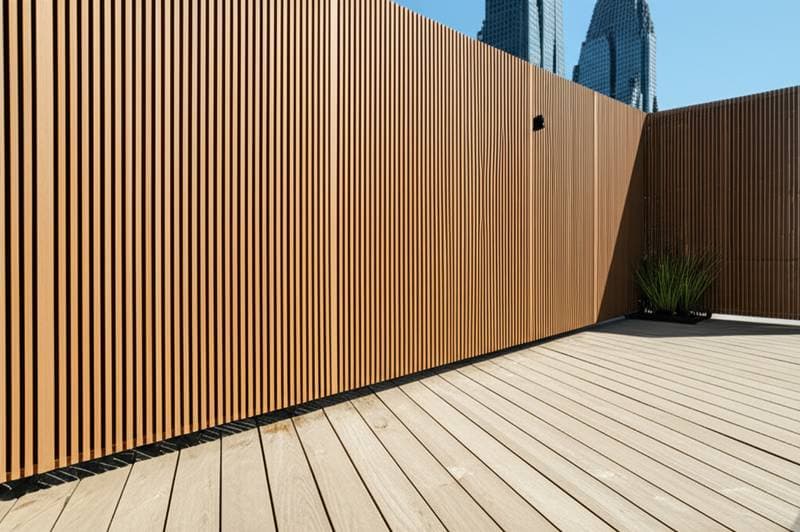
Urban decks frequently expose residents to intrusive sounds from neighbors, traffic, or nearby activities. Natural acoustic panels address this challenge by absorbing and diffusing noise, fostering a sense of seclusion. These panels enable relaxation, conversation, or quiet reflection without the disruption of ambient urban clamor. The objective remains straightforward: to savor outdoor time amid fresh air while minimizing the city's relentless auditory backdrop.

This resource outlines the essentials of natural acoustic panels, their operational principles, procurement guidance, and secure installation methods. Readers gain insights into constructing a serene enclosure that harmonizes aesthetics with durability across varying weather conditions.

Understanding Natural Acoustic Panels

Natural acoustic panels consist of sound-absorbing structures crafted from sustainable elements such as plant-based fibers, wood composites, cork, or recycled textiles. These materials disrupt noise propagation and diminish reverberations. In deck or balcony applications, they effectively attenuate vehicular sounds, vocal exchanges, and mechanical hums from adjacent systems.

Noise travels via waves that reflect off rigid surfaces, amplifying volume. Panels with inherent texture and density dissipate wave energy prior to arrival at the listening area. Strategic placement yields a reduction of 5 to 10 decibels, transforming intrusive dialogue into a subdued murmur. The outcome delivers enhanced comfort rather than absolute quietude.

Essential Tools and Materials

Assemble the following components prior to commencement, scaling quantities to accommodate deck dimensions and configuration.

Materials

  • 6 to 10 panels measuring 2 by 4 feet
  • Mounting rails or wooden slats, 2 inches in width
  • Galvanized screws, 1.5 inches in length
  • Weather-resistant sealant or oil-based finish
  • Adhesive suitable for outdoor use to reinforce attachment
  • Corner brackets or L-shaped braces for structural support
  • Optional: Vining plants or bamboo screens to introduce additional texture

Tools

  • Tape measure for precise dimensions
  • Level to ensure even alignment
  • Drill equipped with appropriate driver bits
  • Saw, either power or hand-operated, for panel adjustments
  • Paintbrush or roller for applying finishes
  • Protective eyewear and gloves

Anticipate 3 hours for modest decks or 6 hours for expansive ones. Collaborate with an assistant to manage heavier panels safely.

Installation Process

1. Measure and Design the Layout

Determine the deck's perimeter and vertical extent for panel placement. Position the upper edge at approximately 6 feet above the deck surface to optimize privacy. Incorporate 1-inch intervals between panels to facilitate ventilation. Draft a schematic to visualize panel arrangements and avoid overlaps.

2. Prepare Mounting Surfaces

Scrub railings or walls targeted for attachment to eliminate debris, flaking paint, or residual moisture. A pristine base promotes reliable adhesion. Permit complete drying to avert future detachment issues.

3. Secure Mounting Rails

Affix wooden slats in vertical or horizontal orientation based on the intended aesthetic. Space them uniformly at 16-inch intervals. Fasten with galvanized screws to resist corrosion. Verify plumb and level positioning. These rails establish a robust framework while the resulting air pocket behind panels enhances acoustic performance.

4. Affix Panels to Rails

Hoist panels onto the prepared rails. Fasten via screws at corner and central points. Apply torque sufficient for stability without deforming the material. For augmented security, dispense a narrow line of outdoor adhesive along rail edges before seating panels.

5. Apply Protective Finishes

Distribute weatherproof oil or sealant evenly across surfaces to shield against elemental exposure. Renew applications annually to preserve material integrity. This treatment particularly benefits cork or wood-fiber variants by inhibiting fungal growth.

6. Integrate Vegetative Elements

Suspend vining flora or position elevated planters adjacent to panels. Such additions serve as supplementary acoustic buffers and elevate visual appeal. Select compact varieties like ivy, jasmine, or dwarf bamboo to maintain manageability.

7. Evaluate Acoustic Effectiveness

Occupy various deck positions and assess ambient sound levels. Identify zones where noise persists and intervene with supplemental narrow panels or permeable fabric barriers. Incremental refinements often yield substantial improvements.

Key Safety Considerations

  • Don protective gloves and eyewear during drilling or sawing operations.
  • Verify railing load capacities prior to panel attachment.
  • Ensure unobstructed access to emergency exits and utility fixtures.
  • Steer clear of electrical conduits when positioning mounts.
  • Stabilize ladders securely and enlist spotter assistance for elevations exceeding 5 feet.

Should panels appear precarious or exceed railing tolerances, opt for freestanding frameworks. These employ identical materials yet distribute weight directly onto the deck flooring.

Common Issues and Resolutions

Issue: Panels deform following precipitation.
Resolution: Coat all panel faces with oil finish and incorporate drainage apertures at lower edges to expel accumulated water.

Issue: Audible gaps persist at perimeters.
Resolution: Insert foam gaskets or vegetative fillers to seal minor voids that permit sound transmission.

Issue: Rapid surface discoloration occurs.
Resolution: Employ ultraviolet-resistant coatings. Supplementary shade from cloth overlays or climbing foliage further mitigates solar degradation.

Cost Estimates and Timeline

Budget $150 to $350 for compact decks, escalating to $600 for broader areas. Expenditures vary with material composition and treatments. Economical options like cork or hemp composites require frequent sealing, whereas durable bamboo or wood fibers demand consideration for added mass. Fasteners and adhesives contribute roughly $20 overall.

Project duration aligns with complexity, typically spanning a weekend. Factor in curing periods for finishes before reinstating plants or furnishings.

Ongoing Maintenance Practices

Conduct seasonal inspections for fastener security, fractures, or mold presence. Gently cleanse with diluted soap and a soft-bristled brush. Refrain from high-pressure rinsing, which erodes protective layers and compromises fibers. Reapply sealant annually or upon detecting surface aridity.

Periodically reposition vining plants to prevent intrusion into joints. Prune to maintain a 2-inch clearance from panel margins, promoting circulation and curbing dampness accumulation.

Seasonal Care Guidelines

Spring:

  • Examine panels post-winter exposure.
  • Refresh oil coatings on lackluster areas.
  • Secure any displaced fittings.

Summer:

  • Dislodge accumulated dust and allergens with light rinsing.
  • Guide vine growth to uniformly address gaps.
  • Monthly verify screw integrity amid social use.

Fall:

  • Remove foliage debris from bases.
  • Bolster sealant prior to temperature drops.
  • Offset planters slightly from panels to inhibit decay.

Winter:

  • Delicately remove snow accumulations.
  • Prevent contact from de-icing tools or materials.
  • Encase vulnerable edges in tarpaulin during severe forecasts.

Efficient Storage Strategies

Stow reserve panels horizontally in sheltered locales like garages or outbuildings. Elevate upon slatted platforms away from concrete floors. Annotate pieces by dimensions or placement for streamlined substitutions. Maintain a dedicated kit of compatible hardware for prompt repairs.

Professional Assistance Indicators

Engage a carpenter or contractor for structurally compromised or metallic railings; they reinforce as needed before installation. Consult acoustic experts for shared-wall scenarios requiring advanced attenuation. Inquire about Sound Transmission Class (STC) metrics, targeting 25 or above for exterior applications.

Finalizing Your Serene Deck Setup

Constructing a peaceful deck involves methodical layering: precise measurements, steadfast anchoring, comprehensive sealing, and strategic greening. Retain a compact maintenance kit for routine verifications. The payoff manifests as an insulated outdoor sanctuary resilient to urban din.

Initiate with a single railing segment to gauge acoustic gains. Upon experiencing the newfound serenity, proceed to complete the installation.

You Might Also Like

Cut Deck Noise with Acoustic Privacy Screens

Solar Pergolas Turn Small Patios Into Power Sources

Stop Balcony Noise With Layers That Block and Absorb Sound

How Urban Gardens Cut City Noise by 70%

Wind Screens That Tame Rooftop Gusts Without Blocking Views

Tagged:

Privacy,acoustic,panels,privacy solutions,acoustic-panels,sound,solutions,barriers,sound-barriers

Recent by Sheila Spaulding

Image for Solar Pavers Convert Steps and Sunlight Into Power

Solar Pavers Convert Steps and Sunlight Into Power

Feb 2, 2026
Image for Grow 30 Plants in 2 Feet Using Nutrient Mist

Grow 30 Plants in 2 Feet Using Nutrient Mist

Feb 1, 2026
Image for Mycelium Boards Replace Wood in Sustainable Decking

Mycelium Boards Replace Wood in Sustainable Decking

Feb 1, 2026
Image for Solar Pergolas Turn Small Patios Into Power Sources

Solar Pergolas Turn Small Patios Into Power Sources

Feb 1, 2026
Image for Stop Balcony Noise With Layers That Block and Absorb Sound

Stop Balcony Noise With Layers That Block and Absorb Sound

Jan 31, 2026

Privacy

Image for Stop Balcony Noise With Layers That Block and Absorb Sound

Stop Balcony Noise With Layers That Block and Absorb Sound

Jan 31, 2026
Image for Wind Screens That Tame Rooftop Gusts Without Blocking Views

Wind Screens That Tame Rooftop Gusts Without Blocking Views

Jan 27, 2026
Image for Garden Walls That Cut Balcony Noise by Decibels

Deck Construction & Remodeling

Solar Drip Systems Keep Deck Gardens Watered Automatically

Elevate your deck gardening with solar-powered drip irrigation for precise, hands-free watering. This guide covers final setup steps, safety measures, common fixes, cost breakdowns, and year-round care to foster healthy plants with minimal intervention.

Feb 2, 2026

Solar Pavers Convert Steps and Sunlight Into Power

Elevate your outdoor paths with solar pavers that generate electricity from sunlight and movement. This comprehensive resource outlines functionality, step-by-step setup, budgeting, troubleshooting, and ways to apply the power for lighting or devices—all while promoting green living.

Feb 2, 2026

Glass Deck Floors That Skylight the Space Below

Elevate your deck design with glass floor panels that function as skylights, flooding lower areas with natural light while delivering a sleek, contemporary look. This resource provides in-depth coverage of benefits, essential materials, step-by-step installation, safety protocols, maintenance routines, and guidance on when to hire experts—all to optimize your outdoor environment for light, style, and longevity.

Categories

Deck Construction & Remodeling(158)
Balcony Design(146)
Small-Space Gardens(63)
Rooftop Decks(50)
Backyard Design(18)

Garden Walls That Cut Balcony Noise by Decibels

Jan 24, 2026
Image for Acoustic Walls Cut Neighbor Noise Without Renovating

Acoustic Walls Cut Neighbor Noise Without Renovating

Jan 18, 2026
Image for Sound-Blocking Panels Cut Deck Noise Without Rebuilding

Sound-Blocking Panels Cut Deck Noise Without Rebuilding

Jan 17, 2026
Feb 2, 2026

Mycelium Boards Replace Wood in Sustainable Decking

Mycelium decking redefines sustainable outdoor design with boards cultivated from fungal roots and agricultural waste. These lightweight, compostable planks match wood's strength while minimizing environmental impact. This guide covers planning, installation, and care for a resilient, green yard addition.

Feb 1, 2026

Cut Deck Noise with Acoustic Privacy Screens

Turn urban deck noise into peaceful quiet with acoustic privacy screens. Explore sound-blocking options, step-by-step installation, upkeep advice, and cost-effective choices for a more enjoyable outdoor space throughout the year.

Feb 1, 2026

Deck Benches That Turn Scraps Into Garden Soil

Convert your deck into an eco-friendly oasis with a composting bench that serves as both comfortable seating and efficient soil producer. This comprehensive guide details construction steps, material needs, troubleshooting, and seasonal care to minimize waste and maximize garden yields.

Jan 31, 2026

Permeable Pavers Stop Flooding and Raise Property Value

Permeable pavers convert waterlogged areas into resilient, environmentally friendly surfaces. Water infiltrates through paver joints and stone bases, minimizing runoff, safeguarding structures, and elevating aesthetic appeal. This comprehensive guide details installation processes, upkeep routines, and financial considerations to demonstrate how these pavers promote sustainability, property enhancement, and enduring outdoor usability.

Jan 29, 2026

Turn Your Deck into a Clean Energy Generator

Elevate your deck into a sustainable solar energy source with integrated pavers that merge aesthetics and efficiency. This guide covers sunlight evaluation, circuit planning, durable tile installation, performance upkeep, expense details, safety protocols, and professional consultation needs to create a self-powered outdoor retreat.

Jan 29, 2026

Solar Pavers Turn Sunlight Into Outdoor Power

Elevate your outdoor areas with solar pavers, robust tiles that capture sunlight to generate power for lighting, charging stations, and appliances. This guide covers their functionality, required materials, and detailed installation instructions to build an efficient, wire-free environment that blends practicality with aesthetic appeal.

Jan 28, 2026

Mycelium Decks Replace Wood With Living Fungi Material

Mycelium, the intricate root system of fungi, emerges as a groundbreaking material for decking. This renewable and biodegradable option provides the durability of wood with a fraction of the environmental impact. Readers will gain insights into installation, maintenance, and benefits to create an outdoor haven that aligns with sustainable living principles.

Jan 27, 2026

Deck Pods Turn Open Decks into Year-Round Rooms

Convert your deck into a protected, inviting extension of your home using modular deck pods. This comprehensive guide covers planning, assembly, and upkeep for these adaptable structures, including required tools, safety protocols, and enhancements to achieve a durable, stylish outdoor space that provides year-round utility.

Jan 26, 2026

Solar Shade Sails Generate Power While Cooling Your Deck

Elevate your deck with solar shade sails that offer respite from the sun while harnessing solar power for everyday use. These versatile structures blend comfort with eco-friendly energy generation. Explore practical steps for installation, upkeep, and optimization to create an inviting, self-sustaining outdoor haven.

Jan 26, 2026

Cool Your Deck 15° with Solar Shade Sails

Counter summer deck heat with solar shade sails capable of reducing temperatures by up to 15 degrees. These tensioned fabric panels effectively block UV rays, improve airflow, and install in just one day. Gain insights into required tools, essential safety measures, and maintenance strategies for extended outdoor enjoyment.

Jan 25, 2026

Why Permeable Decks Stay 20 Degrees Cooler

Permeable decks address intense summer heat by facilitating airflow and water passage, which dissipates trapped warmth and maintains surfaces up to 20 degrees cooler. Incorporating light-colored materials, strategic gaps, and evaporative cooling, these decks foster inviting, sustainable outdoor areas that require low maintenance and provide enduring relief from hot surfaces.

Jan 25, 2026

Solar Pergolas Cut City Heat While Powering Your Deck

Elevate your compact urban deck with a solar pergola that delivers shade, produces renewable energy, and enhances sustainability. This comprehensive guide includes planning strategies, material choices, step-by-step installation, safety protocols, and upkeep tips to achieve a cooler, cost-effective outdoor area while increasing home value on a practical budget.

Jan 24, 2026

Fungal Fibers That Replace Wood Decks and Compost Clean

Mycelium decks redefine urban outdoor spaces through sustainable, compostable panels derived from fungal networks. These lightweight, durable alternatives to wood or plastic utilize agricultural waste. Follow this guide to cultivate, process, install, and maintain them for environmentally conscious urban design.

Jan 24, 2026

Misting Systems Drop Deck Temps 20° Fast

Misting systems transform hot decks into inviting spaces by reducing temperatures up to 20 degrees. This guide details planning, installation, maintenance, and optimization strategies for safe, effective cooling throughout the season.

Jan 22, 2026

UV Shade Sails Drop Deck Temps 20 Degrees

Combat summer heat and safeguard your deck using UV shade sails. This comprehensive guide details selection, installation, and upkeep strategies that reduce surface temperatures, avert color fading, and prolong deck longevity. Explore required tools, safety measures, common issues, and professional insights to create a fashionable, protected outdoor haven.

Jan 22, 2026

Shade Sails That Follow the Sun All Day Long

Automatic sun-tracking shade sails adjust their position to follow the sun, providing consistent shade and comfort on decks and patios. This comprehensive guide explains the technology, step-by-step installation, essential safety measures, ongoing maintenance, associated costs, and strategies to maximize durability and efficiency in your outdoor environment.

Jan 21, 2026

AI Cameras That Water Plants and Deter Deck Pests

Elevate your urban deck into an automated oasis with AI cameras that identify pests, optimize irrigation, and reduce upkeep. These intelligent systems leverage computer vision to safeguard plants, promote efficient water use, and deliver seamless outdoor enjoyment via straightforward installation and reliable performance.

Jan 21, 2026