Loading...

Reduce Deck Heat by 20° Quickly with Shade Sails | urbanoutdoorsnyc.com | Urban Outdoors - Small-Space Gardens, Rooftop Decks, Balconies, Decks, Backyard Design
Skip to main content
Urban Outdoors
Search
Home
  1. Home
  2. /
  3. Deck Construction & Remodeling
  4. /
  5. Shade Sails Drop Deck Heat by 20 Degrees Fast
Deck Construction & Remodeling

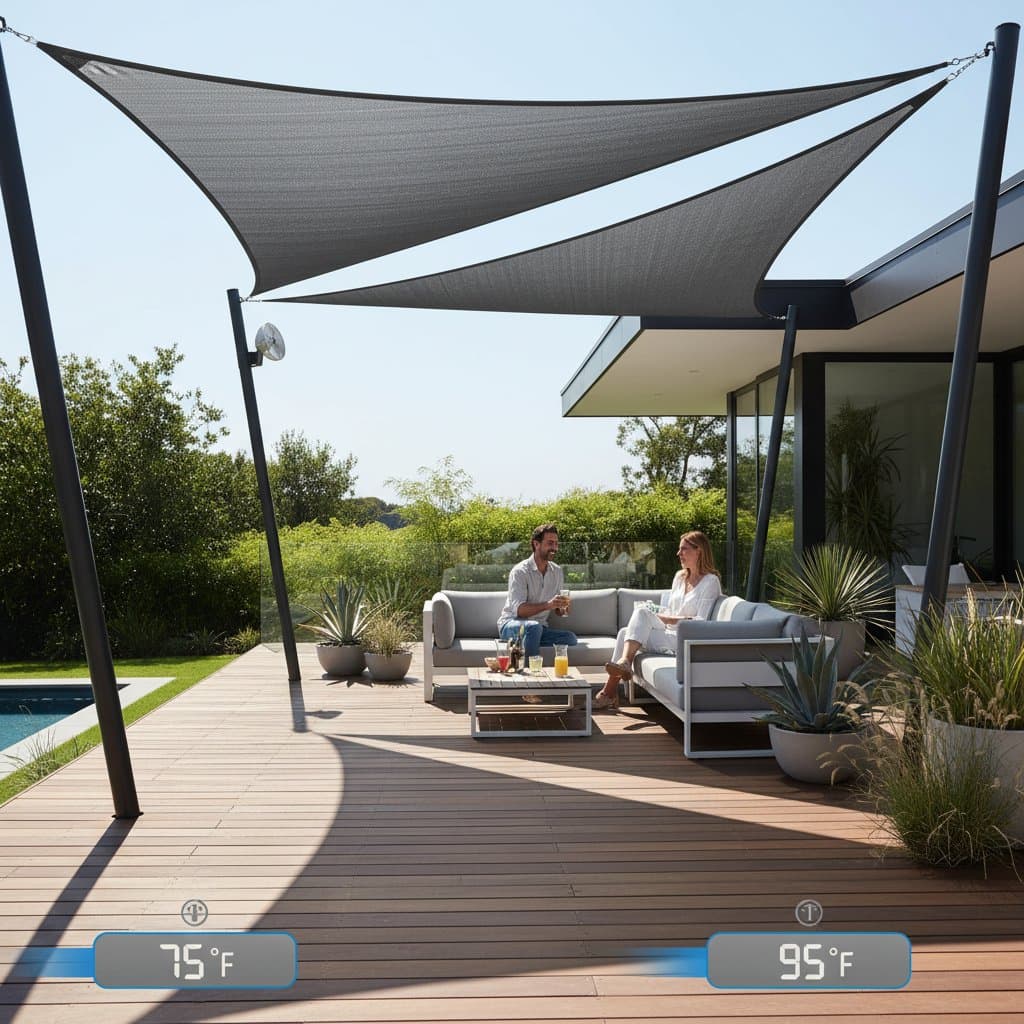
Shade Sails Drop Deck Heat by 20 Degrees Fast

byDawn Hayden
2025-11-23 04:11:03November 23, 2025
5 min read
Featured image for Shade Sails Drop Deck Heat by 20 Degrees Fast

Categories

Navigation

  • Home
  • All Articles
  • About Us
  • Privacy Policy
  • Terms of Service

© 2026 Urban Outdoors. Crafted for bold city dwellers.

2025-11-23 04:11:03
Urban Outdoors - Small-Space Gardens, Rooftop Decks, Balconies, Decks, Backyard Design

Step 3: Attach the Sail

Secure one corner of the shade sail to each designated anchor point with snap hooks or turnbuckles. Initially, position the turnbuckles halfway open to allow flexibility during attachment. After connecting all corners, gradually tighten each turnbuckle in equal increments until the fabric achieves a taut, wrinkle-free state without any sagging. The installed sail must remain stable and resist flapping even in moderate breezes.

Should minor wrinkles form, fine-tune the height of one corner upward or downward for correction. Aim for a uniformly smooth and balanced surface to ensure optimal performance and aesthetics.

Step 4: Verify Tension and Drainage

Test the drainage by spraying water evenly across the sail's surface and observing the flow toward the designated lower edge. Confirm that every anchor point remains secure with no detectable shifting under applied pressure. Plan to perform a slight re-tightening after 24 hours, as the fabric often settles into its final position during this period.

Step 5: Evaluate Shade Coverage

Position yourself in the intended seating or lounging areas on the deck. Monitor the sun's position at midday to verify consistent shading over the target zone. If coverage proves inadequate, reposition one corner or adjust an anchor point by a few inches. Even minor modifications can significantly enhance the shaded area's effectiveness.

Troubleshooting Common Issues

Well-installed shade sails occasionally require minor adjustments. The following outlines frequent problems, targeted solutions, explanations of their effectiveness, and follow-up actions.

Problem: Fabric develops a sag in the center.
Solution: Increase tension on all turnbuckles by a half-turn each, applied uniformly. If the issue persists, extend one anchor point outward by 2 to 3 inches.
Why it works: Even distribution of tension maintains the sail's rigidity and avoids water accumulation in low spots.
Next step: Inspect the tension again following the initial rainfall to ensure stability.

Problem: Excessive noise or flapping in windy conditions.
Solution: Install an additional anchor line for reinforcement or select a fabric with a weight of at least 320 grams per square meter.
Why it works: Greater mass and secured perimeters minimize vibrations and movement.
Next step: Perform weekly re-tensioning during periods of strong winds to preserve performance.

Problem: Inconsistent shade distribution.
Solution: Modify the slope or introduce a height variation of at least 6 inches between corners.
Why it works: A deliberate angle optimizes sunlight blockage across the entire deck surface.
Next step: Reassess shade patterns during peak sunlight hours for confirmation.

Problem: Water collects at a single edge.
Solution: Slightly loosen the tension on the highest corner to steepen the runoff gradient.
Why it works: Water naturally follows the path of least resistance, so an enhanced slope directs it away and reduces fabric stress.
Next step: Test drainage functionality after every significant rain event.

Proper Storage Practices

For seasonal removal or extended periods of non-use, handle the shade sail with care to extend its lifespan. Follow these steps to prepare it correctly.

  1. Gently rinse the surface to remove accumulated dust, pollen, or debris using a mild soap solution and soft brush.
  2. Allow the sail to air dry fully in a shaded area before any folding to prevent mildew formation.
  3. Fold the fabric along its existing seams rather than creating new creases, which could lead to permanent stress lines.
  4. Place the folded sail in a breathable storage bag or open fabric container; avoid sealed plastic to prevent trapped moisture.
  5. Organize all associated hardware, such as hooks and turnbuckles, in a clearly labeled container to avoid misplacement.

With these storage methods, a high-quality shade sail can endure 5 to 10 seasons, influenced by factors like direct sunlight exposure and prevailing wind intensities.

Seasonal Maintenance Schedule

Adapt your shade sail's care routine to seasonal changes for maximum durability and functionality. Key actions include the following.

Spring Preparation: Reinstall the sail only after a thorough cleaning and examination of anchors for corrosion. Replace any degraded cables or fittings immediately.
Summer Upkeep: Conduct monthly tension checks, as heat expansions and contractions may cause loosening over time.
Fall Cleanup: Remove and wash away seasonal buildup like fallen leaves or pollen prior to storage.
Winter Protection: Dismantle the sail if anticipated snow accumulation surpasses 10 pounds per square foot to avoid structural damage. Keep it indoors during harsh weather to safeguard against tears.

Set recurring calendar alerts to maintain this schedule effortlessly throughout the year.

Essential Insights

  • Shade sails provide rapid mitigation against deck heat and intense glare on patios and outdoor areas.
  • Achieving correct tension and an appropriate slope eliminates risks of sagging or water retention.
  • Fabrics rated for UV resistance safeguard both skin and deck materials from long-term degradation.
  • Routine, low-effort maintenance ensures longevity across multiple years of use.
  • Straightforward installation options position shade sails as a cost-effective enhancement for comfort and visual appeal.

Implementing Your Shade Sail Project

Begin the process by measuring your deck dimensions and drafting a simple layout diagram. Determine whether a single triangular sail suffices or if multiple rectangular panels arranged in an offset pattern offer superior coverage. Select a hardware kit compatible with your chosen anchor types for seamless integration.

Dedicate the upcoming weekend to the task: enlist a helper, erect the support posts, and secure the sail in place. Conduct a thorough shade test, make necessary adjustments, and experience the immediate comfort of cooler temperatures under diffused sunlight.

The sensation of reduced heat and serene, filtered illumination quickly demonstrates the value of this upgrade. Many homeowners regard shade sails as their most efficient enhancement to outdoor living spaces. Consistent cleaning, proper tensioning, and careful storage will ensure the sail continues to cool your deck, illuminate your surroundings softly, and simplify your enjoyment of the outdoors season after season.

You Might Also Like

Solar Drip Systems Keep Deck Gardens Watered Automatically

Glass Deck Floors That Skylight the Space Below

Mycelium Boards Replace Wood in Sustainable Decking

Cut Deck Noise with Acoustic Privacy Screens

Solar Pergolas Turn Small Patios Into Power Sources

Tagged:

outdoor,cooling,deck,shade,deck-cooling,sails,shade-sails,outdoor-shade

Recent by Dawn Hayden

Image for Glass Deck Floors That Skylight the Space Below

Glass Deck Floors That Skylight the Space Below

Feb 2, 2026
Image for Cut Deck Noise with Acoustic Privacy Screens

Cut Deck Noise with Acoustic Privacy Screens

Feb 1, 2026
Image for Deck Benches That Turn Scraps Into Garden Soil

Deck Benches That Turn Scraps Into Garden Soil

Jan 31, 2026
Image for Cool Balconies 15° Cheaper with Micro-Misting Systems

Cool Balconies 15° Cheaper with Micro-Misting Systems

Jan 30, 2026
Image for Living Sound Filters for City Apartments

Living Sound Filters for City Apartments

Jan 30, 2026

outdoor

Image for Micro-Misting Drops Balcony Temps 20 Degrees Fast

Micro-Misting Drops Balcony Temps 20 Degrees Fast

Jan 29, 2026
Image for Turn Your Deck into a Clean Energy Generator

Turn Your Deck into a Clean Energy Generator

Jan 29, 2026
Image for Micro-Pergola Pods Bring Patio Comfort to Tiny Balconies

Deck Construction & Remodeling

Solar Drip Systems Keep Deck Gardens Watered Automatically

Elevate your deck gardening with solar-powered drip irrigation for precise, hands-free watering. This guide covers final setup steps, safety measures, common fixes, cost breakdowns, and year-round care to foster healthy plants with minimal intervention.

Feb 2, 2026

Solar Pavers Convert Steps and Sunlight Into Power

Elevate your outdoor paths with solar pavers that generate electricity from sunlight and movement. This comprehensive resource outlines functionality, step-by-step setup, budgeting, troubleshooting, and ways to apply the power for lighting or devices—all while promoting green living.

Feb 2, 2026

Glass Deck Floors That Skylight the Space Below

Elevate your deck design with glass floor panels that function as skylights, flooding lower areas with natural light while delivering a sleek, contemporary look. This resource provides in-depth coverage of benefits, essential materials, step-by-step installation, safety protocols, maintenance routines, and guidance on when to hire experts—all to optimize your outdoor environment for light, style, and longevity.

Categories

Deck Construction & Remodeling(158)
Balcony Design(146)
Small-Space Gardens(63)
Rooftop Decks(50)
Backyard Design(18)

Micro-Pergola Pods Bring Patio Comfort to Tiny Balconies

Jan 29, 2026
Image for Cool Your Deck 15° with Solar Shade Sails

Cool Your Deck 15° with Solar Shade Sails

Jan 25, 2026
Image for Fold-Up Balcony Beds Turn City Patios Into Bedrooms

Fold-Up Balcony Beds Turn City Patios Into Bedrooms

Jan 23, 2026
Feb 2, 2026

Mycelium Boards Replace Wood in Sustainable Decking

Mycelium decking redefines sustainable outdoor design with boards cultivated from fungal roots and agricultural waste. These lightweight, compostable planks match wood's strength while minimizing environmental impact. This guide covers planning, installation, and care for a resilient, green yard addition.

Feb 1, 2026

Cut Deck Noise with Acoustic Privacy Screens

Turn urban deck noise into peaceful quiet with acoustic privacy screens. Explore sound-blocking options, step-by-step installation, upkeep advice, and cost-effective choices for a more enjoyable outdoor space throughout the year.

Feb 1, 2026

Deck Benches That Turn Scraps Into Garden Soil

Convert your deck into an eco-friendly oasis with a composting bench that serves as both comfortable seating and efficient soil producer. This comprehensive guide details construction steps, material needs, troubleshooting, and seasonal care to minimize waste and maximize garden yields.

Jan 31, 2026

Permeable Pavers Stop Flooding and Raise Property Value

Permeable pavers convert waterlogged areas into resilient, environmentally friendly surfaces. Water infiltrates through paver joints and stone bases, minimizing runoff, safeguarding structures, and elevating aesthetic appeal. This comprehensive guide details installation processes, upkeep routines, and financial considerations to demonstrate how these pavers promote sustainability, property enhancement, and enduring outdoor usability.

Jan 29, 2026

Turn Your Deck into a Clean Energy Generator

Elevate your deck into a sustainable solar energy source with integrated pavers that merge aesthetics and efficiency. This guide covers sunlight evaluation, circuit planning, durable tile installation, performance upkeep, expense details, safety protocols, and professional consultation needs to create a self-powered outdoor retreat.

Jan 29, 2026

Solar Pavers Turn Sunlight Into Outdoor Power

Elevate your outdoor areas with solar pavers, robust tiles that capture sunlight to generate power for lighting, charging stations, and appliances. This guide covers their functionality, required materials, and detailed installation instructions to build an efficient, wire-free environment that blends practicality with aesthetic appeal.

Jan 28, 2026

Mycelium Decks Replace Wood With Living Fungi Material

Mycelium, the intricate root system of fungi, emerges as a groundbreaking material for decking. This renewable and biodegradable option provides the durability of wood with a fraction of the environmental impact. Readers will gain insights into installation, maintenance, and benefits to create an outdoor haven that aligns with sustainable living principles.

Jan 27, 2026

Deck Pods Turn Open Decks into Year-Round Rooms

Convert your deck into a protected, inviting extension of your home using modular deck pods. This comprehensive guide covers planning, assembly, and upkeep for these adaptable structures, including required tools, safety protocols, and enhancements to achieve a durable, stylish outdoor space that provides year-round utility.

Jan 26, 2026

Solar Shade Sails Generate Power While Cooling Your Deck

Elevate your deck with solar shade sails that offer respite from the sun while harnessing solar power for everyday use. These versatile structures blend comfort with eco-friendly energy generation. Explore practical steps for installation, upkeep, and optimization to create an inviting, self-sustaining outdoor haven.

Jan 26, 2026

Cool Your Deck 15° with Solar Shade Sails

Counter summer deck heat with solar shade sails capable of reducing temperatures by up to 15 degrees. These tensioned fabric panels effectively block UV rays, improve airflow, and install in just one day. Gain insights into required tools, essential safety measures, and maintenance strategies for extended outdoor enjoyment.

Jan 25, 2026

Why Permeable Decks Stay 20 Degrees Cooler

Permeable decks address intense summer heat by facilitating airflow and water passage, which dissipates trapped warmth and maintains surfaces up to 20 degrees cooler. Incorporating light-colored materials, strategic gaps, and evaporative cooling, these decks foster inviting, sustainable outdoor areas that require low maintenance and provide enduring relief from hot surfaces.

Jan 25, 2026

Solar Pergolas Cut City Heat While Powering Your Deck

Elevate your compact urban deck with a solar pergola that delivers shade, produces renewable energy, and enhances sustainability. This comprehensive guide includes planning strategies, material choices, step-by-step installation, safety protocols, and upkeep tips to achieve a cooler, cost-effective outdoor area while increasing home value on a practical budget.

Jan 24, 2026

Fungal Fibers That Replace Wood Decks and Compost Clean

Mycelium decks redefine urban outdoor spaces through sustainable, compostable panels derived from fungal networks. These lightweight, durable alternatives to wood or plastic utilize agricultural waste. Follow this guide to cultivate, process, install, and maintain them for environmentally conscious urban design.

Jan 24, 2026

Misting Systems Drop Deck Temps 20° Fast

Misting systems transform hot decks into inviting spaces by reducing temperatures up to 20 degrees. This guide details planning, installation, maintenance, and optimization strategies for safe, effective cooling throughout the season.

Jan 22, 2026

UV Shade Sails Drop Deck Temps 20 Degrees

Combat summer heat and safeguard your deck using UV shade sails. This comprehensive guide details selection, installation, and upkeep strategies that reduce surface temperatures, avert color fading, and prolong deck longevity. Explore required tools, safety measures, common issues, and professional insights to create a fashionable, protected outdoor haven.

Jan 22, 2026

Shade Sails That Follow the Sun All Day Long

Automatic sun-tracking shade sails adjust their position to follow the sun, providing consistent shade and comfort on decks and patios. This comprehensive guide explains the technology, step-by-step installation, essential safety measures, ongoing maintenance, associated costs, and strategies to maximize durability and efficiency in your outdoor environment.

Jan 21, 2026

AI Cameras That Water Plants and Deter Deck Pests

Elevate your urban deck into an automated oasis with AI cameras that identify pests, optimize irrigation, and reduce upkeep. These intelligent systems leverage computer vision to safeguard plants, promote efficient water use, and deliver seamless outdoor enjoyment via straightforward installation and reliable performance.

Jan 21, 2026