Loading...

Automatic Sun-Tracking Shade Sails for Decks | urbanoutdoorsnyc.com | Urban Outdoors - Small-Space Gardens, Rooftop Decks, Balconies, Decks, Backyard Design
Skip to main content
Urban Outdoors
Search
Home
  1. Home
  2. /
  3. Deck Construction & Remodeling
  4. /
  5. Shade Sails That Follow the Sun All Day Long
Deck Construction & Remodeling

Shade Sails That Follow the Sun All Day Long

byAnne Marion
2026-01-21 04:28:14January 21, 2026
7 min read
Featured image for Shade Sails That Follow the Sun All Day Long

Categories

Navigation

  • Home
  • All Articles
  • About Us
  • Privacy Policy
  • Terms of Service

© 2026 Urban Outdoors. Crafted for bold city dwellers.

2026-01-24 03:56:31
Urban Outdoors - Small-Space Gardens, Rooftop Decks, Balconies, Decks, Backyard Design

Introduction to Sun-Tracking Shade Sails

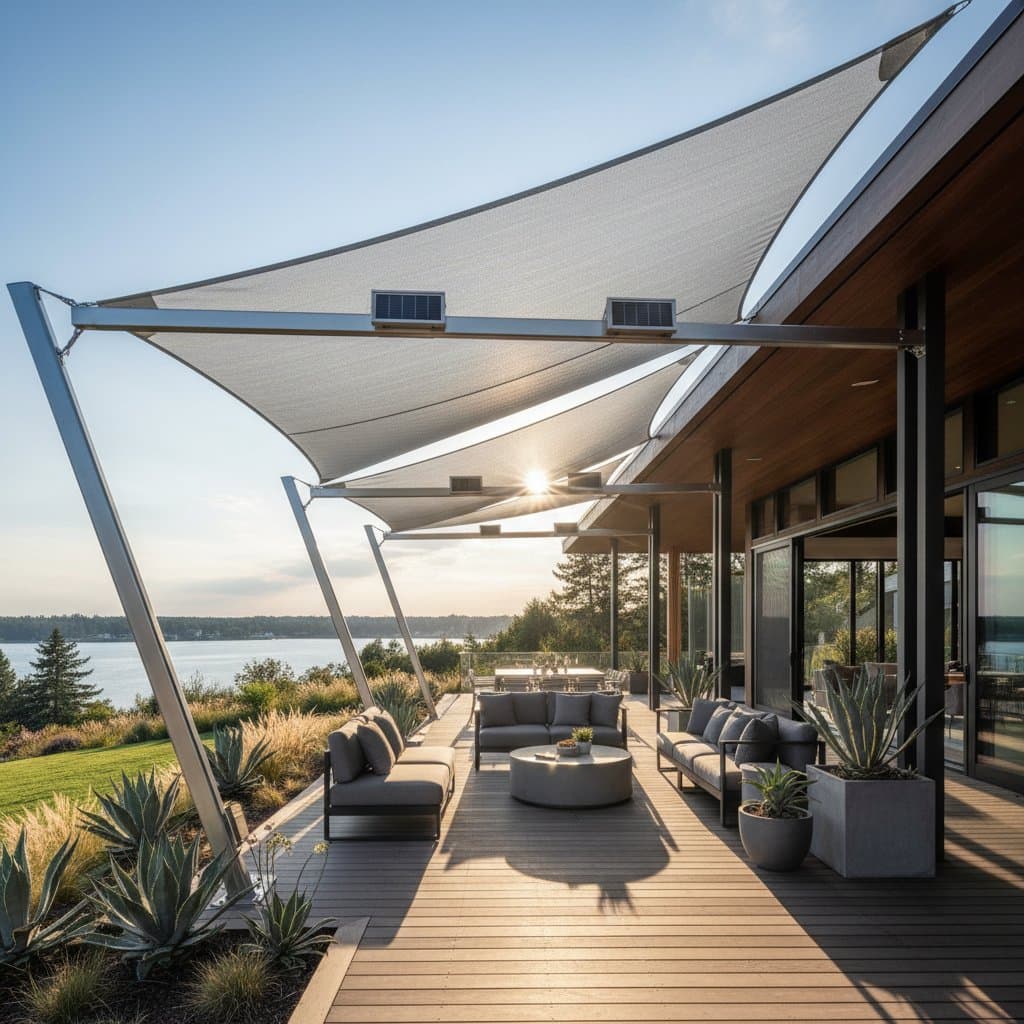
Sun-tracking shade sails represent an innovative solution for outdoor shading that adapts to changing light conditions. These structures use automated mechanisms to rotate or adjust the sail fabric, ensuring optimal coverage as the sun moves across the sky. Ideal for urban decks, patios, and gardens, they provide reliable protection from intense sunlight without manual intervention.

The core technology involves light sensors connected to a motorized system. When sunlight shifts, the sensors detect changes in intensity and direct the motor to reposition the sail. This results in shaded areas that remain consistent from morning to evening, reducing heat buildup and glare on surfaces below. Homeowners appreciate the seamless integration with existing outdoor setups, as these sails blend functionality with aesthetic appeal.

Beyond comfort, sun-tracking sails offer practical benefits. They shield furniture and flooring from UV damage, lower ambient temperatures by up to 20 degrees Fahrenheit, and enhance energy efficiency by minimizing the need for indoor cooling during outdoor gatherings. With proper selection and care, these installations deliver years of performance in diverse climates.

How Sun-Tracking Shade Sails Work

At the heart of the system lies a network of components designed for precision and durability. The sail fabric, typically made from high-density polyethylene or UV-resistant polyester, attaches to a frame of aluminum poles or existing structures. Motors, often solar-powered or wired to a low-voltage supply, drive the adjustment mechanism.

Sensors mounted on the sail or nearby surfaces monitor solar angles. A central controller processes this data and activates the motor to tilt or rotate the sail accordingly. Advanced models include wind sensors that retract the sail during gusts exceeding safe limits, preventing damage. Programming options allow customization, such as scheduling adjustments or manual overrides via a remote or app.

Installation requires consideration of site-specific factors like sun path, wind exposure, and load-bearing capacity. Professional assessments ensure compliance with local building codes, particularly in urban settings where space constraints apply. Costs range from $1,500 for basic kits to $5,000 for custom systems, depending on size, materials, and automation features.

Preparation for Installation

Before beginning, evaluate your outdoor space thoroughly. Measure the area to determine sail dimensions, aiming for coverage of key zones like seating or dining areas. Assess the sun's trajectory using tools like a solar pathfinder or online calculators to predict shading patterns.

Select durable anchor points, such as reinforced posts or wall mounts rated for at least 50 pounds per square foot of wind load. Gather necessary tools: drill, level, wrench set, ladder, and safety gear including gloves and eyewear. Review the manufacturer's manual for model-specific requirements, and consider consulting a structural engineer if attaching to a building facade.

Permits may apply in residential areas, especially for permanent fixtures. Budget for additional expenses like concrete footings or electrical wiring, which can add 20 to 30 percent to the total project cost.

1. Install Anchor Points

Mark positions for posts or attachments, ensuring at least 10 feet of clearance from overhead obstacles. Dig footings to a depth of 36 inches in stable soil, or use expansion anchors on concrete surfaces. Pour concrete around steel posts, allowing 48 hours for curing before proceeding.

Secure wall mounts with lag bolts into studs, verifying alignment with a plumb line. For freestanding setups, brace posts temporarily to maintain verticality during setup.

2. Assemble the Frame

Connect frame components according to the kit instructions, using stainless steel hardware to resist corrosion. Attach motor housings to the main support arms, routing cables away from sharp edges. Test electrical connections with a multimeter to confirm continuity and ground integrity.

Position the frame over the anchors and bolt it securely. Use a level across multiple points to ensure evenness, adjusting as needed to avoid future stress on the fabric.

3. Mount Sensors and Controller

Install light and wind sensors in unobstructed locations, typically on the highest frame point for accurate readings. Wire the controller to a power source, either a dedicated outlet or solar panel setup. Program initial settings, calibrating the system to your latitude for precise sun tracking.

Secure all wiring with weatherproof conduit to protect against moisture and debris. Perform a dry run without the sail to verify sensor responses and motor operation.

4. Attach the Sail

Clip the sail corners to the tension hardware provided. Use a level to check the overall slope, which should measure approximately 15 degrees to facilitate water runoff. Tighten the turnbuckles evenly across all points until the fabric achieves a firm, taut surface without excessive stress.

Inspect for wrinkles or loose edges, making minor adjustments to promote uniform distribution of tension. This step ensures the sail moves freely during automated adjustments.

5. Test the Tracking Mechanism

Activate the controller and switch to automatic mode. Observe the sail as it cycles through its full range of motion, noting any binding or hesitation. Verify that tension remains stable throughout the test, and fine-tune sensor sensitivity to balance responsiveness with minimal unnecessary movements.

Run extended simulations mimicking a full day of sun exposure to confirm reliability. Address any irregularities before finalizing the setup.

Troubleshooting Common Issues

Most operational challenges arise from environmental factors or minor misalignments. Regular checks prevent escalation of problems.

Sail fails to move: Inspect the power connection and replace any blown fuses. If the motor produces a humming sound without rotation, excessive tension might be the cause; loosen one turnbuckle by a quarter turn and retest.

Inconsistent shading coverage: Clean sensors thoroughly to remove dust, pollen, or bird droppings that could interfere with light detection. Recalibrate if misalignment persists.

Sagging or wrinkling fabric: Identify the corner with the least tension and tighten it by one or two turns on the turnbuckle. Even application of force across the sail eliminates distortions.

Frequent system resets: Measure the power supply voltage for consistency; install a surge protector in areas prone to electrical fluctuations to stabilize performance.

Quick interventions, such as a sensor wipe or tension adjustment, resolve 90 percent of issues within minutes. Document recurring problems to inform future maintenance.

Maintenance Routines

Consistent upkeep extends the lifespan of sun-tracking shade sails to 8 to 10 years, often matching motor warranty periods.

Monthly tasks:

  • Gently wipe sensors with a soft, lint-free cloth to maintain sensitivity.
  • Activate auto mode for a full cycle to confirm unobstructed movement.
  • Examine cables for seals and dryness, resealing any compromised areas.

Semiannual inspections:

  • Wash the sail using mild soap and lukewarm water; rinse thoroughly and avoid harsh chemicals like bleach.
  • Check seams and edges for signs of fraying or wear.
  • Apply lubricant to motor gears and pivot points to ensure smooth operation.

Seasonal storage advice: For winter removal, rinse the sail, allow complete drying, and store it flat in a shaded, ventilated area. Prevent mildew by avoiding folded, damp storage.

Track maintenance in a log to predict part replacements and uphold warranty claims.

Engaging Professional Assistance

Certain issues demand expert intervention to avoid safety risks or voiding warranties. Seek professionals for electrical or structural concerns.

Contact a licensed electrician for frayed wiring, permanent power integrations, or controller synchronization failures. Deck contractors handle sagging supports, shifting foundations, or reinforcement needs.

When consulting experts, inquire about:

  • Certification for wind load resistance.
  • Waterproofing standards for electrical components.
  • Comprehensive warranty coverage for motors and fabrics.

Annual professional inspections, typically costing $200 to $400, prevent costly overhauls and ensure long-term stability.

Implementing Your Shade Solution

Sun-tracking shade sails elevate outdoor experiences by delivering adaptive shade that aligns with daily routines. They reduce visual discomfort, safeguard materials, and operate autonomously to maximize usable space.

Begin with a single sail positioned over primary activity zones to assess effectiveness. Monitor adjustments over several days, evaluating temperature drops and shading consistency. Scale up by adding sails for broader coverage once initial results prove satisfactory.

Adopt these practices for sustained reliability:

  1. Perform monthly sensor cleanings to preserve tracking accuracy.
  2. Adjust hardware tension at the start of each season.
  3. Retract the sail ahead of high winds or extended vacancies.

Dedicated care transforms your deck into a resilient, inviting haven, ready for seasons of enjoyment.

You Might Also Like

Solar Drip Systems Keep Deck Gardens Watered Automatically

Solar Pavers Convert Steps and Sunlight Into Power

Glass Deck Floors That Skylight the Space Below

Mycelium Boards Replace Wood in Sustainable Decking

Cut Deck Noise with Acoustic Privacy Screens

Tagged:

deck,solar,solar tracking,smart,tracking,shade,sails,deck-shade,smart-shade-sails

Recent by Anne Marion

Image for Solar Drip Systems Keep Deck Gardens Watered Automatically

Solar Drip Systems Keep Deck Gardens Watered Automatically

Feb 2, 2026
Image for Watering 50+ Pots From a Single Faucet

Watering 50+ Pots From a Single Faucet

Feb 2, 2026
Image for Simple Drip Systems That Water While You Work

Simple Drip Systems That Water While You Work

Jan 31, 2026
Image for How Urban Gardens Cut City Noise by 70%

How Urban Gardens Cut City Noise by 70%

Jan 31, 2026
Image for Micro-Pergola Pods Bring Patio Comfort to Tiny Balconies

Micro-Pergola Pods Bring Patio Comfort to Tiny Balconies

Jan 29, 2026

deck

Image for Solar Drip Systems Keep Deck Gardens Watered Automatically

Solar Drip Systems Keep Deck Gardens Watered Automatically

Feb 2, 2026
Image for Glass Deck Floors That Skylight the Space Below

Glass Deck Floors That Skylight the Space Below

Feb 2, 2026
Image for Mycelium Boards Replace Wood in Sustainable Decking

Deck Construction & Remodeling

Solar Drip Systems Keep Deck Gardens Watered Automatically

Elevate your deck gardening with solar-powered drip irrigation for precise, hands-free watering. This guide covers final setup steps, safety measures, common fixes, cost breakdowns, and year-round care to foster healthy plants with minimal intervention.

Feb 2, 2026

Solar Pavers Convert Steps and Sunlight Into Power

Elevate your outdoor paths with solar pavers that generate electricity from sunlight and movement. This comprehensive resource outlines functionality, step-by-step setup, budgeting, troubleshooting, and ways to apply the power for lighting or devices—all while promoting green living.

Feb 2, 2026

Glass Deck Floors That Skylight the Space Below

Elevate your deck design with glass floor panels that function as skylights, flooding lower areas with natural light while delivering a sleek, contemporary look. This resource provides in-depth coverage of benefits, essential materials, step-by-step installation, safety protocols, maintenance routines, and guidance on when to hire experts—all to optimize your outdoor environment for light, style, and longevity.

Categories

Deck Construction & Remodeling(158)
Balcony Design(146)
Small-Space Gardens(63)
Rooftop Decks(50)
Backyard Design(18)

Mycelium Boards Replace Wood in Sustainable Decking

Feb 1, 2026
Image for Cut Deck Noise with Acoustic Privacy Screens

Cut Deck Noise with Acoustic Privacy Screens

Feb 1, 2026
Image for Deck Benches That Turn Scraps Into Garden Soil

Deck Benches That Turn Scraps Into Garden Soil

Jan 31, 2026
Feb 2, 2026

Mycelium Boards Replace Wood in Sustainable Decking

Mycelium decking redefines sustainable outdoor design with boards cultivated from fungal roots and agricultural waste. These lightweight, compostable planks match wood's strength while minimizing environmental impact. This guide covers planning, installation, and care for a resilient, green yard addition.

Feb 1, 2026

Cut Deck Noise with Acoustic Privacy Screens

Turn urban deck noise into peaceful quiet with acoustic privacy screens. Explore sound-blocking options, step-by-step installation, upkeep advice, and cost-effective choices for a more enjoyable outdoor space throughout the year.

Feb 1, 2026

Deck Benches That Turn Scraps Into Garden Soil

Convert your deck into an eco-friendly oasis with a composting bench that serves as both comfortable seating and efficient soil producer. This comprehensive guide details construction steps, material needs, troubleshooting, and seasonal care to minimize waste and maximize garden yields.

Jan 31, 2026

Permeable Pavers Stop Flooding and Raise Property Value

Permeable pavers convert waterlogged areas into resilient, environmentally friendly surfaces. Water infiltrates through paver joints and stone bases, minimizing runoff, safeguarding structures, and elevating aesthetic appeal. This comprehensive guide details installation processes, upkeep routines, and financial considerations to demonstrate how these pavers promote sustainability, property enhancement, and enduring outdoor usability.

Jan 29, 2026

Turn Your Deck into a Clean Energy Generator

Elevate your deck into a sustainable solar energy source with integrated pavers that merge aesthetics and efficiency. This guide covers sunlight evaluation, circuit planning, durable tile installation, performance upkeep, expense details, safety protocols, and professional consultation needs to create a self-powered outdoor retreat.

Jan 29, 2026

Solar Pavers Turn Sunlight Into Outdoor Power

Elevate your outdoor areas with solar pavers, robust tiles that capture sunlight to generate power for lighting, charging stations, and appliances. This guide covers their functionality, required materials, and detailed installation instructions to build an efficient, wire-free environment that blends practicality with aesthetic appeal.

Jan 28, 2026

Mycelium Decks Replace Wood With Living Fungi Material

Mycelium, the intricate root system of fungi, emerges as a groundbreaking material for decking. This renewable and biodegradable option provides the durability of wood with a fraction of the environmental impact. Readers will gain insights into installation, maintenance, and benefits to create an outdoor haven that aligns with sustainable living principles.

Jan 27, 2026

Deck Pods Turn Open Decks into Year-Round Rooms

Convert your deck into a protected, inviting extension of your home using modular deck pods. This comprehensive guide covers planning, assembly, and upkeep for these adaptable structures, including required tools, safety protocols, and enhancements to achieve a durable, stylish outdoor space that provides year-round utility.

Jan 26, 2026

Solar Shade Sails Generate Power While Cooling Your Deck

Elevate your deck with solar shade sails that offer respite from the sun while harnessing solar power for everyday use. These versatile structures blend comfort with eco-friendly energy generation. Explore practical steps for installation, upkeep, and optimization to create an inviting, self-sustaining outdoor haven.

Jan 26, 2026

Cool Your Deck 15° with Solar Shade Sails

Counter summer deck heat with solar shade sails capable of reducing temperatures by up to 15 degrees. These tensioned fabric panels effectively block UV rays, improve airflow, and install in just one day. Gain insights into required tools, essential safety measures, and maintenance strategies for extended outdoor enjoyment.

Jan 25, 2026

Why Permeable Decks Stay 20 Degrees Cooler

Permeable decks address intense summer heat by facilitating airflow and water passage, which dissipates trapped warmth and maintains surfaces up to 20 degrees cooler. Incorporating light-colored materials, strategic gaps, and evaporative cooling, these decks foster inviting, sustainable outdoor areas that require low maintenance and provide enduring relief from hot surfaces.

Jan 25, 2026

Solar Pergolas Cut City Heat While Powering Your Deck

Elevate your compact urban deck with a solar pergola that delivers shade, produces renewable energy, and enhances sustainability. This comprehensive guide includes planning strategies, material choices, step-by-step installation, safety protocols, and upkeep tips to achieve a cooler, cost-effective outdoor area while increasing home value on a practical budget.

Jan 24, 2026

Fungal Fibers That Replace Wood Decks and Compost Clean

Mycelium decks redefine urban outdoor spaces through sustainable, compostable panels derived from fungal networks. These lightweight, durable alternatives to wood or plastic utilize agricultural waste. Follow this guide to cultivate, process, install, and maintain them for environmentally conscious urban design.

Jan 24, 2026

Misting Systems Drop Deck Temps 20° Fast

Misting systems transform hot decks into inviting spaces by reducing temperatures up to 20 degrees. This guide details planning, installation, maintenance, and optimization strategies for safe, effective cooling throughout the season.

Jan 22, 2026

UV Shade Sails Drop Deck Temps 20 Degrees

Combat summer heat and safeguard your deck using UV shade sails. This comprehensive guide details selection, installation, and upkeep strategies that reduce surface temperatures, avert color fading, and prolong deck longevity. Explore required tools, safety measures, common issues, and professional insights to create a fashionable, protected outdoor haven.

Jan 22, 2026

Shade Sails That Follow the Sun All Day Long

Automatic sun-tracking shade sails adjust their position to follow the sun, providing consistent shade and comfort on decks and patios. This comprehensive guide explains the technology, step-by-step installation, essential safety measures, ongoing maintenance, associated costs, and strategies to maximize durability and efficiency in your outdoor environment.

Jan 21, 2026

AI Cameras That Water Plants and Deter Deck Pests

Elevate your urban deck into an automated oasis with AI cameras that identify pests, optimize irrigation, and reduce upkeep. These intelligent systems leverage computer vision to safeguard plants, promote efficient water use, and deliver seamless outdoor enjoyment via straightforward installation and reliable performance.

Jan 21, 2026