Loading...

Solar Drip Kits for Power-Free Plant Watering | Urban Gardening Guide | Urban Outdoors - Small-Space Gardens, Rooftop Decks, Balconies, Decks, Backyard Design
Skip to main content
Urban Outdoors
Search
Home
  1. Home
  2. /
  3. Small-Space Gardens
  4. /
  5. Solar Drip Kits Water Plants Without Electricity
Small-Space Gardens

Solar Drip Kits Water Plants Without Electricity

byAnne Marion
2025-12-30 04:01:58December 30, 2025
6 min read
Featured image for Solar Drip Kits Water Plants Without Electricity

Categories

Navigation

  • Home
  • All Articles
  • About Us
  • Privacy Policy
  • Terms of Service

© 2026 Urban Outdoors. Crafted for bold city dwellers.

2025-12-30 04:01:58
Urban Outdoors - Small-Space Gardens, Rooftop Decks, Balconies, Decks, Backyard Design

Connect the Pump

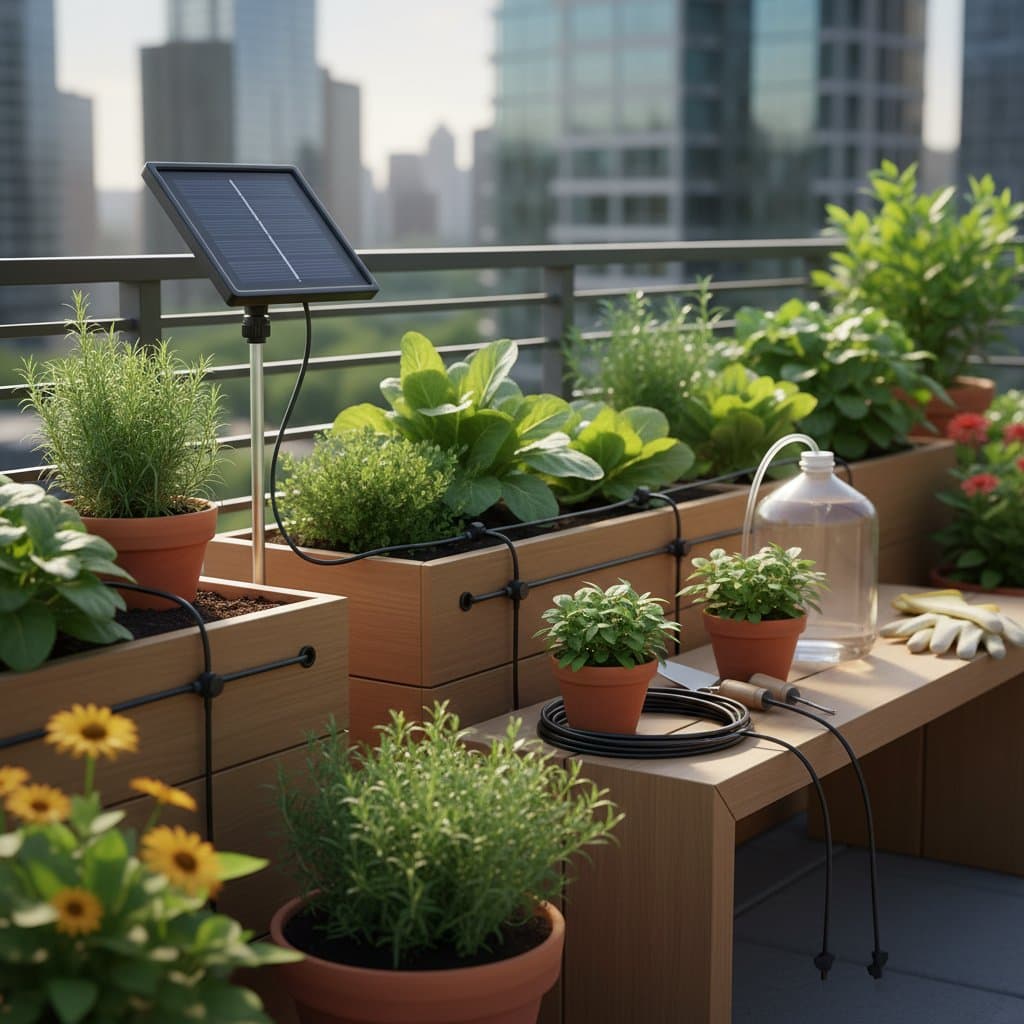
Secure the pump hose firmly to the solar panel's outlet using the provided connector. Submerge the pump fully into your water reservoir, ensuring it sits at the bottom without touching any debris. Place the solar panel in a sunny spot and observe the system; a gentle stream of water should emerge from the outlet within seconds of exposure to direct sunlight. If the flow seems weak, verify that all connections are airtight to prevent air leaks that could reduce efficiency.

Lay the Tubing

Extend the main tubing line from the pump outlet toward your plants, measuring and cutting sections with sharp scissors or a utility knife for clean edges that minimize leaks. Position the tubing along the base of each pot or planter, securing it with landscape stakes or clips to prevent shifting from wind or foot traffic. Maintain the tubing slightly elevated above the soil surface, about one inch, to reduce the risk of soil particles entering and causing blockages over time.

Add Emitters

At the end of each tubing branch, pierce a small hole and insert a drip emitter directly into the line, positioning it near the plant's root zone for targeted hydration. Twist the emitter's adjustable cap to regulate the flow, beginning with a low setting of one to two drops per minute to avoid overwatering sensitive urban plants. Monitor the soil moisture over the first few days and gradually increase the rate if the surface dries out quickly, ensuring even distribution across all plants.

Test and Adjust

Activate the system during peak sunlight hours to simulate normal operation, observing the water's path from reservoir to emitters. Fine-tune the positioning if water pools unevenly, aiming for a consistent slow drip that penetrates the soil without runoff. Inspect all joints and connections for drips or seeps, tightening fittings or applying waterproof tape as necessary to maintain pressure and prevent waste.

Secure and Label

After confirming smooth operation, fasten the tubing along balcony railings, walls, or planters using zip ties or adhesive hooks to create a tidy, unobtrusive setup. Apply weatherproof labels to main lines and branches, noting plant types or flow rates for quick reference during routine checks. This organization not only enhances the visual appeal of your urban garden but also simplifies future adjustments or expansions.

Safety Tips

Select filtered or rainwater for the reservoir to minimize mineral buildup that leads to clogs and potential root rot in your plants. Position solar panel wiring away from moisture sources and elevate it off damp surfaces to safeguard against short circuits. In shared outdoor spaces with children or pets, cover the water container with a secure lid or fine mesh to block access while allowing air circulation. When handling heavy reservoirs, employ a wheeled cart or enlist assistance to avoid strain, especially on elevated balconies or rooftops.

Troubleshooting

Issues with solar drip systems often stem from environmental factors or minor wear. Address them promptly to sustain plant health.

  • No water flow: Verify the solar panel receives unobstructed sunlight for at least four hours daily; relocate if shaded by buildings or overhangs. Gently wipe the panel with a soft cloth to remove pollen, dust, or bird droppings that diminish power output.
  • Uneven watering: Regulate individual emitter flows to balance delivery, or run clean water through the lines backward to dislodge trapped air bubbles that disrupt consistency.
  • Clogged emitters: Remove affected units and soak in a solution of equal parts water and white vinegar for two to three hours, followed by thorough rinsing under running water.
  • Pump noise or weak pressure: Disassemble the pump to clean its internal filter screen, and straighten any tubing bends that restrict flow.
  • Overflow or leaks: Reinforce loose connectors with plumber's tape, and monitor reservoir levels to ensure they do not exceed the pump's capacity, avoiding backups.

Persistent challenges after these steps may indicate pump fatigue. Source compatible replacements from garden suppliers, typically under twenty dollars, and install by simply detaching the old unit and attaching the new one to existing hoses.

Budget and Time

Basic solar drip kits for four to six plants range from forty to eighty dollars, covering essentials like panels, pumps, and tubing. Advanced versions with multiple zones or integrated timers climb to one hundred twenty dollars, offering greater control for larger rooftop setups. Allocate two hours for initial assembly and testing, including trial runs to calibrate flows. Weekly upkeep involves just ten minutes: a quick visual scan and minor cleaning to keep components functioning optimally.

Stretch your budget by repurposing household items, such as five-gallon buckets for reservoirs or salvaged PVC pipes for supports, provided they are clean and durable. Invest reliably in the pump and filtration elements, as these core pieces determine the system's longevity and performance in variable urban conditions.

Maintenance

Consistent care ensures your solar drip system delivers reliable hydration year-round.

  • Clean the solar panel each week by wiping with a microfiber cloth dampened with plain water, restoring full efficiency after exposure to city pollutants.
  • Monthly, drain the reservoir completely, scrub interior surfaces with mild soap, and refill to inhibit algae growth.
  • Every two weeks, flush the entire tubing network with fresh water to clear sediment and maintain unobstructed paths.
  • Inspect emitters seasonally; replace any showing mineral deposits or irregular drips to prevent uneven plant stress.

For absences or extended overcast periods common in urban climates, integrate a small rechargeable battery pack to the solar panel or add a mechanical timer, guaranteeing uninterrupted operation and preserving your garden's vitality.

Smart Storage Moves

Organize spare tubing, emitters, and fittings in a dedicated, labeled plastic bin stored alongside your gardening essentials for easy access. Seal tiny components like O-rings in zip-top bags to shield them from humidity and corrosion. In winter, disconnect and drain all lines, then coil them loosely and store indoors at room temperature to avert freeze damage.

Track system performance in a dedicated journal, logging daily sunlight exposure and adjusting emitter settings based on plant responses. This data-driven approach allows precise customization, such as reducing flows for drought-tolerant succulents versus increasing for thirsty herbs, optimizing water use across your balcony collection.

When to Call a Pro

Most solar drip setups require only basic DIY skills, but consult a professional landscaper or irrigation specialist if your installation involves complex rooftop access, electrical integrations beyond the solar panel, or persistent leaks that suggest deeper plumbing issues. Experts can assess site-specific factors like wind exposure or drainage slopes, ensuring compliance with building codes and enhancing overall safety. For urban dwellers in high-rises, they also recommend permits if scaling to community gardens.

Making It Happen

Implementing a solar drip kit transforms routine watering into a hands-off process, freeing you to enjoy urban greenery without daily chores. This efficient system not only conserves water—up to fifty percent less than manual methods—but also promotes healthier roots through consistent moisture. Start small with your balcony favorites, and expand as confidence grows, reaping the rewards of a lush, low-maintenance oasis amid city life.

You Might Also Like

Solar Drip Systems Keep Deck Gardens Watered Automatically

Solar Pavers Convert Steps and Sunlight Into Power

Watering 50+ Pots From a Single Faucet

Solar Pergolas Turn Small Patios Into Power Sources

Simple Drip Systems That Water While You Work

Tagged:

solar,system,micro,drip,irrigation,watering,automatic,solar-irrigation,micro-drip-system

Recent by Anne Marion

Image for Solar Drip Systems Keep Deck Gardens Watered Automatically

Solar Drip Systems Keep Deck Gardens Watered Automatically

Feb 2, 2026
Image for Watering 50+ Pots From a Single Faucet

Watering 50+ Pots From a Single Faucet

Feb 2, 2026
Image for Simple Drip Systems That Water While You Work

Simple Drip Systems That Water While You Work

Jan 31, 2026
Image for How Urban Gardens Cut City Noise by 70%

How Urban Gardens Cut City Noise by 70%

Jan 31, 2026
Image for Micro-Pergola Pods Bring Patio Comfort to Tiny Balconies

Micro-Pergola Pods Bring Patio Comfort to Tiny Balconies

Jan 29, 2026

solar

Image for Solar Drip Systems Keep Deck Gardens Watered Automatically

Solar Drip Systems Keep Deck Gardens Watered Automatically

Feb 2, 2026
Image for Solar Pavers Convert Steps and Sunlight Into Power

Solar Pavers Convert Steps and Sunlight Into Power

Feb 2, 2026
Image for Solar Pergolas Turn Small Patios Into Power Sources

Small-Space Gardens

Watering 50+ Pots From a Single Faucet

Convert your balcony's potted plants into a low-maintenance green haven using a micro-drip irrigation system. This practical guide details automatic watering for more than 50 pots, eliminating daily tasks while ensuring optimal hydration. Explore essential tools, installation from testing to timing, plus solutions for common issues and upkeep strategies for sustained success.

Feb 2, 2026

Grow 30 Plants in 2 Feet Using Nutrient Mist

Transform a narrow balcony into a productive aeroponic farm by 2026. These soil-free towers support up to 30 plants with efficient nutrient mist, delivering year-round greens while minimizing water use, space demands, and maintenance.

Feb 1, 2026

Simple Drip Systems That Water While You Work

Elevate your urban balcony garden with a simple, app-free micro drip irrigation system. This practical guide covers tools, installation steps, troubleshooting, and maintenance to ensure reliable watering and vibrant plants, even during busy schedules.

Jan 31, 2026

Categories

Deck Construction & Remodeling(158)
Balcony Design(146)
Small-Space Gardens(63)
Rooftop Decks(50)
Backyard Design(18)

Solar Pergolas Turn Small Patios Into Power Sources

Feb 1, 2026
Image for Turn Your Deck into a Clean Energy Generator

Turn Your Deck into a Clean Energy Generator

Jan 29, 2026
Image for Solar Pavers Turn Sunlight Into Outdoor Power

Solar Pavers Turn Sunlight Into Outdoor Power

Jan 28, 2026

How Urban Gardens Cut City Noise by 70%

Convert your bustling urban garden into a tranquil haven using layered vegetation and sound-dampening materials. This comprehensive guide details how evergreens, grasses, mulch, and permeable surfaces can diminish noise by up to 70 percent, fostering a soothing space that filters out urban clamor while enhancing natural serenity.

Jan 31, 2026

Living Sound Filters for City Apartments

Convert urban clamor into tranquility using acoustic plants as living sound barriers. This guide details optimal plant selection, strategic placement, and upkeep for effective noise reduction in tight city dwellings. Affordable and aesthetically pleasing, these green solutions deliver enduring calm without major alterations.

Jan 30, 2026

Mini Bog Gardens Bring Wetland Habitats to Balconies

Turn a standard balcony into a vibrant mini bog garden that mimics natural wetlands. Assemble a self-sustaining system with layered substrates, precise watering techniques, and native plants to foster biodiversity and create an engaging urban green space.

Jan 28, 2026

Why Shade Apps Unlock Perfect Balcony Gardens

Elevate your balcony garden using shade apps to precisely map sunlight exposure. Gain insights on plant selection for specific light zones, easy scanning techniques, and cost-effective tools. Uncover strategies for seasonal adjustments to cultivate a vibrant, sustainable urban oasis.

Jan 28, 2026

Microclimate Pods Extend Growing Season on Balconies

Turn your balcony or rooftop into a productive garden that defies seasonal limits with microclimate pods. These innovative enclosures maintain optimal warmth, humidity, and airflow. Follow this comprehensive guide for construction, plant selection, safety measures, and ongoing care to harvest greens and herbs throughout the year.

Jan 26, 2026

Three Square Feet of Balcony That Feeds Urban Bees

In the heart of urban living, three square feet of balcony can become a thriving haven for bees. This guide details plant selections, container arrangements, and maintenance practices to attract pollinators throughout the year. With modest investment and simple routines, your compact space contributes to healthier ecosystems and serene outdoor moments.

Jan 25, 2026

Aeroponic Towers Fit Full Veggie Gardens in 4 Feet

Convert a compact balcony into a productive, soil-free vegetable garden using aeroponic towers. This detailed guide covers planning, assembly, and maintenance for a lightweight system that delivers abundant yields while fitting urban constraints like limited space and sunlight.

Jan 24, 2026

Balcony Microclimates That Triple Your Harvest

Transform your balcony garden by identifying and leveraging microclimates—warm pockets, windy perimeters, and shaded retreats—that influence plant success. Map exposure to light, air, and temperature; assign suitable crops to zones; and adapt seasonally for a bountiful, year-round harvest in compact settings.

Jan 23, 2026

Balcony Mushroom Farms That Pay for Themselves

Transform your shaded balcony into a profitable mushroom farm producing gourmet varieties like oyster and shiitake. This guide covers setup, maintenance, harvesting, and sales strategies to generate steady income from urban space with minimal effort.

Jan 21, 2026

Acoustic Walls Cut Neighbor Noise Without Renovating

Achieve tranquility in bustling urban environments through acoustic walls, strategic sealing, and sound-absorbing plants. This guide provides practical installation steps, affordable material recommendations, and maintenance tips to create a serene home without extensive renovations.

Jan 18, 2026

Plants Cut City Noise With Layers and Smart Placement

Convert urban balconies or courtyards into tranquil refuges with sound-absorbing plants. Discover layering techniques featuring bamboo, evergreens, and grasses to diffuse noise, plus essential tips on selection, positioning, care, and affordability for compact green spaces.

Jan 17, 2026

Turn Your Balcony Into a Pollinator Stopover

Convert your balcony into a vibrant pollinator habitat that draws in bees, butterflies, and hummingbirds. Employ native plants, fresh water sources, and basic containers to promote urban biodiversity, improve air quality, and establish a serene green oasis, all achievable for less than seventy dollars with minimal weekly maintenance.

Jan 17, 2026

Dwarf Fruit Trees Turn Tiny Balconies into Orchards

Even the tiniest balcony can become a productive orchard with dwarf fruit trees. Compact options like Meyer lemon and dwarf apple varieties yield full-sized fruit in containers. This guide provides essential steps for setup, ongoing care, and troubleshooting to help city dwellers cultivate fresh produce just steps from their living spaces.

Jan 15, 2026

Turning Nine Square Feet Into a Pollinator Haven

Convert a modest 3x3 balcony into a dynamic micro-meadow that supports bees, butterflies, and birds. This comprehensive guide explains the process of designing, planting, and sustaining a lightweight, low-maintenance native plant habitat that delivers seasonal blooms, tranquility, and environmental benefits to city dwellers.

Jan 15, 2026

AI Garden Cams Catch Plant Problems Before They Spread

AI garden cameras leverage smart sensors and machine learning to track plant health, identify stress indicators promptly, and provide targeted care recommendations. This comprehensive guide covers device selection, installation procedures, data interpretation, and optimization strategies for watering and lighting, enabling urban gardeners to sustain healthy plants with reduced uncertainty and minimal effort.

Jan 14, 2026

Why Wildflower Balconies Supercharge Urban Pollinators

Convert your balcony into a buzzing mini-ecosystem that sustains urban pollinators. Explore native wildflower choices, efficient container arrangements, and simple maintenance routines to build lasting habitats in compact city areas. Gain insights into budget-friendly supplies, time commitments, and year-round strategies for a pollinator paradise.

Jan 12, 2026

AI Sensors Stop Deck Plants From Drying Out

AI sensors revolutionize deck gardening with automated watering based on real-time environmental data. This comprehensive guide covers installation, calibration, troubleshooting, and maintenance to ensure thriving plants, water savings, and minimal effort in compact urban spaces.

Jan 9, 2026