Loading...

Solar Pavers for Decks: Generate Clean Power and Boost Style | urbanoutdoorsnyc.com | Urban Outdoors - Small-Space Gardens, Rooftop Decks, Balconies, Decks, Backyard Design
Skip to main content
Urban Outdoors
Search
Home
  1. Home
  2. /
  3. Deck Construction & Remodeling
  4. /
  5. Solar Pavers Turn Your Deck Into a Power Source
Deck Construction & Remodeling

Solar Pavers Turn Your Deck Into a Power Source

byDawn Hayden
2025-12-29 05:13:25December 29, 2025
7 min read
Featured image for Solar Pavers Turn Your Deck Into a Power Source

Categories

Navigation

  • Home
  • All Articles
  • About Us
  • Privacy Policy
  • Terms of Service

© 2026 Urban Outdoors. Crafted for bold city dwellers.

2025-12-30 03:41:42
Urban Outdoors - Small-Space Gardens, Rooftop Decks, Balconies, Decks, Backyard Design

Understanding Solar Pavers

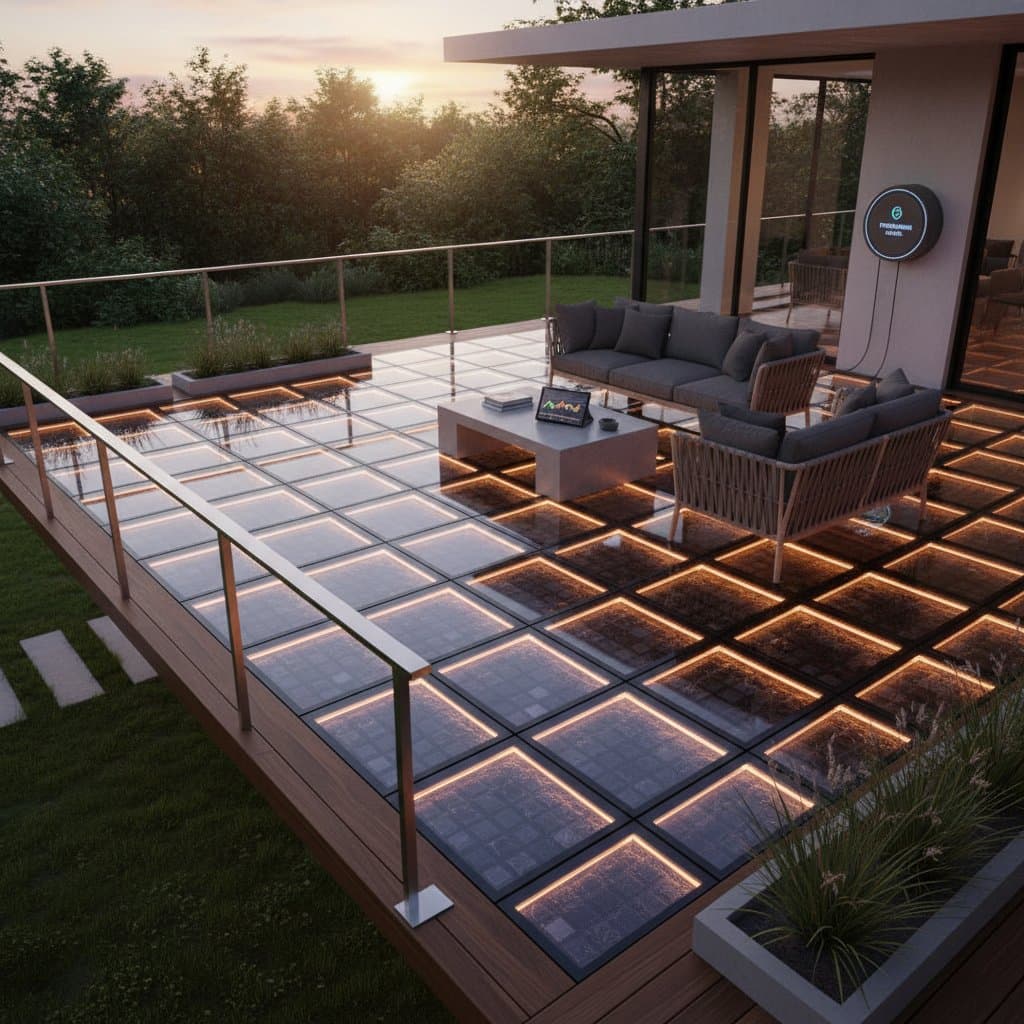
Solar pavers integrate photovoltaic technology into durable, walkway-style tiles designed for outdoor surfaces like decks. These units capture sunlight and convert it into usable electricity, powering lights, fans, or small appliances without visible panels. They blend seamlessly with traditional paving materials, offering a subtle way to incorporate renewable energy into residential landscapes.

The core components include monocrystalline or polycrystalline solar cells encased in weather-resistant tempered glass, supported by a sturdy frame. Wiring connects individual pavers to an inverter, which transforms direct current into alternating current for household use. This setup ensures reliable output, typically ranging from 10 to 50 watts per paver, depending on size and sunlight exposure.

Homeowners choose solar pavers for their dual benefits: aesthetic enhancement and environmental contribution. They reduce reliance on grid power, potentially cutting annual energy costs by 10 to 20 percent for outdoor features. Installation requires careful site assessment to maximize southern exposure and minimize shading from trees or structures.

Benefits of Integrating Solar Pavers into Your Deck

Adopting solar pavers supports sustainability goals by generating clean energy on-site, decreasing carbon footprints associated with outdoor electricity use. Decks equipped with these pavers become multifunctional spaces, illuminating evenings or charging devices without extension cords. The modular design allows customization, fitting irregular deck shapes while complementing wood, stone, or composite surroundings.

Financial advantages emerge over time. Initial investments yield returns through electricity bill reductions and possible incentives like tax credits for solar installations. Durability withstands foot traffic and weather, with many models warrantied for 25 years against degradation. This longevity positions solar pavers as a smart upgrade for properties in sunny climates.

From a practical standpoint, they eliminate the need for bulky solar arrays, preserving deck views and usability. Integration with smart home systems enables monitoring via apps, alerting users to optimal energy production periods. Overall, solar pavers elevate outdoor living by combining form, function, and eco-friendliness.

How Solar Pavers Generate Power

Solar pavers operate through photovoltaic cells that absorb photons from sunlight, exciting electrons to create an electric current. This direct current flows through embedded wiring to a central inverter, often housed nearby in a weatherproof enclosure. The inverter synchronizes output with home electrical systems, ensuring safe integration.

Efficiency depends on factors like cell quality and orientation. High-end pavers achieve up to 20 percent conversion rates, producing meaningful power during peak daylight hours. In partial shade, output drops, but strategic placement—such as along the deck's sunniest edges—mitigates this. Batteries can store excess energy for nighttime use, extending functionality beyond daylight.

Testing a single paver before full installation verifies performance. Connect it to a multimeter under direct sun to measure voltage, aiming for 18 to 24 volts open-circuit. This step confirms compatibility with your deck's layout and power needs, preventing costly adjustments later.

Essential Tools and Materials for Installation

Prepare with basic tools: a level for even placement, a drill for securing frames, and wire strippers for connections. Safety gear includes gloves, safety glasses, and insulated tools to handle electrical components. Materials encompass pavers, conduit piping for wiring protection, and mounting clips for stability on deck surfaces.

Select pavers rated for outdoor load-bearing, supporting at least 500 pounds per square foot. Compatible inverters and junction boxes ensure code compliance. For decks over existing substructures, adhesive or mechanical fasteners secure pavers without compromising wood integrity.

Budget for extras like sealants to weatherproof edges and grounding rods for electrical safety. Consult manufacturer guidelines for specific models, as some include pre-wired harnesses simplifying assembly. With these items, installation proceeds efficiently, minimizing disruptions to deck access.

Step-by-Step Installation Guide

Begin by mapping your deck's sun exposure using a solar pathfinder or app to identify high-yield zones. Measure the area, calculating paver quantities based on wattage requirements—for a 100-square-foot deck powering lights, plan 20 to 30 units.

Clear the surface, ensuring it remains level and free of protrusions. Lay pavers in a grid or pattern, starting from the sunniest corner. Secure each with clips or mortar, leaving small gaps for expansion. Route wiring through conduits beneath the deck, avoiding sharp bends that could damage insulation.

Connect pavers in series or parallel configurations per the inverter manual, testing continuity at each junction. Install the inverter in a shaded, ventilated spot, then link to your home circuit via a transfer switch. Finalize with a professional inspection to verify grounding and load balance.

This process transforms a standard deck into an energy hub within a weekend for smaller projects. Post-installation, monitor initial output to fine-tune placement if needed.

Safety Considerations During Setup and Use

Prioritize protection by wearing rubber-soled shoes around electrical elements to prevent slips on potentially damp surfaces. Maintain dry conditions for all tools and avoid operations in rain or high winds. Refrain from walking on pavers during live electrical tests to eliminate shock risks.

Adhere to local building codes, which often mandate licensed electricians for grid connections. Install ground fault circuit interrupters on all lines and label circuits clearly for future reference. These measures safeguard installers and users, ensuring long-term system reliability.

Ongoing Maintenance Practices

Solar pavers demand minimal intervention to sustain output. Routinely sweep away dirt, leaves, or pollen using a soft-bristle brush and lukewarm soapy water. Steer clear of abrasive cleaners or high-pressure sprays, which might compromise protective coatings.

Conduct quarterly inspections of connections, seals, and mounts. Tighten any loose fasteners and reseal gaps with silicone caulk to block moisture. Promptly replace damaged pavers to avoid cascading failures in the electrical network.

In snowy regions, gently remove accumulations with plastic tools, allowing natural melting where possible. Annual professional tune-ups calibrate inverters and clean cells deeply, preserving efficiency above 90 percent for decades.

Troubleshooting Common Issues

Address reduced performance by inspecting for loose connectors; firmly reseat plugs and test voltage. Remove shading from debris or overgrown plants, as even brief obstructions halve output. For moisture problems, dry interiors and apply fresh sealant to compromised edges.

Inverter faults display error codes—reference the manual for resets or diagnostics. Widespread failures signal conduit damage or corrosion; engage experts for internal examinations. Systematic checks restore functionality quickly, often without major repairs.

Cost Analysis and Timeline Expectations

Anticipate expenses of 20 to 35 dollars per square foot, factoring in paver grade, finishes, and accessories. Labor adds 500 to 1500 dollars for a 200-square-foot deck, completable in two to three days by skilled DIYers or pros.

Hybrid designs incorporating non-solar pavers in shaded areas cut costs by 30 percent while optimizing energy capture. Long-term, payback occurs in 5 to 8 years via savings and rebates, making it a worthwhile investment for eco-conscious homeowners.

Seasonal Care Strategies

In spring, thoroughly clean and inspect wiring ahead of increased activity. Summer demands vigilance against heat buildup; ventilate inverters and trim shading foliage. Fall routines involve weekly debris removal to sustain clear surfaces.

Winter preparations include light snow brushing and insulating exposed wires. These habits prevent efficiency dips and extend system lifespan, adapting to regional weather patterns.

Engaging Professional Assistance

Seek electrician expertise for symptoms like unstable lighting, broad power drops, or visible corrosion. Professionals assess grounding, conduit conditions, and inverter settings, averting escalation to costly overhauls.

A diagnostic session, typically under 200 dollars, identifies root causes and ensures compliance. This proactive approach maintains peak performance and homeowner confidence.

Essential Planning Points

Secure at least six hours of unobstructed sunlight daily for viable returns. Route wiring efficiently with protective sheathing to minimize losses. Consistent cleaning upholds optimal energy conversion.

Steps to Launch Your Solar Deck Project

  1. Evaluate deck sunlight and energy goals.
  2. Source paver samples for aesthetic and fit trials.
  3. Collaborate with an electrician on integration plans.

Implementing these elements yields a deck that powers itself sustainably, enhancing property value and daily enjoyment.

You Might Also Like

Solar Drip Systems Keep Deck Gardens Watered Automatically

Solar Pavers Convert Steps and Sunlight Into Power

Glass Deck Floors That Skylight the Space Below

Mycelium Boards Replace Wood in Sustainable Decking

Cut Deck Noise with Acoustic Privacy Screens

Tagged:

energy,sustainable,deck,solar,sustainable decking,decking,pavers,generating,energy-generating-deck,solar-pavers

Recent by Dawn Hayden

Image for Glass Deck Floors That Skylight the Space Below

Glass Deck Floors That Skylight the Space Below

Feb 2, 2026
Image for Cut Deck Noise with Acoustic Privacy Screens

Cut Deck Noise with Acoustic Privacy Screens

Feb 1, 2026
Image for Deck Benches That Turn Scraps Into Garden Soil

Deck Benches That Turn Scraps Into Garden Soil

Jan 31, 2026
Image for Cool Balconies 15° Cheaper with Micro-Misting Systems

Cool Balconies 15° Cheaper with Micro-Misting Systems

Jan 30, 2026
Image for Living Sound Filters for City Apartments

Living Sound Filters for City Apartments

Jan 30, 2026

energy

Image for Solar Pavers Convert Steps and Sunlight Into Power

Solar Pavers Convert Steps and Sunlight Into Power

Feb 2, 2026
Image for Solar Pergolas Turn Small Patios Into Power Sources

Solar Pergolas Turn Small Patios Into Power Sources

Feb 1, 2026
Image for Micro Wind Turbines Turn Balcony Breezes Into Power

Deck Construction & Remodeling

Solar Drip Systems Keep Deck Gardens Watered Automatically

Elevate your deck gardening with solar-powered drip irrigation for precise, hands-free watering. This guide covers final setup steps, safety measures, common fixes, cost breakdowns, and year-round care to foster healthy plants with minimal intervention.

Feb 2, 2026

Solar Pavers Convert Steps and Sunlight Into Power

Elevate your outdoor paths with solar pavers that generate electricity from sunlight and movement. This comprehensive resource outlines functionality, step-by-step setup, budgeting, troubleshooting, and ways to apply the power for lighting or devices—all while promoting green living.

Feb 2, 2026

Glass Deck Floors That Skylight the Space Below

Elevate your deck design with glass floor panels that function as skylights, flooding lower areas with natural light while delivering a sleek, contemporary look. This resource provides in-depth coverage of benefits, essential materials, step-by-step installation, safety protocols, maintenance routines, and guidance on when to hire experts—all to optimize your outdoor environment for light, style, and longevity.

Categories

Deck Construction & Remodeling(158)
Balcony Design(146)
Small-Space Gardens(63)
Rooftop Decks(50)
Backyard Design(18)

Micro Wind Turbines Turn Balcony Breezes Into Power

Jan 30, 2026
Image for Turn Your Deck into a Clean Energy Generator

Turn Your Deck into a Clean Energy Generator

Jan 29, 2026
Image for Solar Pavers Turn Sunlight Into Outdoor Power

Solar Pavers Turn Sunlight Into Outdoor Power

Jan 28, 2026
Feb 2, 2026

Mycelium Boards Replace Wood in Sustainable Decking

Mycelium decking redefines sustainable outdoor design with boards cultivated from fungal roots and agricultural waste. These lightweight, compostable planks match wood's strength while minimizing environmental impact. This guide covers planning, installation, and care for a resilient, green yard addition.

Feb 1, 2026

Cut Deck Noise with Acoustic Privacy Screens

Turn urban deck noise into peaceful quiet with acoustic privacy screens. Explore sound-blocking options, step-by-step installation, upkeep advice, and cost-effective choices for a more enjoyable outdoor space throughout the year.

Feb 1, 2026

Deck Benches That Turn Scraps Into Garden Soil

Convert your deck into an eco-friendly oasis with a composting bench that serves as both comfortable seating and efficient soil producer. This comprehensive guide details construction steps, material needs, troubleshooting, and seasonal care to minimize waste and maximize garden yields.

Jan 31, 2026

Permeable Pavers Stop Flooding and Raise Property Value

Permeable pavers convert waterlogged areas into resilient, environmentally friendly surfaces. Water infiltrates through paver joints and stone bases, minimizing runoff, safeguarding structures, and elevating aesthetic appeal. This comprehensive guide details installation processes, upkeep routines, and financial considerations to demonstrate how these pavers promote sustainability, property enhancement, and enduring outdoor usability.

Jan 29, 2026

Turn Your Deck into a Clean Energy Generator

Elevate your deck into a sustainable solar energy source with integrated pavers that merge aesthetics and efficiency. This guide covers sunlight evaluation, circuit planning, durable tile installation, performance upkeep, expense details, safety protocols, and professional consultation needs to create a self-powered outdoor retreat.

Jan 29, 2026

Solar Pavers Turn Sunlight Into Outdoor Power

Elevate your outdoor areas with solar pavers, robust tiles that capture sunlight to generate power for lighting, charging stations, and appliances. This guide covers their functionality, required materials, and detailed installation instructions to build an efficient, wire-free environment that blends practicality with aesthetic appeal.

Jan 28, 2026

Mycelium Decks Replace Wood With Living Fungi Material

Mycelium, the intricate root system of fungi, emerges as a groundbreaking material for decking. This renewable and biodegradable option provides the durability of wood with a fraction of the environmental impact. Readers will gain insights into installation, maintenance, and benefits to create an outdoor haven that aligns with sustainable living principles.

Jan 27, 2026

Deck Pods Turn Open Decks into Year-Round Rooms

Convert your deck into a protected, inviting extension of your home using modular deck pods. This comprehensive guide covers planning, assembly, and upkeep for these adaptable structures, including required tools, safety protocols, and enhancements to achieve a durable, stylish outdoor space that provides year-round utility.

Jan 26, 2026

Solar Shade Sails Generate Power While Cooling Your Deck

Elevate your deck with solar shade sails that offer respite from the sun while harnessing solar power for everyday use. These versatile structures blend comfort with eco-friendly energy generation. Explore practical steps for installation, upkeep, and optimization to create an inviting, self-sustaining outdoor haven.

Jan 26, 2026

Cool Your Deck 15° with Solar Shade Sails

Counter summer deck heat with solar shade sails capable of reducing temperatures by up to 15 degrees. These tensioned fabric panels effectively block UV rays, improve airflow, and install in just one day. Gain insights into required tools, essential safety measures, and maintenance strategies for extended outdoor enjoyment.

Jan 25, 2026

Why Permeable Decks Stay 20 Degrees Cooler

Permeable decks address intense summer heat by facilitating airflow and water passage, which dissipates trapped warmth and maintains surfaces up to 20 degrees cooler. Incorporating light-colored materials, strategic gaps, and evaporative cooling, these decks foster inviting, sustainable outdoor areas that require low maintenance and provide enduring relief from hot surfaces.

Jan 25, 2026

Solar Pergolas Cut City Heat While Powering Your Deck

Elevate your compact urban deck with a solar pergola that delivers shade, produces renewable energy, and enhances sustainability. This comprehensive guide includes planning strategies, material choices, step-by-step installation, safety protocols, and upkeep tips to achieve a cooler, cost-effective outdoor area while increasing home value on a practical budget.

Jan 24, 2026

Fungal Fibers That Replace Wood Decks and Compost Clean

Mycelium decks redefine urban outdoor spaces through sustainable, compostable panels derived from fungal networks. These lightweight, durable alternatives to wood or plastic utilize agricultural waste. Follow this guide to cultivate, process, install, and maintain them for environmentally conscious urban design.

Jan 24, 2026

Misting Systems Drop Deck Temps 20° Fast

Misting systems transform hot decks into inviting spaces by reducing temperatures up to 20 degrees. This guide details planning, installation, maintenance, and optimization strategies for safe, effective cooling throughout the season.

Jan 22, 2026

UV Shade Sails Drop Deck Temps 20 Degrees

Combat summer heat and safeguard your deck using UV shade sails. This comprehensive guide details selection, installation, and upkeep strategies that reduce surface temperatures, avert color fading, and prolong deck longevity. Explore required tools, safety measures, common issues, and professional insights to create a fashionable, protected outdoor haven.

Jan 22, 2026

Shade Sails That Follow the Sun All Day Long

Automatic sun-tracking shade sails adjust their position to follow the sun, providing consistent shade and comfort on decks and patios. This comprehensive guide explains the technology, step-by-step installation, essential safety measures, ongoing maintenance, associated costs, and strategies to maximize durability and efficiency in your outdoor environment.

Jan 21, 2026

AI Cameras That Water Plants and Deter Deck Pests

Elevate your urban deck into an automated oasis with AI cameras that identify pests, optimize irrigation, and reduce upkeep. These intelligent systems leverage computer vision to safeguard plants, promote efficient water use, and deliver seamless outdoor enjoyment via straightforward installation and reliable performance.

Jan 21, 2026