Loading...

Solar Pergolas Reduce Deck Heat by 15° | Generate Power and Shade for Your Deck | Urban Outdoors - Small-Space Gardens, Rooftop Decks, Balconies, Decks, Backyard Design
Skip to main content
Urban Outdoors
Search
Home
  1. Home
  2. /
  3. Deck Construction & Remodeling
  4. /
  5. Solar Pergolas Cut Deck Heat by 15 Degrees
Deck Construction & Remodeling

Solar Pergolas Cut Deck Heat by 15 Degrees

bySheila Spaulding
2025-10-23 03:39:15October 23, 2025
6 min read
Featured image for Solar Pergolas Cut Deck Heat by 15 Degrees

Categories

Navigation

  • Home
  • All Articles
  • About Us
  • Privacy Policy
  • Terms of Service

© 2026 Urban Outdoors. Crafted for bold city dwellers.

2025-10-23 03:39:15
Urban Outdoors - Small-Space Gardens, Rooftop Decks, Balconies, Decks, Backyard Design

Shade Your Deck and Capture Solar Energy

Decks often receive intense sunlight for several hours daily, creating enjoyable warmth that quickly turns uncomfortable. Effective shading solutions must balance comfort with openness to the sky. A solar pergola addresses this need by diffusing sunlight to reduce temperatures while converting that light into usable electricity. Proper design and installation yield a structure that enhances outdoor living and contributes to household energy independence.

Project Overview

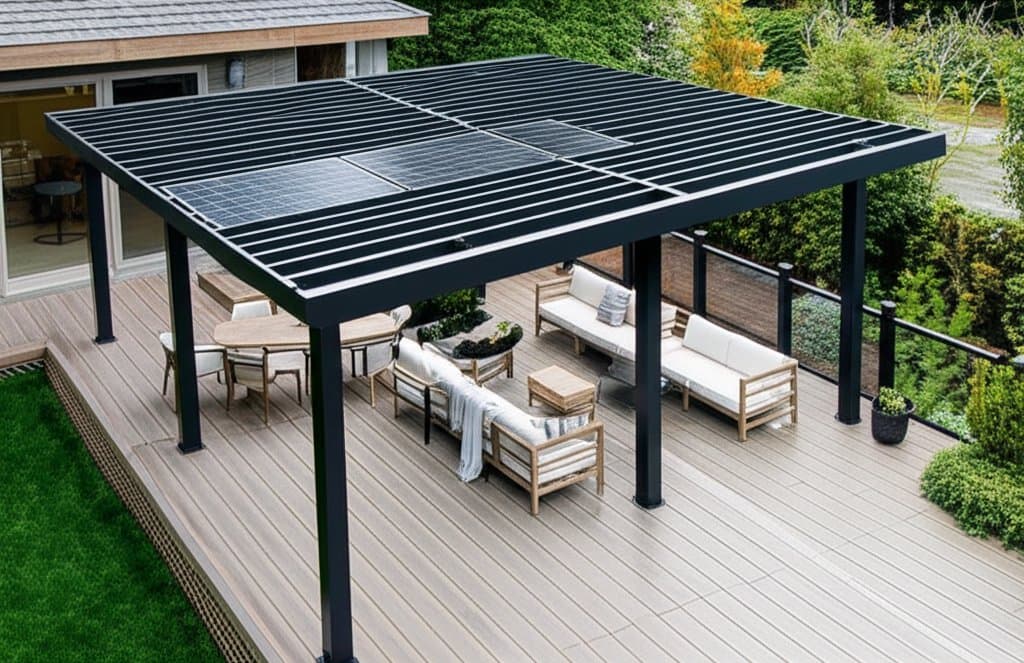
A solar pergola consists of a sturdy frame topped with solar panels that serve as both shade provider and power generator. These panels filter harsh rays to cool the area beneath by up to 15 degrees Fahrenheit, based on typical urban installations. Electricity from the panels integrates with home systems via an inverter or stores in batteries, ideal for decks, patios, or terraces receiving at least five hours of direct sunlight daily.

Energy savings accrue through reduced air conditioning use and direct power offsetting. For existing decks, assembly requires one weekend; new foundations extend the timeline by two to three days for post installation and framing alignment.

Essential Tools and Materials

Preparation involves assembling all required items to avoid delays. A detailed blueprint ensures compatibility with your space and local regulations.

Tools

  • Cordless drill equipped with assorted bits for wood and metal
  • Circular saw for precise cuts on lumber
  • Retractable tape measure for accurate dimensions
  • Bubble level to verify plumb and even surfaces
  • Sturdy extension ladder suitable for outdoor heights
  • Protective safety glasses and heavy-duty work gloves

Materials

  • Four to six pressure-treated 4x4-inch posts, each at least 8 feet long
  • 2x6 or 2x8-inch lumber for cross beams and rafters, cut to span your deck width
  • Galvanized metal brackets, lag bolts, and screws for secure joints
  • Three to six monocrystalline solar panels, sized to cover the pergola roof (typically 60-100 watts each)
  • Aluminum mounting rails and complete wiring kit from a reputable solar supplier
  • Grid-tie or off-grid inverter with appropriate cables
  • Quick-setting concrete mix for anchoring posts in footings

Verify that lumber carries outdoor durability ratings and solar components comply with regional building and electrical codes.

Construction Steps

Follow these steps methodically to build a reliable solar pergola. Each phase builds on the previous for structural integrity and electrical safety.

  1. Plan and Mark the Layout. Measure the deck perimeter and plot post positions at 6- to 8-foot intervals, maintaining a 2-inch setback from edges to prevent overhang instability. Sketch the design on graph paper to visualize beam and rafter placement.

  2. Install the Posts. Dig holes 24 inches deep at marked spots, insert posts, and secure with concrete footings or deck-mounted brackets using pilot-drilled holes and lag bolts. Allow 24-48 hours for concrete to set fully before proceeding.

  3. Secure the Beams. Position horizontal beams atop posts, aligning ends flush. Fasten with galvanized brackets and check squareness using a level and diagonal measurements across corners.

  4. Mount the Rafters. Cut rafters to length and space them 12 to 16 inches on center for even panel support. Attach with lag screws, ensuring consistent height for a level roof plane.

  5. Fit the Mounting Rails. Align aluminum rails perpendicular to rafters, securing with provided clamps and bolts. Double-check tightness to withstand wind loads up to 50 mph.

  6. Position the Solar Panels. Lift panels onto rails one at a time, securing with mid- and end-clamps per manufacturer guidelines. Position at a 20- to 30-degree tilt facing south for optimal exposure, avoiding direct steps on panel surfaces.

  7. Route the Wiring. Conceal cables along rafter undersides using UV-resistant clips, routing away from edges to prevent abrasion. Use conduit for exposed sections near ground level.

  8. Integrate the Inverter. Mount the inverter in a shaded, accessible spot near an existing outlet or panel. Connect positive and negative leads, incorporating fuses for overload protection.

  9. Verify System Performance. Power on the inverter and use a multimeter to measure output voltage and current. Monitor for 30 minutes to confirm stable production before tying into home circuits.

Allocate one to two hours per step, adjusting for team size and deck dimensions.

Key Safety Considerations

Prioritize protection during all phases to prevent injuries or system failures. Gloves shield hands from splinters and chemicals in treated wood. Position ladders on firm, level ground and secure them against slippage.

Disconnect the home's main power supply before any wiring work. Engage a certified electrician for final inspections if unfamiliar with code-compliant grounding and circuit integration. Voltage testers confirm safe connections; recheck after each assembly stage to avoid hazards like arcing or shorts.

Common Issues and Solutions

Lower-than-expected output often stems from environmental factors. Inspect for shading from trees or buildings; prune branches to ensure no shadows exceed two feet across the panel array during peak sun hours.

Accumulated dirt reduces efficiency by up to 20 percent; wipe panels quarterly with a microfiber cloth and lukewarm soapy water, rinsing thoroughly. Examine connections for looseness—retighten any fittings that yield under gentle pressure.

Inverter error indicators signal grounding problems or voltage mismatches. Perform a single reset; persistent alerts require professional diagnostics to assess component health and system balance.

Cost Breakdown and Timeline

For a 10x12-foot deck, expect total expenses of $1,500 to $3,000, varying with panel efficiency and inverter type. Structural elements account for $400 in lumber, hardware, and concrete. Standard 300-watt panels mean three units offset lighting needs, while six cover partial AC loads during summer peaks.

Framing demands one full weekend with basic skills; electrical integration adds a half-day. Budget $200 to $500 for electrician oversight, which guarantees compliance and warranty validity.

Ongoing Upkeep

Seasonal checks maintain longevity and performance. Scan for wood cracks, bolt loosening, or rail deflection after storms. Apply weatherproof sealant biennially to combat moisture and extend wood life beyond 10 years.

Clean panels biannually with hose water to clear pollen and debris, promoting airflow underneath. For battery setups, monitor charge via built-in displays monthly and wipe terminals to prevent corrosion; replace units every 5-7 years as capacity fades.

Enhance the Space

Maximize utility beneath the pergola with integrated storage. Build a hinged bench along one side to store pillows and linens protected from elements. Mount pegboards or hooks on posts for utensils and accessories.

Incorporate retractable fabric panels between posts to deflect breeze and direct sun. Connect low-voltage LED fixtures to the system's outlet for evening illumination powered by daytime generation.

Professional Assistance Thresholds

Delegate electrical tie-ins to licensed experts when linking to the main panel, as they calculate load capacities, minimize voltage losses, and install protective devices. Consult insurers for coverage on solar installations, which often mandate certified reviews prior to operation.

Implement Your Solar Pergola

Embark on this project to blend comfort, cost savings, and sustainability seamlessly. With deliberate steps, your deck evolves into a productive retreat that cools naturally and energizes efficiently.

You Might Also Like

Smart Shade Sails Cut Rooftop Heat by 30 Degrees

Living Pergolas Cool Decks Through Natural Shade

Shape Deck Zones to Stay Comfortable All Year

Rooftop Decks Stay 40% Cooler with Shade Sails

Micro-Misting Drops Deck Temperature 15 Degrees

Tagged:

energy,Renewable Energy,renewable,deck,solar,shade,pergola,solar-pergola,deck-shade

Recent by Sheila Spaulding

Image for Turn Your Balcony into a Pollinator Refuge

Turn Your Balcony into a Pollinator Refuge

Mar 19, 2026
Image for Shape Deck Zones to Stay Comfortable All Year

Shape Deck Zones to Stay Comfortable All Year

Mar 18, 2026
Image for Micro-Drip Systems Cut Balcony Watering by 70 Percent

Micro-Drip Systems Cut Balcony Watering by 70 Percent

Mar 17, 2026
Image for Native Plants Turn Balconies into Bee Havens

Native Plants Turn Balconies into Bee Havens

Mar 16, 2026
Image for Creating Deck Zones That Work in Every Season

Creating Deck Zones That Work in Every Season

Mar 15, 2026

energy

Image for Solar Pavers Store Sunlight and Charge Your Phone

Solar Pavers Store Sunlight and Charge Your Phone

Mar 14, 2026
Image for Reflective Decks Slash Cooling Costs by 40%

Reflective Decks Slash Cooling Costs by 40%

Mar 13, 2026
Image for Solar Pergolas Cut Cooling Costs While Powering Your Deck

Deck Construction & Remodeling

Living Pergolas Cool Decks Through Natural Shade

Transform your deck into a shaded, verdant escape using a living pergola. This comprehensive guide details material selection, structural assembly, irrigation setup, and vine choices that flourish. Explore techniques to enhance shade, optimize airflow, and cultivate a sustainable oasis that enhances comfort and beauty with each passing season.

Mar 18, 2026

Shape Deck Zones to Stay Comfortable All Year

Elevate your deck into a versatile outdoor haven by implementing microclimate zones. This approach involves assessing light patterns, wind flow, and thermal areas, then applying targeted elements like portable heaters, shade structures, and strategic plantings to ensure comfort across all seasons.

Mar 18, 2026

Cool Decks Stay 20 Degrees Cooler in Summer Heat

Turn urban decks from hot hazards into cool havens with heat-reflective materials. This guide covers composites, thermally modified woods, and strategies to maintain surfaces up to 20 degrees cooler, plus practical advice on design, budget, and care for year-round enjoyment.

Categories

Deck Construction & Remodeling(223)
Balcony Design(191)
Small-Space Gardens(82)
Rooftop Decks(81)
Backyard Design(21)

Solar Pergolas Cut Cooling Costs While Powering Your Deck

Mar 11, 2026
Image for Solar Glass Railings Turn Rooftop Edges Into Power

Solar Glass Railings Turn Rooftop Edges Into Power

Mar 11, 2026
Image for Solar Pergolas Cut Deck Heat While Powering Your Home

Solar Pergolas Cut Deck Heat While Powering Your Home

Mar 7, 2026
Mar 16, 2026

Micro-Misting Drops Deck Temperature 15 Degrees

Combat summer heat by installing a micro-misting system that reduces deck temperatures up to 15°F. This guide covers the cooling process, energy-efficient benefits, and adaptable designs for various outdoor areas. Find detailed installation instructions, troubleshooting advice, and seasonal maintenance to sustain a refreshing backyard environment.

Mar 16, 2026

Mycelium Decks Break Down Instead of Piling Up

Mycelium decks revolutionize urban outdoor areas with panels grown from fungal networks and agricultural byproducts. These lightweight, water-resistant, and fully biodegradable options provide a green alternative to traditional plastic composites. This guide covers installation, upkeep, budgeting, and strategies to maximize their lifespan while minimizing environmental impact.

Mar 15, 2026

Creating Deck Zones That Work in Every Season

Elevate your deck into a seasonal haven by developing microclimates that provide tailored comfort throughout the year. Explore strategies for zoning, shading, heating, and organizing with durable materials, strategic lighting, and efficient storage solutions. Achieve prolonged outdoor use while enhancing energy efficiency, visual appeal, and safety measures.

Mar 15, 2026

Glass Domes Keep Your Deck Open All Year

Elevate your deck into a versatile, all-season haven using glass domes or retractable pergolas. Gain insights into selecting materials, executing installations, and performing upkeep to maintain a bright, comfortable area for winter mornings or summer evenings alike.

Mar 14, 2026

Solar Pavers Store Sunlight and Charge Your Phone

Elevate your outdoor spaces with solar pavers that capture daylight to provide nighttime illumination and device charging capabilities. This comprehensive guide details their functionality, installation requirements, upkeep recommendations, expense considerations, and safety protocols to help you build an efficient, luminous environment that performs reliably throughout the year with little ongoing work.

Mar 14, 2026

Smart Apps Map Microclimates for Ideal Deck Builds

Smart apps uncover microclimate nuances in your yard, from sunlight exposure to wind flow and moisture levels. These tools guide material selection, layout planning, and design choices to create durable, comfortable decks. Transform local data into a strategic plan for your perfect outdoor area.

Mar 13, 2026

Pergola Pods Turn Decks Into Year-Round Retreats

Elevate your deck with a pergola pod, a versatile structure that provides shade, protection, and aesthetic appeal. This guide covers planning, construction, upkeep, and strategies to maximize seasonal use, ensuring comfort in any weather.

Mar 12, 2026

Solar Pergolas Cut Cooling Costs While Powering Your Deck

Elevate your deck with a solar pergola that offers shade and produces clean energy. This comprehensive guide details planning, material choices, installation steps, safety measures, troubleshooting, budgeting, and maintenance. Discover how to build a durable structure that cuts energy expenses and enhances outdoor comfort.

Mar 11, 2026

Micro-Misting Drops Deck Heat 15° Without Puddles

Micro-misting provides an effective solution to transform sweltering decks into comfortable retreats, reducing temperatures by up to 15 degrees through fine water droplets. This guide details the science behind the cooling, lists necessary tools and materials, outlines installation processes, addresses safety considerations, and offers maintenance advice for reliable performance throughout the season.

Mar 11, 2026

Mycelium Decks Grow Strength from Fungal Roots

Mycelium decks leverage fungal networks to create biodegradable, waste-derived outdoor flooring that enhances urban sustainability. This resource provides practical instructions for building resilient panels that integrate nature into city living, including material selection, assembly techniques, and long-term care strategies.

Mar 11, 2026

Micro-Clover Borders Cut Deck Upkeep in Half

Revitalize weary deck borders using resilient micro-clover, a self-sustaining ground cover that thrives with little intervention. This guide details installation, care essentials, and advantages like reduced mowing and enhanced aesthetics for compact urban spaces.

Mar 10, 2026

Set Up Drip Irrigation for Deck Containers

Elevate deck gardening with a micro-drip irrigation system that automates watering for consistent plant health. This guide covers planning, installation, and maintenance to save time, reduce water use, and ensure thriving containers in urban settings.

Mar 8, 2026

Soundproof Your Deck with Layers and Soft Surfaces

Convert a bustling urban deck into a serene haven through effective soundproofing techniques. This guide details sealing gaps, layering soft materials, installing acoustic panels, and integrating natural barriers like plants and curtains to foster a private, relaxing environment that balances style and acoustic control.

Mar 8, 2026

Solar Pergolas Cut Deck Heat While Powering Your Home

Elevate your deck with a solar pergola that offers shade from heat and produces renewable energy. This comprehensive guide details design options, material choices, step-by-step installation, safety measures, and upkeep strategies to boost comfort, cut costs, and promote eco-friendly living in your outdoor area.

Mar 7, 2026

Native Plants Transform Deck Edges Into Pollinator Havens

Convert a plain deck into a bustling pollinator sanctuary using native plant borders. This guide covers design principles, plant selection, planting techniques, and maintenance strategies to attract bees, butterflies, and birds with minimal effort. Explore practical advice, recommended species, and care essentials for a vibrant, eco-friendly outdoor space.

Mar 7, 2026

Acoustic Panels Cut Deck Noise by 30 to 50 Percent

Elevate a bustling deck to a tranquil sanctuary via outdoor acoustic panels. This resource covers selecting resilient materials, orchestrating installations, and upholding acoustic efficacy throughout the year. Acquire actionable guidance, cost-saving advice, and aesthetic concepts to neutralize city clamor, enhance seclusion, and foster relaxed, conducive outdoor interactions.

Mar 6, 2026

Solar Pergolas Blend Shade With Clean Energy Generation

Elevate your deck with a solar pergola that offers shade and generates clean energy. This comprehensive guide details design strategies, material choices, installation processes, safety measures, and ongoing maintenance to achieve a balance of comfort, eco-friendliness, and visual elegance for discerning homeowners eyeing 2026 upgrades.

Mar 6, 2026