Loading...

Solar Pergolas: Shade Your Deck and Slash Energy Bills | urbanoutdoorsnyc.com | Urban Outdoors - Small-Space Gardens, Rooftop Decks, Balconies, Decks, Backyard Design
Skip to main content
Urban Outdoors
Search
Home
  1. Home
  2. /
  3. Deck Construction & Remodeling
  4. /
  5. Solar Pergolas Cut Energy Bills While Shading Your Deck
Deck Construction & Remodeling

Solar Pergolas Cut Energy Bills While Shading Your Deck

byAnne Marion
2026-01-11 04:26:23January 11, 2026
6 min read
Featured image for Solar Pergolas Cut Energy Bills While Shading Your Deck

Categories

Navigation

  • Home
  • All Articles
  • About Us
  • Privacy Policy
  • Terms of Service

© 2026 Urban Outdoors. Crafted for bold city dwellers.

2026-01-12 03:45:11
Urban Outdoors - Small-Space Gardens, Rooftop Decks, Balconies, Decks, Backyard Design

Understanding Solar Pergolas

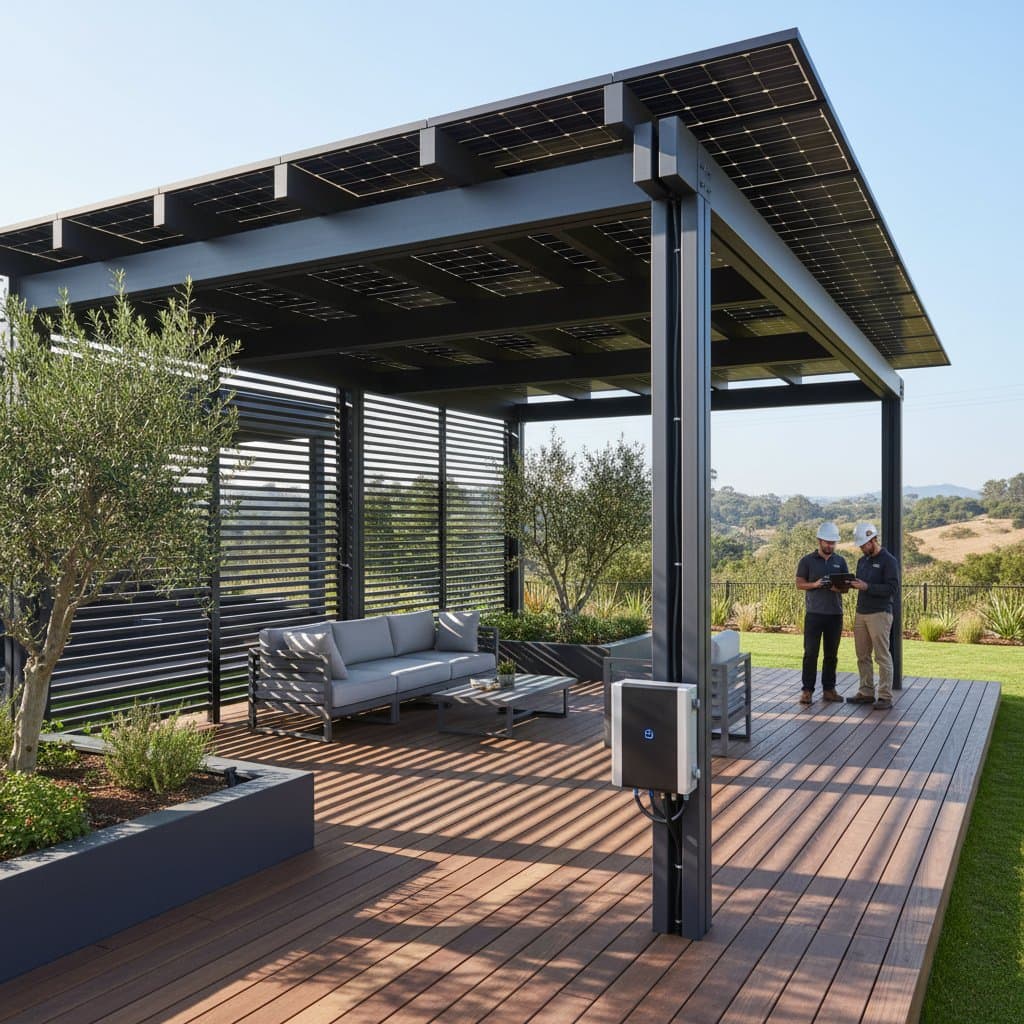
Solar pergolas combine traditional outdoor shading structures with modern solar technology. These installations feature a lattice roof topped with photovoltaic panels that generate electricity while providing shelter from the sun. Homeowners install them over decks, patios, or gardens to create versatile spaces that enhance comfort and reduce reliance on grid power.

The design allows sunlight to filter through in a patterned way, offering partial shade without blocking all natural light. Integrated wiring routes energy to nearby outlets, lights, or even home systems. This setup turns idle outdoor areas into productive energy sources, aligning with broader goals of sustainability and cost efficiency.

Key Benefits for Your Home

Solar pergolas deliver multiple advantages beyond basic shade. They lower energy bills by producing clean power for outdoor use or feeding excess into your home grid. In sunny regions, a well-placed unit can offset the cost of running air conditioners or powering electronics during peak summer months.

Environmentally, they reduce carbon footprints by harnessing renewable energy. Aesthetically, customizable materials like cedar, aluminum, or composite blends fit various architectural styles, elevating property value. Users report increased outdoor enjoyment, as the structure encourages more time spent in shaded, powered retreats.

Financial returns vary by location and system size, but incentives like tax credits often accelerate payback periods to five to seven years. Regular use of generated power maximizes savings, making the investment practical for many households.

Selecting Materials and Design Elements

Choose durable, weather-resistant materials to ensure longevity. Redwood or pressure-treated pine works for posts and beams in humid climates, while aluminum frames suit coastal areas prone to salt corrosion. For the roof, opt for panels rated at least 300 watts each, with monocrystalline types offering higher efficiency in limited space.

Design considerations include orientation toward the south for optimal sun exposure in the northern hemisphere. Space posts 8 to 10 feet apart to support the weight of panels, which add about 40 pounds per unit. Incorporate adjustable louvers or retractable covers for variable shading levels.

Consult local building codes early. Some areas require permits for structures over 200 square feet or those connected to electrical systems. Sketch multiple layouts to balance aesthetics with functionality, ensuring easy access for cleaning and maintenance.

Installation Steps

Begin by marking the foundation. Dig post holes 24 to 36 inches deep, depending on soil type and frost line. Pour concrete footings and insert pressure-treated posts, allowing 48 hours for curing before attaching beams.

Mount the frame next. Secure horizontal beams to posts with galvanized bolts, then add cross members for the panel grid. Position solar panels at a 20- to 40-degree tilt based on your latitude to capture maximum sunlight.

Wire the system carefully. Connect panels in series or parallel to match your inverter capacity. Route cables through UV-resistant conduit to a ground-mounted inverter, then to storage batteries or the home panel if grid-tied. Test all connections with a multimeter before finalizing.

Professional oversight proves essential for electrical work. Even DIY enthusiasts benefit from an inspector's review to confirm compliance and safety.

Safety Tips

Always install ground-fault circuit interrupter (GFCI) outlets for outdoor use to prevent shocks. Enclose all wiring in conduit to shield it from moisture, pests, and physical damage.

Anchor posts deeply into concrete to withstand winds up to 90 miles per hour. Clean panels only when cool to prevent thermal shock that could cause cracking.

Label breakers and switches clearly for quick identification during maintenance or emergencies. Wear protective gear, including gloves and safety glasses, when handling electrical components.

Troubleshooting Common Issues

If power output drops, inspect panels for dirt, debris, or bird droppings. A light layer of dust reduces efficiency by up to 10 percent; clean gently with mild soap, water, and a soft brush.

For an inverter that fails to start, verify tight connections and check the disconnect switch or fuses. A blank display often signals a simple reset or blown fuse replacement.

Uneven shade from nearby trees or buildings may limit sunlight. Adjust panel angles slightly or prune obstructing branches to restore exposure.

Address water leaks promptly by sealing junction boxes and conduit with silicone caulk. Replace any damaged gaskets to avoid corrosion or short circuits.

Budget and Timeline Considerations

Expect costs from $4,000 to $12,000 for a solar pergola, influenced by size, materials, and features. A basic DIY model with standard lumber and four panels approaches the lower range, while premium options with custom wiring exceed $10,000.

Hire professionals for labor at $1,500 to $3,000, covering framing and electrical integration. A 2-kilowatt system generates 2,500 to 3,000 kilowatt-hours annually, potentially saving $200 to $400 yearly based on local rates.

Construction timelines range from three to five days for simple setups to two weeks for grid-connected designs. Factor in permitting delays, which add one to four weeks in regulated areas.

To manage expenses, source reclaimed lumber if structurally sound, purchase panels in bulk for discounts, and apply basic finishes initially. Prioritize quality in inverters and wiring to avoid premature failures and hazards.

Ongoing Maintenance Practices

Solar panels require minimal upkeep, as rain often suffices for cleaning. Perform a gentle wash every three months with a soft brush, mild detergent, and hose rinse to boost output.

Conduct seasonal inspections of bolts, brackets, and wiring. Tighten loose parts and treat any corrosion with appropriate sealants. Refresh wood preservatives every two to three years to combat moisture and rot.

Remove snow or debris carefully using plastic tools to avoid scratches. Monitor system performance via an app or meter to detect declines early.

Practical Storage Solutions

Store maintenance tools in a weatherproof box adjacent to the pergola, including brushes, cleaners, gloves, and a voltage tester. Maintain a logbook for recording inspections, cleanings, and energy yields to track trends and identify issues.

Organize charging cables for devices in a sealed bin beneath seating. These steps keep the area organized and equipment protected from elements.

Engaging Professional Help

Seek a licensed electrician for grid ties, inspections, inverter swaps, or diagnosing faults like shorts. Their expertise ensures code compliance and system reliability.

Consult a carpenter or engineer for spans exceeding 14 feet without supports. Such designs demand reinforced beams or steel elements to bear panel loads safely.

Steps to Get Started

Measure your deck's sunniest areas, noting shade patterns throughout the day. This informs placement for maximum energy capture.

Draft a detailed sketch, specifying post positions, beam alignments, and panel orientations. Use free design software for visualization.

Obtain quotes from suppliers for panels, lumber, and components. Compare options to fit your budget while meeting quality standards.

Begin with a modest setup of two or three panels to light fixtures or fans. This approach builds confidence and demonstrates real savings before scaling up.

Realizing Long-Term Value

A solar pergola extends your living space while generating returns through energy independence. Consistent maintenance preserves efficiency, ensuring years of reliable performance. As utility costs rise, this addition positions your home for resilience and enjoyment.

You Might Also Like

Solar Drip Systems Keep Deck Gardens Watered Automatically

Solar Pavers Convert Steps and Sunlight Into Power

Glass Deck Floors That Skylight the Space Below

Mycelium Boards Replace Wood in Sustainable Decking

Cut Deck Noise with Acoustic Privacy Screens

Tagged:

outdoor,energy,sustainable,deck,solar,pergola,solar-pergola,generating,energy-generating-deck,sustainable-outdoor

Recent by Anne Marion

Image for Solar Drip Systems Keep Deck Gardens Watered Automatically

Solar Drip Systems Keep Deck Gardens Watered Automatically

Feb 2, 2026
Image for Watering 50+ Pots From a Single Faucet

Watering 50+ Pots From a Single Faucet

Feb 2, 2026
Image for Simple Drip Systems That Water While You Work

Simple Drip Systems That Water While You Work

Jan 31, 2026
Image for How Urban Gardens Cut City Noise by 70%

How Urban Gardens Cut City Noise by 70%

Jan 31, 2026
Image for Micro-Pergola Pods Bring Patio Comfort to Tiny Balconies

Micro-Pergola Pods Bring Patio Comfort to Tiny Balconies

Jan 29, 2026

outdoor

Image for Micro-Misting Drops Balcony Temps 20 Degrees Fast

Micro-Misting Drops Balcony Temps 20 Degrees Fast

Jan 29, 2026
Image for Turn Your Deck into a Clean Energy Generator

Turn Your Deck into a Clean Energy Generator

Jan 29, 2026
Image for Micro-Pergola Pods Bring Patio Comfort to Tiny Balconies

Deck Construction & Remodeling

Solar Drip Systems Keep Deck Gardens Watered Automatically

Elevate your deck gardening with solar-powered drip irrigation for precise, hands-free watering. This guide covers final setup steps, safety measures, common fixes, cost breakdowns, and year-round care to foster healthy plants with minimal intervention.

Feb 2, 2026

Solar Pavers Convert Steps and Sunlight Into Power

Elevate your outdoor paths with solar pavers that generate electricity from sunlight and movement. This comprehensive resource outlines functionality, step-by-step setup, budgeting, troubleshooting, and ways to apply the power for lighting or devices—all while promoting green living.

Feb 2, 2026

Glass Deck Floors That Skylight the Space Below

Elevate your deck design with glass floor panels that function as skylights, flooding lower areas with natural light while delivering a sleek, contemporary look. This resource provides in-depth coverage of benefits, essential materials, step-by-step installation, safety protocols, maintenance routines, and guidance on when to hire experts—all to optimize your outdoor environment for light, style, and longevity.

Categories

Deck Construction & Remodeling(158)
Balcony Design(146)
Small-Space Gardens(63)
Rooftop Decks(50)
Backyard Design(18)

Micro-Pergola Pods Bring Patio Comfort to Tiny Balconies

Jan 29, 2026
Image for Cool Your Deck 15° with Solar Shade Sails

Cool Your Deck 15° with Solar Shade Sails

Jan 25, 2026
Image for Fold-Up Balcony Beds Turn City Patios Into Bedrooms

Fold-Up Balcony Beds Turn City Patios Into Bedrooms

Jan 23, 2026
Feb 2, 2026

Mycelium Boards Replace Wood in Sustainable Decking

Mycelium decking redefines sustainable outdoor design with boards cultivated from fungal roots and agricultural waste. These lightweight, compostable planks match wood's strength while minimizing environmental impact. This guide covers planning, installation, and care for a resilient, green yard addition.

Feb 1, 2026

Cut Deck Noise with Acoustic Privacy Screens

Turn urban deck noise into peaceful quiet with acoustic privacy screens. Explore sound-blocking options, step-by-step installation, upkeep advice, and cost-effective choices for a more enjoyable outdoor space throughout the year.

Feb 1, 2026

Deck Benches That Turn Scraps Into Garden Soil

Convert your deck into an eco-friendly oasis with a composting bench that serves as both comfortable seating and efficient soil producer. This comprehensive guide details construction steps, material needs, troubleshooting, and seasonal care to minimize waste and maximize garden yields.

Jan 31, 2026

Permeable Pavers Stop Flooding and Raise Property Value

Permeable pavers convert waterlogged areas into resilient, environmentally friendly surfaces. Water infiltrates through paver joints and stone bases, minimizing runoff, safeguarding structures, and elevating aesthetic appeal. This comprehensive guide details installation processes, upkeep routines, and financial considerations to demonstrate how these pavers promote sustainability, property enhancement, and enduring outdoor usability.

Jan 29, 2026

Turn Your Deck into a Clean Energy Generator

Elevate your deck into a sustainable solar energy source with integrated pavers that merge aesthetics and efficiency. This guide covers sunlight evaluation, circuit planning, durable tile installation, performance upkeep, expense details, safety protocols, and professional consultation needs to create a self-powered outdoor retreat.

Jan 29, 2026

Solar Pavers Turn Sunlight Into Outdoor Power

Elevate your outdoor areas with solar pavers, robust tiles that capture sunlight to generate power for lighting, charging stations, and appliances. This guide covers their functionality, required materials, and detailed installation instructions to build an efficient, wire-free environment that blends practicality with aesthetic appeal.

Jan 28, 2026

Mycelium Decks Replace Wood With Living Fungi Material

Mycelium, the intricate root system of fungi, emerges as a groundbreaking material for decking. This renewable and biodegradable option provides the durability of wood with a fraction of the environmental impact. Readers will gain insights into installation, maintenance, and benefits to create an outdoor haven that aligns with sustainable living principles.

Jan 27, 2026

Deck Pods Turn Open Decks into Year-Round Rooms

Convert your deck into a protected, inviting extension of your home using modular deck pods. This comprehensive guide covers planning, assembly, and upkeep for these adaptable structures, including required tools, safety protocols, and enhancements to achieve a durable, stylish outdoor space that provides year-round utility.

Jan 26, 2026

Solar Shade Sails Generate Power While Cooling Your Deck

Elevate your deck with solar shade sails that offer respite from the sun while harnessing solar power for everyday use. These versatile structures blend comfort with eco-friendly energy generation. Explore practical steps for installation, upkeep, and optimization to create an inviting, self-sustaining outdoor haven.

Jan 26, 2026

Cool Your Deck 15° with Solar Shade Sails

Counter summer deck heat with solar shade sails capable of reducing temperatures by up to 15 degrees. These tensioned fabric panels effectively block UV rays, improve airflow, and install in just one day. Gain insights into required tools, essential safety measures, and maintenance strategies for extended outdoor enjoyment.

Jan 25, 2026

Why Permeable Decks Stay 20 Degrees Cooler

Permeable decks address intense summer heat by facilitating airflow and water passage, which dissipates trapped warmth and maintains surfaces up to 20 degrees cooler. Incorporating light-colored materials, strategic gaps, and evaporative cooling, these decks foster inviting, sustainable outdoor areas that require low maintenance and provide enduring relief from hot surfaces.

Jan 25, 2026

Solar Pergolas Cut City Heat While Powering Your Deck

Elevate your compact urban deck with a solar pergola that delivers shade, produces renewable energy, and enhances sustainability. This comprehensive guide includes planning strategies, material choices, step-by-step installation, safety protocols, and upkeep tips to achieve a cooler, cost-effective outdoor area while increasing home value on a practical budget.

Jan 24, 2026

Fungal Fibers That Replace Wood Decks and Compost Clean

Mycelium decks redefine urban outdoor spaces through sustainable, compostable panels derived from fungal networks. These lightweight, durable alternatives to wood or plastic utilize agricultural waste. Follow this guide to cultivate, process, install, and maintain them for environmentally conscious urban design.

Jan 24, 2026

Misting Systems Drop Deck Temps 20° Fast

Misting systems transform hot decks into inviting spaces by reducing temperatures up to 20 degrees. This guide details planning, installation, maintenance, and optimization strategies for safe, effective cooling throughout the season.

Jan 22, 2026

UV Shade Sails Drop Deck Temps 20 Degrees

Combat summer heat and safeguard your deck using UV shade sails. This comprehensive guide details selection, installation, and upkeep strategies that reduce surface temperatures, avert color fading, and prolong deck longevity. Explore required tools, safety measures, common issues, and professional insights to create a fashionable, protected outdoor haven.

Jan 22, 2026

Shade Sails That Follow the Sun All Day Long

Automatic sun-tracking shade sails adjust their position to follow the sun, providing consistent shade and comfort on decks and patios. This comprehensive guide explains the technology, step-by-step installation, essential safety measures, ongoing maintenance, associated costs, and strategies to maximize durability and efficiency in your outdoor environment.

Jan 21, 2026

AI Cameras That Water Plants and Deter Deck Pests

Elevate your urban deck into an automated oasis with AI cameras that identify pests, optimize irrigation, and reduce upkeep. These intelligent systems leverage computer vision to safeguard plants, promote efficient water use, and deliver seamless outdoor enjoyment via straightforward installation and reliable performance.

Jan 21, 2026