Loading...

Solar Retractable Kits Reduce Deck Heat by 20° | Urban Outdoors NYC | Urban Outdoors - Small-Space Gardens, Rooftop Decks, Balconies, Decks, Backyard Design
Skip to main content
Urban Outdoors
Search
Home
  1. Home
  2. /
  3. Deck Construction & Remodeling
  4. /
  5. Solar Retractable Kits Cut Deck Heat by 20 Degrees
Deck Construction & Remodeling

Solar Retractable Kits Cut Deck Heat by 20 Degrees

byDawn Hayden
2025-10-09 03:19:10October 9, 2025
8 min read
Featured image for Solar Retractable Kits Cut Deck Heat by 20 Degrees

Categories

Navigation

  • Home
  • All Articles
  • About Us
  • Privacy Policy
  • Terms of Service

© 2026 Urban Outdoors. Crafted for bold city dwellers.

2025-10-09 03:19:18
Urban Outdoors - Small-Space Gardens, Rooftop Decks, Balconies, Decks, Backyard Design

Shield Your Deck from Intense Sun with Solar Retractable Kits

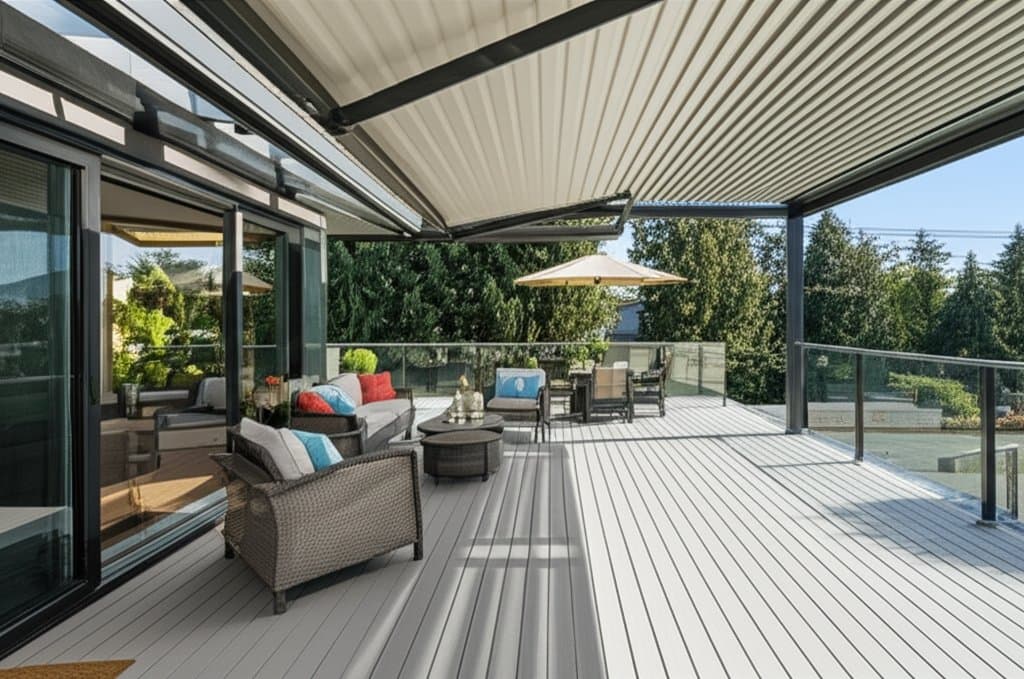
Excessive sunlight transforms a welcoming deck into an uncomfortable area that discourages use. Solar retractable kits provide on-demand shade while allowing sunlight access as desired. These systems maintain cooler deck temperatures, safeguard furniture from damage, and decrease overall energy consumption. This comprehensive guide explains the components of solar retractable kits, their advantages, and the process for safe installation and ongoing maintenance.

Overview of Solar Retractable Kits

A solar retractable kit consists of a motorized or manual awning system that operates using energy from integrated solar panels. Users extend or retract the awning via a remote control, switch, or hand crank to control sunlight exposure. The solar panel captures sunlight to charge a compact battery, which powers the motor without requiring connection to the home's electrical grid. This design promotes energy efficiency and environmental sustainability.

Flexibility stands out as a primary advantage. Adjust the awning to create shade during midday gatherings or retract it to capture evening sunlight. These kits adapt well to decks, patios, and pergolas, enhancing usability in various outdoor settings. When positioned near sliding doors or expansive windows, they also help regulate indoor temperatures by minimizing heat gain.

Effective shading blocks up to 90 percent of direct solar rays, reducing deck surface temperatures by 15 to 20 degrees Fahrenheit. This cooling effect diminishes glare and protects materials such as wood decking, outdoor cushions, and area rugs from premature fading and deterioration. For urban residents with constrained outdoor areas, these kits expand comfortable living space without necessitating permanent fixtures that might violate local regulations.

Essential Tools and Materials

Prepare all necessary items prior to starting the installation. Standard solar retractable kits typically include mounting brackets, a roller tube assembly, a durable fabric canopy, a solar panel, and a battery pack. Additional tools required include the following:

  • Cordless drill equipped with appropriate screwdriver bits
  • Measuring tape extending at least 25 feet, or 7.6 meters
  • Socket wrench set for securing fasteners
  • Level measuring at least 24 inches, or 61 centimeters, for alignment
  • Sturdy ladder sufficient to access the mounting location on the deck beam or adjacent wall
  • Silicone-based sealant to ensure weather resistance
  • Safety glasses and work gloves for protection

Verify that the kit supplies mounting bolts suitable for wood or masonry surfaces. For brick or concrete walls, select expansion anchors designed for exterior applications to guarantee secure attachment.

Installation Steps

Step 1: Measure and Plan the Layout

Determine the width of the deck section requiring shade coverage. Solar retractable kits generally span 10 to 20 feet, or 3 to 6 meters, with projections extending 8 to 12 feet, or 2.4 to 3.6 meters, from the mounting point. Establish a mounting line positioned at least 8 feet, or 2.4 meters, above the deck surface to preserve adequate headroom for users.

Consider the sun's path across your specific location to optimize shade placement. Account for any overhead obstacles, such as tree branches or neighboring structures, that could interfere with operation or panel exposure.

Step 2: Secure the Mounting Brackets

Position each bracket along the predetermined mounting line and confirm level alignment using the tool. Drill pilot holes into structural framing elements, avoiding superficial siding materials that lack support. Attach the brackets firmly with bolts and washers, then apply silicone sealant around the bolt heads to block moisture infiltration.

Double-check the brackets' stability by applying gentle pressure. If mounting on a wall, ensure the surface can bear the system's weight, which typically ranges from 50 to 80 pounds when fully assembled.

Step 3: Assemble the Roller Tube and Canopy

Hoist the roller tube into the installed brackets and lock it in place according to the kit instructions. Connect the fabric canopy using the provided clips or sleeve mechanisms. Ensure the material deploys evenly without twists or folds that could impede smooth retraction.

Inspect the canopy edges for proper tension. Select fabrics with UV-resistant coatings and water-repellent treatments to maximize longevity in outdoor conditions.

Step 4: Integrate the Solar Panel

Affix the solar panel to a sun-exposed location, ideally receiving direct sunlight for a minimum of four hours daily. Tilt the panel at approximately 30 degrees toward the south in the Northern Hemisphere to capture optimal energy. Route the included cables from the panel to the battery pack, and then connect the pack to the motor assembly.

Secure all wiring away from potential abrasion points, such as sharp edges or moving parts. Test initial connections with a multimeter to confirm voltage output meets the manufacturer's specifications, usually around 12 volts.

Step 5: Verify Operation and Adjustments

Activate the remote control or manual switch to extend and retract the canopy fully. Fine-tune the awning's pitch to facilitate water runoff and maintain even edges. Retighten all fasteners after confirming proper alignment and smooth movement.

Observe the system under partial load, such as during a light breeze, to detect any unusual vibrations or resistance.

Step 6: Finalize Weatherproofing

Apply an additional layer of silicone sealant along the interface between the brackets and the mounting surface. This step seals potential entry points for rain or humidity, extending the hardware's service life.

Conduct a thorough visual inspection to ensure no loose components remain. Document the installation date and initial settings for future reference.

Key Safety Considerations

Always wear protective gloves when manipulating metal components to avoid sharp edges. Avoid installation on wet surfaces or during windy conditions exceeding 15 miles per hour to prevent accidents. Enlist a second individual to assist with lifting the roller tube, which weighs between 40 and 60 pounds, or 18 to 27 kilograms.

Disconnect power to the motor before making adjustments to arm tension or wiring. Keep children and pets clear of the work area, and never operate the system if structural integrity appears compromised.

Common Troubleshooting Solutions

Should the canopy fail to extend or retract, first examine connections between the solar panel and battery. Clean the panel with mild soap and water, as accumulated debris can reduce energy output by up to 20 percent.

Address sagging fabric by adjusting the front bar bolts to restore tension. For inconsistent extension, evaluate the arm tension springs and perform a manual reset using the supplied Allen key if applicable.

If the motor experiences stalling, measure the battery voltage; levels below 11 volts indicate the need for replacement. Consult the user manual for model-specific diagnostics, and avoid forcing mechanical components to prevent damage.

Routine Maintenance Practices

Brush the canopy fabric gently with water once each season to remove surface dirt. Steer clear of abrasive or chemical cleaners that could degrade the UV-protective layer. Allow complete drying before retraction to inhibit mold growth.

Clean the solar panel biweekly to clear dust, pollen, or droppings that obstruct efficiency. Inspect and tighten all bolts semiannually, applying silicone-based lubricant to pivot points rather than oil, which draws additional contaminants.

Monitor fabric integrity annually, replacing sections showing significant wear, such as tears or color loss, to sustain performance.

Off-Season Storage Guidelines

In regions with severe winters, fully retract the canopy and fasten the arms using provided straps. Encase the roller tube in a breathable, waterproof cover to shield it from elements. Relocate the remote control and battery pack to an indoor space to avoid temperature extremes that could cause cracking or corrosion.

For temperate areas, keep the installation intact but retract during storms or winds surpassing 25 miles per hour, or 40 kilometers per hour. Periodic checks during inactivity ensure readiness for the next season.

Cost Estimates and Timeline

Solar retractable kits range in price from 700 to 2,500 dollars, influenced by dimensions, motor features, and fabric quality. Manual options offer affordability, while automated models provide enhanced usability through remote operation. A two-person team completes installation in four to six hours; hiring professionals incurs an additional 300 to 600 dollars.

Ongoing costs remain minimal, limited to cleaning materials and fabric renewal every eight to ten years. Factor in potential savings from reduced air conditioning use, which can offset initial investment within two to three summers.

Preparing for Seasonal Changes

At the onset of warmer weather, perform a detailed inspection for frayed edges or diminished UV resistance in the canopy. Adjust the solar panel's angle to align with shifting sunlight patterns throughout the year.

As autumn approaches, retract the awning and secure components against falling leaves or early frosts. These proactive measures preserve functionality and appearance across seasons.

Indicators for Professional Assistance

Engage a certified installer for uneven mounting surfaces, integrations with existing electrical setups, or decks exhibiting structural concerns. Inquire about the system's load-bearing capacity, fabric warranties typically spanning five to seven years, and adherence to local wind-load standards.

Professionals also ensure compliance with building codes, particularly in coastal or high-wind zones, providing peace of mind and potential insurance benefits.

Steps to Get Started

Begin by measuring your deck and identifying peak sun exposure periods. Research and compare at least two or three kits, evaluating specifications for width, projection depth, and fabric durability.

Acquire the selected kit and assemble your tools. Follow this guide to install confidently, transforming your outdoor area into a versatile, comfortable extension of your home. With proper setup, enjoy sustained benefits in comfort, protection, and efficiency for years ahead.

You Might Also Like

Solar Drip Systems Keep Deck Gardens Watered Automatically

Solar Pavers Convert Steps and Sunlight Into Power

Glass Deck Floors That Skylight the Space Below

Mycelium Boards Replace Wood in Sustainable Decking

Cut Deck Noise with Acoustic Privacy Screens

Tagged:

deck,solar,retractable,shade,cover,pergola,solar-pergola,retractable-shade,deck-cover

Recent by Dawn Hayden

Image for Glass Deck Floors That Skylight the Space Below

Glass Deck Floors That Skylight the Space Below

Feb 2, 2026
Image for Cut Deck Noise with Acoustic Privacy Screens

Cut Deck Noise with Acoustic Privacy Screens

Feb 1, 2026
Image for Deck Benches That Turn Scraps Into Garden Soil

Deck Benches That Turn Scraps Into Garden Soil

Jan 31, 2026
Image for Cool Balconies 15° Cheaper with Micro-Misting Systems

Cool Balconies 15° Cheaper with Micro-Misting Systems

Jan 30, 2026
Image for Living Sound Filters for City Apartments

Living Sound Filters for City Apartments

Jan 30, 2026

deck

Image for Solar Drip Systems Keep Deck Gardens Watered Automatically

Solar Drip Systems Keep Deck Gardens Watered Automatically

Feb 2, 2026
Image for Glass Deck Floors That Skylight the Space Below

Glass Deck Floors That Skylight the Space Below

Feb 2, 2026
Image for Mycelium Boards Replace Wood in Sustainable Decking

Deck Construction & Remodeling

Solar Drip Systems Keep Deck Gardens Watered Automatically

Elevate your deck gardening with solar-powered drip irrigation for precise, hands-free watering. This guide covers final setup steps, safety measures, common fixes, cost breakdowns, and year-round care to foster healthy plants with minimal intervention.

Feb 2, 2026

Solar Pavers Convert Steps and Sunlight Into Power

Elevate your outdoor paths with solar pavers that generate electricity from sunlight and movement. This comprehensive resource outlines functionality, step-by-step setup, budgeting, troubleshooting, and ways to apply the power for lighting or devices—all while promoting green living.

Feb 2, 2026

Glass Deck Floors That Skylight the Space Below

Elevate your deck design with glass floor panels that function as skylights, flooding lower areas with natural light while delivering a sleek, contemporary look. This resource provides in-depth coverage of benefits, essential materials, step-by-step installation, safety protocols, maintenance routines, and guidance on when to hire experts—all to optimize your outdoor environment for light, style, and longevity.

Categories

Deck Construction & Remodeling(158)
Balcony Design(146)
Small-Space Gardens(63)
Rooftop Decks(50)
Backyard Design(18)

Mycelium Boards Replace Wood in Sustainable Decking

Feb 1, 2026
Image for Cut Deck Noise with Acoustic Privacy Screens

Cut Deck Noise with Acoustic Privacy Screens

Feb 1, 2026
Image for Deck Benches That Turn Scraps Into Garden Soil

Deck Benches That Turn Scraps Into Garden Soil

Jan 31, 2026
Feb 2, 2026

Mycelium Boards Replace Wood in Sustainable Decking

Mycelium decking redefines sustainable outdoor design with boards cultivated from fungal roots and agricultural waste. These lightweight, compostable planks match wood's strength while minimizing environmental impact. This guide covers planning, installation, and care for a resilient, green yard addition.

Feb 1, 2026

Cut Deck Noise with Acoustic Privacy Screens

Turn urban deck noise into peaceful quiet with acoustic privacy screens. Explore sound-blocking options, step-by-step installation, upkeep advice, and cost-effective choices for a more enjoyable outdoor space throughout the year.

Feb 1, 2026

Deck Benches That Turn Scraps Into Garden Soil

Convert your deck into an eco-friendly oasis with a composting bench that serves as both comfortable seating and efficient soil producer. This comprehensive guide details construction steps, material needs, troubleshooting, and seasonal care to minimize waste and maximize garden yields.

Jan 31, 2026

Permeable Pavers Stop Flooding and Raise Property Value

Permeable pavers convert waterlogged areas into resilient, environmentally friendly surfaces. Water infiltrates through paver joints and stone bases, minimizing runoff, safeguarding structures, and elevating aesthetic appeal. This comprehensive guide details installation processes, upkeep routines, and financial considerations to demonstrate how these pavers promote sustainability, property enhancement, and enduring outdoor usability.

Jan 29, 2026

Turn Your Deck into a Clean Energy Generator

Elevate your deck into a sustainable solar energy source with integrated pavers that merge aesthetics and efficiency. This guide covers sunlight evaluation, circuit planning, durable tile installation, performance upkeep, expense details, safety protocols, and professional consultation needs to create a self-powered outdoor retreat.

Jan 29, 2026

Solar Pavers Turn Sunlight Into Outdoor Power

Elevate your outdoor areas with solar pavers, robust tiles that capture sunlight to generate power for lighting, charging stations, and appliances. This guide covers their functionality, required materials, and detailed installation instructions to build an efficient, wire-free environment that blends practicality with aesthetic appeal.

Jan 28, 2026

Mycelium Decks Replace Wood With Living Fungi Material

Mycelium, the intricate root system of fungi, emerges as a groundbreaking material for decking. This renewable and biodegradable option provides the durability of wood with a fraction of the environmental impact. Readers will gain insights into installation, maintenance, and benefits to create an outdoor haven that aligns with sustainable living principles.

Jan 27, 2026

Deck Pods Turn Open Decks into Year-Round Rooms

Convert your deck into a protected, inviting extension of your home using modular deck pods. This comprehensive guide covers planning, assembly, and upkeep for these adaptable structures, including required tools, safety protocols, and enhancements to achieve a durable, stylish outdoor space that provides year-round utility.

Jan 26, 2026

Solar Shade Sails Generate Power While Cooling Your Deck

Elevate your deck with solar shade sails that offer respite from the sun while harnessing solar power for everyday use. These versatile structures blend comfort with eco-friendly energy generation. Explore practical steps for installation, upkeep, and optimization to create an inviting, self-sustaining outdoor haven.

Jan 26, 2026

Cool Your Deck 15° with Solar Shade Sails

Counter summer deck heat with solar shade sails capable of reducing temperatures by up to 15 degrees. These tensioned fabric panels effectively block UV rays, improve airflow, and install in just one day. Gain insights into required tools, essential safety measures, and maintenance strategies for extended outdoor enjoyment.

Jan 25, 2026

Why Permeable Decks Stay 20 Degrees Cooler

Permeable decks address intense summer heat by facilitating airflow and water passage, which dissipates trapped warmth and maintains surfaces up to 20 degrees cooler. Incorporating light-colored materials, strategic gaps, and evaporative cooling, these decks foster inviting, sustainable outdoor areas that require low maintenance and provide enduring relief from hot surfaces.

Jan 25, 2026

Solar Pergolas Cut City Heat While Powering Your Deck

Elevate your compact urban deck with a solar pergola that delivers shade, produces renewable energy, and enhances sustainability. This comprehensive guide includes planning strategies, material choices, step-by-step installation, safety protocols, and upkeep tips to achieve a cooler, cost-effective outdoor area while increasing home value on a practical budget.

Jan 24, 2026

Fungal Fibers That Replace Wood Decks and Compost Clean

Mycelium decks redefine urban outdoor spaces through sustainable, compostable panels derived from fungal networks. These lightweight, durable alternatives to wood or plastic utilize agricultural waste. Follow this guide to cultivate, process, install, and maintain them for environmentally conscious urban design.

Jan 24, 2026

Misting Systems Drop Deck Temps 20° Fast

Misting systems transform hot decks into inviting spaces by reducing temperatures up to 20 degrees. This guide details planning, installation, maintenance, and optimization strategies for safe, effective cooling throughout the season.

Jan 22, 2026

UV Shade Sails Drop Deck Temps 20 Degrees

Combat summer heat and safeguard your deck using UV shade sails. This comprehensive guide details selection, installation, and upkeep strategies that reduce surface temperatures, avert color fading, and prolong deck longevity. Explore required tools, safety measures, common issues, and professional insights to create a fashionable, protected outdoor haven.

Jan 22, 2026

Shade Sails That Follow the Sun All Day Long

Automatic sun-tracking shade sails adjust their position to follow the sun, providing consistent shade and comfort on decks and patios. This comprehensive guide explains the technology, step-by-step installation, essential safety measures, ongoing maintenance, associated costs, and strategies to maximize durability and efficiency in your outdoor environment.

Jan 21, 2026

AI Cameras That Water Plants and Deter Deck Pests

Elevate your urban deck into an automated oasis with AI cameras that identify pests, optimize irrigation, and reduce upkeep. These intelligent systems leverage computer vision to safeguard plants, promote efficient water use, and deliver seamless outdoor enjoyment via straightforward installation and reliable performance.

Jan 21, 2026