Loading...

Solar Shade Sails: Dual-Purpose Power Generation and Deck Cooling Solutions | Urban Outdoors - Small-Space Gardens, Rooftop Decks, Balconies, Decks, Backyard Design
Skip to main content
Urban Outdoors
Search
Home
  1. Home
  2. /
  3. Deck Construction & Remodeling
  4. /
  5. Solar Shade Sails Generate Power While Cooling Your Deck
Deck Construction & Remodeling

Solar Shade Sails Generate Power While Cooling Your Deck

bySheila Spaulding
2025-10-15 04:06:59October 15, 2025
6 min read
Featured image for Solar Shade Sails Generate Power While Cooling Your Deck

Categories

Navigation

  • Home
  • All Articles
  • About Us
  • Privacy Policy
  • Terms of Service

© 2026 Urban Outdoors. Crafted for bold city dwellers.

2025-10-16 03:36:50
Urban Outdoors - Small-Space Gardens, Rooftop Decks, Balconies, Decks, Backyard Design

Solar Shade Sails: Integrating Power Generation with Deck Comfort

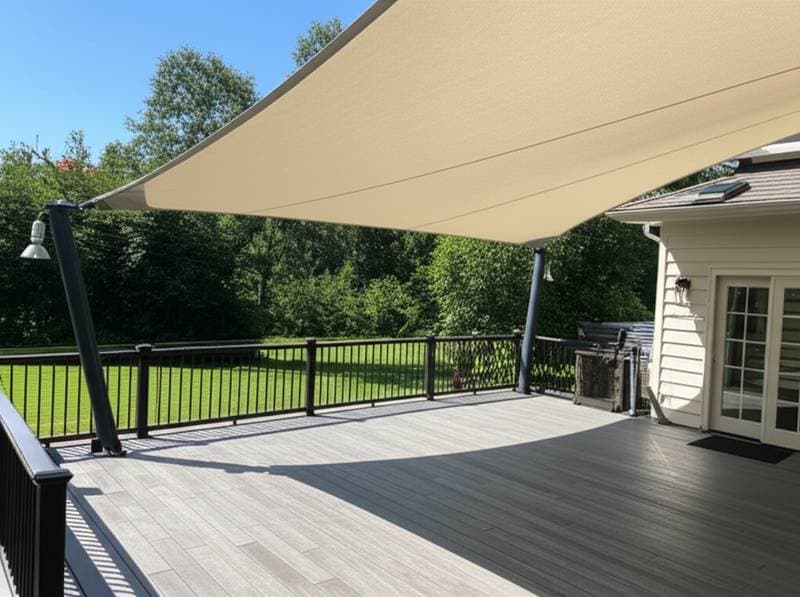
Decks serve as essential outdoor retreats, yet intense sunlight often renders them uncomfortable and increases reliance on energy-intensive cooling solutions. Solar shade sails address these challenges by offering shade that lowers temperatures while simultaneously converting sunlight into usable electricity. These structures enable homeowners to power outdoor lighting, ventilation fans, or charging stations independently from the primary electrical grid.

This guide provides a thorough overview of solar shade sails, including their components, installation procedures, and long-term maintenance. Readers will gain insights into material selection, efficient positioning for maximum energy yield, and scenarios where professional assistance proves beneficial. By following these steps, individuals can create a functional, sustainable outdoor space.

Essential Tools and Materials

Preparation forms the foundation of a successful installation. Allocate at least two hours for assembly, assuming existing mounting points such as posts or beams are available and stable.

Required Materials

  • Solar shade sail featuring integrated photovoltaic panels and reinforced grommets or corner rings for secure attachment
  • Three to four heavy-duty mounting anchors, eye bolts, or freestanding posts designed for outdoor tensile loads
  • Charge controller to regulate voltage and prevent battery overcharging, paired with a compact inverter for converting DC to AC power
  • 12-volt deep-cycle lead-acid battery or a more efficient lithium-ion equivalent for energy storage
  • UV-resistant, weatherproof wiring suitable for solar applications, with appropriate gauge for the system's output
  • Cable clips, stainless steel carabiners, and adjustable turnbuckles to maintain tension
  • Corrosion-resistant stainless steel hardware for all connections
  • Optional accessories such as low-voltage LED deck lights or weatherproof USB ports for direct device charging

Necessary Tools

  • Power drill equipped with bits for metal and wood to secure anchors
  • Tape measure extending at least 25 feet to assess span and alignment
  • Comprehensive wrench set for tightening fittings
  • Sturdy ladder suitable for outdoor heights and weight capacities
  • Multimeter or voltage tester to verify electrical connections
  • Protective gloves and safety glasses to guard against hazards

Organize all items in proximity to the work area prior to commencement. Clearly label electrical wires to facilitate troubleshooting and future adjustments.

Key Safety Considerations

Safety remains paramount during installation and operation to mitigate risks from electrical components and structural elements. Adhere to these protocols to ensure a secure setup.

  • Conduct all wiring tasks in dry conditions; avoid any electrical work if rain threatens or surfaces remain damp.
  • Maintain a minimum 10-foot clearance between the sail structure and overhead utility lines to prevent accidental contact.
  • Incorporate ground fault circuit interrupter (GFCI) protection for any connections to existing outdoor circuits.
  • Perform routine tension checks on the sail; excessive looseness leads to flapping, fabric abrasion, and potential seam failures in gusty conditions.
  • House batteries within ventilated, waterproof enclosures positioned away from direct sunlight or heat sources to avoid thermal runaway or corrosion.

Monthly inspections of wiring integrity, tension levels, and battery health avert the majority of potential issues. Document any observations to track system performance over time.

Cost Analysis and Timeline

Investing in a solar shade sail system yields long-term savings through energy generation and reduced cooling needs. Basic kits range from 250 to 400 dollars, influenced by sail dimensions and photovoltaic efficiency ratings.

Additional components, including a reliable charge controller, inverter, and battery, contribute 200 to 350 dollars. Mounting hardware and wiring typically total less than 100 dollars, keeping the entry-level setup accessible.

Individuals with pre-existing sturdy posts can complete installation in a single afternoon. Larger configurations or integrations with home wiring may require a full day and an assistant for efficiency and safety.

Primary expenses stem from fabric durability and panel wattage; higher-output panels support greater loads, such as multiple lights or a small fan, at a premium cost. Opt for modular designs allowing panel upgrades without full replacement to optimize future value.

Seasonal Maintenance Practices

Regular upkeep preserves the system's functionality and longevity across varying weather patterns. Tailor routines to each season for optimal performance.

Spring Preparation

Reattach the sail following a thorough cleaning of posts and anchors to remove winter residue. Verify tension and inspect wiring for damage incurred during storage. Gently clean photovoltaic surfaces to restore efficiency before peak sunlight intensifies.

Summer Monitoring

Assess shade distribution regularly to ensure even coverage amid shifting sun angles. Fine-tune the sail's tilt for enhanced cooling in prolonged heat waves. Upgrade to energy-efficient LED bulbs if existing ones show signs of dimming.

Autumn Upkeep

Clear accumulated leaves and debris from the sail and surrounding areas on a weekly basis to prevent moisture buildup. Disconnect non-essential battery chargers during periods of low use. Tighten all bolts and fittings in anticipation of stronger winds.

Winter Storage

In freezing climates, dismantle the sail to protect fabric integrity. Store the battery in a climate-controlled indoor space at room temperature. Apply a specialized corrosion-inhibiting spray to metal components prior to off-season storage.

Implementing these practices extends the operational life of textiles and electronics, often surpassing five years with diligent care.

Scenarios Requiring Professional Expertise

While many installations suit DIY enthusiasts, certain situations demand specialized skills to comply with local codes and ensure reliability.

Engage a licensed electrician for any direct connections between the inverter and the home's main electrical panel. Professionals install transfer switches and verify proper grounding to integrate the system seamlessly.

Consult a structural contractor if deck posts exhibit instability post-installation or for expansive setups spanning multiple sails. Reinforcements may involve additional bracing or foundation adjustments.

Professional rates average 100 to 150 dollars per hour for both electrical and structural services. Although this elevates initial costs, it guarantees adherence to safety standards and minimizes liability risks.

Implementing Your Solar Shade Sail System

Solar shade sails redefine deck utility by combining thermal comfort, visual privacy, and off-grid power generation. These installations lower ambient temperatures by up to 15 degrees Fahrenheit while supplying clean energy for everyday outdoor needs.

To proceed effectively:

  1. Measure the deck area precisely and chart daily sun paths to determine ideal sail dimensions and orientation for balanced shade and solar capture.
  2. Select a kit aligned with your spatial constraints, power requirements, and financial parameters, prioritizing reputable manufacturers with warranties.
  3. Follow the outlined tools, materials, and safety steps for installation, testing the full system under controlled conditions before full reliance.

Upon completion, your deck transforms into a versatile, self-sustaining haven. Solar shade sails exemplify practical innovation, fostering enjoyable outdoor experiences with minimal environmental impact.

You Might Also Like

Solar Drip Systems Keep Deck Gardens Watered Automatically

Solar Pavers Convert Steps and Sunlight Into Power

Glass Deck Floors That Skylight the Space Below

Mycelium Boards Replace Wood in Sustainable Decking

Cut Deck Noise with Acoustic Privacy Screens

Tagged:

energy,deck,solar,power,shade,generating,sails,solar-shade-sails,deck-power,canopy

Recent by Sheila Spaulding

Image for Solar Pavers Convert Steps and Sunlight Into Power

Solar Pavers Convert Steps and Sunlight Into Power

Feb 2, 2026
Image for Grow 30 Plants in 2 Feet Using Nutrient Mist

Grow 30 Plants in 2 Feet Using Nutrient Mist

Feb 1, 2026
Image for Mycelium Boards Replace Wood in Sustainable Decking

Mycelium Boards Replace Wood in Sustainable Decking

Feb 1, 2026
Image for Solar Pergolas Turn Small Patios Into Power Sources

Solar Pergolas Turn Small Patios Into Power Sources

Feb 1, 2026
Image for Stop Balcony Noise With Layers That Block and Absorb Sound

Stop Balcony Noise With Layers That Block and Absorb Sound

Jan 31, 2026

energy

Image for Solar Pavers Convert Steps and Sunlight Into Power

Solar Pavers Convert Steps and Sunlight Into Power

Feb 2, 2026
Image for Solar Pergolas Turn Small Patios Into Power Sources

Solar Pergolas Turn Small Patios Into Power Sources

Feb 1, 2026
Image for Micro Wind Turbines Turn Balcony Breezes Into Power

Deck Construction & Remodeling

Solar Drip Systems Keep Deck Gardens Watered Automatically

Elevate your deck gardening with solar-powered drip irrigation for precise, hands-free watering. This guide covers final setup steps, safety measures, common fixes, cost breakdowns, and year-round care to foster healthy plants with minimal intervention.

Feb 2, 2026

Solar Pavers Convert Steps and Sunlight Into Power

Elevate your outdoor paths with solar pavers that generate electricity from sunlight and movement. This comprehensive resource outlines functionality, step-by-step setup, budgeting, troubleshooting, and ways to apply the power for lighting or devices—all while promoting green living.

Feb 2, 2026

Glass Deck Floors That Skylight the Space Below

Elevate your deck design with glass floor panels that function as skylights, flooding lower areas with natural light while delivering a sleek, contemporary look. This resource provides in-depth coverage of benefits, essential materials, step-by-step installation, safety protocols, maintenance routines, and guidance on when to hire experts—all to optimize your outdoor environment for light, style, and longevity.

Categories

Deck Construction & Remodeling(158)
Balcony Design(146)
Small-Space Gardens(63)
Rooftop Decks(50)
Backyard Design(18)

Micro Wind Turbines Turn Balcony Breezes Into Power

Jan 30, 2026
Image for Turn Your Deck into a Clean Energy Generator

Turn Your Deck into a Clean Energy Generator

Jan 29, 2026
Image for Solar Pavers Turn Sunlight Into Outdoor Power

Solar Pavers Turn Sunlight Into Outdoor Power

Jan 28, 2026
Feb 2, 2026

Mycelium Boards Replace Wood in Sustainable Decking

Mycelium decking redefines sustainable outdoor design with boards cultivated from fungal roots and agricultural waste. These lightweight, compostable planks match wood's strength while minimizing environmental impact. This guide covers planning, installation, and care for a resilient, green yard addition.

Feb 1, 2026

Cut Deck Noise with Acoustic Privacy Screens

Turn urban deck noise into peaceful quiet with acoustic privacy screens. Explore sound-blocking options, step-by-step installation, upkeep advice, and cost-effective choices for a more enjoyable outdoor space throughout the year.

Feb 1, 2026

Deck Benches That Turn Scraps Into Garden Soil

Convert your deck into an eco-friendly oasis with a composting bench that serves as both comfortable seating and efficient soil producer. This comprehensive guide details construction steps, material needs, troubleshooting, and seasonal care to minimize waste and maximize garden yields.

Jan 31, 2026

Permeable Pavers Stop Flooding and Raise Property Value

Permeable pavers convert waterlogged areas into resilient, environmentally friendly surfaces. Water infiltrates through paver joints and stone bases, minimizing runoff, safeguarding structures, and elevating aesthetic appeal. This comprehensive guide details installation processes, upkeep routines, and financial considerations to demonstrate how these pavers promote sustainability, property enhancement, and enduring outdoor usability.

Jan 29, 2026

Turn Your Deck into a Clean Energy Generator

Elevate your deck into a sustainable solar energy source with integrated pavers that merge aesthetics and efficiency. This guide covers sunlight evaluation, circuit planning, durable tile installation, performance upkeep, expense details, safety protocols, and professional consultation needs to create a self-powered outdoor retreat.

Jan 29, 2026

Solar Pavers Turn Sunlight Into Outdoor Power

Elevate your outdoor areas with solar pavers, robust tiles that capture sunlight to generate power for lighting, charging stations, and appliances. This guide covers their functionality, required materials, and detailed installation instructions to build an efficient, wire-free environment that blends practicality with aesthetic appeal.

Jan 28, 2026

Mycelium Decks Replace Wood With Living Fungi Material

Mycelium, the intricate root system of fungi, emerges as a groundbreaking material for decking. This renewable and biodegradable option provides the durability of wood with a fraction of the environmental impact. Readers will gain insights into installation, maintenance, and benefits to create an outdoor haven that aligns with sustainable living principles.

Jan 27, 2026

Deck Pods Turn Open Decks into Year-Round Rooms

Convert your deck into a protected, inviting extension of your home using modular deck pods. This comprehensive guide covers planning, assembly, and upkeep for these adaptable structures, including required tools, safety protocols, and enhancements to achieve a durable, stylish outdoor space that provides year-round utility.

Jan 26, 2026

Solar Shade Sails Generate Power While Cooling Your Deck

Elevate your deck with solar shade sails that offer respite from the sun while harnessing solar power for everyday use. These versatile structures blend comfort with eco-friendly energy generation. Explore practical steps for installation, upkeep, and optimization to create an inviting, self-sustaining outdoor haven.

Jan 26, 2026

Cool Your Deck 15° with Solar Shade Sails

Counter summer deck heat with solar shade sails capable of reducing temperatures by up to 15 degrees. These tensioned fabric panels effectively block UV rays, improve airflow, and install in just one day. Gain insights into required tools, essential safety measures, and maintenance strategies for extended outdoor enjoyment.

Jan 25, 2026

Why Permeable Decks Stay 20 Degrees Cooler

Permeable decks address intense summer heat by facilitating airflow and water passage, which dissipates trapped warmth and maintains surfaces up to 20 degrees cooler. Incorporating light-colored materials, strategic gaps, and evaporative cooling, these decks foster inviting, sustainable outdoor areas that require low maintenance and provide enduring relief from hot surfaces.

Jan 25, 2026

Solar Pergolas Cut City Heat While Powering Your Deck

Elevate your compact urban deck with a solar pergola that delivers shade, produces renewable energy, and enhances sustainability. This comprehensive guide includes planning strategies, material choices, step-by-step installation, safety protocols, and upkeep tips to achieve a cooler, cost-effective outdoor area while increasing home value on a practical budget.

Jan 24, 2026

Fungal Fibers That Replace Wood Decks and Compost Clean

Mycelium decks redefine urban outdoor spaces through sustainable, compostable panels derived from fungal networks. These lightweight, durable alternatives to wood or plastic utilize agricultural waste. Follow this guide to cultivate, process, install, and maintain them for environmentally conscious urban design.

Jan 24, 2026

Misting Systems Drop Deck Temps 20° Fast

Misting systems transform hot decks into inviting spaces by reducing temperatures up to 20 degrees. This guide details planning, installation, maintenance, and optimization strategies for safe, effective cooling throughout the season.

Jan 22, 2026

UV Shade Sails Drop Deck Temps 20 Degrees

Combat summer heat and safeguard your deck using UV shade sails. This comprehensive guide details selection, installation, and upkeep strategies that reduce surface temperatures, avert color fading, and prolong deck longevity. Explore required tools, safety measures, common issues, and professional insights to create a fashionable, protected outdoor haven.

Jan 22, 2026

Shade Sails That Follow the Sun All Day Long

Automatic sun-tracking shade sails adjust their position to follow the sun, providing consistent shade and comfort on decks and patios. This comprehensive guide explains the technology, step-by-step installation, essential safety measures, ongoing maintenance, associated costs, and strategies to maximize durability and efficiency in your outdoor environment.

Jan 21, 2026

AI Cameras That Water Plants and Deter Deck Pests

Elevate your urban deck into an automated oasis with AI cameras that identify pests, optimize irrigation, and reduce upkeep. These intelligent systems leverage computer vision to safeguard plants, promote efficient water use, and deliver seamless outdoor enjoyment via straightforward installation and reliable performance.

Jan 21, 2026