Loading...

Grow Gourmet Mushrooms at Home: Simple Deck Setup Guide | urbanoutdoorsnyc.com | Urban Outdoors - Small-Space Gardens, Rooftop Decks, Balconies, Decks, Backyard Design
Skip to main content
Urban Outdoors
Search
Home
  1. Home
  2. /
  3. Deck Construction & Remodeling
  4. /
  5. The Deck Trick: Growing Gourmet Mushrooms at Home
Deck Construction & Remodeling

The Deck Trick: Growing Gourmet Mushrooms at Home

bySheila Spaulding
2026-02-26 06:15:09February 26, 2026
5 min read
Featured image for The Deck Trick: Growing Gourmet Mushrooms at Home

Categories

Navigation

  • Home
  • All Articles
  • About Us
  • Privacy Policy
  • Terms of Service

© 2026 Urban Outdoors. Crafted for bold city dwellers.

2026-02-28 04:28:08
Urban Outdoors - Small-Space Gardens, Rooftop Decks, Balconies, Decks, Backyard Design

The Deck Trick: Growing Gourmet Mushrooms at Home

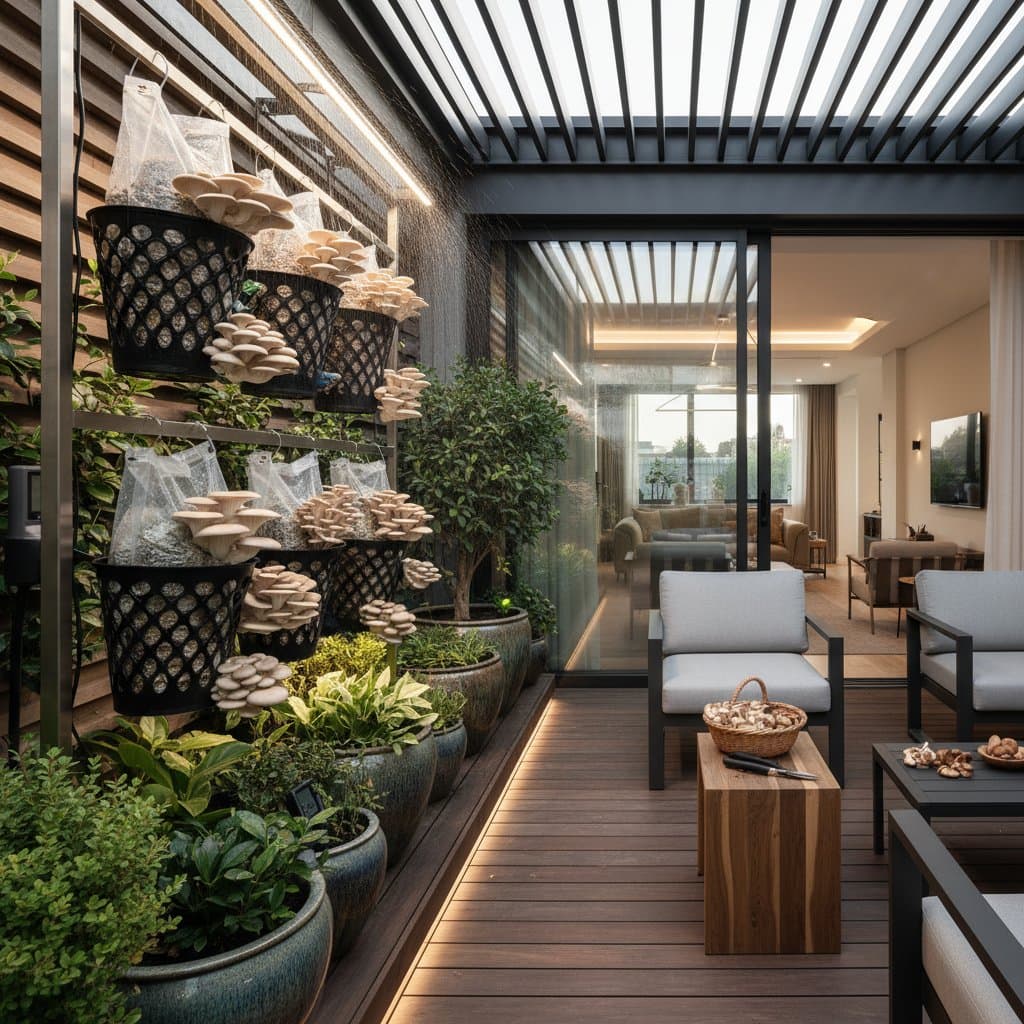
A deck serves purposes beyond seating and cooking. With appropriate preparation, it becomes a source for gourmet mushrooms comparable to those at premium markets. The method remains hygienic, unobtrusive, and straightforward after mastering humidity regulation and shaded environments. Individuals begin modestly, acquire knowledge rapidly, and gather fresh mushrooms directly adjacent to their residence.

This guide addresses required materials, installation procedures, and strategies to sustain production across seasons.

Essential Tools and Materials

A limited array of items suffices for initiation. Many prove durable for repeated use.

Core components:

  • Two to three plastic buckets or specialized grow bags, each holding approximately one gallon (four liters)
  • One pound (450 grams) of mushroom spawn per container, selected based on desired variety such as oyster or shiitake
  • Five pounds (2.2 kilograms) of substrate material, including pasteurized straw for oysters, hardwood sawdust for lion’s mane, or spent coffee grounds for general use
  • A spray bottle or compact pump sprayer to deliver fine mist without excess saturation
  • A digital thermometer and hygrometer to monitor temperatures between 60 and 75 degrees Fahrenheit (15 to 24 degrees Celsius) and humidity levels of 85 to 95 percent
  • Sterile gloves and a large mixing container to combine spawn and substrate hygienically
  • A lightweight tarp or breathable shade cloth to diffuse direct sunlight and prevent overheating

For enhanced control, consider adding a miniature plastic enclosure or humidity dome, particularly in areas prone to wind or low ambient moisture. These additions maintain optimal conditions with minimal intervention.

Key Safety Considerations

Maintain cleanliness of all equipment and personal contact during preparation and collection to inhibit mold development. Select untreated hardwood sawdust and freshly sourced, uncontaminated coffee grounds as substrates to avoid introducing pathogens. Refrain from excessive watering, as pooled liquid invites insects and microbial issues.

In instances of unpleasant smells or evident green mold, dispose of the affected materials immediately and initiate a new preparation. Preserve gathered mushrooms in perforated paper bags within the refrigerator to extend freshness up to one week.

Cost Analysis and Timeline

Establishing a modest deck-based mushroom system requires an investment of 40 to 60 dollars. Primary expenses involve spawn at 15 to 25 dollars per pound and substrate at 10 to 20 dollars per batch. Reusable elements such as buckets, sprayers, and protective gear minimize future outlays.

A complete growth phase spans roughly six weeks, encompassing colonization, fruiting initiation, and initial harvest. Following the first yield, allow the substrate block a two-week recovery period to encourage a subsequent flush. Typical configurations support two to three productive cycles until nutrient depletion occurs.

Refrigerated spawn storage extends usability across multiple sessions, thereby reducing long-term expenses to under 20 dollars per cycle.

Adapting to Seasonal Variations

During warmer periods: Position containers in substantial shade and increase misting frequency to two or three applications daily. Decks absorb heat rapidly, so regular thermometer readings ensure temperatures stay below 80 degrees Fahrenheit (27 degrees Celsius) to support mycelial health.

In cooler weather: Relocate setups nearer to protective barriers or enclosed deck sections to shield from frost. Supplemental low-wattage LED grow lights, positioned 12 to 18 inches above, compensate for reduced daylight and promote even fruiting.

Amid heavy rainfall: Employ a waterproof tarp to cover the area while permitting ventilation. Verify that drainage openings remain unobstructed and angle containers for efficient runoff, preventing waterlogging that harms mycelium development.

These targeted adjustments enable consistent output throughout the annual cycle, with potential yields of one to two pounds per container per flush.

Seeking Professional Guidance

Persistent failure to produce fruit after two complete cycles, or recurring mold presence, warrants advice from a nearby urban agriculture collective or agricultural extension service. Experts analyze substrate and spawn samples for contaminants and recommend corrective measures.

For a fixed installation featuring automated humidity, engage a specialist to install a misting apparatus, priced at 80 to 120 dollars and capable of servicing up to six units. Ensure all electrical elements carry outdoor certifications and maintain separation from moisture sources to uphold safety standards.


Advanced Strategies for Optimal Results

  1. Mark each container clearly with the mushroom strain and initiation date to evaluate growth rates and adjust future plantings.
  2. Shift container locations periodically, every three to four days, to promote uniform air circulation and prevent localized stagnation.
  3. Test diverse substrates tailored to species; for instance, oyster mushrooms excel on pasteurized wheat straw, whereas lion’s mane benefits from supplemented beech sawdust.
  4. Maintain a detailed journal recording daily temperature, humidity readings, and harvest quantities. Such records reveal trends, enabling refinements like adjusted misting intervals for superior outcomes.
  5. Repurpose exhausted substrate by incorporating it into compost for potted plants or garden beds, where remaining nutrients enhance soil fertility and promote sustainability.

Implementing Your Cultivation Plan

Commence by preparing one or two containers within the coming week to assess your deck’s microclimate. Monitor moisture retention and temperature fluctuations over a seven-day baseline period prior to introducing spawn. Identify a consistently shaded, sheltered location to optimize conditions.

Scale operations gradually as familiarity grows. Through diligent observation and incremental care, the deck evolves into a serene, self-sustaining cultivation zone. Successive harvests demonstrate the profound impact of precise, persistent actions in revitalizing overlooked spaces into vibrant, productive assets.

You Might Also Like

Mushroom-Based Deck Tiles Cut Carbon and Maintenance

Garden Walls That Block 70% City Noise in Small Spaces

Turn Your Balcony into a Pollinator Refuge

Living Pergolas Cool Decks Through Natural Shade

Creating a Balcony Microclimate for Plants Year-Round

Tagged:

deck,gardening,urban farming,mushroom cultivation,urban,farming,mushroom,deck-gardening,cultivation

Recent by Sheila Spaulding

Image for Turn Your Balcony into a Pollinator Refuge

Turn Your Balcony into a Pollinator Refuge

Mar 19, 2026
Image for Shape Deck Zones to Stay Comfortable All Year

Shape Deck Zones to Stay Comfortable All Year

Mar 18, 2026
Image for Micro-Drip Systems Cut Balcony Watering by 70 Percent

Micro-Drip Systems Cut Balcony Watering by 70 Percent

Mar 17, 2026
Image for Native Plants Turn Balconies into Bee Havens

Native Plants Turn Balconies into Bee Havens

Mar 16, 2026

deck

Image for Mushroom-Based Deck Tiles Cut Carbon and Maintenance

Mushroom-Based Deck Tiles Cut Carbon and Maintenance

Mar 22, 2026
Image for Living Pergolas Cool Decks Through Natural Shade

Living Pergolas Cool Decks Through Natural Shade

Mar 18, 2026
Image for Shape Deck Zones to Stay Comfortable All Year

Deck Construction & Remodeling

Mushroom-Based Deck Tiles Cut Carbon and Maintenance

Mycelium deck tiles, derived from fungal roots, redefine urban outdoor living. These lightweight, eco-degradable, and insulating options enable simple DIY setup and reduced upkeep. Delve into their green advantages, precise installation process, and care strategies for an earth-friendly deck that enhances comfort and sustainability.

Mar 22, 2026

Living Pergolas Cool Decks Through Natural Shade

Transform your deck into a shaded, verdant escape using a living pergola. This comprehensive guide details material selection, structural assembly, irrigation setup, and vine choices that flourish. Explore techniques to enhance shade, optimize airflow, and cultivate a sustainable oasis that enhances comfort and beauty with each passing season.

Mar 18, 2026

Shape Deck Zones to Stay Comfortable All Year

Elevate your deck into a versatile outdoor haven by implementing microclimate zones. This approach involves assessing light patterns, wind flow, and thermal areas, then applying targeted elements like portable heaters, shade structures, and strategic plantings to ensure comfort across all seasons.

Categories

Deck Construction & Remodeling(224)
Balcony Design(192)
Rooftop Decks(81)
Small-Space Gardens(81)
Backyard Design(21)

Shape Deck Zones to Stay Comfortable All Year

Mar 18, 2026
Image for Micro-Misting Drops Deck Temperature 15 Degrees

Micro-Misting Drops Deck Temperature 15 Degrees

Mar 16, 2026
Image for Mycelium Decks Break Down Instead of Piling Up

Mycelium Decks Break Down Instead of Piling Up

Mar 15, 2026
Mar 18, 2026

Cool Decks Stay 20 Degrees Cooler in Summer Heat

Turn urban decks from hot hazards into cool havens with heat-reflective materials. This guide covers composites, thermally modified woods, and strategies to maintain surfaces up to 20 degrees cooler, plus practical advice on design, budget, and care for year-round enjoyment.

Mar 16, 2026

Micro-Misting Drops Deck Temperature 15 Degrees

Combat summer heat by installing a micro-misting system that reduces deck temperatures up to 15°F. This guide covers the cooling process, energy-efficient benefits, and adaptable designs for various outdoor areas. Find detailed installation instructions, troubleshooting advice, and seasonal maintenance to sustain a refreshing backyard environment.

Mar 16, 2026

Mycelium Decks Break Down Instead of Piling Up

Mycelium decks revolutionize urban outdoor areas with panels grown from fungal networks and agricultural byproducts. These lightweight, water-resistant, and fully biodegradable options provide a green alternative to traditional plastic composites. This guide covers installation, upkeep, budgeting, and strategies to maximize their lifespan while minimizing environmental impact.

Mar 15, 2026

Creating Deck Zones That Work in Every Season

Elevate your deck into a seasonal haven by developing microclimates that provide tailored comfort throughout the year. Explore strategies for zoning, shading, heating, and organizing with durable materials, strategic lighting, and efficient storage solutions. Achieve prolonged outdoor use while enhancing energy efficiency, visual appeal, and safety measures.

Mar 15, 2026

Glass Domes Keep Your Deck Open All Year

Elevate your deck into a versatile, all-season haven using glass domes or retractable pergolas. Gain insights into selecting materials, executing installations, and performing upkeep to maintain a bright, comfortable area for winter mornings or summer evenings alike.

Mar 14, 2026

Solar Pavers Store Sunlight and Charge Your Phone

Elevate your outdoor spaces with solar pavers that capture daylight to provide nighttime illumination and device charging capabilities. This comprehensive guide details their functionality, installation requirements, upkeep recommendations, expense considerations, and safety protocols to help you build an efficient, luminous environment that performs reliably throughout the year with little ongoing work.

Mar 14, 2026

Smart Apps Map Microclimates for Ideal Deck Builds

Smart apps uncover microclimate nuances in your yard, from sunlight exposure to wind flow and moisture levels. These tools guide material selection, layout planning, and design choices to create durable, comfortable decks. Transform local data into a strategic plan for your perfect outdoor area.

Mar 13, 2026

Pergola Pods Turn Decks Into Year-Round Retreats

Elevate your deck with a pergola pod, a versatile structure that provides shade, protection, and aesthetic appeal. This guide covers planning, construction, upkeep, and strategies to maximize seasonal use, ensuring comfort in any weather.

Mar 12, 2026

Solar Pergolas Cut Cooling Costs While Powering Your Deck

Elevate your deck with a solar pergola that offers shade and produces clean energy. This comprehensive guide details planning, material choices, installation steps, safety measures, troubleshooting, budgeting, and maintenance. Discover how to build a durable structure that cuts energy expenses and enhances outdoor comfort.

Mar 11, 2026

Micro-Misting Drops Deck Heat 15° Without Puddles

Micro-misting provides an effective solution to transform sweltering decks into comfortable retreats, reducing temperatures by up to 15 degrees through fine water droplets. This guide details the science behind the cooling, lists necessary tools and materials, outlines installation processes, addresses safety considerations, and offers maintenance advice for reliable performance throughout the season.

Mar 11, 2026

Mycelium Decks Grow Strength from Fungal Roots

Mycelium decks leverage fungal networks to create biodegradable, waste-derived outdoor flooring that enhances urban sustainability. This resource provides practical instructions for building resilient panels that integrate nature into city living, including material selection, assembly techniques, and long-term care strategies.

Mar 11, 2026

Micro-Clover Borders Cut Deck Upkeep in Half

Revitalize weary deck borders using resilient micro-clover, a self-sustaining ground cover that thrives with little intervention. This guide details installation, care essentials, and advantages like reduced mowing and enhanced aesthetics for compact urban spaces.

Mar 10, 2026

Set Up Drip Irrigation for Deck Containers

Elevate deck gardening with a micro-drip irrigation system that automates watering for consistent plant health. This guide covers planning, installation, and maintenance to save time, reduce water use, and ensure thriving containers in urban settings.

Mar 8, 2026

Soundproof Your Deck with Layers and Soft Surfaces

Convert a bustling urban deck into a serene haven through effective soundproofing techniques. This guide details sealing gaps, layering soft materials, installing acoustic panels, and integrating natural barriers like plants and curtains to foster a private, relaxing environment that balances style and acoustic control.

Mar 8, 2026

Solar Pergolas Cut Deck Heat While Powering Your Home

Elevate your deck with a solar pergola that offers shade from heat and produces renewable energy. This comprehensive guide details design options, material choices, step-by-step installation, safety measures, and upkeep strategies to boost comfort, cut costs, and promote eco-friendly living in your outdoor area.

Mar 7, 2026

Native Plants Transform Deck Edges Into Pollinator Havens

Convert a plain deck into a bustling pollinator sanctuary using native plant borders. This guide covers design principles, plant selection, planting techniques, and maintenance strategies to attract bees, butterflies, and birds with minimal effort. Explore practical advice, recommended species, and care essentials for a vibrant, eco-friendly outdoor space.

Mar 7, 2026

Acoustic Panels Cut Deck Noise by 30 to 50 Percent

Elevate a bustling deck to a tranquil sanctuary via outdoor acoustic panels. This resource covers selecting resilient materials, orchestrating installations, and upholding acoustic efficacy throughout the year. Acquire actionable guidance, cost-saving advice, and aesthetic concepts to neutralize city clamor, enhance seclusion, and foster relaxed, conducive outdoor interactions.

Mar 6, 2026