Loading...

Build Drought-Proof Vertical Deck Gardens | Water-Saving Tips for Urban Spaces | Urban Outdoors - Small-Space Gardens, Rooftop Decks, Balconies, Decks, Backyard Design
Skip to main content
Urban Outdoors
Search
Home
  1. Home
  2. /
  3. Deck Construction & Remodeling
  4. /
  5. The Vertical Trick to Drought-Proof Deck Gardens
Deck Construction & Remodeling

The Vertical Trick to Drought-Proof Deck Gardens

byDawn Hayden
2025-10-06 12:56:37October 6, 2025
6 min read
Featured image for The Vertical Trick to Drought-Proof Deck Gardens

Categories

Navigation

  • Home
  • All Articles
  • About Us
  • Privacy Policy
  • Terms of Service

© 2026 Urban Outdoors. Crafted for bold city dwellers.

2025-10-08 03:42:36
Urban Outdoors - Small-Space Gardens, Rooftop Decks, Balconies, Decks, Backyard Design

Vertical Gardening: Drought-Proofing Your Deck Space

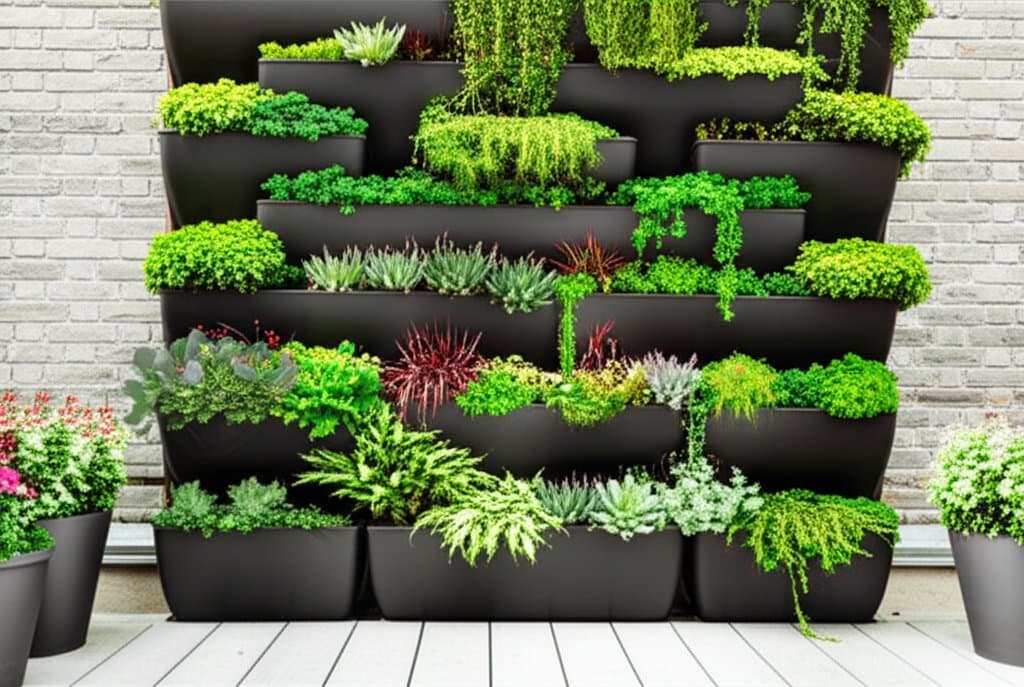
Vertical gardening offers a smart solution for urban dwellers facing limited space and water restrictions. By stacking plants upward along walls or railings, you create a thriving garden that conserves water, maximizes sunlight, and withstands dry conditions. This guide provides detailed steps to build a resilient vertical deck garden using drought-tolerant techniques.

Materials Needed

Gather these essentials before starting. Select durable items suited to outdoor exposure.

  • Vertical frame: Modular metal or treated wood panel, at least 4 feet (1.2 meters) tall, with slots for planters.
  • Planters: Lightweight plastic or fabric pots, 6 to 8 inches (15 to 20 centimeters) in diameter, stackable or hangable.
  • Drainage components: Mesh screens to cover holes and prevent soil loss.
  • Soil amendments: Perlite or vermiculite for aeration.
  • Fasteners: Stainless steel screws, hooks, or brackets for secure attachment.
  • Irrigation supplies: Drip tubing, emitters, and timer if automating.
  • Protective sealants: Weatherproof coating for wood or metal surfaces.
  • Optional reservoir tray: Shallow pan to catch runoff water for reuse.

Steps to Build Your Vertical Garden

Follow these steps in sequence. Proceed carefully to ensure stability and efficiency.

Step 1: Plan the Layout

Sketch a diagram of your deck, including measurements and sun patterns. Drought-tolerant plants require a minimum of six hours of direct sunlight daily. Identify the attachment point on a sturdy wall or railing, maintaining 12 inches (30 centimeters) of clearance from the floor to avoid moisture accumulation.

Step 2: Build or Install the Frame

Construct or assemble the frame according to manufacturer instructions. For wooden frames, apply an outdoor-grade varnish sealant and allow 24 hours for drying. Fasten with corrosion-resistant screws, verifying level placement. Confirm the structure supports 10 to 20 pounds (4.5 to 9 kilograms) per planter when filled and watered.

Step 3: Attach Planters

Begin at the base and progress upward for stability checks. Use hooks or brackets rated for double the expected weight. Verify each planter features drainage holes approximately one-quarter inch (6 millimeters) in diameter to facilitate excess water escape.

Step 4: Prepare the Soil Mix

Mix two parts potting soil, one part compost, and one part perlite. This combination retains necessary moisture while promoting quick drainage. Fill containers to three-quarters capacity, reserving space for a mulch layer.

Step 5: Add Plants

Select species adapted to your local climate and deck conditions; refer to the plant recommendations section. Position taller varieties at the upper levels to provide natural shade below. Firm the soil around roots securely and water thoroughly until moisture reaches the lower tiers.

Step 6: Set Up Watering Lines

For drip systems, position emitters at each pot with flow rates of 0.5 to 1 gallon (1.9 to 3.8 liters) per hour. Fasten tubing to the frame using clips. When hand-watering, apply slowly from the top to encourage runoff distribution. Steer clear of overhead methods that lead to evaporation loss.

Step 7: Mulch and Seal

Apply one inch (2.5 centimeters) of organic mulch to each pot surface to minimize water loss. Clear any displaced soil from the deck and confirm unobstructed drainage. Seal joints around screws and walls to protect adjacent surfaces from moisture intrusion.

Step 8: Test and Adjust

Initiate a full watering cycle and monitor retention. Aim for soil that remains mildly moist for two to three days. If upper sections dry excessively, incorporate a shade cloth or modify plant arrangement for better coverage.

Safety Considerations

Prioritize caution during construction and use.

  • Wear protective gloves when working with soil or tools.
  • Stabilize ladders or platforms before accessing higher planters.
  • Distribute weight evenly to avoid straining railings or walls.
  • Position electrical elements away from potential wet zones.

Common Issues and Solutions

Address problems promptly to maintain garden health.

Uneven Moisture Distribution

Upper plants may desiccate while lower ones remain saturated. Modify emitter outputs or opt for smaller upper pots. Employ a soil moisture probe for precise monitoring.

Algae or Mold Development

Poor drainage or insufficient light contributes to growth. Rinse affected containers with a vinegar solution, dry completely, and refresh with enhanced soil mix.

Wilting Under Regular Watering

Compacted roots often cause this symptom. Aerate the soil carefully, inspect for decay, and repot as needed with reduced initial watering.

Frame Instability in Wind

Reinforce with additional brackets or ground anchors. For structures exceeding six feet (1.8 meters), secure to the deck base.

Ongoing Maintenance

Routine attention sustains the garden with minimal effort.

  • Water one to two times weekly, adjusting for weather.
  • Prune spent foliage biweekly to enhance circulation.
  • Apply slow-release fertilizer quarterly.
  • Clean planters monthly to eliminate residue buildup.

Examine fasteners seasonally and replace corroded components immediately.

Off-Season Storage

In colder climates, protect plants and materials.

Relocate sensitive varieties indoors before frost. Choose pots easy to maneuver when empty. Stack containers neatly and store irrigation components in a protected area. Seal unused soil to shield from dampness.

Cost and Time Estimates

A setup with 12 to 18 planters typically ranges from 150 to 300 dollars, covering frame, soil, and initial plants. Solo assembly requires about four hours; assistance shortens it to two. Weekly upkeep demands 10 to 15 minutes.

Reduce expenses through recycled pots, rainwater harvesting, and plant propagation. Long-term water conservation frequently recoups upfront costs.

Professional Assistance

Seek expert help for complex installations.

Engage a contractor if deck integrity is uncertain. They assess load capacities and recommend reinforcements. For integrated irrigation, involve a plumber to install backflow safeguards.

Key inquiries for professionals:

  1. What load limit exists per square foot on the deck?
  2. Which attachment preserves siding or railing condition?
  3. Is timer-controlled drip feasible?
  4. What sealing measures ensure weather resistance?

Adapting to Seasons

Summer Conditions

Irrigate in early morning to limit evaporation. Monitor soil during extreme heat. Use light-reflective mulch to moderate root temperatures.

Winter Preparations

Cut back watering to biweekly as growth diminishes. Shelter frost-sensitive plants. Check for freeze-induced cracks in containers.

Wet Weather Management

Elevate or drain reservoir trays to avoid stagnation. Thin dense growth for better ventilation. Store excess rain in sealed containers for dry periods.

Recommended Plants

Opt for resilient varieties with water-efficient traits like succulent leaves or reflective surfaces.

Full Sun, Excellent Drainage:

  • Sedum (Autumn Joy, Dragon’s Blood)
  • Lavender
  • Rosemary
  • Ice Plant
  • Gaillardia (Blanket Flower)

Partial Shade, Balanced Moisture:

  • Thyme
  • Echeveria
  • Coreopsis
  • Blue Fescue Grass
  • Oregano

Shade-Tolerant, Humidity-Retaining:

  • Ferns (Maidenhair, Japanese Painted)
  • Creeping Jenny
  • Sweet Alyssum
  • Mosses for filler areas

Allow 6 to 8 inches (15 to 20 centimeters) between plants. Refresh underperformers annually.

Essential Strategies

Vertical designs enable water recycling from upper to lower levels. Pair resilient plants with precise irrigation for efficiency. Strategic shading cools the deck and curbs moisture loss. Consistent checks and trims ensure longevity.

Getting Started

Initiate your project with these steps:

  1. Diagram the deck layout, noting optimal sunny spots.
  2. Source stackable containers and add drainage.
  3. Select three hardy plants for a trial row to gauge performance.

You Might Also Like

Solar Drip Systems Keep Deck Gardens Watered Automatically

How Urban Gardens Cut City Noise by 70%

Living Sound Filters for City Apartments

Natural Acoustic Walls Cut Balcony Noise by Decibels

Microclimate Pods Extend Growing Season on Balconies

Tagged:

garden,plants,water,xeriscaping,saving,drought,tolerant,drought-tolerant-plants,water-saving-garden

Recent by Dawn Hayden

Image for Glass Deck Floors That Skylight the Space Below

Glass Deck Floors That Skylight the Space Below

Feb 2, 2026
Image for Cut Deck Noise with Acoustic Privacy Screens

Cut Deck Noise with Acoustic Privacy Screens

Feb 1, 2026
Image for Deck Benches That Turn Scraps Into Garden Soil

Deck Benches That Turn Scraps Into Garden Soil

Jan 31, 2026
Image for Cool Balconies 15° Cheaper with Micro-Misting Systems

Cool Balconies 15° Cheaper with Micro-Misting Systems

Jan 30, 2026
Image for Living Sound Filters for City Apartments

Living Sound Filters for City Apartments

Jan 30, 2026

garden

Image for Solar Drip Systems Keep Deck Gardens Watered Automatically

Solar Drip Systems Keep Deck Gardens Watered Automatically

Feb 2, 2026
Image for Microclimate Pods Extend Growing Season on Balconies

Microclimate Pods Extend Growing Season on Balconies

Jan 26, 2026
Image for Three Square Feet of Balcony That Feeds Urban Bees

Deck Construction & Remodeling

Solar Drip Systems Keep Deck Gardens Watered Automatically

Elevate your deck gardening with solar-powered drip irrigation for precise, hands-free watering. This guide covers final setup steps, safety measures, common fixes, cost breakdowns, and year-round care to foster healthy plants with minimal intervention.

Feb 2, 2026

Solar Pavers Convert Steps and Sunlight Into Power

Elevate your outdoor paths with solar pavers that generate electricity from sunlight and movement. This comprehensive resource outlines functionality, step-by-step setup, budgeting, troubleshooting, and ways to apply the power for lighting or devices—all while promoting green living.

Feb 2, 2026

Glass Deck Floors That Skylight the Space Below

Elevate your deck design with glass floor panels that function as skylights, flooding lower areas with natural light while delivering a sleek, contemporary look. This resource provides in-depth coverage of benefits, essential materials, step-by-step installation, safety protocols, maintenance routines, and guidance on when to hire experts—all to optimize your outdoor environment for light, style, and longevity.

Categories

Deck Construction & Remodeling(158)
Balcony Design(146)
Small-Space Gardens(63)
Rooftop Decks(50)
Backyard Design(18)

Three Square Feet of Balcony That Feeds Urban Bees

Jan 25, 2026
Image for AI Cameras That Water Plants and Deter Deck Pests

AI Cameras That Water Plants and Deter Deck Pests

Jan 21, 2026
Image for Map Your Deck's Hot Spots Before You Zone

Map Your Deck's Hot Spots Before You Zone

Jan 19, 2026
Feb 2, 2026

Mycelium Boards Replace Wood in Sustainable Decking

Mycelium decking redefines sustainable outdoor design with boards cultivated from fungal roots and agricultural waste. These lightweight, compostable planks match wood's strength while minimizing environmental impact. This guide covers planning, installation, and care for a resilient, green yard addition.

Feb 1, 2026

Cut Deck Noise with Acoustic Privacy Screens

Turn urban deck noise into peaceful quiet with acoustic privacy screens. Explore sound-blocking options, step-by-step installation, upkeep advice, and cost-effective choices for a more enjoyable outdoor space throughout the year.

Feb 1, 2026

Deck Benches That Turn Scraps Into Garden Soil

Convert your deck into an eco-friendly oasis with a composting bench that serves as both comfortable seating and efficient soil producer. This comprehensive guide details construction steps, material needs, troubleshooting, and seasonal care to minimize waste and maximize garden yields.

Jan 31, 2026

Permeable Pavers Stop Flooding and Raise Property Value

Permeable pavers convert waterlogged areas into resilient, environmentally friendly surfaces. Water infiltrates through paver joints and stone bases, minimizing runoff, safeguarding structures, and elevating aesthetic appeal. This comprehensive guide details installation processes, upkeep routines, and financial considerations to demonstrate how these pavers promote sustainability, property enhancement, and enduring outdoor usability.

Jan 29, 2026

Turn Your Deck into a Clean Energy Generator

Elevate your deck into a sustainable solar energy source with integrated pavers that merge aesthetics and efficiency. This guide covers sunlight evaluation, circuit planning, durable tile installation, performance upkeep, expense details, safety protocols, and professional consultation needs to create a self-powered outdoor retreat.

Jan 29, 2026

Solar Pavers Turn Sunlight Into Outdoor Power

Elevate your outdoor areas with solar pavers, robust tiles that capture sunlight to generate power for lighting, charging stations, and appliances. This guide covers their functionality, required materials, and detailed installation instructions to build an efficient, wire-free environment that blends practicality with aesthetic appeal.

Jan 28, 2026

Mycelium Decks Replace Wood With Living Fungi Material

Mycelium, the intricate root system of fungi, emerges as a groundbreaking material for decking. This renewable and biodegradable option provides the durability of wood with a fraction of the environmental impact. Readers will gain insights into installation, maintenance, and benefits to create an outdoor haven that aligns with sustainable living principles.

Jan 27, 2026

Deck Pods Turn Open Decks into Year-Round Rooms

Convert your deck into a protected, inviting extension of your home using modular deck pods. This comprehensive guide covers planning, assembly, and upkeep for these adaptable structures, including required tools, safety protocols, and enhancements to achieve a durable, stylish outdoor space that provides year-round utility.

Jan 26, 2026

Solar Shade Sails Generate Power While Cooling Your Deck

Elevate your deck with solar shade sails that offer respite from the sun while harnessing solar power for everyday use. These versatile structures blend comfort with eco-friendly energy generation. Explore practical steps for installation, upkeep, and optimization to create an inviting, self-sustaining outdoor haven.

Jan 26, 2026

Cool Your Deck 15° with Solar Shade Sails

Counter summer deck heat with solar shade sails capable of reducing temperatures by up to 15 degrees. These tensioned fabric panels effectively block UV rays, improve airflow, and install in just one day. Gain insights into required tools, essential safety measures, and maintenance strategies for extended outdoor enjoyment.

Jan 25, 2026

Why Permeable Decks Stay 20 Degrees Cooler

Permeable decks address intense summer heat by facilitating airflow and water passage, which dissipates trapped warmth and maintains surfaces up to 20 degrees cooler. Incorporating light-colored materials, strategic gaps, and evaporative cooling, these decks foster inviting, sustainable outdoor areas that require low maintenance and provide enduring relief from hot surfaces.

Jan 25, 2026

Solar Pergolas Cut City Heat While Powering Your Deck

Elevate your compact urban deck with a solar pergola that delivers shade, produces renewable energy, and enhances sustainability. This comprehensive guide includes planning strategies, material choices, step-by-step installation, safety protocols, and upkeep tips to achieve a cooler, cost-effective outdoor area while increasing home value on a practical budget.

Jan 24, 2026

Fungal Fibers That Replace Wood Decks and Compost Clean

Mycelium decks redefine urban outdoor spaces through sustainable, compostable panels derived from fungal networks. These lightweight, durable alternatives to wood or plastic utilize agricultural waste. Follow this guide to cultivate, process, install, and maintain them for environmentally conscious urban design.

Jan 24, 2026

Misting Systems Drop Deck Temps 20° Fast

Misting systems transform hot decks into inviting spaces by reducing temperatures up to 20 degrees. This guide details planning, installation, maintenance, and optimization strategies for safe, effective cooling throughout the season.

Jan 22, 2026

UV Shade Sails Drop Deck Temps 20 Degrees

Combat summer heat and safeguard your deck using UV shade sails. This comprehensive guide details selection, installation, and upkeep strategies that reduce surface temperatures, avert color fading, and prolong deck longevity. Explore required tools, safety measures, common issues, and professional insights to create a fashionable, protected outdoor haven.

Jan 22, 2026

Shade Sails That Follow the Sun All Day Long

Automatic sun-tracking shade sails adjust their position to follow the sun, providing consistent shade and comfort on decks and patios. This comprehensive guide explains the technology, step-by-step installation, essential safety measures, ongoing maintenance, associated costs, and strategies to maximize durability and efficiency in your outdoor environment.

Jan 21, 2026

AI Cameras That Water Plants and Deter Deck Pests

Elevate your urban deck into an automated oasis with AI cameras that identify pests, optimize irrigation, and reduce upkeep. These intelligent systems leverage computer vision to safeguard plants, promote efficient water use, and deliver seamless outdoor enjoyment via straightforward installation and reliable performance.

Jan 21, 2026