Loading...

Why Fire Tables Outperform Fire Pits on Small Decks | urbanoutdoorsnyc.com | Urban Outdoors - Small-Space Gardens, Rooftop Decks, Balconies, Decks, Backyard Design
Skip to main content
Urban Outdoors
Search
Home
  1. Home
  2. /
  3. Deck Construction & Remodeling
  4. /
  5. Why Fire Tables Beat Fire Pits on Small Decks
Deck Construction & Remodeling

Why Fire Tables Beat Fire Pits on Small Decks

byAnne Marion
2025-12-17 04:18:11December 17, 2025
7 min read
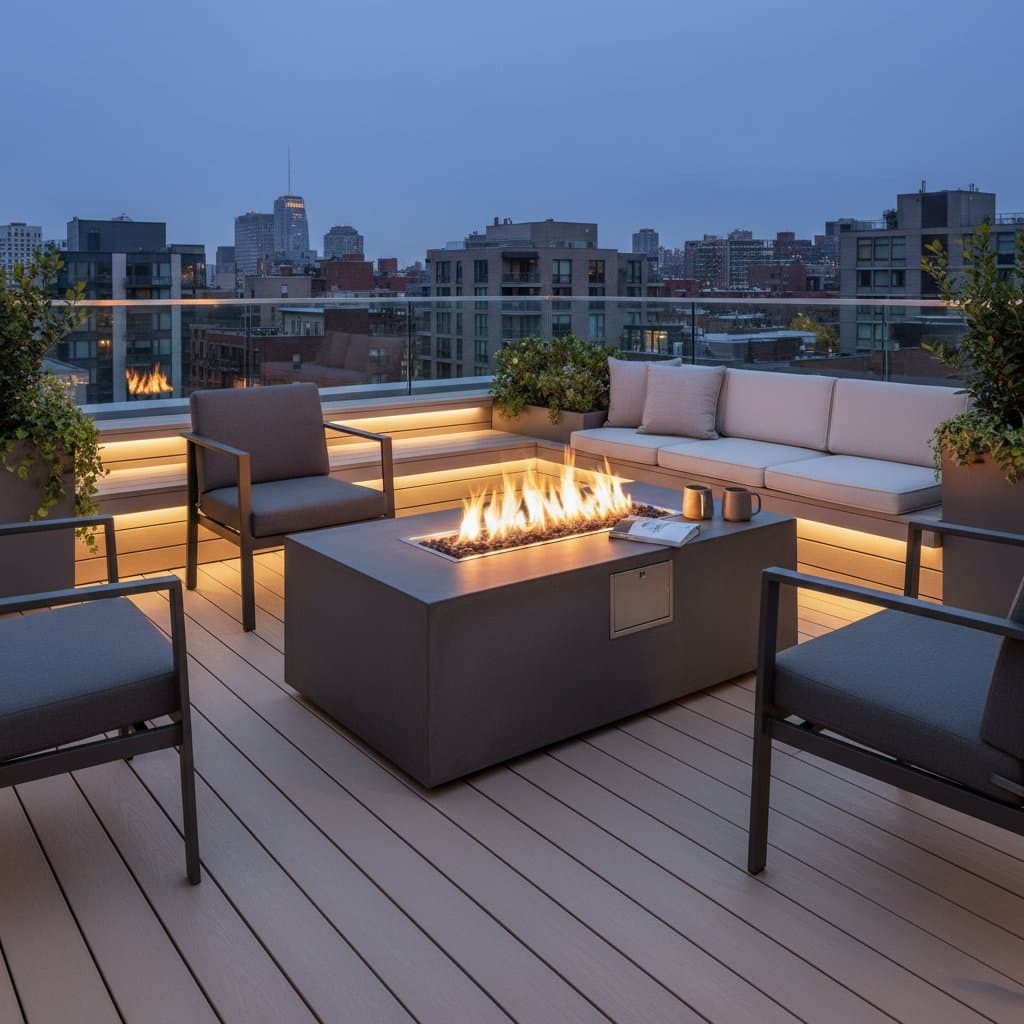
Featured image for Why Fire Tables Beat Fire Pits on Small Decks

Categories

Navigation

  • Home
  • All Articles
  • About Us
  • Privacy Policy
  • Terms of Service

© 2026 Urban Outdoors. Crafted for bold city dwellers.

2025-12-19 03:46:25
Urban Outdoors - Small-Space Gardens, Rooftop Decks, Balconies, Decks, Backyard Design

Why Fire Tables Outperform Fire Pits on Small Decks

Small decks present unique challenges for outdoor heating. Space constraints limit options, and traditional fire pits often dominate the area while posing safety risks. Fire tables offer a superior alternative by integrating flame warmth with practical surface utility.

Fire tables combine a stable tabletop with an embedded burner, allowing users to gather around without sacrificing usable space. Unlike fire pits, which require a wide clearance radius and can scatter embers, fire tables contain the flame within a enclosed design. This setup enhances safety on compact decks and supports activities like dining or gaming.

Homeowners with limited outdoor areas report greater satisfaction with fire tables. The elevated flame reduces tripping hazards, and the flat surface accommodates drinks or plates directly. For urban settings, where decks measure under 100 square feet, this design maximizes every inch.

Key Advantages Over Fire Pits

Fire pits excel in open yards but falter on small decks. Their circular shape demands at least six feet of surrounding space to prevent heat damage to nearby structures. Fire tables, typically rectangular or square, fit snugly against railings or walls while providing similar BTU output.

Safety stands out as a primary benefit. Fire pits expose flames at ground level, increasing burn risks and requiring constant monitoring. Fire tables position the fire at waist height, with glass or metal guards containing sparks. This arrangement complies more readily with building codes for elevated installations.

Aesthetic integration further favors fire tables. They blend seamlessly with modern deck furniture, serving as a coffee table when unlit. Fire pits, by contrast, disrupt flow and collect debris in their basins. Select models with powder-coated finishes resist rust in humid climates.

Selecting the Right Fire Table

Begin by assessing deck dimensions and fuel preferences. Measure the available footprint, ensuring at least three feet of clearance from walls and furniture. Propane units suit portable needs, while natural gas connects to home lines for convenience.

Consider BTU ratings between 40,000 and 60,000 for small spaces; higher outputs overwhelm compact areas. Opt for tables 30 to 48 inches wide to balance presence and usability. Materials like stainless steel withstand weather, though aluminum lightens the load for easy relocation.

Evaluate accessories such as wind guards or storage compartments. These features extend usability in breezy urban environments. Budget models start at basic propane setups, while premium versions include electronic ignition for effortless starts.

Installation Guide

Proper setup ensures longevity and safety. Follow these steps to position and activate your fire table effectively.

  1. Select the placement. Choose a level spot with adequate ventilation, away from overhangs or flammable materials. Verify the surface supports at least 150 pounds, accounting for the table and fuel.

  2. Lay down a protective mat. Position a fire-resistant pad or metal tray under the table to shield wood or composite decking from radiant heat.

  3. Connect the fuel line. For propane models, attach the hose to the tank and tighten with a wrench. Use soapy water to check for bubbles at the connection, which signal a leak. If any appear, turn off the gas and reconnect.

  4. Add filler media. Pour in the recommended amount of fire glass or lava rock. Spread it evenly to cover the burner tray without piling too high.

  5. Ignite the flame. Turn the gas knob slowly and press the igniter switch. Adjust to a low flame first to confirm stable burning.

  6. Test the temperature. Hold your hand 12 inches (about 30 cm) above the flame. You should feel steady warmth, not intense heat.

  7. Arrange seating. Position chairs at least 18 inches (about 45 cm) from the edge of the table. Choose low-profile furniture to maintain open sight lines and airflow.

Safety Tips

Prioritize precautions to protect users and property.

  • Keep a small fire extinguisher or bucket of sand within reach.
  • Do not use softwood logs or paper in a gas fire table. They can clog burners and send sparks.
  • Check that children maintain a safe distance. Teach them that the glass rocks and table edges get hot.
  • Turn off the gas supply before cleaning or covering the table.
  • Store propane tanks upright in a shaded area. Never place them under the table itself.

Inspect the setup seasonally for wear. Clear surrounding areas of dry leaves to minimize fire risks.

Troubleshooting Common Issues

Address problems promptly to maintain performance.

Weak flame: Check for low gas pressure or debris in the burner holes. Remove the filler media, clean the tray with a soft brush, and reopen the valve slowly.

Uneven burning: Move the glass beads or lava rock to distribute airflow. Make sure no large clumps block the gas ports.

Igniter not sparking: Replace the battery in the ignition switch, usually located under the control knob. If it still fails, use a long grill lighter while keeping your face clear of the flame zone.

Odor or smoke: Gas models should burn clean. If you smell strong fuel or see smoke, shut off the supply and inspect the fittings for leaks.

Document recurring issues for warranty claims. Regular checks prevent escalation.

Budget and Time Considerations

Expect to spend between $250 and $800 for a mid-range propane fire table suitable for small decks. Premium models with built-in storage or glass wind guards may reach $1,200. Wood-burning fire pits start lower, around $100, but often need extra deck protection, spark screens, and more frequent cleaning.

Setup takes about one hour for a propane model, including leak testing and furniture placement. Maintenance is simple, usually a monthly check of fittings and a light cleaning after each use.

Low-cost swaps include powder-coated steel instead of stainless, and standard fire glass instead of colored reflective types. Do not cut corners on safety mats or gas hoses, since those protect your deck and your home.

Ongoing Maintenance

Sustain the fire table's condition through routine care.

Wipe the surface after each use to prevent soot buildup. Cover the table when not in use to keep out rain and dust. Every few weeks, remove the glass beads and clean the burner tray with mild soap and water. Rinse thoroughly and let it dry before relighting.

Before each season, inspect the gas hose for cracking and replace worn O-rings. Check that the ignition switch clicks cleanly. For wood composite decks, sweep away leaves or debris that could trap heat beneath the protective mat.

Professional Assistance

Certain situations require expert intervention.

If you smell gas and cannot locate the source after a leak test, call a licensed gas technician. They can check the regulator and hose fittings. If your deck has an electrical outlet near the table, ask an electrician to confirm proper grounding distance before connecting any lighting or accessories.

You should also contact a pro if you want to hard-pipe a natural gas line. This requires city permits and must meet local code for outdoor appliances.

Integrating into Daily Deck Use

Once your fire table is in place, it does more than warm the air. It changes how you use your deck. You can set down plates, play cards, or read by the soft flame. You can host guests without moving chairs around a smoky pit. The table keeps the space flexible and calm.

Try rearranging furniture by season. In cooler months, pull seating close for conversation. In warmer months, move chairs back and use the table with the burner off. It still works as a dining or serving surface.

Your next steps:

  1. Measure your deck and mark safe clearances.
  2. Compare propane and natural gas models for your setup.
  3. Stage the area with weatherproof seating and a protective mat.

A fire table lets you enjoy the comfort of a flame without giving up half your deck. It keeps warmth and function where you need them most, right at arm's reach.

You Might Also Like

Shape Deck Zones to Stay Comfortable All Year

Micro-Misting Drops Balcony Heat 20° in Seconds

Creating Deck Zones That Work in Every Season

Pergola Pods Turn Decks Into Year-Round Retreats

Solar Pergolas Cut Cooling Costs While Powering Your Deck

Tagged:

outdoor,heating,outdoor heating,fire,decks,compact,tables,fire-tables,compact-decks

Recent by Anne Marion

Image for Living Pergolas Cool Decks Through Natural Shade

Living Pergolas Cool Decks Through Natural Shade

Mar 18, 2026
Image for Creating a Balcony Microclimate for Plants Year-Round

Creating a Balcony Microclimate for Plants Year-Round

Mar 18, 2026
Image for Rooftop Benches That Clean Air and Cool Surfaces

Rooftop Benches That Clean Air and Cool Surfaces

Mar 18, 2026
Image for Smart Drip Systems Keep Balcony Plants Thriving

Smart Drip Systems Keep Balcony Plants Thriving

Mar 17, 2026
Image for Micro-Misting Drops Balcony Heat 20° in Seconds

Micro-Misting Drops Balcony Heat 20° in Seconds

Mar 17, 2026

outdoor

Image for Shape Deck Zones to Stay Comfortable All Year

Shape Deck Zones to Stay Comfortable All Year

Mar 18, 2026
Image for Micro-Misting Drops Balcony Heat 20° in Seconds

Micro-Misting Drops Balcony Heat 20° in Seconds

Mar 17, 2026
Image for Creating Deck Zones That Work in Every Season

Deck Construction & Remodeling

Living Pergolas Cool Decks Through Natural Shade

Transform your deck into a shaded, verdant escape using a living pergola. This comprehensive guide details material selection, structural assembly, irrigation setup, and vine choices that flourish. Explore techniques to enhance shade, optimize airflow, and cultivate a sustainable oasis that enhances comfort and beauty with each passing season.

Mar 18, 2026

Shape Deck Zones to Stay Comfortable All Year

Elevate your deck into a versatile outdoor haven by implementing microclimate zones. This approach involves assessing light patterns, wind flow, and thermal areas, then applying targeted elements like portable heaters, shade structures, and strategic plantings to ensure comfort across all seasons.

Mar 18, 2026

Cool Decks Stay 20 Degrees Cooler in Summer Heat

Turn urban decks from hot hazards into cool havens with heat-reflective materials. This guide covers composites, thermally modified woods, and strategies to maintain surfaces up to 20 degrees cooler, plus practical advice on design, budget, and care for year-round enjoyment.

Categories

Deck Construction & Remodeling(223)
Balcony Design(191)
Small-Space Gardens(82)
Rooftop Decks(81)
Backyard Design(21)

Creating Deck Zones That Work in Every Season

Mar 15, 2026
Image for Pergola Pods Turn Decks Into Year-Round Retreats

Pergola Pods Turn Decks Into Year-Round Retreats

Mar 12, 2026
Image for Solar Pergolas Cut Cooling Costs While Powering Your Deck

Solar Pergolas Cut Cooling Costs While Powering Your Deck

Mar 11, 2026
Mar 16, 2026

Micro-Misting Drops Deck Temperature 15 Degrees

Combat summer heat by installing a micro-misting system that reduces deck temperatures up to 15°F. This guide covers the cooling process, energy-efficient benefits, and adaptable designs for various outdoor areas. Find detailed installation instructions, troubleshooting advice, and seasonal maintenance to sustain a refreshing backyard environment.

Mar 16, 2026

Mycelium Decks Break Down Instead of Piling Up

Mycelium decks revolutionize urban outdoor areas with panels grown from fungal networks and agricultural byproducts. These lightweight, water-resistant, and fully biodegradable options provide a green alternative to traditional plastic composites. This guide covers installation, upkeep, budgeting, and strategies to maximize their lifespan while minimizing environmental impact.

Mar 15, 2026

Creating Deck Zones That Work in Every Season

Elevate your deck into a seasonal haven by developing microclimates that provide tailored comfort throughout the year. Explore strategies for zoning, shading, heating, and organizing with durable materials, strategic lighting, and efficient storage solutions. Achieve prolonged outdoor use while enhancing energy efficiency, visual appeal, and safety measures.

Mar 15, 2026

Glass Domes Keep Your Deck Open All Year

Elevate your deck into a versatile, all-season haven using glass domes or retractable pergolas. Gain insights into selecting materials, executing installations, and performing upkeep to maintain a bright, comfortable area for winter mornings or summer evenings alike.

Mar 14, 2026

Solar Pavers Store Sunlight and Charge Your Phone

Elevate your outdoor spaces with solar pavers that capture daylight to provide nighttime illumination and device charging capabilities. This comprehensive guide details their functionality, installation requirements, upkeep recommendations, expense considerations, and safety protocols to help you build an efficient, luminous environment that performs reliably throughout the year with little ongoing work.

Mar 14, 2026

Smart Apps Map Microclimates for Ideal Deck Builds

Smart apps uncover microclimate nuances in your yard, from sunlight exposure to wind flow and moisture levels. These tools guide material selection, layout planning, and design choices to create durable, comfortable decks. Transform local data into a strategic plan for your perfect outdoor area.

Mar 13, 2026

Pergola Pods Turn Decks Into Year-Round Retreats

Elevate your deck with a pergola pod, a versatile structure that provides shade, protection, and aesthetic appeal. This guide covers planning, construction, upkeep, and strategies to maximize seasonal use, ensuring comfort in any weather.

Mar 12, 2026

Solar Pergolas Cut Cooling Costs While Powering Your Deck

Elevate your deck with a solar pergola that offers shade and produces clean energy. This comprehensive guide details planning, material choices, installation steps, safety measures, troubleshooting, budgeting, and maintenance. Discover how to build a durable structure that cuts energy expenses and enhances outdoor comfort.

Mar 11, 2026

Micro-Misting Drops Deck Heat 15° Without Puddles

Micro-misting provides an effective solution to transform sweltering decks into comfortable retreats, reducing temperatures by up to 15 degrees through fine water droplets. This guide details the science behind the cooling, lists necessary tools and materials, outlines installation processes, addresses safety considerations, and offers maintenance advice for reliable performance throughout the season.

Mar 11, 2026

Mycelium Decks Grow Strength from Fungal Roots

Mycelium decks leverage fungal networks to create biodegradable, waste-derived outdoor flooring that enhances urban sustainability. This resource provides practical instructions for building resilient panels that integrate nature into city living, including material selection, assembly techniques, and long-term care strategies.

Mar 11, 2026

Micro-Clover Borders Cut Deck Upkeep in Half

Revitalize weary deck borders using resilient micro-clover, a self-sustaining ground cover that thrives with little intervention. This guide details installation, care essentials, and advantages like reduced mowing and enhanced aesthetics for compact urban spaces.

Mar 10, 2026

Set Up Drip Irrigation for Deck Containers

Elevate deck gardening with a micro-drip irrigation system that automates watering for consistent plant health. This guide covers planning, installation, and maintenance to save time, reduce water use, and ensure thriving containers in urban settings.

Mar 8, 2026

Soundproof Your Deck with Layers and Soft Surfaces

Convert a bustling urban deck into a serene haven through effective soundproofing techniques. This guide details sealing gaps, layering soft materials, installing acoustic panels, and integrating natural barriers like plants and curtains to foster a private, relaxing environment that balances style and acoustic control.

Mar 8, 2026

Solar Pergolas Cut Deck Heat While Powering Your Home

Elevate your deck with a solar pergola that offers shade from heat and produces renewable energy. This comprehensive guide details design options, material choices, step-by-step installation, safety measures, and upkeep strategies to boost comfort, cut costs, and promote eco-friendly living in your outdoor area.

Mar 7, 2026

Native Plants Transform Deck Edges Into Pollinator Havens

Convert a plain deck into a bustling pollinator sanctuary using native plant borders. This guide covers design principles, plant selection, planting techniques, and maintenance strategies to attract bees, butterflies, and birds with minimal effort. Explore practical advice, recommended species, and care essentials for a vibrant, eco-friendly outdoor space.

Mar 7, 2026

Acoustic Panels Cut Deck Noise by 30 to 50 Percent

Elevate a bustling deck to a tranquil sanctuary via outdoor acoustic panels. This resource covers selecting resilient materials, orchestrating installations, and upholding acoustic efficacy throughout the year. Acquire actionable guidance, cost-saving advice, and aesthetic concepts to neutralize city clamor, enhance seclusion, and foster relaxed, conducive outdoor interactions.

Mar 6, 2026

Solar Pergolas Blend Shade With Clean Energy Generation

Elevate your deck with a solar pergola that offers shade and generates clean energy. This comprehensive guide details design strategies, material choices, installation processes, safety measures, and ongoing maintenance to achieve a balance of comfort, eco-friendliness, and visual elegance for discerning homeowners eyeing 2026 upgrades.

Mar 6, 2026