Loading...

Mushroom Decks: The Rising Trend in Sustainable Urban Gardening | urbanoutdoorsnyc.com | Urban Outdoors - Small-Space Gardens, Rooftop Decks, Balconies, Decks, Backyard Design
Skip to main content
Urban Outdoors
Search
Home
  1. Home
  2. /
  3. Deck Construction & Remodeling
  4. /
  5. Why Mushroom Decks Are Urban Gardening's New Trend
Deck Construction & Remodeling

Why Mushroom Decks Are Urban Gardening's New Trend

byDawn Hayden
2026-01-12 05:05:14January 12, 2026
6 min read
Featured image for Why Mushroom Decks Are Urban Gardening's New Trend

Categories

Navigation

  • Home
  • All Articles
  • About Us
  • Privacy Policy
  • Terms of Service

© 2026 Urban Outdoors. Crafted for bold city dwellers.

2026-01-13 03:48:22
Urban Outdoors - Small-Space Gardens, Rooftop Decks, Balconies, Decks, Backyard Design

Why Mushroom Decks Are Urban Gardening's New Trend

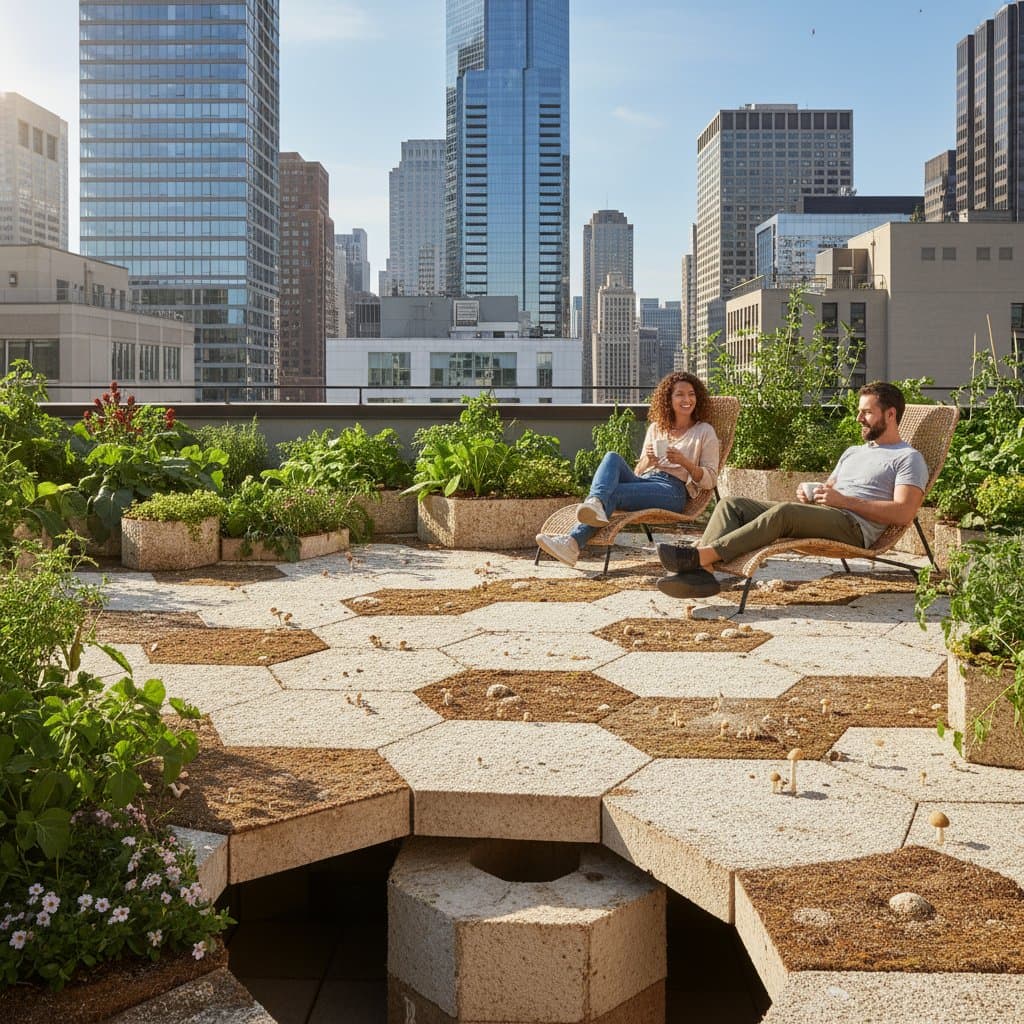
Mushrooms typically thrive in shaded forest floors, yet innovative applications bring their essence to urban rooftops and balconies. Decking crafted from mycelium, the intricate root-like structure of fungi, emerges as a sustainable choice for city dwellers. These mushroom decks provide lightweight, compostable surfaces that withstand everyday use while minimizing environmental harm.

This material aligns with the principles of circular design, where resources cycle back into the earth rather than landfills. Urban gardeners appreciate its natural texture and ease of integration into compact spaces. The following sections explain the composition of mushroom decks, their benefits, and practical guidance for implementation.

Overview

Mushroom decks consist of panels cultivated by directing mycelium growth through substrates like sawdust, hemp hurds, or agricultural straw. After the mycelium colonizes the material, the blocks undergo heat treatment to halt further development, yielding rigid, biodegradable sheets. These panels serve as alternatives to traditional wood or synthetic composites in low-traffic outdoor platforms.

Three primary advantages attract urban users: reduced ecological footprint, tactile comfort, and compatibility with regenerative practices. Unlike petroleum-based plastics, mycelium panels decompose naturally or support regrowth cycles. In constrained city environments, they enable elevated gardens that accommodate seating, potted plants, and social areas without overwhelming structural demands.

The breathable quality of the material prevents water pooling, fostering healthier plant roots nearby. Gardeners report a grounded sensation underfoot, akin to walking on packed earth. This innovation supports zero-waste lifestyles by repurposing agricultural byproducts into functional architecture.

Tools and Materials

Assembling a mushroom deck requires minimal equipment, focusing on precision and natural compatibility. Select components that enhance durability without compromising biodegradability.

Essential materials:

  • Pre-grown mycelium panels or substrate blocks, approximately 2 inches thick for stability
  • Framing lumber from recycled sources or lightweight aluminum joists
  • Organic fillers like straw or wood chips for custom growth, if applicable
  • Plant-derived sealants, such as beeswax blends or linseed oil, to repel water
  • Corrosion-resistant fasteners, including stainless steel screws

Required tools:

  • Precision cutting tools, like a handsaw or oscillating blade
  • Power drill with bits suited for soft materials
  • Tape measure, carpenter's square, and spirit level for alignment
  • Application tools, such as brushes, for even sealant distribution

Source panels from suppliers offering weather-treated varieties with a density of at least 25 pounds per cubic foot. Verify certifications for outdoor exposure to ensure longevity in humid urban conditions.

Steps

Step 1: Plan the Layout

Assess the available space by measuring length, width, and load-bearing capacity. Opt for modular panels measuring 24 by 24 inches to simplify handling in tight quarters. Incorporate 1/4-inch gaps between panels to facilitate drainage and thermal expansion.

Sketch a bird's-eye view, noting joist positions and access points. Consult local regulations for elevated structures to avoid compliance issues.

Step 2: Prepare the Frame

Construct a substructure with joists spaced no more than 12 inches apart to distribute weight evenly. Anchor the frame securely to walls or railings using appropriate brackets. Verify flatness with a level, shimming as needed to prevent sagging.

For rooftops, integrate flashing around edges to direct water away. This foundation ensures the mycelium surface remains supported throughout seasonal changes.

Step 3: Grow or Source Panels

For DIY cultivation, sterilize substrates and introduce mycelium spawn in sterile conditions. Incubate in a shaded area at 70 to 80 degrees Fahrenheit for 7 to 14 days until colonization completes. Dehydrate panels in a low-heat oven or sun to fix the structure.

Commercial options arrive ready-to-install; inspect for uniform density and absence of voids. Customize sizes by trimming excess with a fine-tooth saw post-drying.

Step 4: Seal for Weather Resistance

Apply sealant in thin layers using a foam brush, allowing 24 hours between coats. Choose non-toxic formulas that penetrate without clogging pores. Test absorption on a scrap piece to gauge coverage needs.

This step enhances UV and moisture resistance, potentially doubling the panel's service life. Work in moderate temperatures to promote even drying.

Step 5: Install Panels

Position panels perpendicular to joists, staggering seams like brickwork for strength. Secure with pilot-drilled screws, applying gentle pressure to avoid cracking. Trim edges for a seamless fit around obstacles.

Conduct a preliminary load test by distributing 100 pounds evenly across the surface.

Step 6: Test Weight and Feel

Invite a few individuals to traverse the deck, noting any flex or creaks. Address weaknesses by installing additional perpendicular supports. Adjust sealant if friction feels inadequate for safety.

Final adjustments ensure the platform supports intended uses, from lounging to light entertaining.

Safety Tips

Wear respiratory protection during any material manipulation to prevent spore inhalation. Install in dry conditions to avoid slip hazards from wet surfaces. Select sealants free of volatile organic compounds to maintain air quality.

Secure all edges to eliminate tripping risks, particularly in low-light areas. Monitor for structural shifts after initial settling periods.

Troubleshooting

Panel Warping: Excess humidity during storage causes distortion; flatten under weighted boards and reapply sealant once dry.

Soft Spots: These indicate undersupport; insert diagonal braces or reduce span distances beneath affected zones.

Mold or Discoloration: Surface growth signals poor ventilation; clean with a diluted vinegar solution and elevate the deck slightly for airflow. Persistent issues require substrate replacement.

Address problems promptly to preserve integrity and prevent escalation.

Maintenance

Mycelium decks demand routine attention to sustain performance amid urban pollutants and weather.

Routine care steps:

  • Brush away debris weekly to inhibit moisture retention
  • Inspect and reapply sealant biennially or upon water absorption
  • Monitor for cracks, repairing with mycelium-infused patches

Gentle cleaning with biodegradable soap preserves the material's porosity. Avoid abrasive methods that compromise the seal.

Storage

During off-seasons, disassemble panels and stack horizontally with spacers to allow air circulation. Shelter in a garage or covered porch, away from direct moisture. Recondition stored pieces before reuse to restore protective layers.

Proper handling extends usability to five years or more through periodic rotation.

Budget and Time

Mycelium panels range from $8 to $12 per square foot, comparable to premium woods yet more eco-conscious. Home cultivation cuts expenses by 50 percent, though it extends preparation by 10 to 14 days.

A 48-square-foot installation suits a weekend project for two people. Annual upkeep remains under $30, covering sealants and minor repairs.

Seasonal Reminders

Elevate containers during rainy periods to shield the deck from overflow. In arid climates, occasional misting maintains flexibility without oversaturation.

Preemptive seal refreshes before monsoons or freezes safeguard against degradation. Quarterly visual checks identify wear early.

When to Call a Pro

Engage professionals for decks exceeding 100 square feet or bearing significant weight. Inquire about bio-material engineering, integrated drainage systems, and compliance with fire codes.

Experts provide warranties and simulations for wind resistance, ensuring long-term reliability in vertical urban settings.

Key Takeaways

Mycelium-based decks harness fungal networks to produce resilient, earth-friendly platforms ideal for city gardening. They promote sustainability through compostability and resource efficiency.

Users gain versatile outdoor extensions that enhance well-being without environmental trade-offs.

Integrating Mushroom Decks into Your Space

Start small with a balcony section to experience the benefits firsthand. Experiment with layouts that maximize light and views. Over time, expand to create cohesive green oases that reflect personal sustainability goals.

You Might Also Like

Solar Drip Systems Keep Deck Gardens Watered Automatically

Solar Pavers Convert Steps and Sunlight Into Power

Glass Deck Floors That Skylight the Space Below

Mycelium Boards Replace Wood in Sustainable Decking

Cut Deck Noise with Acoustic Privacy Screens

Tagged:

materials,deck,mycelium,decking,building,mushroom,mushroom-building-materials,biodegradable,mycelium-decking,biodegradable-deck

Recent by Dawn Hayden

Image for Glass Deck Floors That Skylight the Space Below

Glass Deck Floors That Skylight the Space Below

Feb 2, 2026
Image for Cut Deck Noise with Acoustic Privacy Screens

Cut Deck Noise with Acoustic Privacy Screens

Feb 1, 2026
Image for Deck Benches That Turn Scraps Into Garden Soil

Deck Benches That Turn Scraps Into Garden Soil

Jan 31, 2026
Image for Cool Balconies 15° Cheaper with Micro-Misting Systems

Cool Balconies 15° Cheaper with Micro-Misting Systems

Jan 30, 2026
Image for Living Sound Filters for City Apartments

Living Sound Filters for City Apartments

Jan 30, 2026

materials

Image for Solar Pavers Convert Steps and Sunlight Into Power

Solar Pavers Convert Steps and Sunlight Into Power

Feb 2, 2026
Image for Mycelium Boards Replace Wood in Sustainable Decking

Mycelium Boards Replace Wood in Sustainable Decking

Feb 1, 2026
Image for Mycelium Decks Replace Wood With Living Fungi Material

Deck Construction & Remodeling

Solar Drip Systems Keep Deck Gardens Watered Automatically

Elevate your deck gardening with solar-powered drip irrigation for precise, hands-free watering. This guide covers final setup steps, safety measures, common fixes, cost breakdowns, and year-round care to foster healthy plants with minimal intervention.

Feb 2, 2026

Solar Pavers Convert Steps and Sunlight Into Power

Elevate your outdoor paths with solar pavers that generate electricity from sunlight and movement. This comprehensive resource outlines functionality, step-by-step setup, budgeting, troubleshooting, and ways to apply the power for lighting or devices—all while promoting green living.

Feb 2, 2026

Glass Deck Floors That Skylight the Space Below

Elevate your deck design with glass floor panels that function as skylights, flooding lower areas with natural light while delivering a sleek, contemporary look. This resource provides in-depth coverage of benefits, essential materials, step-by-step installation, safety protocols, maintenance routines, and guidance on when to hire experts—all to optimize your outdoor environment for light, style, and longevity.

Categories

Deck Construction & Remodeling(158)
Balcony Design(146)
Small-Space Gardens(63)
Rooftop Decks(50)
Backyard Design(18)

Mycelium Decks Replace Wood With Living Fungi Material

Jan 27, 2026
Image for Fungal Fibers That Replace Wood Decks and Compost Clean

Fungal Fibers That Replace Wood Decks and Compost Clean

Jan 24, 2026
Image for Cork Decking Renews Itself While You Walk On It

Cork Decking Renews Itself While You Walk On It

Jan 13, 2026
Feb 2, 2026

Mycelium Boards Replace Wood in Sustainable Decking

Mycelium decking redefines sustainable outdoor design with boards cultivated from fungal roots and agricultural waste. These lightweight, compostable planks match wood's strength while minimizing environmental impact. This guide covers planning, installation, and care for a resilient, green yard addition.

Feb 1, 2026

Cut Deck Noise with Acoustic Privacy Screens

Turn urban deck noise into peaceful quiet with acoustic privacy screens. Explore sound-blocking options, step-by-step installation, upkeep advice, and cost-effective choices for a more enjoyable outdoor space throughout the year.

Feb 1, 2026

Deck Benches That Turn Scraps Into Garden Soil

Convert your deck into an eco-friendly oasis with a composting bench that serves as both comfortable seating and efficient soil producer. This comprehensive guide details construction steps, material needs, troubleshooting, and seasonal care to minimize waste and maximize garden yields.

Jan 31, 2026

Permeable Pavers Stop Flooding and Raise Property Value

Permeable pavers convert waterlogged areas into resilient, environmentally friendly surfaces. Water infiltrates through paver joints and stone bases, minimizing runoff, safeguarding structures, and elevating aesthetic appeal. This comprehensive guide details installation processes, upkeep routines, and financial considerations to demonstrate how these pavers promote sustainability, property enhancement, and enduring outdoor usability.

Jan 29, 2026

Turn Your Deck into a Clean Energy Generator

Elevate your deck into a sustainable solar energy source with integrated pavers that merge aesthetics and efficiency. This guide covers sunlight evaluation, circuit planning, durable tile installation, performance upkeep, expense details, safety protocols, and professional consultation needs to create a self-powered outdoor retreat.

Jan 29, 2026

Solar Pavers Turn Sunlight Into Outdoor Power

Elevate your outdoor areas with solar pavers, robust tiles that capture sunlight to generate power for lighting, charging stations, and appliances. This guide covers their functionality, required materials, and detailed installation instructions to build an efficient, wire-free environment that blends practicality with aesthetic appeal.

Jan 28, 2026

Mycelium Decks Replace Wood With Living Fungi Material

Mycelium, the intricate root system of fungi, emerges as a groundbreaking material for decking. This renewable and biodegradable option provides the durability of wood with a fraction of the environmental impact. Readers will gain insights into installation, maintenance, and benefits to create an outdoor haven that aligns with sustainable living principles.

Jan 27, 2026

Deck Pods Turn Open Decks into Year-Round Rooms

Convert your deck into a protected, inviting extension of your home using modular deck pods. This comprehensive guide covers planning, assembly, and upkeep for these adaptable structures, including required tools, safety protocols, and enhancements to achieve a durable, stylish outdoor space that provides year-round utility.

Jan 26, 2026

Solar Shade Sails Generate Power While Cooling Your Deck

Elevate your deck with solar shade sails that offer respite from the sun while harnessing solar power for everyday use. These versatile structures blend comfort with eco-friendly energy generation. Explore practical steps for installation, upkeep, and optimization to create an inviting, self-sustaining outdoor haven.

Jan 26, 2026

Cool Your Deck 15° with Solar Shade Sails

Counter summer deck heat with solar shade sails capable of reducing temperatures by up to 15 degrees. These tensioned fabric panels effectively block UV rays, improve airflow, and install in just one day. Gain insights into required tools, essential safety measures, and maintenance strategies for extended outdoor enjoyment.

Jan 25, 2026

Why Permeable Decks Stay 20 Degrees Cooler

Permeable decks address intense summer heat by facilitating airflow and water passage, which dissipates trapped warmth and maintains surfaces up to 20 degrees cooler. Incorporating light-colored materials, strategic gaps, and evaporative cooling, these decks foster inviting, sustainable outdoor areas that require low maintenance and provide enduring relief from hot surfaces.

Jan 25, 2026

Solar Pergolas Cut City Heat While Powering Your Deck

Elevate your compact urban deck with a solar pergola that delivers shade, produces renewable energy, and enhances sustainability. This comprehensive guide includes planning strategies, material choices, step-by-step installation, safety protocols, and upkeep tips to achieve a cooler, cost-effective outdoor area while increasing home value on a practical budget.

Jan 24, 2026

Fungal Fibers That Replace Wood Decks and Compost Clean

Mycelium decks redefine urban outdoor spaces through sustainable, compostable panels derived from fungal networks. These lightweight, durable alternatives to wood or plastic utilize agricultural waste. Follow this guide to cultivate, process, install, and maintain them for environmentally conscious urban design.

Jan 24, 2026

Misting Systems Drop Deck Temps 20° Fast

Misting systems transform hot decks into inviting spaces by reducing temperatures up to 20 degrees. This guide details planning, installation, maintenance, and optimization strategies for safe, effective cooling throughout the season.

Jan 22, 2026

UV Shade Sails Drop Deck Temps 20 Degrees

Combat summer heat and safeguard your deck using UV shade sails. This comprehensive guide details selection, installation, and upkeep strategies that reduce surface temperatures, avert color fading, and prolong deck longevity. Explore required tools, safety measures, common issues, and professional insights to create a fashionable, protected outdoor haven.

Jan 22, 2026

Shade Sails That Follow the Sun All Day Long

Automatic sun-tracking shade sails adjust their position to follow the sun, providing consistent shade and comfort on decks and patios. This comprehensive guide explains the technology, step-by-step installation, essential safety measures, ongoing maintenance, associated costs, and strategies to maximize durability and efficiency in your outdoor environment.

Jan 21, 2026

AI Cameras That Water Plants and Deter Deck Pests

Elevate your urban deck into an automated oasis with AI cameras that identify pests, optimize irrigation, and reduce upkeep. These intelligent systems leverage computer vision to safeguard plants, promote efficient water use, and deliver seamless outdoor enjoyment via straightforward installation and reliable performance.

Jan 21, 2026